Liver Problems in Young Adults Explained: Causes, Symptoms, and Actionable Steps
Liver problems in young adults aged 18 to 39 are increasingly driven by metabolic dysfunction, changing alcohol consumption patterns, autoimmune conditions, and supplement-induced toxicity. Early-stage liver disease often produces subt...
Liver problems in young adults aged 18 to 39 are increasingly driven by metabolic dysfunction, changing alcohol consumption patterns, autoimmune conditions, and supplement-induced toxicity. Early-stage liver disease often produces subtle or no symptoms, making routine screening, awareness of metabolic markers, and prompt medical evaluation essential for early intervention and reversal.
Contents
Medical Disclaimer: This article is for informational purposes only and does not constitute medical advice. Consult a qualified healthcare professional for medical diagnosis, risk assessment, or treatment plans.
The Changing Landscape: Why Liver Disease Is Rising Among Young Adults
Historically, chronic liver disease was primarily considered an ailment of middle-aged and older populations, usually associated with decades of heavy alcohol consumption or long-term viral hepatitis infection. Over the past decade, epidemiological studies have documented a sharp rise in liver dysfunction among individuals in their twenties and thirties. This demographic shift is fueled by several converging public health factors, including the rising prevalence of metabolic syndrome, changing alcohol misuse patterns, and the unchecked use of dietary supplements.
Converging Risk Factors in Young Adults:
- Metabolic Syndrome & Obesity (MASLD / MASH)
- High-Intensity Binge Drinking & Alcohol Misuse
- Herbal, Dietary, and Performance Supplements
- Undiagnosed Autoimmune & Genetic Disorders
Metabolic health has significantly declined among younger demographics. High diets in ultra-processed foods, refined sugars, and high-fructose corn syrup, combined with sedentary lifestyles, have accelerated the accumulation of fat within hepatic cells. At the same time, high-intensity binge drinking has led to a noticeable increase in severe acute liver injuries, such as alcohol-associated hepatitis, among young adults.
Because the liver possesses remarkable regenerative capacity, early structural damage often develops silently. Young adults frequently skip routine wellness exams, allowing hepatic fat accumulation, mild inflammation, or early fibrosis to progress unchecked. Recognizing these risk factors early is critical to reversing liver damage before irreversible scarring occurs.
Primary Causes of Liver Problems in Young Adults
Understanding hepatic disease in young adults requires looking at both metabolic risk factors and external exposures. While the underlying pathology varies, many conditions lead to progressive liver inflammation (hepatitis) and subsequent tissue scarring (fibrosis).
Stages of Progressive Liver Disease:
- Steatosis (Fat Accumulation)
- Inflammation (Hepatitis)
- Fibrosis (Scar Tissue)
- Cirrhosis (Advanced Scarring)
1. Metabolic Dysfunction-Associated Steatotic Liver Disease (MASLD)
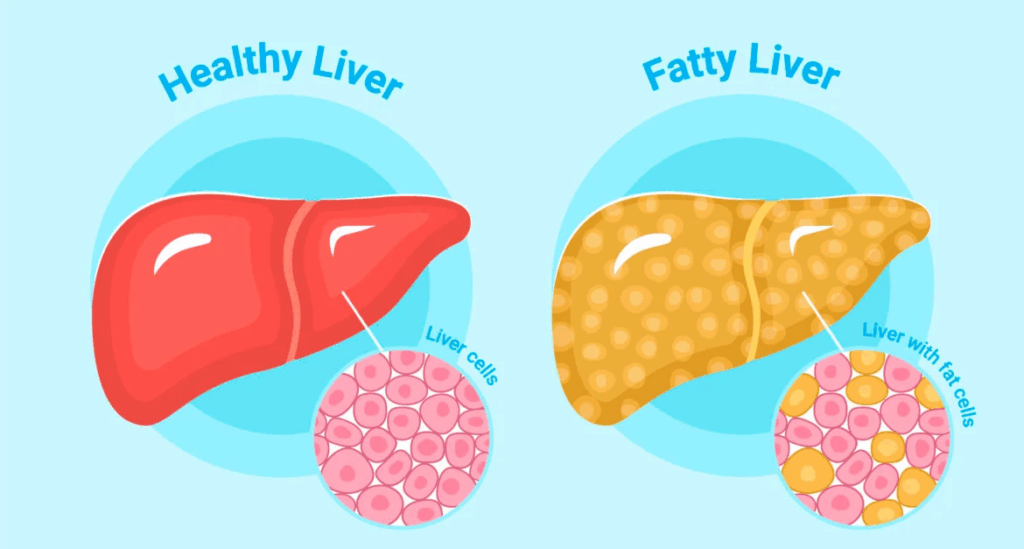
Formerly known as Non-Alcoholic Fatty Liver Disease (NAFLD), Metabolic Dysfunction-Associated Steatotic Liver Disease (MASLD) is the most common cause of elevated liver enzymes in young adults. MASLD occurs when fat accumulates in more than 5% of hepatocytes in individuals who consume little to no alcohol and have at least one cardiometabolic risk factor, such as insulin resistance, obesity, elevated triglycerides, or hypertension.
When fat accumulation triggers cellular stress and liver cell injury, the condition progresses to Metabolic Dysfunction-Associated Steatohepatitis (MASH), previously termed NASH. MASH causes active inflammation and cell ballooning, which can rapidly progress to advanced liver scarring and cirrhosis even in individuals under 30.
2. Alcohol-Related Liver Disease (ARLD)
Alcohol-related liver injury spans a spectrum from simple alcohol-related steatosis (fatty liver) to severe, life-threatening alcohol-associated hepatitis and cirrhosis. Among young adults, patterns of high-intensity drinking—frequently defined as consuming double or more the traditional binge drinking thresholds—can trigger rapid inflammatory cascades.
Unlike chronic, low-grade injury, acute alcohol-associated hepatitis in young individuals can manifest suddenly after periods of heavy drinking. This presents as acute liver failure, profound jaundice, and rapid metabolic decline, requiring immediate hospitalization.
3. Drug-Induced Liver Injury (DILI) and Supplement Toxicity
Young adults are frequent consumers of over-the-counter (OTC) medications, pre-workout formulas, weight-loss products, and dietary supplements. Drug-Induced Liver Injury (DILI) accounts for a significant portion of acute liver injury cases in this age group.
- Acetaminophen (Paracetamol): Accidental overconsumption via multi-ingredient cold remedies or combined pain management is a leading cause of acute liver failure.
- Dietary and Herbal Supplements: Products containing green tea extract, usnic acid, anabolic-androgenic steroids, or unregulated multi-ingredient workout enhancers can cause severe direct hepatotoxicity or cholestatic liver injury.
- Prescription Medications: Certain antibiotics (e.g., amoxicillin-clavulanate), anticonvulsants, and psychotropic medications require baseline hepatic monitoring to prevent early toxicity.
4. Autoimmune Liver Diseases
Autoimmune conditions often emerge during late adolescence or young adulthood, disproportionately affecting young women.
- Autoimmune Hepatitis (AIH): The body's immune system mistakenly targets hepatocytes, leading to chronic inflammation. If untreated, AIH can cause rapid hepatic tissue damage.
- Primary Sclerosing Cholangitis (PSC): Frequently associated with inflammatory bowel disease (IBD) such as ulcerative colitis, PSC causes inflammation and scarring of the bile ducts.
- Primary Biliary Cholangitis (PBC): Primarily targets the small, intrahepatic bile ducts, leading to bile buildup (cholestasis) and localized liver inflammation.
5. Viral Hepatitis and Genetic/Metabolic Disorders
While routine childhood vaccination has reduced acute cases, viral hepatitis remains an important consideration:
- Hepatitis B (HBV) and Hepatitis C (HCV): Transmitted through bloodborne exposure, unsterile needles, body modifications, or sexual contact. Chronic viral hepatitis often remains entirely asymptomatic for years.
- Wilson's Disease: A rare genetic disorder of copper metabolism that typically manifests in adolescents and young adults. Excess copper accumulates in the liver and brain, causing hepatic dysfunction, neurological symptoms, or psychiatric changes.
- Alpha-1 Antitrypsin Deficiency: A genetic condition causing misfolded proteins to accumulate in liver cells, leading to early-onset liver disease and pulmonary emphysema.
Early Warning Signs and Subtle Symptoms
Because the liver lacks direct pain-sensing nerve fibers within its parenchyma, early liver dysfunction rarely causes severe pain. Symptoms are often subtle, systemic, and easily attributed to stress, poor sleep, or busy lifestyles.
Symptom Spectrum:
Early / Subtle Stages:
- Persistent Fatigue
- Mild Abdominal Ache
- Postprandial Nausea
- Unexplained Itching
- Brain Fog
Advanced / Compensated Stages:
- Jaundice (Yellow Sclera)
- Dark Urine & Pale Stool
- Ascites & Peripheral Edema
- Spider Angiomas & Bruising
- Severe Right-Upper Pain
Mild to Moderate Early Indicators
- Persistent Unexplained Fatigue: A constant sense of physical exhaustion that does not improve with rest, often tied to altered energy metabolism and circulating inflammatory cytokines.
- Right Upper Quadrant Discomfort: A dull, aching feeling or fullness beneath the right rib cage, caused by stretching of the liver capsule (Glisson's capsule) as the organ enlarges.
- Digestive Disturbances: Mild postprandial nausea, early satiety, intolerance to fatty foods, and unexplained loss of appetite.
- Pruritus (Itching): Diffuse itching without an accompanying skin rash, triggered by impaired bile acid excretion.
Advanced Signs Requiring Urgent Medical Evaluation
If liver disease progresses unmanaged, explicit signs of impaired liver function and portal hypertension emerge:
- Jaundice: Yellowing of the skin and the sclera (whites) of the eyes due to elevated serum bilirubin levels.
- Dark Urine and Pale Stools: Bilirubin excretion through the kidneys darkens urine to a tea or cola color, while reduced bile flow into the digestive tract leaves stools light or clay-colored.
- Fluid Retention (Edema and Ascites): Swelling in the lower legs, ankles, or abdominal cavity (ascites) resulting from low albumin levels and increased pressure in the portal venous system.
- Vascular and Cutaneous Signs: Easy bruising, slow blood clotting, and the appearance of spider angiomas (small, spider-like blood vessels on the chest, neck, and arms).
Clinical Comparison of Young Adult Liver Conditions
The following table summarizes key features, diagnostic patterns, and standard management strategies across common liver problems in young adults:
| Condition | Primary Causes / Triggers | Early Diagnostic Indicators | Typical Diagnostic Tests | Standard Management Approach |
|---|---|---|---|---|
| MASLD / MASH | Insulin resistance, central obesity, poor diet, metabolic syndrome | Asymptomatic, elevated ALT/AST, mild liver enlargement | FibroScan, Abdominal Ultrasound, Lipid Panel, HbA1c | Weight loss (7–10%), Mediterranean diet, exercise, targeted metabolic medications |
| Alcohol-Related Liver Disease | High-intensity drinking, chronic heavy alcohol intake | Elevated AST (often 2x higher than ALT), fatigue, right upper pain | AST/ALT ratio > 2, GGT elevation, ultrasound | Complete alcohol abstinence, nutritional support, medical detoxification if required |
| Drug/Supplement Toxicity (DILI) | High-dose acetaminophen, workout/weight-loss supplements, antibiotics | Acute nausea, rapid-onset jaundice, abdominal discomfort | Marked ALT/AST spike, elevated bilirubin, medication history review | Discontinuation of offending agent, supportive care, targeted antidotes (e.g., N-acetylcysteine) |
| Autoimmune Hepatitis | Genetic predisposition, immune system dysfunction | Persistent fatigue, joint pain, mild jaundice, elevated globulins | IgG levels, Autoantibody panel (ANA, ASMA), Liver biopsy | Immunosuppressive therapy (corticosteroids, azathioprine) |
| Chronic Hepatitis B / C | Viral transmission via blood, unsterile needles, or sexual contact | Often asymptomatic; mild fatigue, intermittent nausea | HBV surface antigen/DNA, HCV antibody and RNA PCR | Direct-acting antivirals (HCV cure), antiviral suppression (HBV) |
| Wilson's Disease | Autosomal recessive genetic defect in copper transport | Unexplained liver dysfunction, tremors, ring around cornea (Kayser-Fleischer) | Serum ceruloplasmin, 24-hour urine copper, genetic testing | Copper chelating agents (penicillamine, trientine), zinc maintenance therapy |
Diagnostic Workup: How Doctors Evaluate Liver Health
Diagnosing liver problems involves screening tests, specialized laboratory panels, non-invasive imaging, and occasionally tissue evaluation.
Diagnostic Workup:
- Initial Evaluation:
- Blood Panels:
- ALT / AST
- ALP / GGT
- Bilirubin
- Imaging:
- Ultrasound
- FibroScan
- MRI / CT
- Blood Panels:
- Advanced / Target Biomarkers:
- Autoantibodies (ANA/ASMA)
- Viral Load (HBV/HCV)
- Ceruloplasmin / Iron Panel
- Liver Biopsy (if unresolved)
1. Blood Panels (Liver Function Tests - LFTs)
When a clinician suspects liver involvement, initial blood work measures specific enzymes and proteins:
- Alanine Aminotransferase (ALT) and Aspartate Aminotransferase (AST): Enzymes stored inside hepatocytes. When liver cells are injured or inflamed, ALT and AST leak into the bloodstream. Elevated ALT is often more specific to liver tissue than AST.
- Alkaline Phosphatase (ALP) and Gamma-Glutamyl Transferase (GGT): Markers associated with the biliary tract. Elevations suggest impaired bile flow (cholestasis) or duct obstruction.
- Total Bilirubin, Albumin, and Prothrombin Time (PT/INR): True indicators of hepatic functional capacity. Elevated bilirubin indicates impaired clearance, while declining albumin levels and prolonged PT/INR reflect reduced protein synthesis by the liver.
For guidance on interpreting diagnostic lab ranges, consult the American Association for the Study of Liver Diseases (AASLD).
2. Non-Invasive Imaging Techniques
- Abdominal Ultrasound: The initial imaging tool used to detect hepatic steatosis (fatty liver), gallstones, biliary duct dilation, or structural mass lesions.
- Transient Elastography (FibroScan): A quick ultrasound technique that measures liver stiffness. Increased stiffness directly correlates with the degree of liver fibrosis (scarring), allowing clinicians to assess disease progression without invasive procedures.
- Magnetic Resonance Imaging (MRI): Advanced MRI techniques (such as MRI-PDFF) provide precise, quantitative measurement of fat fraction and subtle tissue changes throughout the organ.
3. Specialized Testing and Biopsy
If routine tests and imaging do not establish a diagnosis, additional evaluations may include autoantibody panels (ANA, ASMA), iron studies, ceruloplasmin, viral PCR testing, or a percutaneous liver biopsy. During a biopsy, a micro-needle extracts a tissue sample for microscopic evaluation to assess inflammation severity and fibrosis staging.
Evidence-Based Strategies to Protect Liver Health
Because the liver can regenerate healthy tissue when underlying stressors are removed, early lifestyle and medical interventions are highly effective.
Liver Health Strategies:
- Nutrition:
- Low Sugar
- Med. Diet
- Whole Food
- Avoidance:
- No Alcohol
- Limit OTCs
- Avoid DILI
- Medical Care:
- Screenings
- Vaccines
- Monitoring
Nutrition and Metabolic Management
- Adopt a Whole-Food Pattern: Focus on a Mediterranean-style dietary framework rich in leafy greens, cruciferous vegetables, nuts, legumes, lean proteins, and extra virgin olive oil.
- Eliminate Fructose and Refined Sugars: High-fructose corn syrup bypasses standard metabolic controls and is directly processed by the liver into fat. Reducing sugar-sweetened beverages drastically cuts hepatic fat buildup.
- Target Gradual Weight Reduction: For individuals with overweight or obesity, losing 7% to 10% of total body weight can significantly reduce liver fat, diminish hepatic inflammation, and potentially reverse early fibrosis stage progression.
For evidence-based guidance on metabolic health, review dietary recommendations from the National Institute of Diabetes and Digestive and Kidney Diseases (NIDDK).
Exercise and Physical Activity
Combining aerobic exercise (such as brisk walking, running, or cycling) with resistance training improves peripheral insulin sensitivity. Enhanced muscle insulin sensitivity reduces the flow of free fatty acids to the liver, helping clear hepatic steatosis independently of total weight loss.
Safe Supplement and Medication Habits
- Audit OTC Analgesics: Never exceed 3,000 to 4,000 milligrams of acetaminophen per day from all combined sources. Avoid mixing alcohol with medications containing acetaminophen.
- Approach Dietary Supplements Cautiously: Avoid multi-ingredient fat burners, unregulated muscle-building products, and high-dose herbal extracts. Always inform your physician about all over-the-counter supplements you take.
- Establish Clear Alcohol Boundaries: Individuals with elevated liver enzymes, diagnosed MASLD, or viral hepatitis should abstain from alcohol to prevent compounding liver damage.
Preventive Healthcare and Vaccinations
Ensure vaccinations for Hepatitis A and Hepatitis B are up to date. Young adults with chronic liver conditions should receive regular immunizations to prevent secondary viral infections that could trigger acute-on-chronic liver failure. Refer to the Centers for Disease Control and Prevention (CDC) for national vaccination schedules.
Frequently Asked Questions
Can early liver damage in young adults be reversed?
Yes. The liver possesses an exceptional ability to regenerate damaged tissue. Early-stage steatosis (fatty liver) and mild to moderate liver inflammation can often be completely reversed through targeted dietary modifications, weight loss, elimination of alcohol, and control of underlying metabolic risk factors. However, once inflammation progresses to advanced, end-stage scarring (cirrhosis), management focuses on preventing further damage and controlling complications rather than full tissue restoration.
Is binge drinking worse for the liver than daily moderate drinking?
Both patterns carry distinct risks for liver health. High-intensity binge drinking causes rapid spikes in blood alcohol levels and acetaldehyde concentration, which can trigger severe acute inflammation (alcohol-associated hepatitis) and acute cellular injury. Conversely, chronic daily drinking provides no period for hepatic tissue recovery, promoting steady fat accumulation and progressive fibrosis over time. Both behaviors can lead to advanced alcohol-related liver disease.
Which dietary supplements are most commonly associated with liver toxicity?
The most common dietary supplements linked to drug-induced liver injury (DILI) include high-dose green tea extract (epigallocatechin gallate or EGCG), weight-loss or "fat-burning" multi-ingredient powders, anabolic-androgenic prohormones, usnic acid, and certain traditional herbal mixtures. Because supplements are not subject to the same pre-market safety testing as prescription drugs, their chemical purity and concentrations can vary significantly.
What is the difference between MASLD and alcohol-related liver disease?
The primary difference lies in the underlying trigger for hepatic fat accumulation. MASLD (Metabolic Dysfunction-Associated Steatotic Liver Disease) develops secondary to insulin resistance, obesity, high cholesterol, or poor metabolic health in people who consume little to no alcohol. Alcohol-Related Liver Disease (ARLD) is caused directly by ethanol toxicity and its inflammatory byproducts. Under microscopic examination, both conditions display similar fat accumulation, but their lab markers, clinical progression, and targeted treatments differ.
What should I do if a routine blood test shows elevated liver enzymes (ALT or AST)?
An elevated ALT or AST result requires a structured clinical follow-up rather than immediate panic. Transient enzyme spikes can stem from recent intense exercise, minor viral illnesses, or temporary medication use. Your physician will likely re-test your liver enzymes alongside a broader panel (ALP, Bilirubin, GGT), take a comprehensive medical and supplement history, order a screening abdominal ultrasound, and assess metabolic markers like fasting glucose and lipid levels.
Actionable Next Steps
If you suspect liver issues or received abnormal blood work results:
- Schedule a Dedicated Medical Consultation: Request a full liver evaluation with your primary care physician or a gastroenterologist/hepatologist.
- Bring a Comprehensive Medication List: Document every prescription medication, over-the-counter drug, protein powder, and dietary supplement you consume regularly or occasionally.
- Obtain Baseline Diagnostic Biomarkers: Ask your doctor to order a comprehensive metabolic panel, complete liver panel (ALT, AST, ALP, GGT, Bilirubin), lipid profile, HbA1c, and an abdominal ultrasound or FibroScan.
- Implement Immediate Lifestyle Measures: Eliminate alcohol consumption, remove unnecessary dietary supplements, and prioritize a whole-food, low-sugar diet while awaiting your appointments.
Image Gallery