Jessica Tarlov Lawsuit: Fact-Checking Claims and Media Figures
Public curiosity surrounding prominent media personalities often generates speculation, leading users to search for phrases like "jessica tarlov lawsuit." There is no active, pending, or historically significant lawsuit involving Jessi...
Public curiosity surrounding prominent media personalities often generates speculation, leading users to search for phrases like "jessica tarlov lawsuit." There is no active, pending, or historically significant lawsuit involving Jessica Tarlov as a defendant or plaintiff in a personal or professional capacity. Rumors of legal action typically stem from heated political debates on television broadcasts, social media misinterpretations, or confusion with other public figures involved in media-related litigation.
Contents
Understanding the Origins of Media Personality Rumors
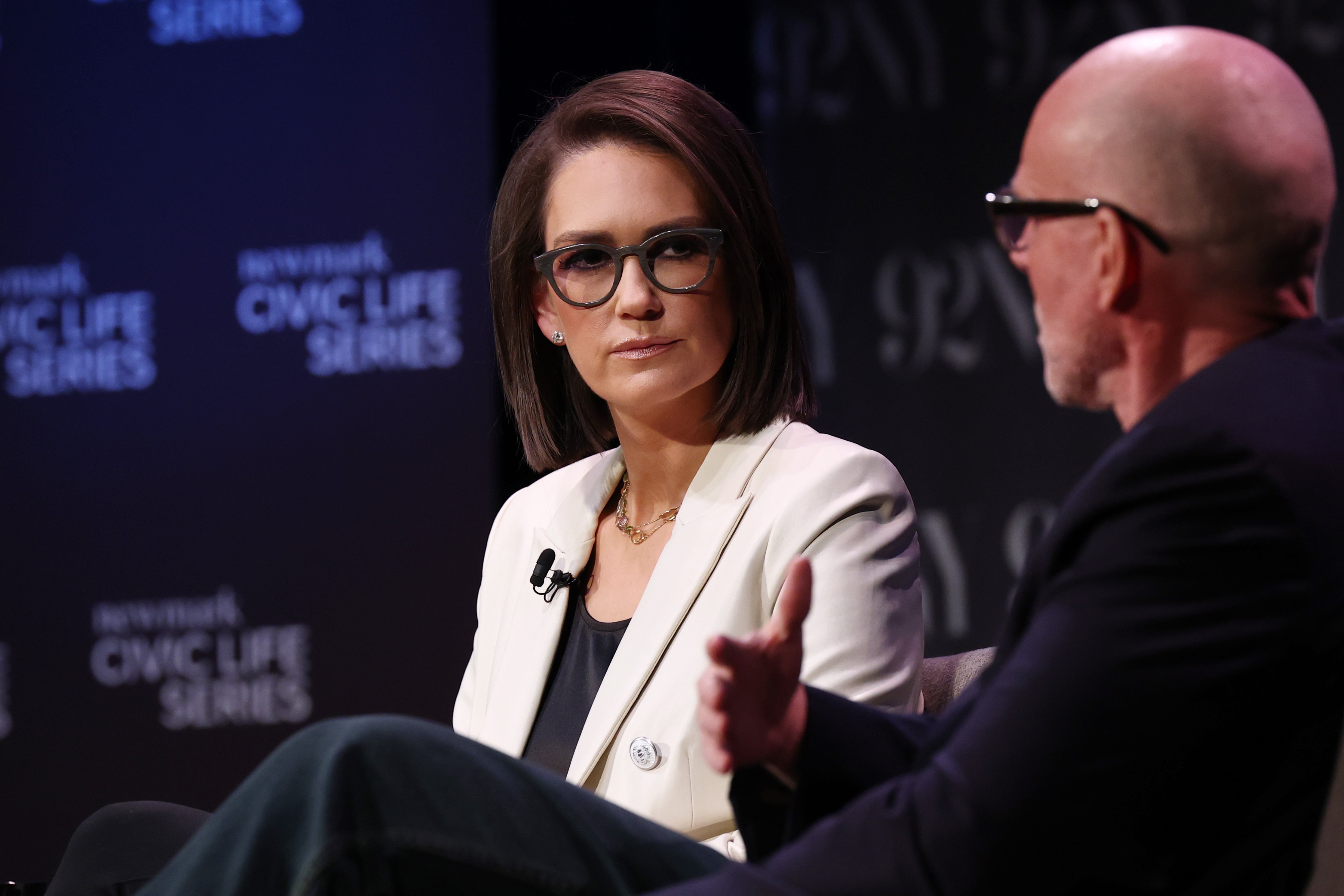
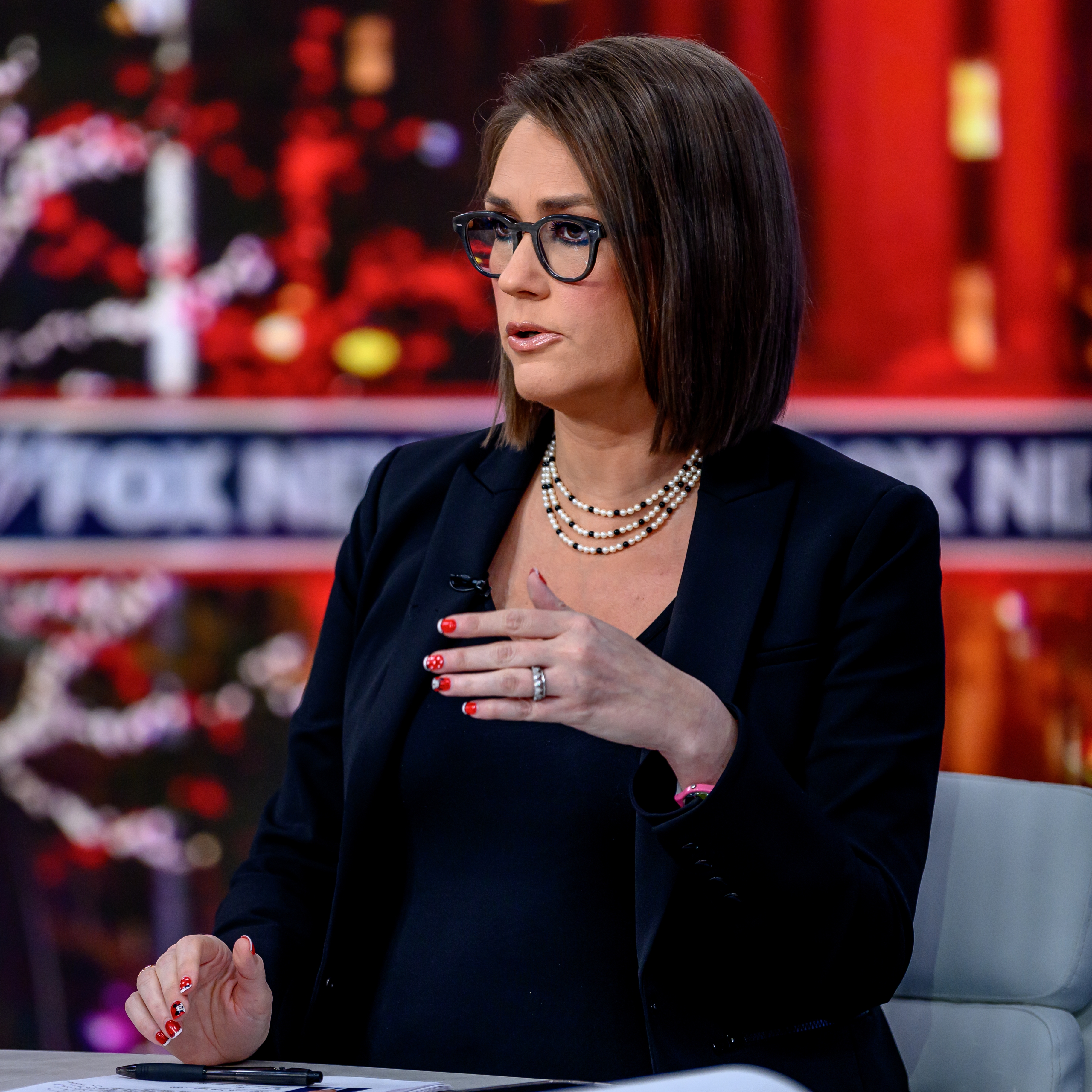
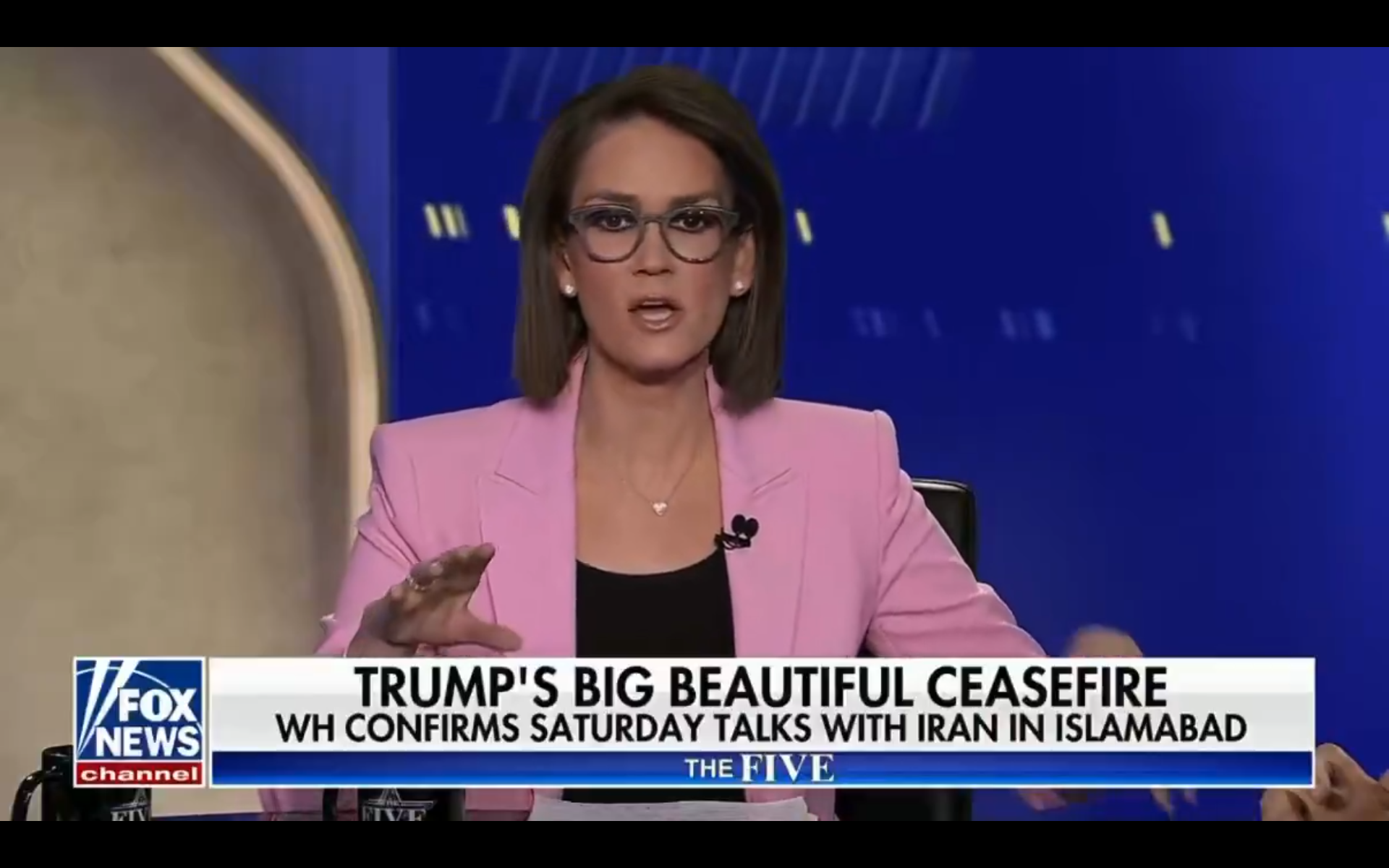
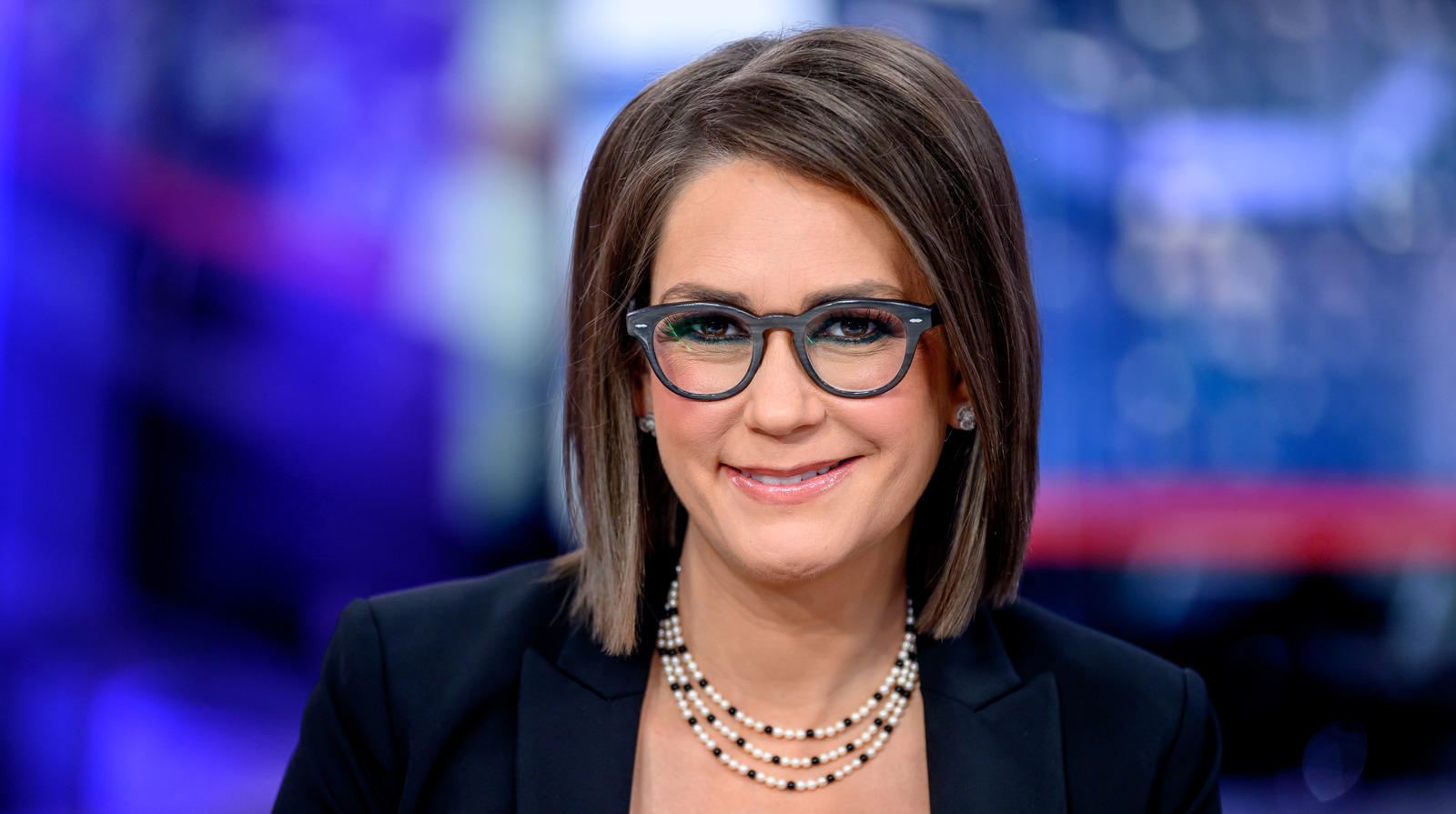
Internet search trends frequently associate public commentators with legal disputes due to the nature of their work. As a co-host on Fox News's daily roundtable program The Five, Jessica Tarlov frequently engages in robust political discourse, representing liberal viewpoints against conservative co-hosts. This high-profile platform exposes public figures to widespread public scrutiny, viral social media clips, and occasionally, fabricated rumors regarding personal or professional misconduct.
When users search for legal actions involving television commentators, several factors usually drive the inquiry:
- Viral social media posts misconstruing standard cable news disagreements as actionable defamation.
- Confusion between on-air legal analysts discussing high-profile court cases and the commentators themselves facing legal challenges.
- Parody accounts or misinformation campaigns designed to generate sensationalized headlines for click traffic.
- Misunderstandings regarding corporate litigation involving parent networks rather than individual on-air talent.
The Distinction Between On-Air Commentary and Defamation
In the realm of modern broadcast journalism and political commentary, viewers often wonder where protected speech ends and legal liability begins. Under United States law, particularly established by landmark rulings such as New York Times Co. v. Sullivan, public figures face a high legal threshold when alleging defamation. They must prove actual malice—meaning the statement was made with knowledge of its falsity or with reckless disregard for the truth.
Cable news programs generally operate under strict legal compliance frameworks. Producers, standards and practices departments, and network legal counsels review broadcast content to mitigate risks. While intense debates, verbal clashes, and sharp disagreements occur daily on programs like The Five, these interactions fall well within the legal protections of opinion commentary and protected political speech.
Network-Level Legal Context in Modern Cable News
While individual commentators like Jessica Tarlov are not personally engaged in major lawsuits, the broader cable news industry frequently navigates complex legal landscapes. Over recent years, major networks—including Fox News, CNN, and MSNBC—have been parties to high-profile defamation lawsuits and corporate settlements.
To understand why legal terms frequently appear alongside the names of news personalities, it helps to examine the types of legal actions affecting the industry:
| Type of Legal Action | Typical Parties Involved | General Industry Impact |
|---|---|---|
| Defamation & Slander | Media networks, corporations, private or public plaintiffs | Results in heightened editorial oversight, rigorous fact-checking protocols, and pre-broadcast legal reviews. |
| Employment & Labor Claims | Former producers, hosts, network executives, HR departments | Shapes internal corporate policies, workplace conduct standards, and non-disclosure agreements. |
| Shareholder Derivative Suits | Corporate investors, parent company boards of directors | Influences corporate governance, financial transparency, and executive compensation structures. |
| Copyright & Intellectual Property | Production companies, digital creators, media networks | Governs the usage of archival footage, social media embeds, and syndicated content. |
Fact-Checking Methodology for Public Figure Claims
Navigating online information requires a disciplined approach to verify whether claims about public figures hold any factual merit. When encountering sensational headlines or rumors regarding a legal dispute involving a media personality, evaluating sources is essential.
- Check Primary Court Records: Legitimate lawsuits are matters of public record. Databases such as PACER (Public Access to Court Electronic Records) or state-level court portals provide verifiable dockets for civil and criminal filings.
- Consult Reputable Journalistic Outlets: Major trade publications (e.g., The Hollywood Reporter, Variety, Associated Press, Reuters) report on credible legal actions involving media figures. The complete absence of coverage from verified news organizations strongly indicates a rumor or fabrication.
- Analyze the Source Material: Trace viral claims back to their original source. Social media screenshots without accompanying documentation or links to official court filings are frequently fabricated or taken entirely out of context.
- Distinguish Between Individuals and Corporate Entities: Understand whether a legal filing targets a massive media corporation, a parent company, or an individual employee. Network-level litigation rarely involves specific on-air commentators unless they are explicitly named as co-defendants.
Frequently Asked Questions
Is Jessica Tarlov currently involved in any lawsuits?
No, Jessica Tarlov is not involved in any active or historical lawsuits as a plaintiff or defendant. Searches regarding a lawsuit are typically the result of internet rumors or confusion with broader network-level legal matters in the media industry.
Why do rumors about television commentators and lawsuits start?
Rumors frequently arise from viral social media misinterpretations, heated political debates taken out of context, or general public confusion regarding corporate lawsuits faced by parent television networks.
What protections do television commentators have regarding what they say on air?
Commentators generally operate under robust legal protections for political speech, opinion commentary, and fair comment, provided statements do not cross the threshold of actual malice or knowing defamation.
Are on-air hosts personally liable for statements made on cable news programs?
Liability typically rests with the broadcasting corporation rather than individual commentators, as networks maintain editorial control, legal compliance teams, and broadcast delay systems.
Where can I verify if a public figure is involved in a legal dispute?
Verifiable legal disputes can be confirmed through official court databases like PACER for federal cases, state court records, or reporting from accredited, mainstream journalistic organizations.
Navigating Media Literacy in the Digital Age
As digital platforms accelerate the spread of information, distinguishing between verified news and speculative rumor is increasingly critical. Public figures like Jessica Tarlov remain subject to intense public scrutiny, which often generates unfounded search trends. Relying on verified court records, establishing primary source validation, and understanding the operational boundaries of the cable news industry ensures an accurate, fact-based perspective on media personalities and legal realities.
Image Gallery