Can You Eat Hot Dogs Raw: Safety, Risks, and Processing Facts
Technically, you can eat hot dogs straight from the package because most commercially sold hot dogs are pre-cooked during the manufacturing process. However, eating them "raw" is not recommended due to the significant risk of Listeria...
Technically, you can eat hot dogs straight from the package because most commercially sold hot dogs are pre-cooked during the manufacturing process. However, eating them "raw" is not recommended due to the significant risk of Listeria monocytogenes contamination, which can thrive in refrigerated, ready-to-eat meat products even after they have been processed and packaged.
Contents
Understanding Hot Dog Manufacturing
To understand the safety of consuming hot dogs without further heating, one must first understand how they are produced. In the United States and many other regions, the term "hot dog" refers to a cured, smoked, or cooked sausage. During the manufacturing phase, these products undergo thermal processing in smokehouses or steam ovens. This process is intended to eliminate common pathogens like Salmonella and E. coli.
Once the hot dogs reach the appropriate internal temperature to be considered "cooked," they are cooled, vacuum-sealed, and shipped to retailers. Because they are technically pre-cooked, they fall under the regulatory umbrella of "ready-to-eat" (RTE) foods. Manufacturers ensure that the product is safe at the moment it leaves the facility, provided the sanitation processes are maintained correctly.
The Listeria Factor: Why Caution Is Necessary
The primary safety concern regarding the consumption of cold or "raw" hot dogs is Listeria monocytogenes. Unlike many other foodborne bacteria that prefer warmer environments, Listeria is psychrotrophic, meaning it can grow and multiply at refrigerator temperatures.
Even if a package of hot dogs is free of bacteria when it leaves the processing plant, contamination can occur during the packaging process or through cross-contamination in retail distribution and home storage. Because hot dogs are often consumed directly from the fridge, they bypass the final "kill step"—cooking—that would otherwise neutralize any bacteria that may have colonized the surface of the meat during transport or storage.
For healthy individuals, exposure to low levels of Listeria may cause mild symptoms, but for vulnerable populations, it can lead to listeriosis, a serious and potentially fatal infection.
Who Should Avoid Eating Cold Hot Dogs?
Certain groups are at a significantly higher risk of complications from foodborne illnesses and should strictly adhere to guidelines regarding the thorough reheating of all processed meats.
- Pregnant Individuals: Listeria is particularly dangerous during pregnancy, as it can cross the placenta and lead to miscarriage, stillbirth, or severe illness in the newborn.
- The Elderly: Immune system function naturally declines with age, making it more difficult to fight off foodborne infections.
- Immunocompromised Individuals: Anyone with a weakened immune system, whether due to chronic illness, chemotherapy, or immunosuppressive medication, faces a higher risk of severe outcomes from bacterial contamination.
Recommended Best Practices for Consumption
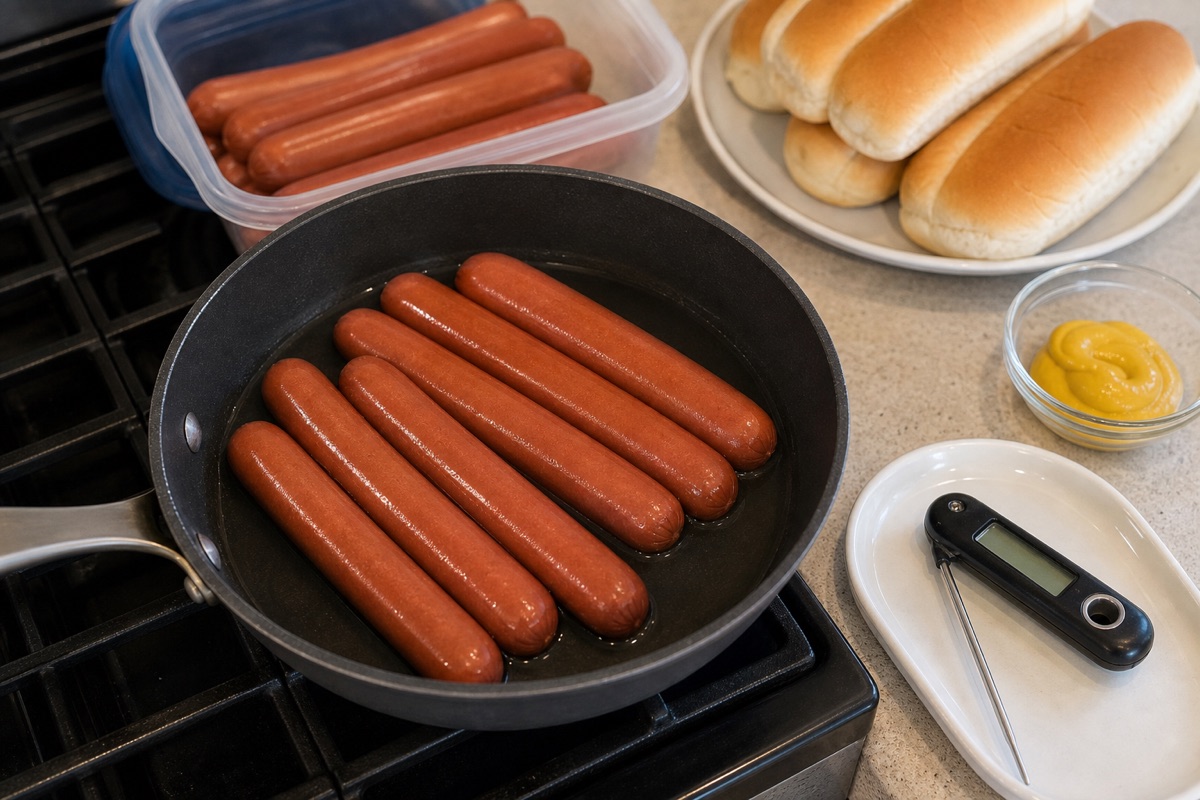
The most effective way to eliminate the risks associated with Listeria is to ensure the hot dog reaches an internal temperature of at least 165°F (74°C). This temperature is sufficient to kill most harmful bacteria that could be present on the exterior of the product.
Comparison of Preparation Methods
| Preparation Method | Safety Level | Impact on Quality |
|---|---|---|
| Directly from Package | High Risk | Texture is cold, fat is congealed |
| Boiling (3-5 minutes) | Low Risk | Even heating, soft casing |
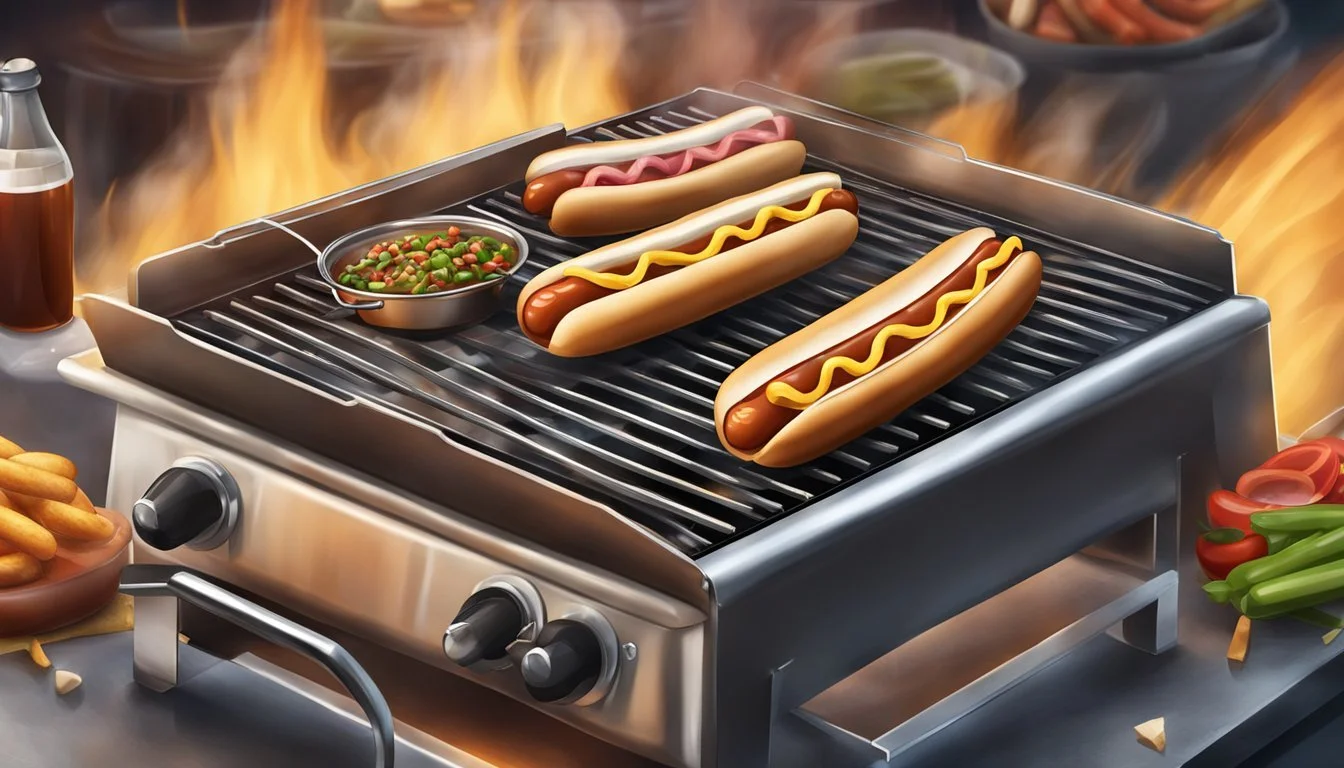
| Grilling/Pan-Searing | Low Risk | Crisp texture, charred flavor |
| Microwaving | Low Risk | Fast; watch for uneven "cold spots" |
When preparing hot dogs, especially for children or those in high-risk categories, ensure the center of the meat is piping hot. If using a microwave, it is crucial to rotate the hot dog to avoid "cold spots," as these areas may not reach a temperature sufficient to kill bacteria.
Distinguishing Between "Raw" and "Uncooked"
Consumers often confuse the term "raw" with "uncooked." In the context of hot dogs, "raw" is a misnomer. A truly raw sausage, such as a fresh bratwurst that has not been cured or pre-cooked, must be cooked thoroughly to be safe. If you have purchased a fresh sausage rather than a standard hot dog, you must treat it as raw meat, meaning it must not come into contact with other foods and must be cooked to an internal temperature of 160°F (71°C) for pork or 165°F (74°C) for poultry.
Always check the product label. If the packaging states "Keep Refrigerated" and "Ready-to-Eat," it is a pre-cooked product. If the label includes instructions such as "Must be cooked thoroughly" or contains raw ingredients, it is not a pre-cooked hot dog and carries different handling requirements.
Handling and Storage Requirements
Maintaining the integrity of the "cold chain" is essential for food safety. The cold chain refers to the temperature-controlled supply chain that prevents the growth of bacteria.
- Transport: Move hot dogs from the grocery store to your home refrigerator as quickly as possible. Avoid leaving them in a hot car.
- Storage: Keep your refrigerator at or below 40°F (4°C). Store hot dogs in their original packaging to prevent cross-contamination with other items in your fridge.
- Shelf Life: Once opened, consume hot dogs within 3 to 5 days. Even if the "use-by" date on the package has not passed, the seal is broken, and the product is exposed to the micro-environment of your refrigerator.
- Cleaning: Clean any surfaces, knives, or plates that have touched cold hot dogs before using them for other food preparation.
Frequently Asked Questions
Does freezing hot dogs kill bacteria? No. Freezing suspends the growth of bacteria, but it does not kill them. Once the hot dogs are thawed, any bacteria present will resume multiplying. You must still cook them thoroughly after thawing.
Is it safe to eat hot dogs if I only heat them slightly? It is not recommended. Partial heating may actually create a temperature environment that encourages bacterial growth rather than inhibiting it. To ensure safety, the product should be heated until it is steaming hot throughout.
Are there brands of hot dogs that are safer to eat cold? No brand can guarantee that a product is 100% free of Listeria after it leaves the manufacturing facility. While major manufacturers adhere to strict USDA-mandated sanitation protocols, the risk remains inherent to the product category.
What should I do if I feel sick after eating a hot dog? If you suspect you have contracted a foodborne illness, monitor your symptoms. If you experience fever, severe nausea, vomiting, or diarrhea, contact a medical professional. Individuals in high-risk groups should seek medical advice promptly if they suspect exposure.
Does boiling a hot dog make it safer than microwaving? Boiling is often considered more reliable for ensuring uniform heat distribution. Microwaves can leave cold spots where bacteria might survive, so if you choose to use a microwave, ensure the heat is applied evenly for sufficient time.
Recommendation
While the risk of contracting a serious illness from a single cold hot dog is statistically low for an average healthy person, the most prudent action is to heat all hot dogs to a steaming temperature before consumption. This simple step eliminates the uncertainty regarding storage conditions and potential post-processing contamination. Always prioritize the safety of those in vulnerable groups by ensuring all processed meats are properly cooked.
Image Gallery