Elizabeth Cook: 53 Years of Influence in Outlaw Country and American Roots Music
In 2026, Elizabeth Cook marks 53 years of influence within the music industry, a legacy that traces back to her earliest days performing with her parents’ band, The Mid-Nite Riders, in 1973. From her roots as a child performer to becom...
In 2026, Elizabeth Cook marks 53 years of influence within the music industry, a legacy that traces back to her earliest days performing with her parents’ band, The Mid-Nite Riders, in 1973. From her roots as a child performer to becoming the "Queen of Outlaw Country" and a cornerstone of SiriusXM broadcasting, Cook has reshaped the boundaries of Nashville traditionalism through raw songwriting and fierce independence.
Contents
The Roots of a Rebel: 1973 and the Mid-Nite Riders
The story of Elizabeth Cook’s influence does not begin with a record deal in Nashville, but rather in the rural landscapes of Florida and Georgia in the early 1970s. Born in 1972 to a family whose lives were a living embodiment of country music tropes, Cook was immersed in the "Hard Country" lifestyle from birth. Her father, Thomas Edward Cook, was a welder who famously learned to play the upright bass while serving time in a federal penitentiary for running moonshine. Her mother, Joyce, played the mandolin and sang.
By 1973, as a toddler, Elizabeth was already being integrated into the family’s musical world. This "53rd year" milestone in 2026 commemorates her transition from a child observer to a participant in the musical tradition. The Mid-Nite Riders provided a rigorous education in performance, rhythm, and the authentic storytelling that would later define her solo career. Unlike many contemporary artists who adopt a "country" persona, Cook’s influence is rooted in this lived experience—a fact that earned her immediate respect from veterans of the genre.
A Childhood on the Road
Throughout the late 1970s and 1980s, Cook balanced a standard education with a professional-grade apprenticeship in bars, VFW halls, and regional festivals. This period was crucial in developing her vocal style: a unique juxtaposition of a high, "Dolly-esque" soprano with the gritty, unsentimental perspective of someone who understood the complexities of Southern working-class life. This duality became her signature, allowing her to deliver devastating lyrics about poverty and addiction under the guise of traditional melodies.
Navigating the Nashville Machine (1990s–2000s)
After graduating from Georgia Southern University with a degree in accounting—a practical move that would later serve her well in managing her own career—Cook moved to Nashville. In the late 1990s, the "Nashville Sound" was heavily polished and leaning toward pop-country crossover. Cook, with her authentic pedigree and sharp wit, was an anomaly.
In 2000, she released The Blue Album, followed by her major-label debut Hey Y'all in 2002 via Warner Bros. Records. While the industry attempted to mold her into a mainstream "starlet," Cook’s songwriting was too idiosyncratic for the radio formulas of the era. Songs like "Stupid Things" showcased a cleverness that defied the often-reductive tropes of early 2000s country.
The Grand Ole Opry Legacy
One of the most significant metrics of Elizabeth Cook’s influence is her relationship with the Grand Ole Opry. Despite her "outlaw" status, she became a beloved fixture of the Opry stage. By 2026, she has performed on the legendary stage over 450 times. This achievement is significant because it bridged the gap between the conservative traditions of the Opry and the more experimental, independent "Americana" movement. Cook served as a gateway artist, showing that one could respect the institutions of country music while simultaneously challenging their creative constraints.
The "Welder" Era: Redefining the Outlaw Sound
The true turning point in Cook’s influence occurred in 2010 with the release of the album Welder. Produced by Rodney Crowell, the album was a tribute to her father and a definitive statement of her artistic autonomy. Welder was listed by Rolling Stone as one of the best albums of the year and cemented her place in the Americana pantheon.
The influence of this period cannot be overstated. Cook moved away from the "hopeful newcomer" phase and into a role as a critical darling and songwriter's songwriter. Welder dealt with themes of mortality, family trauma, and the specific socioeconomic struggles of the South. It paved the way for future artists like Margo Price and Sturgill Simpson to find success by prioritizing authenticity over commercial radio play.
Artistic Autonomy and "Exodus of Venus"
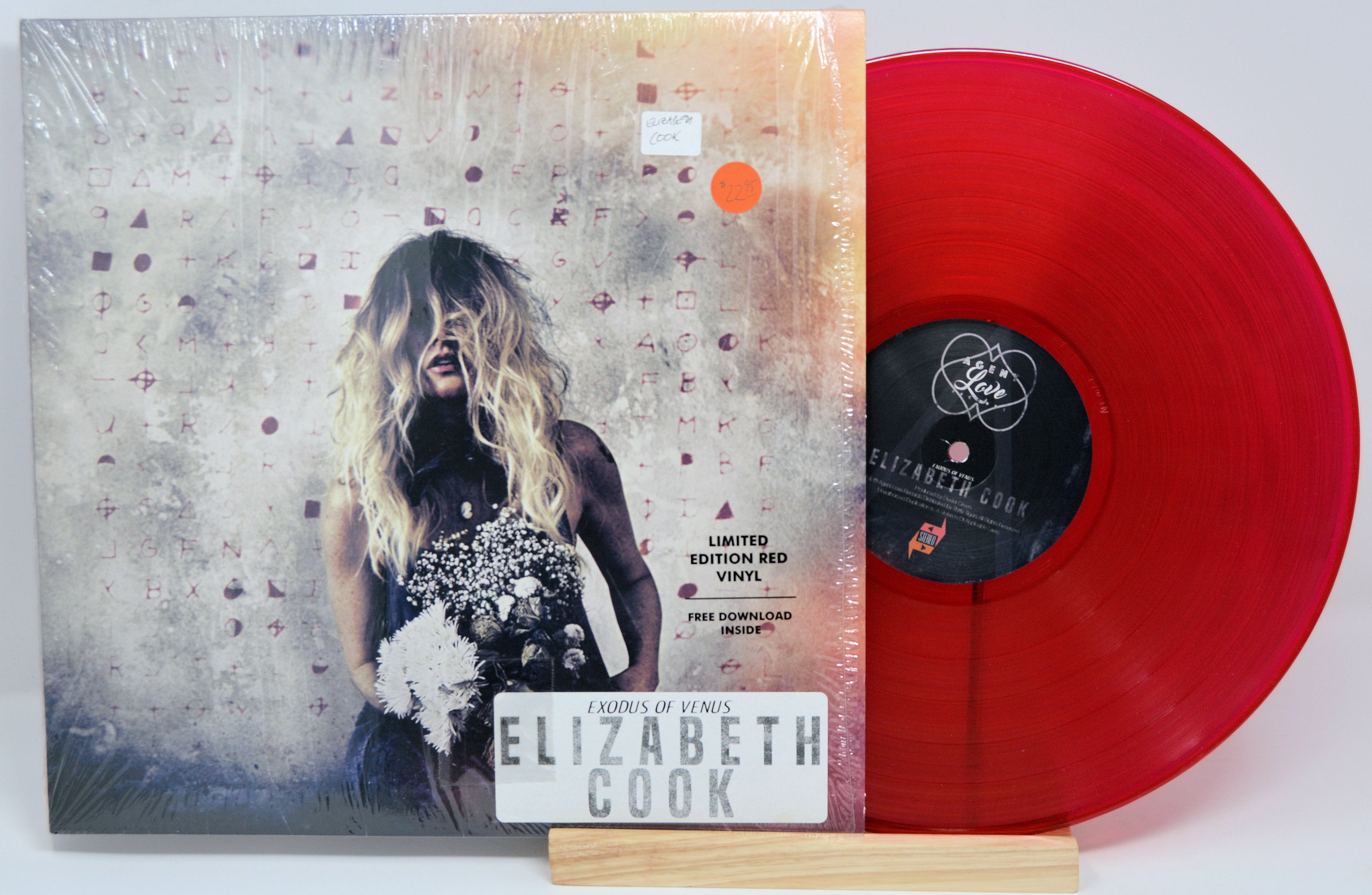
In 2016, Cook released Exodus of Venus, an album that shifted her sound toward a darker, more atmospheric blend of rock and country. This record was influential because it proved that "Outlaw Country" wasn't just about sounding like Waylon Jennings; it was about the freedom to evolve. By incorporating psychedelic textures and more complex arrangements, she expanded the palette of what was acceptable within the American Roots genre.
Broadcasting as Influence: SiriusXM and "Apron Strings"
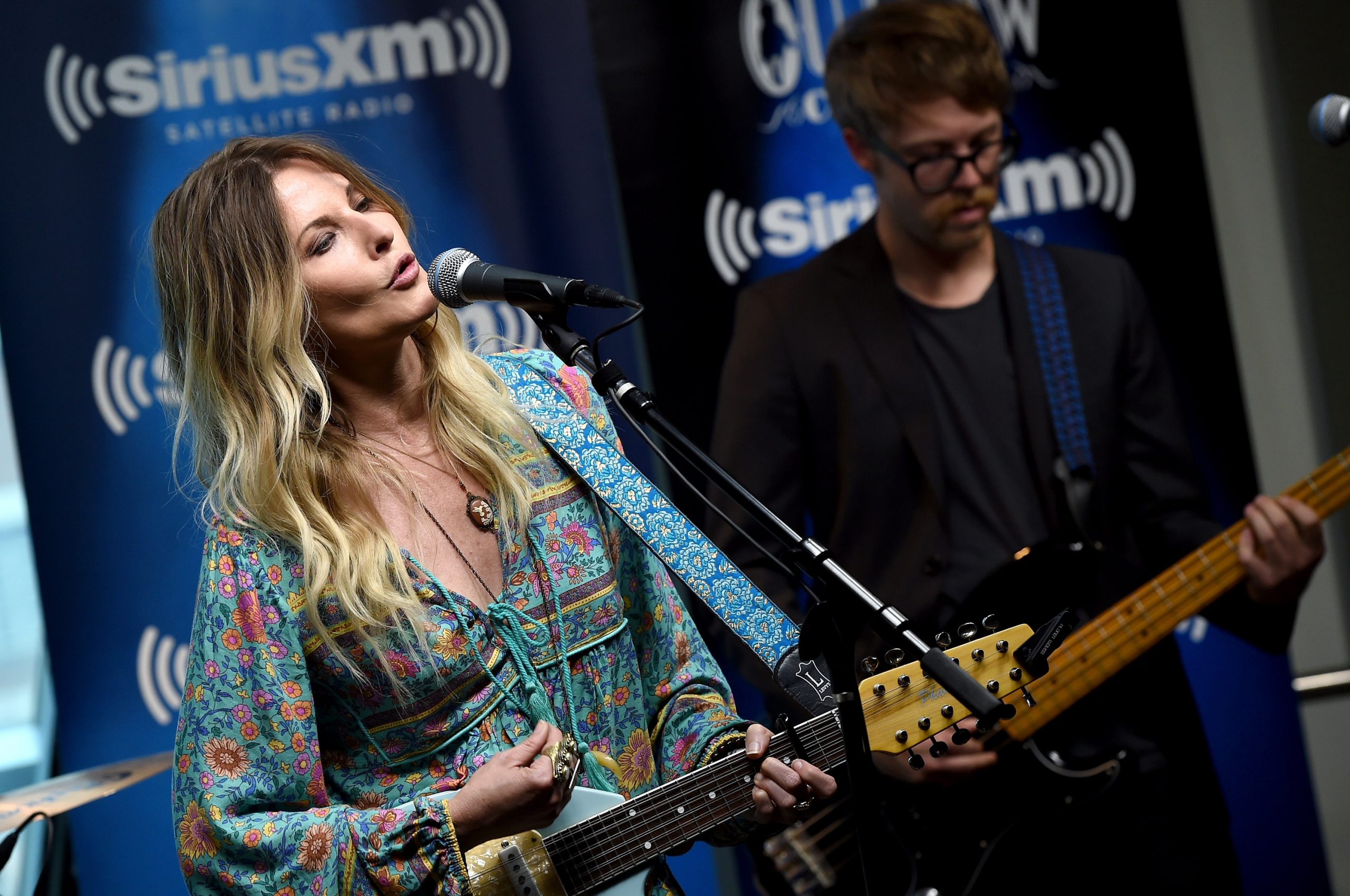
Perhaps Cook’s most widespread influence over the last two decades has come from her role as a broadcaster. As the host of "Apron Strings" on SiriusXM’s Outlaw Country (Channel 60), Cook has become a daily companion to millions of listeners.
Her broadcasting style—unfiltered, deeply knowledgeable, and hilariously sharp—has redefined the role of the radio DJ in the digital age. Through her show, she has used her platform to:
- Champion Independent Artists: Frequently playing tracks from emerging Americana acts who lack major-label support.
- Preserve History: Sharing anecdotes about the legends she worked with, from Loretta Lynn to Guy Clark.
- Humanize the Industry: Discussing the realities of touring and songwriting, making the genre accessible to a broader audience.
By 2026, her influence via the airwaves has arguably done more to sustain the "Outlaw" subgenre than any single record of the modern era. She has shaped the tastes of a generation of listeners, directing them toward a more authentic, less manufactured version of American music.
Comparative Analysis of Career Eras
The following table outlines the progression of Elizabeth Cook's career and the shifts in her professional influence over the 53-year span concluding in 2026.
| Era | Primary Focus | Key Album/Project | Cultural Impact |
|---|---|---|---|
| 1973–1990 | Early Development | The Mid-Nite Riders | Established authentic roots and child-prodigy status in regional circuits. |
| 1990–2002 | Nashville Entry | Hey Y'all | Navigated the corporate machine; became a staple of the Grand Ole Opry. |
| 2003–2010 | Artistic Maturity | Welder | Defined the modern "Outlaw" sound; achieved significant critical acclaim. |
| 2011–2020 | Multimedia Influence | "Apron Strings" | Used SiriusXM platform to influence global Americana listening habits. |
| 2021–2026 | Elder Stateswoman | Recent Works | Transitioned into a mentorship role; celebrated as a pioneer of independent country. |
The 2026 Perspective: Mentorship and Modern Americana
As of 2026, Elizabeth Cook’s role has shifted from the rebel outsider to an essential elder stateswoman of the Americana Music Association. Her 53 years of influence are visible in the current crop of Nashville songwriters who cite her as a primary inspiration for her "no-nonsense" approach to the business.
Cook remains active, continuing her residency at the Opry and her daily broadcasts. Her influence is characterized by a refusal to become a museum piece. Even in 2026, she continues to release music that pushes boundaries, proving that the outlaw spirit is not about age or a specific decade, but about a lifelong commitment to artistic truth.
Her legacy is one of survival and adaptation. She survived the rigid expectations of 1970s child performance, the corporate pressures of 1990s Nashville, and the personal tragedies that have often flavored her lyrics. In doing so, she provided a roadmap for how to sustain a career in the arts without sacrificing one’s voice.
Frequently Asked Questions
How long has Elizabeth Cook been a member of the Grand Ole Opry?
While Elizabeth Cook is a frequent guest and a fixture of the institution with over 450 appearances as of 2026, she is often cited as one of the most frequent "non-members" to grace the stage. Her relationship with the Opry is a testament to her ability to bridge traditional and outlaw country worlds.
What is Elizabeth Cook's most influential album?
Most critics and historians point to Welder (2010) as her most influential work. Produced by Rodney Crowell, it established her as a premier songwriter and helped define the modern Americana movement by blending high-quality production with raw, autobiographical content.
When did Elizabeth Cook start her SiriusXM show?
Elizabeth Cook began hosting "Apron Strings" on SiriusXM's Outlaw Country channel in the mid-2000s. Since then, the show has become a cornerstone of the channel, known for her eclectic musical selections and her "unfiltered" commentary on life and the music industry.
What is the significance of the "53 years" mentioned?
The "53 years of influence" (1973–2026) marks the span from when Elizabeth Cook first began performing in the family band, The Mid-Nite Riders, to the present day in 2026. It represents a lifetime dedicated to the craft of country and roots music.
Is Elizabeth Cook still touring in 2026?
Yes, Elizabeth Cook remains an active touring artist in 2026, frequently appearing at major Americana festivals and performing intimate "evening with" shows that highlight her storytelling as much as her music.
Next Action: To experience the depth of her influence, listeners should explore the Welder and After-Hours albums, then tune into "Apron Strings" on SiriusXM for a firsthand look at her role in shaping modern country music discourse.
Image Gallery