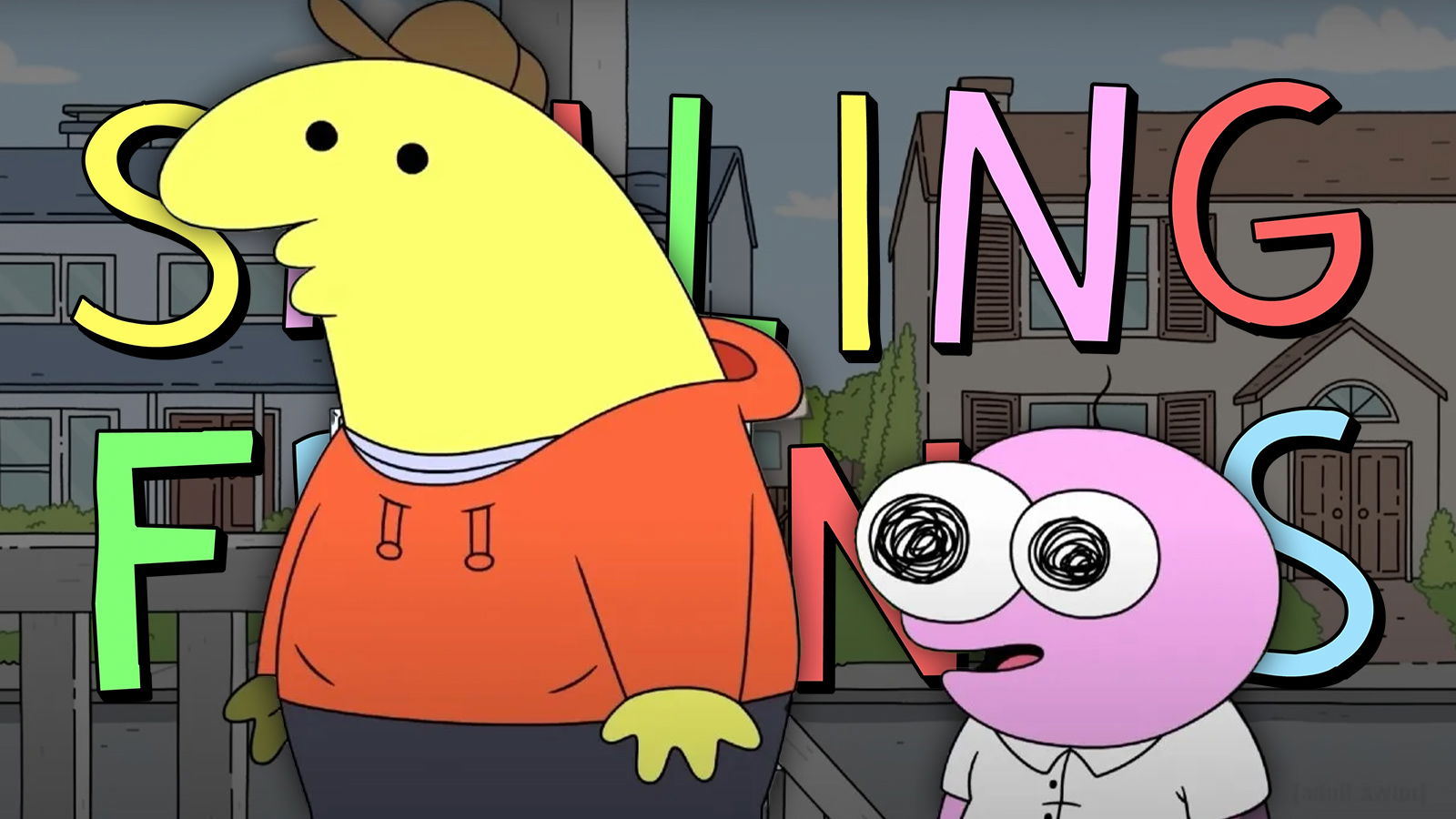
Why Smiling Friends Is Not on Channel 4: Licensing, Distribution, and Regional Broadcasting
Smiling Friends is not available on Channel 4 because the series is a dedicated Adult Swim original production, and its primary distribution rights for the United Kingdom are held by All 4 (now Channel 4’s digital brand) only through s...
Smiling Friends is not available on Channel 4 because the series is a dedicated Adult Swim original production, and its primary distribution rights for the United Kingdom are held by All 4 (now Channel 4’s digital brand) only through specific sub-licensing agreements or are entirely absent due to exclusive arrangements with other streaming platforms. The show’s broadcast home in the UK is primarily managed through Warner Bros. Discovery, which retains tight control over its intellectual property to prioritize its own digital services.
Contents
Understanding the Landscape of Television Licensing
To understand why Smiling Friends—the surrealist animated series created by Zach Hadel and Michael Cusack—is absent from the terrestrial Channel 4 schedule, one must first understand how international television licensing functions. Television networks like Channel 4, the BBC, or ITV do not simply "pick up" shows based on popularity. Instead, they operate within a complex ecosystem of global distribution rights.
When a show is produced by Adult Swim, a brand under the Warner Bros. Discovery umbrella, the parent company carefully evaluates the most profitable route for distribution in every international territory. In the United Kingdom, Warner Bros. Discovery often keeps its content exclusive to its own platforms or sells the rights to specific streaming services that pay a premium for exclusivity. Because Smiling Friends is a flagship adult animation for Adult Swim, the decision to withhold it from free-to-air linear channels like Channel 4 is a strategic move designed to funnel viewers toward the platforms where the network has greater control over ad revenue and user data.
The Role of Adult Swim and Warner Bros. Discovery
The primary driver behind the absence of Smiling Friends on Channel 4 is the corporate structure of its production house. Adult Swim operates as a global entity, but its international presence is facilitated through Warner Bros. Discovery’s extensive catalog. For many years, British viewers accessed Adult Swim content through various channels, including late-night programming blocks on other networks or through digital on-demand services.
However, as the streaming market has matured by 2026, the strategy has shifted toward keeping intellectual property (IP) consolidated. By keeping Smiling Friends off traditional terrestrial channels, the rights holders ensure that the only way to consume the content legally is through their preferred distribution partners. This creates a "walled garden" effect where the exclusivity of the show acts as a catalyst for subscriptions to specific streaming services rather than a licensing fee from a public service broadcaster like Channel 4.
The Difference Between Linear Broadcasting and Streaming Rights
A common point of confusion for viewers is the distinction between a linear channel (the traditional scheduled broadcast) and a streaming platform. Channel 4 is both; it has the terrestrial broadcast channel and the digital platform. However, the costs associated with licensing a show for broadcast are significantly higher and more complex than those for simple streaming rights.
If Channel 4 were to air Smiling Friends, they would need to negotiate a deal that covers:
- Broadcast Rights: The permission to air the episodes on the linear TV channel at specific times.
- Catch-up Rights: The permission to host the episodes on their streaming platform for a set period.
- Regional Exclusivity: The guarantee that no other UK platform is showing the series concurrently.
Given the niche, cult-appeal nature of Smiling Friends, it is possible that the cost-benefit analysis for Channel 4 does not support the high licensing fees demanded by Warner Bros. Discovery for broadcast-grade access.
Comparison of Availability Channels
The following table outlines the general differences in how international shows are distributed in the UK versus how Smiling Friends is currently positioned.
| Distribution Type | Typical Licensing Model | Smiling Friends Status |
|---|---|---|
| Terrestrial Broadcast | Public service or ad-supported | Not Currently Licensed |
| Direct-to-Consumer | Global platform exclusivity | Available (Select Platforms) |
| Syndication | Secondary market sales | Not Applicable |
| Digital Purchase | VOD storefronts (e.g., Apple, Amazon) | Available for Purchase |
Where Viewers Can Access the Content in the UK
Since Smiling Friends is not on Channel 4, fans in the UK are directed toward other legal avenues. As of 2026, the most reliable way to watch the series is through dedicated digital storefronts or subscription services that have secured the rights from the distributor.
When a show is not available on free-to-air television, it is almost always because the "Pay TV" or "Subscription Video on Demand" (SVOD) model offers the production company a higher return on investment. Viewers should check the current listings on major UK digital video stores, as these services often update their catalogs based on rotating licensing windows. It is important to note that availability can change seasonally based on the expiration of regional contracts.
Frequently Asked Questions
Why doesn't Channel 4 pick up popular animated shows like Smiling Friends?
Channel 4’s acquisition team must balance the cost of licensing against expected viewership and advertising revenue. Smiling Friends has a specific, niche aesthetic that may not align with the broader demographic reach required for terrestrial broadcast in the UK, making the high price of exclusive licensing less attractive to them.
Is there any chance of the show coming to Channel 4 in the future?
Licensing deals are not static. While the show is currently held elsewhere, broadcast rights in the UK expire and go up for renewal. It is technically possible for Channel 4 to acquire the rights in the future if the current rights holder decides to shift their distribution strategy to favor wider reach over exclusivity.
Are there legal alternatives for UK residents to watch the show?
Yes. Outside of terrestrial broadcasting, the show is typically available via Video-on-Demand (VOD) services where individual episodes or full seasons can be purchased. These platforms provide a legal, high-quality viewing experience that supports the creators of the show.
Does the lack of Channel 4 availability indicate the show is cancelled?
No. The absence of a show on a specific local network does not indicate a production status change. Smiling Friends continues to be produced and distributed globally by its parent studio, regardless of whether it appears on a specific free-to-air channel in the United Kingdom.
Is the show censored or altered for UK audiences?
Generally, international versions of shows are subject to the standards and practices of their local broadcasters. If a show were to appear on a UK channel like Channel 4, it would need to comply with Ofcom regulations, which might necessitate editing certain segments to fit broadcast standards, though this is a standard industry practice.
Recommendation for Viewers
If you are currently looking to view Smiling Friends in the UK, the most effective approach is to search official digital content aggregators. Since broadcast rights are volatile and subject to multi-year contracts, checking a reliable "where to watch" aggregator site will give you the most accurate, up-to-date information regarding which streaming services currently hold the digital rights. Avoid third-party, unauthorized sites, as these often violate copyright laws and do not provide the high-definition, curated experience intended by the creators. By supporting the authorized platforms, you ensure that the creators are properly compensated, which in turn encourages the production of more content in the future.
Image Gallery