Exploring the Amish Community Near Chattanooga TN: History, Culture, and Local Markets
The prominent Amish community near Chattanooga, Tennessee, is centered primarily in Sequatchie County, just northwest of the city in rural towns like Dunlap. Visitors traveling from Chattanooga can reach this traditional settlement by...
The prominent Amish community near Chattanooga, Tennessee, is centered primarily in Sequatchie County, just northwest of the city in rural towns like Dunlap. Visitors traveling from Chattanooga can reach this traditional settlement by driving roughly 45 minutes up into the Cumberland Plateau, where buggy tracks, hand-crafted goods, and sustainable agrarian traditions shape daily life.
Contents
Unpacking the Geography and Origins of the Sequatchie Valley Settlement
Understanding the settlement near Chattanooga requires examining the geography of the Sequatchie Valley. Unlike the hyper-commercialized Amish communities found in Lancaster County, Pennsylvania, or parts of Ohio, the settlement near Dunlap, Tennessee, maintains a quieter, more traditional footprint. Established decades ago by families seeking fertile valley soil and isolation from modern distractions, the community sits sheltered by the Cumberland Plateau.
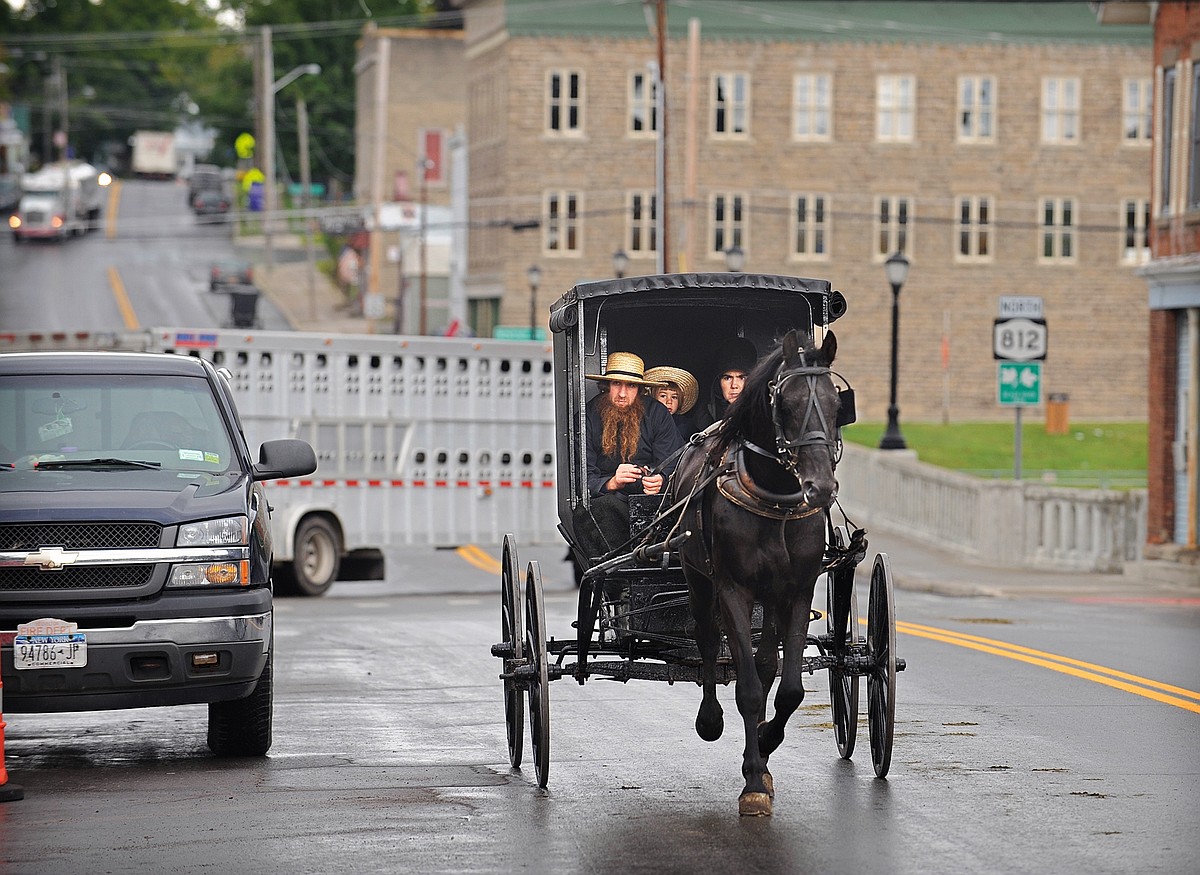
The topography defines much of the daily existence here. The valley floor offers rich agricultural land ideal for dairy farming, produce cultivation, and livestock raising. Meanwhile, the surrounding plateaus provide timber and seclusion. Travelers exploring the area will notice that the community remains distinctly rural. Farmhouses lack visible electric lines, laundry lines flutter with traditional clothing, and horse-drawn buggies share secondary paved and gravel roads with modern vehicular traffic.
Cultural Practices and Traditional Lifestyles of East Tennessee Amish
The daily rhythm of the Amish families in Sequatchie County is governed by Ordnung, a set of unwritten rules and religious guidelines derived from biblical principles. This framework dictates everything from clothing styles to the rejection of certain modern conveniences.
- Attire: Members wear plain, homemade clothing. Men typically wear solid-color shirts with trousers held by suspenders, while women wear modest, solid-colored dresses with capes and aprons, covering their hair with prayer caps or bonnets.
- Technology Limits: Grid electricity is generally not utilized inside homes. Instead, families rely on propane, bottled gas, and natural daylight. Compressed air or hydraulics power machinery in workshops.
- Transportation: Horse-drawn buggies remain the primary mode of local transit for visiting neighbors, running errands, and attending church services held in rotation at members' homes.
- Language: Pennsylvania Dutch (Deitsch) is spoken within the home and community, while High German is used for worship, and English is learned for business interactions with the outside world.
Local Commerce: Where to Find Authentic Amish Goods Near Chattanooga
For visitors from Chattanooga and surrounding regions, the primary point of contact with the Amish community is through their cottage industries, roadside stands, and specialty stores. These enterprises showcase exceptional craftsmanship and agricultural dedication.
| Business Category | Typical Offerings | Purchasing Etiquette |
|---|---|---|
| Roadside Produce Stands | Seasonal vegetables, heirloom tomatoes, berries, melons, pumpkins, and canned preserves. | Cash only; self-serve honor boxes are common. Respect privacy during Sunday rest hours. |
| Woodworking Shops | Custom hardwood furniture (oak, cherry, walnut), rocking chairs, dining tables, and cabinetry. | In-person consultations required; lead times vary based on hand-tool methods. |
| Bakeries and Bulk Foods | Freshly baked sourdough and white bread, cinnamon rolls, pies, cheeses, and baking supplies. | Verify operating days; many are closed on Thursdays and Sundays. |
| Greenhouses & Nurseries | Annual flowers, hanging baskets, vegetable starts, and perennial shrubs. | Peak season operates from early spring through late summer. |
Etiquette and Respectful Tourism Guidelines
Visiting a living, traditional community requires mindfulness. The Amish are generally peaceful and welcoming to respectful outsiders, but they value their privacy and religious boundaries. Blatant photography of individuals violates cultural norms regarding humility and the avoidance of graven images.
- Photography Rules: Never take photographs or videos of community members' faces without direct, explicit permission. Landscape and buggy shots from a respectful distance are generally acceptable if people are not the focus.
- Sunday Observance: Sunday is strictly reserved for worship, family rest, and visiting. Businesses are closed, and tourism or casual shopping should be avoided on this day.
- Respectful Interaction: Engage politely, support local vendors by purchasing goods rather than just observing, and avoid intrusive questioning regarding religious beliefs or personal lifestyle choices.
Comparative Overview: Sequatchie Valley vs. Major Amish Destinations
Travelers familiar with larger, more commercialized settlements often wonder how the Chattanooga-area community compares. The table below outlines key differences.
| Feature | Sequatchie Valley (Dunlap, TN) | Lancaster County, PA | Holmes County, OH |
|---|---|---|---|
| Size & Scale | Small, tight-knit settlement | Large, sprawling, highly populated | One of the largest global settlements |
| Commercialization | Minimal; mostly authentic farm stands | High; commercial tourist hubs and tours | Moderate to high; robust tourist infrastructure |
| Main Economic Driver | Agriculture, dairy, woodworking | Tourism, furniture, retail, farming | Furniture, manufacturing, agriculture |
| Accessibility | Requires driving to rural farm shops | Highway accessible with tour buses | Paved rural routes with directional signage |
Frequently Asked Questions About the Amish Near Chattanooga
Where is the closest Amish community to Chattanooga?
The closest established Amish community is located in Sequatchie County, centered primarily around the town of Dunlap, Tennessee, which is roughly a 45-minute northwest drive from downtown Chattanooga.
Can visitors tour Amish homes or farms in Sequatchie County?
No, residential homes and private farms are strictly private property and are not open to public tours. Visitors are welcome to patronize roadside stands, bakeries, and woodworking shops during regular business hours.
Do Amish businesses accept credit cards or digital payments?
Most traditional Amish businesses operate entirely on a cash or check basis. Visitors should always bring physical cash when shopping at roadside stands or small family workshops.
Are Amish shops open on Sundays?
No, the community observes Sunday as a sacred day of rest and worship. All local Amish-owned businesses, farms, and roadside stands are closed on Sundays.
What is the best time of year to visit local Amish produce stands?
The peak season runs from late spring through early autumn, when local farms harvest fresh vegetables, berries, melons, and flowers. Fall brings an abundance of pumpkins, gourds, and canned goods.
Plan your scenic drive to the Sequatchie Valley thoughtfully, respecting the peaceful lifestyle and traditional values of this unique East Tennessee community while enjoying their exceptional craftsmanship and farm-fresh harvest.
Image Gallery