Jim Parsons and the Definitive Legacy of Sheldon Cooper on The Big Bang Theory
Jim Parsons became a global cultural icon through his portrayal of Dr. Sheldon Cooper on the CBS sitcom The Big Bang Theory. Running for 12 seasons from 2007 to 2019, the series transformed Parsons from a working stage actor into one o...
Jim Parsons became a global cultural icon through his portrayal of Dr. Sheldon Cooper on the CBS sitcom The Big Bang Theory. Running for 12 seasons from 2007 to 2019, the series transformed Parsons from a working stage actor into one of television’s most recognizable performers. His meticulous approach to the character’s idiosyncratic personality, rapid-fire technical dialogue, and complex social vulnerabilities defined the show's success and cemented its status in the landscape of 21st-century broadcast television.
Contents
The Casting and Creation of Sheldon Cooper
When Jim Parsons auditioned for the role of Sheldon Cooper in 2007, the show’s creators, Chuck Lorre and Bill Prady, were looking for someone who could embody a character with extreme intellect and almost total social detachment. Parsons, who had previously appeared in off-Broadway productions and minor film roles, delivered an audition so distinct that Lorre reportedly asked him to do it again just to be sure it wasn't a fluke. Parsons’ ability to handle the dense, scientific jargon inherent to the script while maintaining a deadpan, socially unaware delivery convinced the producers that he was the only choice for the role.
The character of Sheldon Cooper was fundamentally built on the friction between high-level physics and the mundane realities of daily life. Parsons approached the role not as a caricature, but as a person whose internal logic was perfectly consistent, even if it appeared nonsensical to his peers. By grounding the character in physical mannerisms—such as his specific posture, his rhythmic speech patterns, and his intense avoidance of physical contact—Parsons created a template for "the genius outsider" that anchored the ensemble cast for over a decade.
Mastery of Technical Dialogue
A signature element of Jim Parsons’ performance on The Big Bang Theory was his delivery of complex scientific concepts. Sheldon Cooper frequently lectured his friends on string theory, quantum mechanics, and cosmology. For the audience, these segments often served as both the comedic peak and the intellectual hook of the show.
Parsons utilized a specific technique to make this jargon accessible: he treated scientific formulas and theories with the same emotional weight as a personal conversation. By refusing to "dumb down" the language, he maintained the character’s integrity. He worked closely with the show’s resident science consultant, David Saltzberg, to ensure that the pronunciations were accurate. This commitment to detail ensured that while the audience might not always understand the physics, they understood exactly how passionate—or pedantic—Sheldon was about the subject matter.
Professional Impact and Accolades
The impact of Jim Parsons’ performance is best quantified by his unprecedented success during the show’s run. Between 2010 and 2014, Parsons won four Primetime Emmy Awards for Outstanding Lead Actor in a Comedy Series, tying the record for the most wins in that category. He also secured a Golden Globe Award in 2011.
Beyond the awards, Parsons’ salary negotiations became a focal point of industry discourse regarding the economics of broadcast television. By the final seasons, he and his original co-stars were earning $1 million per episode. This trajectory reflected the sheer dominance of The Big Bang Theory in the ratings; for several years, it stood as the most-watched scripted series on television, proving that a show centered on "nerd culture" could achieve massive, mainstream crossover appeal.
Comparative Dynamics within the Ensemble
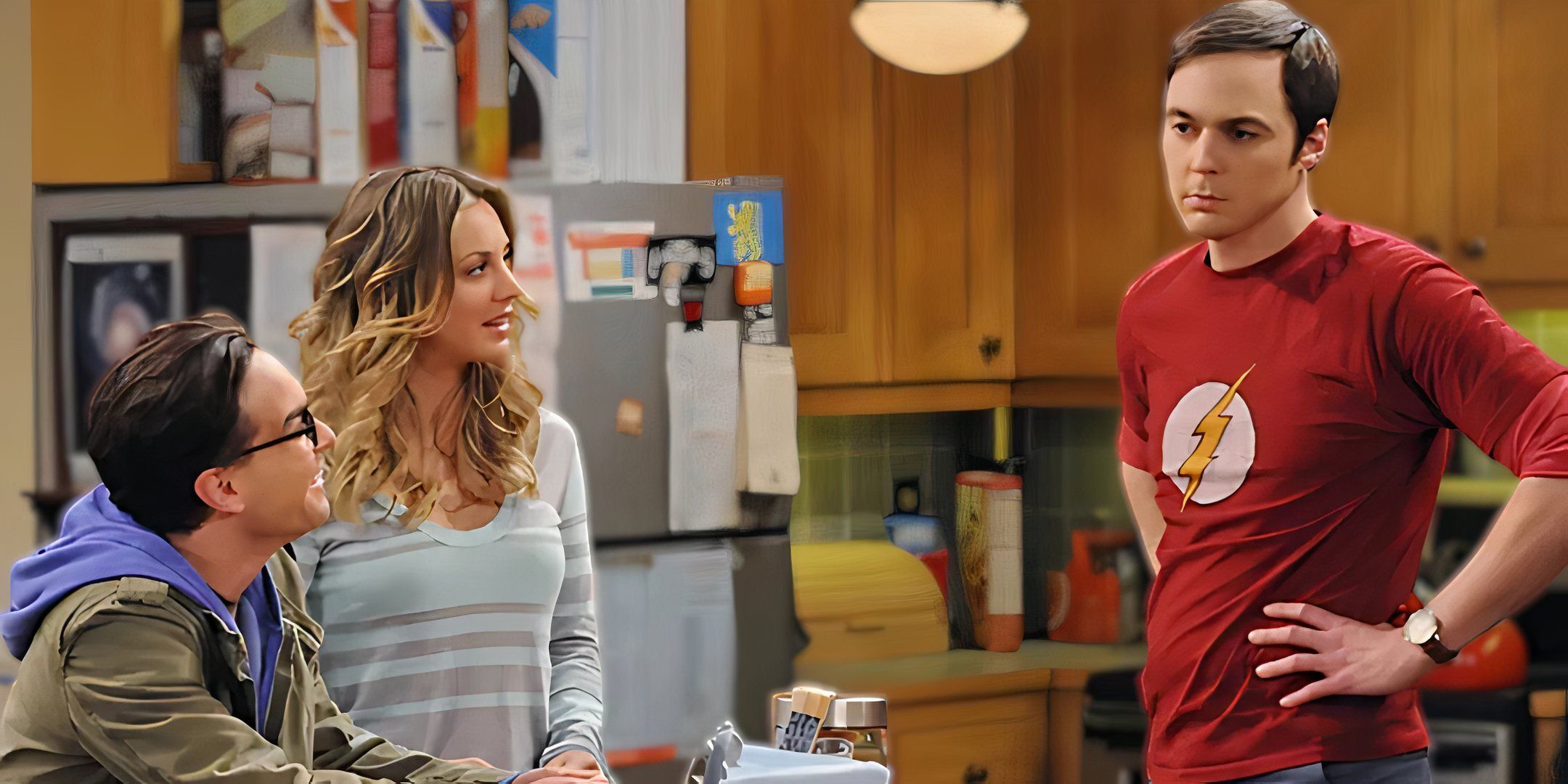
While Sheldon Cooper was the focal point, the success of the performance relied heavily on the chemistry Parsons developed with his castmates. His dynamic with Johnny Galecki (Leonard Hofstadter) served as the show’s central "odd couple" relationship, mirroring the classic comedic pairings of television history.
| Relationship Dynamic | Character Interaction | Impact on Narrative |
|---|---|---|
| Sheldon & Leonard | Roommates with conflicting social needs | Provided the show's primary conflict and heart |
| Sheldon & Penny | The clash of pop culture vs. intellectualism | Humanized Sheldon through frustration |
| Sheldon & Amy | Evolution from logical partnership to romance | Allowed for the character’s emotional growth |
| Sheldon & Raj/Howard | Scientific peers with diverse interests | Expanded the scope of the group's "nerd" pursuits |
These relationships provided the necessary counter-balance to Sheldon’s rigid personality. Parsons was instrumental in allowing the character to evolve over 279 episodes, moving from a static, inflexible individual to someone capable of long-term romantic commitment and emotional maturity, culminating in his shared Nobel Prize win in the series finale.
The Decision to Conclude the Series
In 2018, it was announced that The Big Bang Theory would conclude after its 12th season. The decision was primarily driven by Jim Parsons’ desire to move on to other creative challenges. At the time, there was widespread speculation about the show’s future if he had chosen to stay, but Parsons was firm in his belief that the character had completed his narrative arc.
For fans and the industry, this served as a rare example of a successful series ending while still at the top of its game. Rather than forcing a continuation that might have diluted the character’s legacy, Parsons’ exit signaled a definitive end to an era of sitcom television.
Life After Sheldon: Transitioning Careers
Since the conclusion of the series, Jim Parsons has strategically curated a career that avoids being typecast by his most famous role. He has leaned heavily into dramatic stage work and executive production, most notably working on the prequel series Young Sheldon. In Young Sheldon, Parsons serves as the narrator, providing the adult voice of the character. This allows him to remain tethered to the franchise that made him a household name while pursuing independent projects like the film adaptations of The Boys in the Band and various theatrical roles.
Frequently Asked Questions
Did Jim Parsons actually understand the science he spoke about on the show? While Parsons developed a functional familiarity with the concepts through repetition and coaching, he has frequently stated in interviews that he does not have a background in physics. His performance was an exercise in acting and phonetic mastery rather than scientific comprehension.
Why was Sheldon Cooper considered a difficult character to play? The character was written with a high degree of rigid, logical structure that could easily become unlikable or one-dimensional. Parsons had to constantly balance Sheldon’s abrasive pedantry with enough vulnerability and consistency to keep the audience invested in his personal growth over twelve years.
Was Jim Parsons the highest-paid actor on The Big Bang Theory? Yes, for several years, Jim Parsons, along with his core co-stars, negotiated salary parity, reaching a peak of $1 million per episode. His role as the central anchor of the show was a key factor in these negotiations.
How did the show’s writers handle Sheldon’s character development? The writers used long-form arcs, such as his relationship with Amy Farrah Fowler, to slowly introduce domestic and romantic elements into his life. This ensured the change felt earned rather than sudden, allowing Parsons to subtly shift the character’s emotional tone across the seasons.
Is there any chance of a reunion for the cast? As of 2026, there have been no confirmed plans for a revival. Most of the principal cast, including Parsons, have moved on to diverse projects. Parsons has indicated in public statements that while he is fond of the time spent on the show, the story of Sheldon Cooper was fully told in the series finale.
Recommendation for Viewers
To fully appreciate Jim Parsons' performance, look for the subtle differences in his physicality between the pilot episode and the later seasons. In the early episodes, his movements are more restrained and stiff. By the final season, his portrayal includes a nuanced range of gestures that reflect his character’s growth and comfort with his friends. Watching the progression from the first season to the twelfth offers a masterclass in character maintenance and development within the constraints of a traditional multi-camera sitcom.
Image Gallery