Understanding Hallmark Home Health Care Services: A Comprehensive Guide to In-Home Clinical Support
Hallmark home health care services provide specialized medical treatment and rehabilitative support directly in a patient’s residence. These services are designed to bridge the gap between hospital discharge and full recovery, offering...
Hallmark home health care services provide specialized medical treatment and rehabilitative support directly in a patient’s residence. These services are designed to bridge the gap between hospital discharge and full recovery, offering skilled nursing, physical therapy, and social support to help patients regain independence while managing chronic conditions or recovering from acute illness.
Contents
Navigating the complexities of home-based medical care requires a clear understanding of what services are available, who qualifies, and how the clinical process integrates with insurance providers like Medicare. Whether you are a caregiver looking for support or a patient preparing for a transition from a hospital setting, this guide details the operational standards and clinical offerings of Hallmark home health care services as they stand in 2026.
The Scope of Hallmark Home Health Care Services
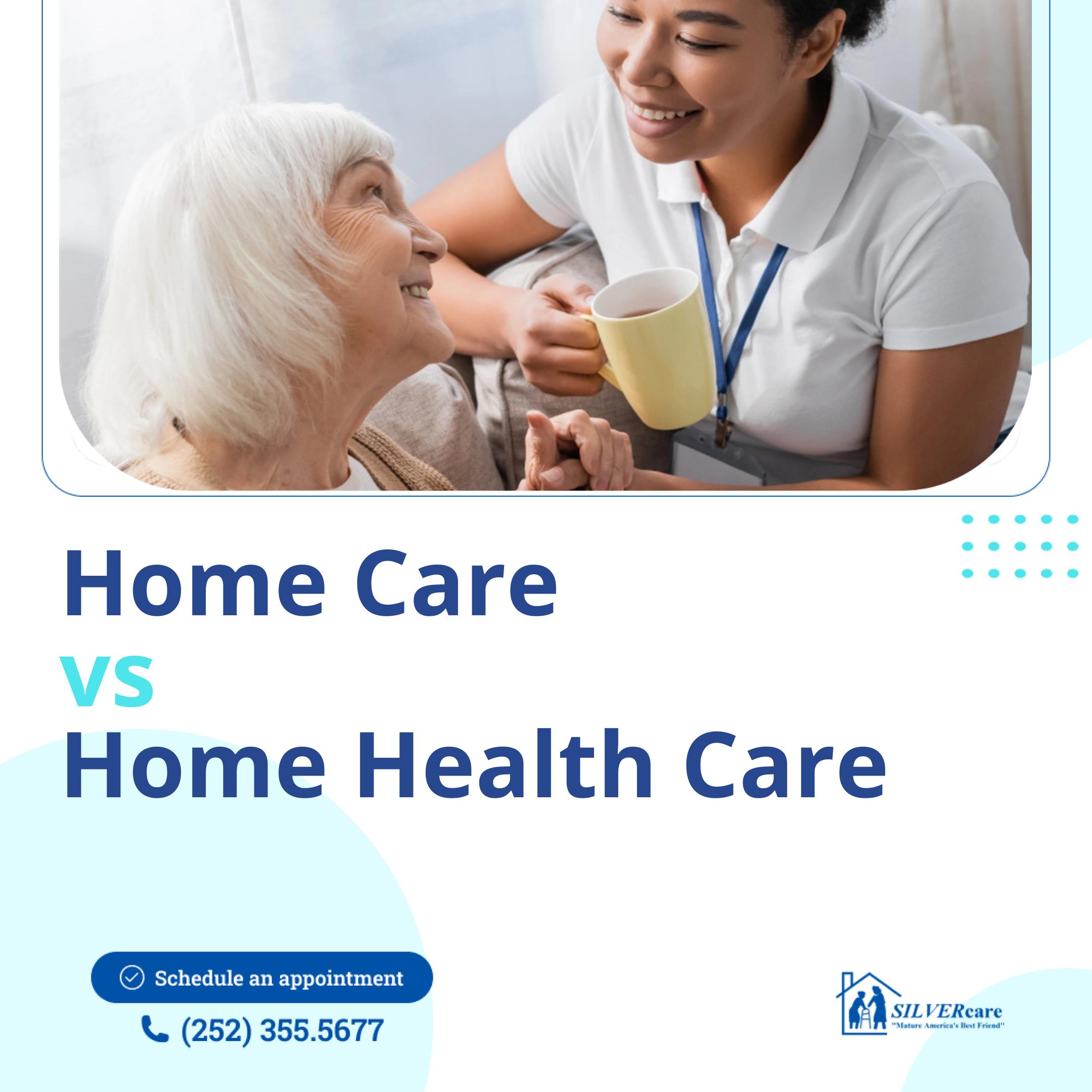
Hallmark home health care—frequently identified within the Tufts Medicine ecosystem as part of the "Care at Home" network—operates on a clinical model that prioritizes hospital-level quality within the home environment. Unlike "home care," which often refers to non-medical personal assistance (like meal prep or cleaning), "home health care" is strictly medical and requires a physician’s order.
The primary objective of these services is to treat an illness or injury. By bringing the clinic to the living room, Hallmark aims to reduce hospital readmission rates, which remains a critical metric for healthcare quality in 2026.
Skilled Nursing Care
Skilled nursing is the backbone of the home health model. Registered Nurses (RNs) and Licensed Practical Nurses (LPNs) provide high-level clinical interventions that cannot be safely performed by laypeople. This includes:
- Complex Wound Care: Utilizing advanced dressings and negative pressure wound therapy (NPWT) to manage surgical sites or chronic ulcers.
- Intravenous (IV) Therapy: Administering antibiotics, hydration, or specialized medications through PICC lines or ports.
- Chronic Disease Management: Educating patients on managing conditions such as Congestive Heart Failure (CHF), Diabetes, or Chronic Obstructive Pulmonary Disease (COPD). This includes monitoring vital signs and adjusting medication protocols in consultation with a physician.
- Medication Reconciliation: Ensuring that the patient’s home medications align with new prescriptions issued upon hospital discharge to prevent dangerous drug interactions.
Rehabilitative Therapy Services
Hallmark integrates a multi-disciplinary approach to physical and cognitive recovery. In 2026, these services often utilize wearable technology to track progress between therapist visits.
- Physical Therapy (PT): Focuses on restoring mobility, improving balance, and strengthening muscles. Therapists develop personalized exercise programs to prevent falls—a leading cause of re-hospitalization among the elderly.
- Occupational Therapy (OT): Helps patients adapt to their environment to perform activities of daily living (ADLs). This might involve teaching a patient how to use assistive devices or modifying the home layout for safety.
- Speech-Language Pathology (SLP): Essential for patients recovering from a stroke or those with neurological disorders. SLPs address swallowing difficulties (dysphagia) and cognitive-communication impairments.
Medical Social Work and Support
Home health care is not purely physiological. Medical Social Workers (MSWs) assist families in navigating the emotional and financial burdens of illness. They provide counseling, identify community resources, and assist with long-term planning, such as transitioning to assisted living or arranging for hospice if the goals of care change.
Eligibility and the "Homebound" Requirement
To receive Hallmark home health care services under Medicare or most private insurance plans in 2026, specific eligibility criteria must be met. These rules are established by the Centers for Medicare & Medicaid Services (CMS) and are strictly enforced.
The Physician’s Order
Home health care cannot be self-requested. A physician must certify that the patient needs skilled nursing care on an intermittent basis or physical, speech, or occupational therapy. The physician must also be involved in creating and periodically reviewing the Plan of Care (POC).
The Homebound Status
One of the most misunderstood aspects of home health is the "homebound" requirement. To be considered homebound:
- The patient must need the aid of supportive devices (crutches, canes, wheelchairs), special transportation, or the assistance of another person to leave their place of residence.
- Leaving the home must require a "considerable and taxing effort."
Patients are still permitted to leave the home for infrequent or short durations, such as attending religious services, medical appointments, or unique family events (like a graduation). However, if a patient is frequently seen shopping or attending social outings, they may lose their eligibility for the home health benefit.
The Patient Journey: From Referral to Discharge
Understanding the timeline of services helps manage expectations for both the patient and their family.
1. Referral and Intake
The process usually begins in the hospital or a doctor’s office. Once a referral is sent to Hallmark, an intake coordinator reviews the medical necessity and verifies insurance coverage. In 2026, much of this data is transferred via integrated electronic health records (EHR) to ensure no lapse in care.
2. The Initial Assessment
Within 48 hours of the referral (or the patient’s return home), a clinician (usually an RN or Physical Therapist) conducts an opening visit. This is a comprehensive evaluation of the patient’s physical state, home safety, and medication list.
3. Implementing the Plan of Care
Based on the assessment, the clinical team establishes a schedule. A typical plan might involve nursing visits twice a week and physical therapy three times a week. These visits are "intermittent," meaning they last for a specific duration (usually 45–60 minutes) and are not meant to provide 24/7 bedside care.
4. Progress Monitoring and Recertification
Home health "episodes" are typically measured in 60-day periods. At the end of the first 60 days, the physician and the home health team determine if the patient has met their goals or if they require a recertification for another period of care.
| Service Type | Primary Goal | Provided By | Typical Frequency |
|---|---|---|---|
| Skilled Nursing | Medical stability & education | RN or LPN | 1-3 times per week |
| Physical Therapy | Mobility & fall prevention | Licensed PT | 2-3 times per week |
| Occupational Therapy | Independence in ADLs | Licensed OT | 1-2 times per week |
| Medical Social Work | Resource coordination | MSW | As needed |
| Home Health Aide | Personal care assistance | CNA/HHA | Supplement to skilled care |
Costs, Insurance, and 2026 Medicare Updates
For the majority of seniors, Hallmark home health services are covered under Medicare Part A. When the criteria are met, Medicare pays 100% of the cost for covered home health services.
Medicare and Private Insurance
- Medicare Part A/B: There is generally $0 out-of-pocket cost for the services themselves. However, there may be a 20% coinsurance for Durable Medical Equipment (DME) like wheelchairs or oxygen concentrators used during the care period.
- Medicare Advantage: In 2026, many Medicare Advantage plans have specific preferred provider networks. Patients should verify that Hallmark or Tufts Medicine is an "in-network" provider to avoid unexpected costs.
- Private Insurance: Commercial plans often have "case management" requirements where the home health agency must provide regular updates to the insurer to justify continued payment.
Note: Hallmark home health care does not cover 24-hour-a-day care at home, meal delivery (like Meals on Wheels), or "custodial care" (bathing, dressing) when that is the only care needed.
Technology in Home Health: The 2026 Landscape
Hallmark home health services have evolved to include Remote Patient Monitoring (RPM). In 2026, patients with chronic conditions like heart failure may be provided with Bluetooth-enabled scales and blood pressure cuffs. These devices transmit data directly to the Hallmark clinical team.
If a patient’s weight increases suddenly—a sign of fluid retention—an alert is triggered, allowing a nurse to intervene via a telehealth visit or a home call before the situation becomes an emergency. This proactive approach is a cornerstone of "Hospital at Home" initiatives, which aim to provide higher-acuity care in the domestic setting.
Selecting a Home Health Provider: Why Hallmark?
When choosing a provider, quality metrics are the most reliable indicators of performance. Patients and families should consult the Medicare Care Compare tool to view star ratings.
Hallmark’s affiliation with larger health systems like Tufts Medicine often provides a more seamless transition for patients treated at member hospitals. The primary advantages include:
- Shared Electronic Records: Your home health nurse sees exactly what your hospital doctor saw.
- Specialized Protocols: Access to specific rehab protocols for joint replacements or cardiac recovery developed by system-wide specialists.
- Accreditation: Ensuring the agency is accredited by organizations such as The Joint Commission, which signals a commitment to the highest safety standards.
Common Obstacles and Troubleshooting
Despite the benefits, challenges can arise during the course of home health care.
- Scheduling Conflicts: Because nurses and therapists travel between many homes, exact arrival times can be difficult to guarantee. Most agencies provide a "window" of time.
- Staffing Shortages: The healthcare industry continues to face nursing shortages in 2026. This may occasionally lead to a delay in the start of care or a change in the assigned clinician.
- Discharge Anxiety: Patients may feel they are being "cut off" when Medicare goals are met. It is important to remember that home health is a restorative service; once the patient is stable and no longer requires "skilled" intervention, the benefit ends.
Frequently Asked Questions
Does Hallmark provide 24/7 nursing at home? No. Hallmark home health provides intermittent visits. If a patient requires around-the-clock care, they likely need a private-duty nursing agency or a higher level of care like a skilled nursing facility (SNF). Home health visits usually last about an hour.
Is Hallmark home health the same as hospice? No. While Hallmark may offer both, they are distinct services. Home health is "curative" or "restorative," aimed at helping a patient get better. Hospice is "palliative," focusing on comfort and quality of life for those with a terminal illness and a life expectancy of six months or less.
Can I choose Hallmark if I was treated at a different hospital? Yes. Under federal law, patients have the right to choose their home health provider. Even if you were treated at a hospital outside the Tufts Medicine network, you can request that your referral be sent to Hallmark, provided they serve your geographic area and accept your insurance.
Who pays for the medical supplies used during visits? When a patient is under an active home health plan of care, the agency is responsible for providing the routine medical supplies necessary for your treatment, such as bandages, catheters, and syringes. These costs are bundled into the payment the agency receives from Medicare or insurance.
What happens if my condition worsens over the weekend? Hallmark typically maintains an "on-call" nursing service available 24/7 by telephone. While they may not be able to send a nurse to your home immediately at 2:00 AM, a clinician can provide guidance, contact your physician, or advise you if an ER visit is necessary.
Practical Recommendation: If you or a loved one are expecting a surgical procedure or are managing a new diagnosis, ask your physician for a "Home Health Consultation" before discharge. Early coordination ensures that the necessary medical equipment and nursing staff are ready the moment you arrive home, preventing common recovery setbacks.
Disclaimer: This information is for educational purposes and does not constitute medical or legal advice. Coverage and eligibility are subject to change based on 2026 CMS regulations and individual insurance policy terms. Always consult with a licensed healthcare professional for clinical decisions.
Image Gallery