Optimizing Your Taurus G3C: A Comprehensive Guide to 2026 Accessories
The Taurus G3C is a highly versatile striker-fired 9mm handgun that benefits significantly from targeted upgrades in ergonomics, sighting, and defensive reliability. To maximize your G3C for 2026, focus on high-quality iron sights, pre...
The Taurus G3C is a highly versatile striker-fired 9mm handgun that benefits significantly from targeted upgrades in ergonomics, sighting, and defensive reliability. To maximize your G3C for 2026, focus on high-quality iron sights, precision-machined trigger shoes, and reliable carry holsters that balance retention security with ease of draw, ensuring your equipment meets your specific training or defensive requirements.
Contents
Understanding the Taurus G3C Platform for Customization
The Taurus G3C remains a popular choice for concealed carry due to its compact frame, 12-round capacity, and cost-effective design. As of 2026, the aftermarket support for this platform has matured, allowing users to address specific performance limitations out of the box. Before purchasing accessories, it is vital to understand that the G3C shares many dimensional commonalities with the G3 series, but specific components—particularly sights and trigger geometry—require parts engineered specifically for the G3C's slide and frame architecture.
Customizing your G3C should prioritize reliability above all else. Because this platform is often utilized as a primary carry tool, any modification must be vetted through at least 200–500 rounds of ammunition to ensure that internal changes do not cause light primer strikes, failures to extract, or interference with the safety mechanisms.
Essential Sight Upgrades for Enhanced Target Acquisition
The stock polymer sights on the Taurus G3C are functional but often lack the durability and visibility required for low-light defensive scenarios. Upgrading to steel sights is the most impactful technical improvement an owner can make.
- Night Sights: These utilize tritium vials that provide a self-illuminating glow, essential for target identification in near-total darkness. Ensure the sight height matches the G3C’s factory POI (Point of Impact) to avoid recalibration issues.
- Fiber Optic Sights: These gather ambient light, creating a high-contrast dot that is superior for daytime training.
- Sight Installation Requirements: The G3C utilizes a Glock-style dovetail cut for the front sight. When selecting aftermarket options, look for "Taurus G3/G3C/G2C" compatibility to ensure the correct dovetail dimensions. Always use a proper sight pusher tool to avoid marring the slide finish or cracking the sight body.
Improving the Trigger Interface
The factory G3C trigger features a bladed safety mechanism and a distinct take-up. While functional, many users seek a flatter-faced trigger shoe to provide a more consistent finger placement and a perceived reduction in pull weight.
When replacing the trigger shoe:
- Verify the component does not interfere with the internal drop safety.
- Ensure the trigger bar engagement remains crisp.
- Test for "dead triggers" or reset failures by dry-firing in a safe, controlled environment multiple times after installation.
Most performance trigger kits for the G3C reduce the travel distance, allowing for faster follow-up shots. However, avoid "competition-only" trigger springs that reduce pull weight below the safety threshold required for reliable defensive carry.
Selecting the Right Carry Holster Systems
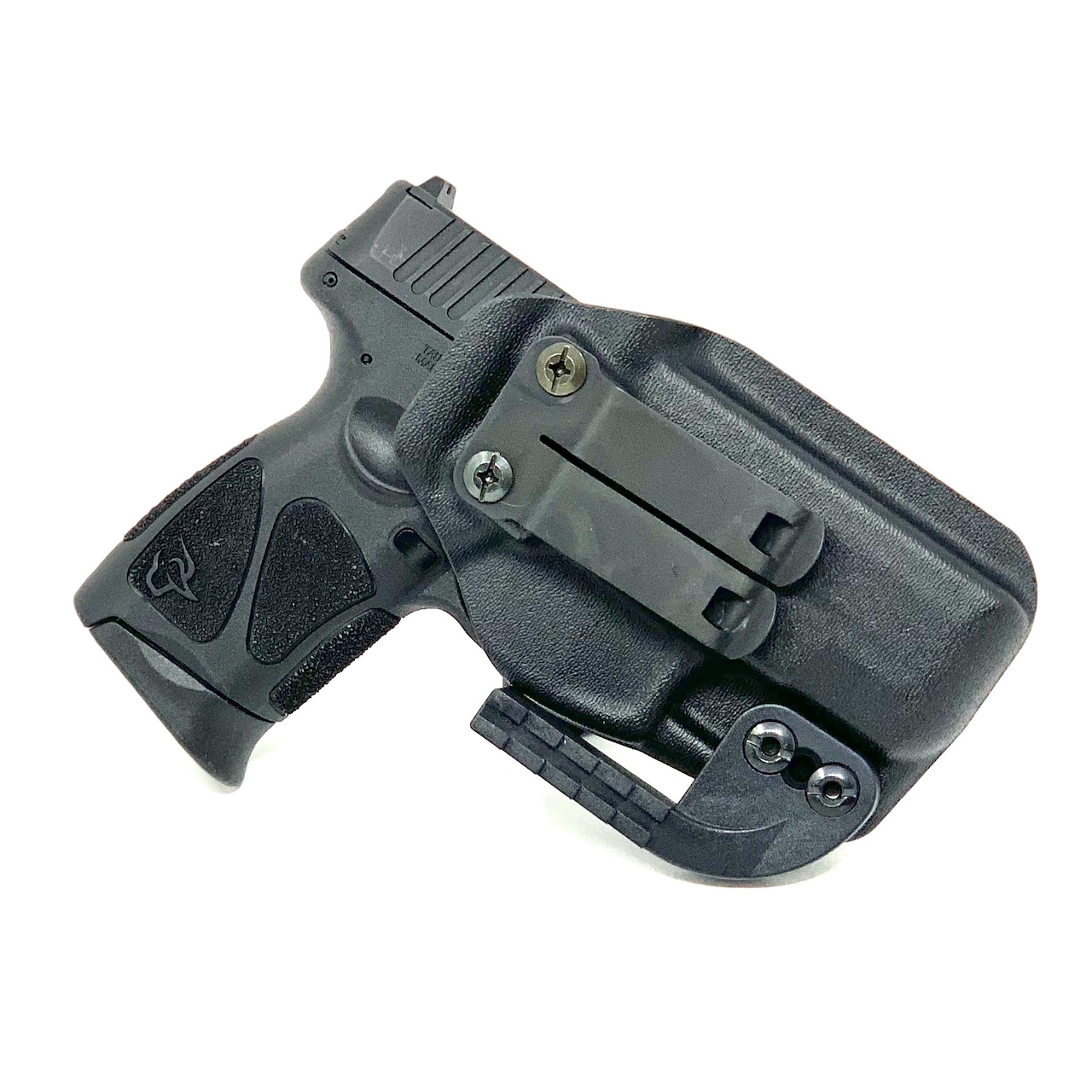
In 2026, holster technology has transitioned toward high-density Kydex with adjustable retention and claw/wing attachments that minimize printing. For the G3C, the holster must be molded specifically for the compact frame.
Key Considerations for Holster Selection
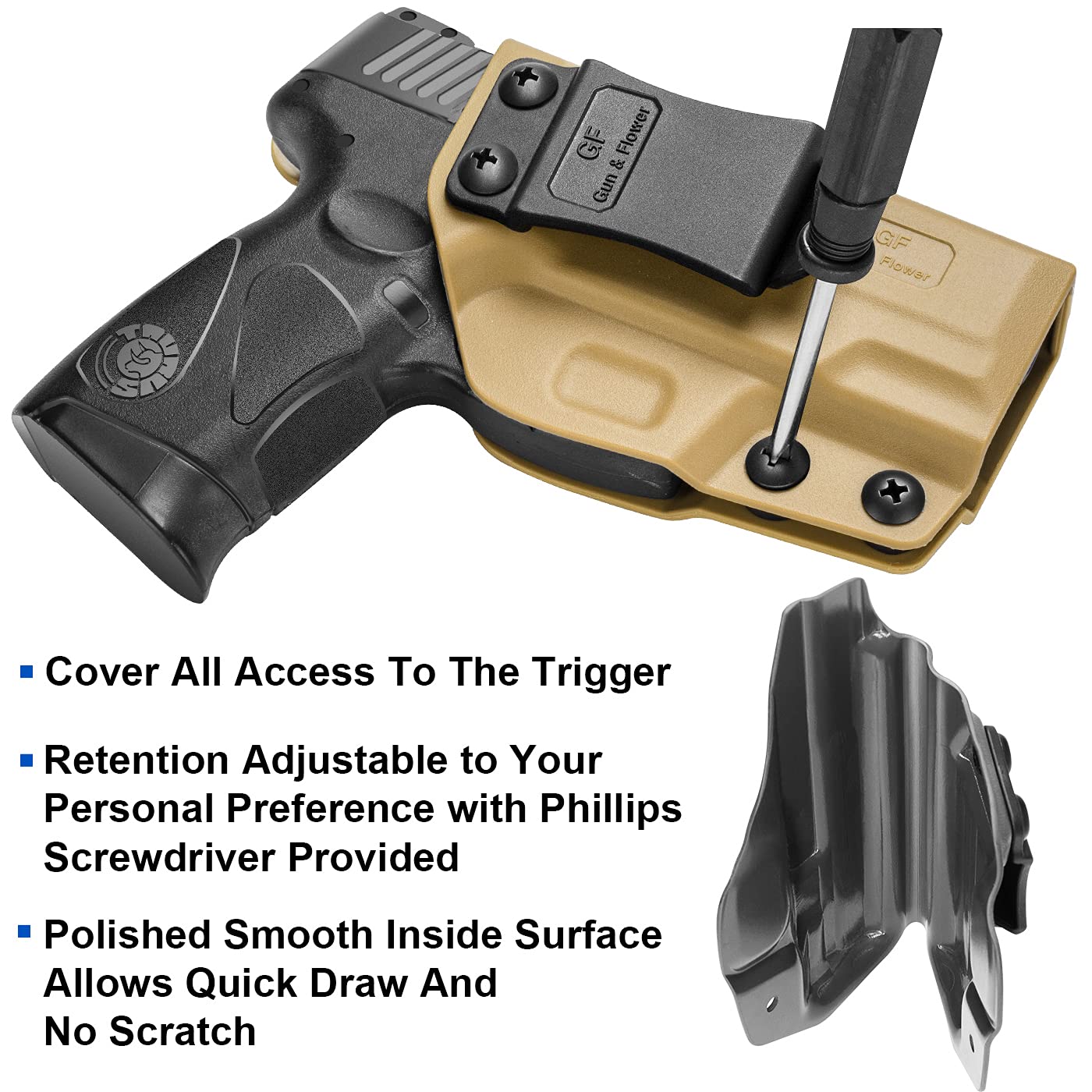
Retention Security: Ensure the holster has an adjustable retention screw to lock the firearm in place, preventing unauthorized access or accidental movement.
Trigger Guard Coverage: A high-quality holster must fully enclose the trigger guard, leaving zero space for foreign objects to contact the trigger blade while the firearm is holstered.
Carry Position Versatility: Many users prefer Appendix Inside the Waistband (AIWB) carry. Look for holsters that feature a wedge or a wing to cant the grip closer to the body, effectively hiding the profile of the G3C under light clothing.
Comparison of Popular G3C Accessory Categories
The following table summarizes common upgrades and their primary benefits to assist in prioritizing your budget and technical focus.
| Accessory Category | Performance Benefit | Installation Difficulty | Priority Level |
|---|---|---|---|
| Steel Night Sights | Improved low-light accuracy | Moderate (Requires tool) | High |
| Performance Trigger | Better ergonomics/feel | High (Requires disassembly) | Moderate |
| Kydex Holster | Secure carry/concealment | None (Ready to use) | Critical |
| Extended Magazine | Higher capacity/grip area | None | Moderate |
| Grip Sleeve/Tape | Improved texture/control | Low | Low |
Maintenance and Reliability Guidelines
Adding accessories is only half of the equation; maintaining the firearm is the other. In 2026, standard maintenance protocols for the G3C involve routine cleaning of the striker channel. Excess oil in the striker channel can accumulate carbon and debris, potentially leading to light primer strikes.
- Striker Channel Care: During every deep clean, dry out the striker channel. Never lubricate this specific area.
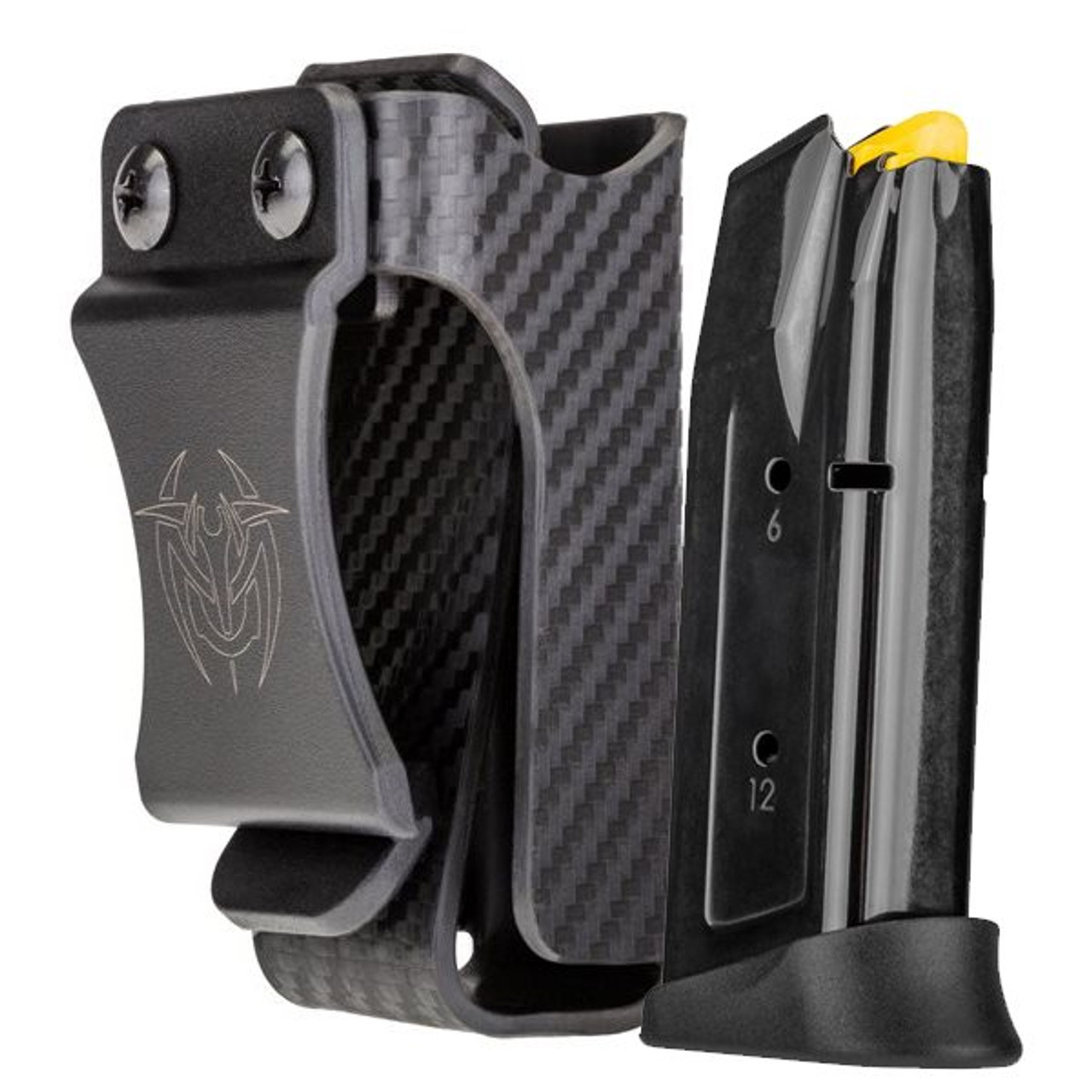
- Magazine Maintenance: If you use extended baseplates or higher-capacity magazines, ensure the springs are inspected for tension every 1,000 rounds.
- Fastener Security: Accessories like weapon-mounted lights or sight screws can vibrate loose over time. Use a small amount of low-strength (blue) threadlocker on small screws to ensure they remain seated through extensive range sessions.
Frequently Asked Questions
Are G2C accessories compatible with the G3C?
Many accessories, such as iron sights and most holsters, are cross-compatible between the G2C and the G3C. However, internal components like triggers and springs may have subtle geometry changes, so always verify specific part numbers for the G3C before purchase.
Can I mount a red dot sight to my Taurus G3C?
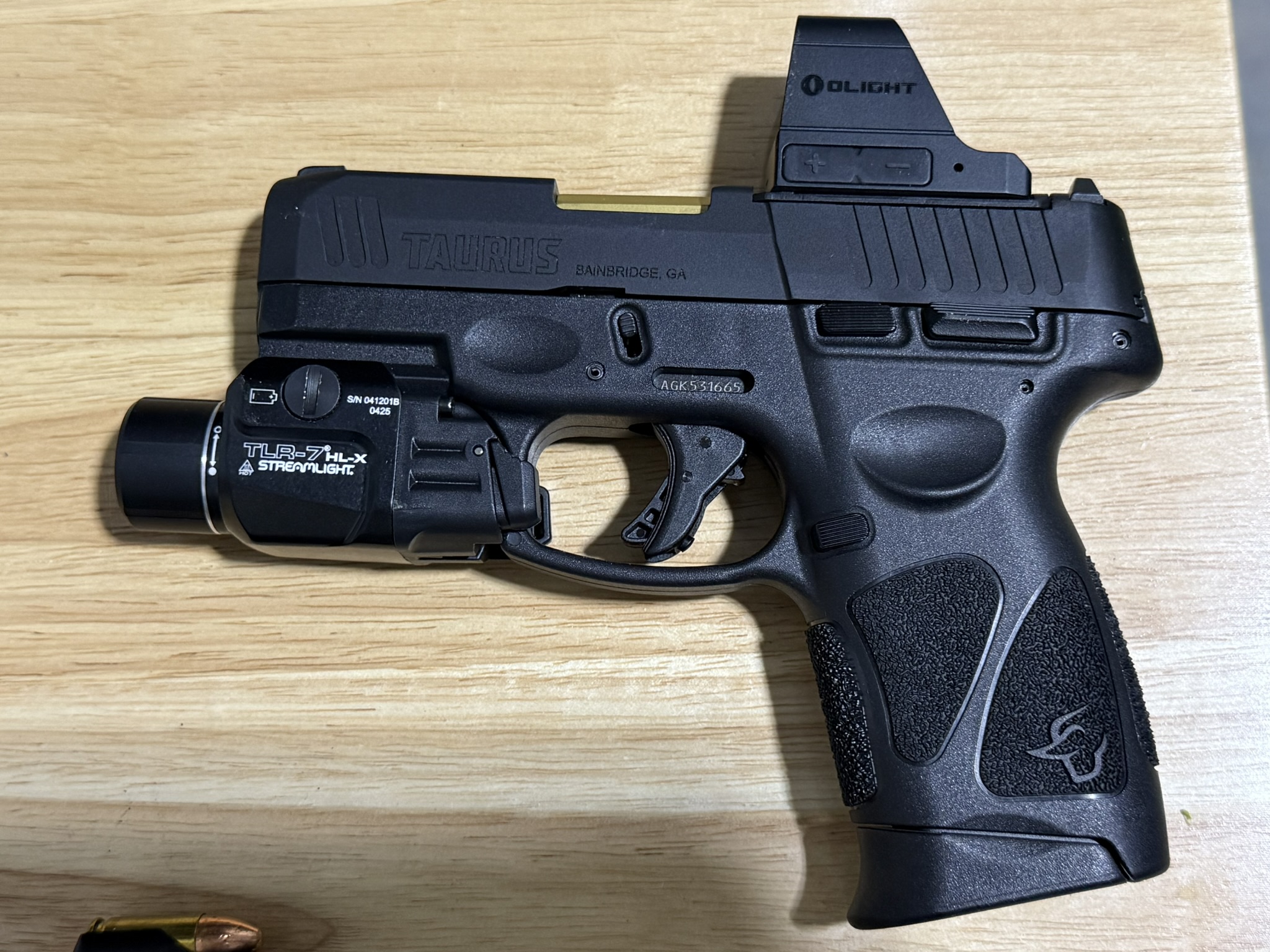
Most standard G3C models are not optics-ready. You would need to purchase an aftermarket optics-ready slide or utilize a dovetail-mounted red dot plate. Dovetail plates are generally less stable than direct-milled slides and may require frequent zero checks.
What is the best weight for defensive ammunition in the G3C?
The G3C is optimized for standard 9mm Luger pressures. Most users find that 124-grain jacketed hollow points provide the best balance of expansion and manageable recoil in the compact barrel length of the G3C.
How often should I replace my recoil spring assembly?
Taurus recommends inspecting the recoil spring assembly periodically. In 2026, industry standard for a compact firearm like the G3C suggests replacing the recoil spring every 2,500 to 3,000 rounds to maintain consistent slide velocity and feeding reliability.
Will aftermarket magazines cause feeding issues?
Always prioritize OEM Taurus factory magazines for defensive carry. While some aftermarket extended magazines are available, they often lack the high-tolerance feed-lip geometry found in official Taurus production, which can lead to failures to feed.
Expert Recommendations for Defensive Setup
To optimize your Taurus G3C for 2026, start with the fundamentals. First, secure a high-quality, custom-molded Kydex holster. This is your primary safety interface. Second, replace the stock sights with tritium-based steel night sights to ensure visibility in all lighting conditions. Finally, focus on professional training and consistent range practice rather than excessive internal modifications. A reliable, stock firearm with quality sights and a solid holster is vastly superior to a heavily modified firearm that has not been vetted for defensive reliability.
Image Gallery