Understanding Why Diddy at the VMAs Matters: Cultural Influence and Industry Legacy
Sean "Diddy" Combs has long been a fixture at the MTV Video Music Awards (VMAs), serving as a bridge between the evolution of hip-hop as a subculture and its transformation into a global commercial juggernaut. His presence at the cerem...
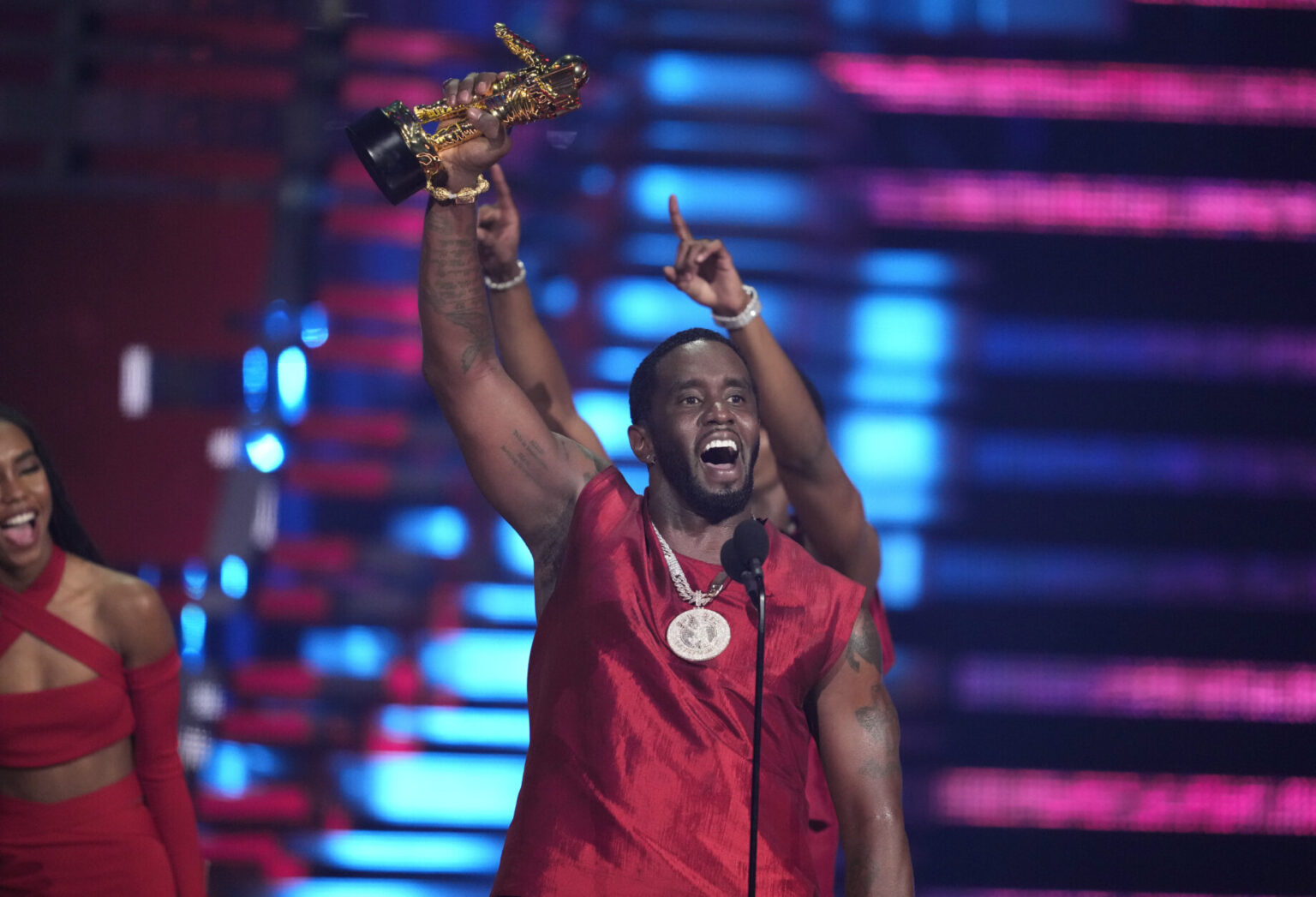
Sean "Diddy" Combs has long been a fixture at the MTV Video Music Awards (VMAs), serving as a bridge between the evolution of hip-hop as a subculture and its transformation into a global commercial juggernaut. His presence at the ceremony represents more than just celebrity attendance; it marks the intersection of music production, branding, televised spectacle, and the institutionalization of hip-hop within mainstream media. Analyzing his role requires looking at how his career trajectory has mirrored the growth of the VMAs themselves.
Contents
The Evolution of the VMAs as a Cultural Mirror
The MTV Video Music Awards, established in 1984, were originally designed to celebrate the medium of the music video. However, they quickly evolved into a barometer for cultural relevance and industry power dynamics. During the late 1990s and early 2000s, as hip-hop transitioned from a marginalized genre to the dominant force in pop culture, the VMAs became the primary stage where this transition was performed, validated, and broadcast to millions.
Diddy’s involvement during this era was seminal. He understood that the VMAs were not just an award show but a marketing platform where an artist’s public image, fashion, and musical persona could be solidified. His attendance and frequent performances helped shift the focus of the ceremony from traditional pop to the high-stakes, high-budget world of urban music. By leveraging the VMAs to showcase his label, Bad Boy Records, Diddy effectively set the standard for how rappers should occupy space in corporate-run award environments.
Diddy’s Strategic Use of the MTV Platform
Diddy’s history at the VMAs is defined by his transition from music producer to a multifaceted media mogul. His appearances were rarely passive; they were highly produced moments that signaled new project launches, roster updates for his label, or shifts in his personal brand.
Key Factors in His VMA Presence
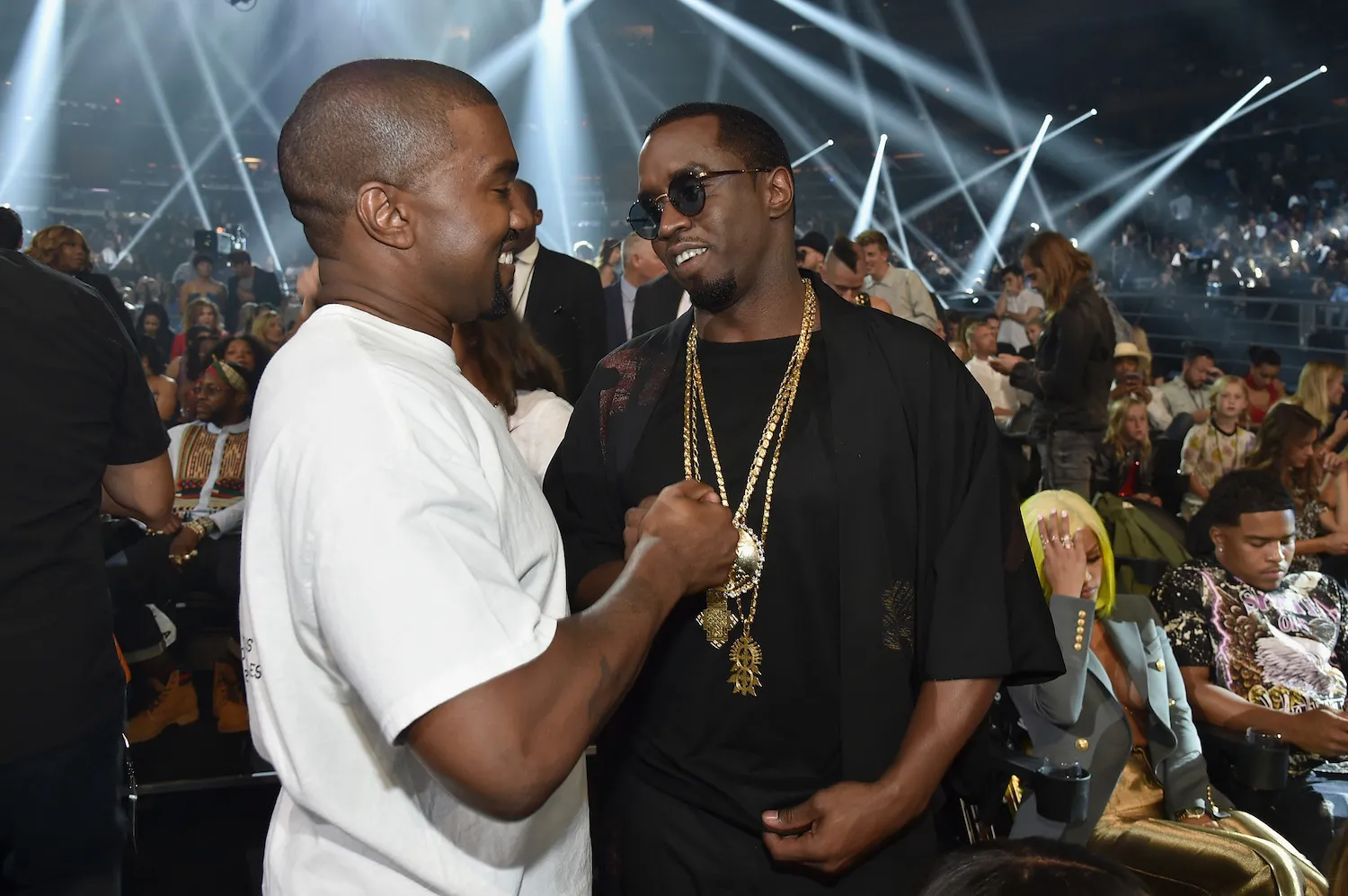
- Industry Networking: The VMAs provided a concentrated environment where record label executives, directors, artists, and advertisers converged. Diddy utilized this as a hub to solidify partnerships and demonstrate his influence as an industry gatekeeper.
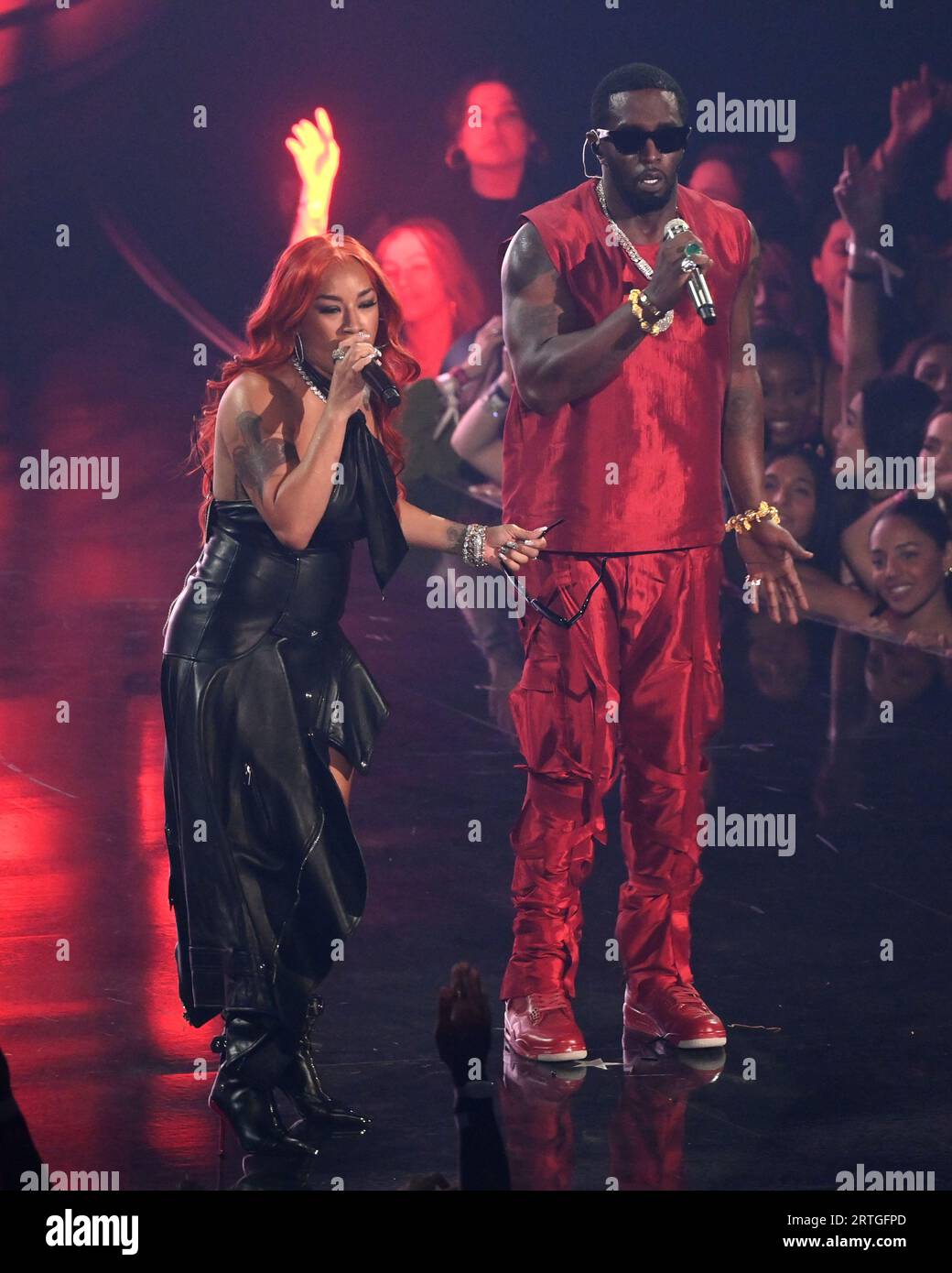
- Visual Branding: Diddy recognized the power of "the moment"—the performance that everyone discusses the following morning. Through elaborate stage setups, choreography, and guest collaborations, he ensured that his segments were the highest-rated portions of the broadcast.
- Institutional Validation: By consistently appearing at the VMAs, Diddy helped ensure that hip-hop and R&B artists received top-tier billing. This helped normalize the presence of urban music on a network that had previously favored rock and pop acts.
The Commercial Mechanics of Stardom
The importance of Diddy at the VMAs also lies in the commercialization of hip-hop. Diddy was one of the first figures to master the integration of brand endorsement with musical performance. His stage presence often felt like an extension of a marketing campaign, demonstrating to the industry that a hip-hop artist could command global media networks.
The following table highlights the functional roles Diddy filled during his major VMA appearances throughout his career.
| Role Type | Function in Context | Impact on Industry |
|---|---|---|
| Performer | Showcased label talent and new hits | Established the VMA as a launchpad for singles |
| Presenter | Provided cultural capital to award recipients | Solidified his status as an industry power broker |
| Executive | Represented Bad Boy Records portfolio | Influenced the trajectory of mainstream airplay |
| Host/Emcee | Controlled the flow of the broadcast | Normalized rap culture as the primary broadcast language |
Cultural Influence and Public Perception
Beyond the metrics of industry power, Diddy’s VMA appearances mattered because of their impact on public perception. For a generation of viewers, the VMAs were the first point of entry into the aesthetic of high-end hip-hop culture. Diddy’s signature style—often involving luxury fashion and high-budget video production—shaped how fans perceived success within the industry.
However, this influence also created a polarized dynamic. Critics often pointed to the hyper-commercialization of these events, arguing that the focus on aesthetics and branding sometimes overshadowed the artistic substance of the music. Diddy served as the avatar for this debate, representing both the success of the self-made mogul and the perceived corporate takeover of a counter-cultural movement.
Navigating the Legacy of the "VMA Moment"
The "VMA Moment" has become a term of art in the television industry, referring to the high-impact, viral-ready segments that drive social media engagement. Diddy was an architect of this phenomenon. By prioritizing spectacle—such as surprise reunions, unexpected outfit changes, or dramatic stage entrances—he helped build the template for the modern award show performance.
This legacy continues to shape how artists prepare for the VMAs in 2026. The expectation for a performer to deliver more than just a song—to deliver a "moment"—is a direct descendant of the high-production-value performances that Diddy pioneered. For contemporary artists, the VMA stage is still viewed as a crucible; those who succeed in capturing the audience's attention in the way Diddy did are often rewarded with increased market share and cultural longevity.
Frequently Asked Questions
Why is Diddy’s relationship with the VMAs considered significant?
Diddy’s relationship with the VMAs is significant because he acted as a bridge between hip-hop culture and the corporate machinery of major television networks. He successfully integrated urban music into the mainstream, setting production standards and branding templates that persist in the industry today.
Did Diddy’s VMA performances change the way labels market music?
Yes. Diddy shifted the industry focus toward using the VMAs as a high-stakes launchpad for new talent and product cycles. He demonstrated that a well-produced VMA performance could have a more direct impact on an artist's commercial success than traditional radio airplay, forcing labels to increase budgets for live television segments.
How did the VMAs benefit from Diddy’s presence?
The VMAs benefited from the increased viewership and cultural cachet that Diddy brought to the show. As a major figure in hip-hop, his presence signaled that the network was aligned with the fastest-growing genre in music, which helped the VMAs maintain relevance in an increasingly fragmented media landscape.
What is the lasting impact of the VMA performances on hip-hop artists?
The lasting impact is the expectation of high-concept performance art. Diddy helped establish the idea that a performance is an extension of an artist's brand, influencing not just the music, but the visual storytelling and fashion associated with hip-hop stars.
Why do industry analysts focus on his VMA appearances as a study of power?
Analysts view these appearances as a study of power because they provide a visible record of Diddy’s ability to influence programming, collaborate with the biggest names in pop, and maintain his status as an industry leader across multiple decades of the MTV era.
Strategic Outlook
For those observing the intersection of music and media, the primary takeaway is that the VMAs are fundamentally a business platform. The history of Diddy’s involvement shows that cultural influence and commercial success are inextricably linked through these televised events. Understanding this helps explain why major label representatives and artists prioritize these performances even in an era where digital streaming has decentralized music distribution. Moving forward, the blueprint for success at such events remains the same: combining high-budget performance with strategic brand integration to command the collective attention of the global audience.
Image Gallery