Exploring the Mexican Ruins Near Cancun: A 2026 Guide to Mayan Heritage
Exploring the Mexican ruins near Cancun provides travelers with a unique window into the sophisticated civilization of the ancient Maya. From the coastal cliffs of Tulum to the sprawling astronomical complexes of Chichen Itza, these si...
Exploring the Mexican ruins near Cancun provides travelers with a unique window into the sophisticated civilization of the ancient Maya. From the coastal cliffs of Tulum to the sprawling astronomical complexes of Chichen Itza, these sites are easily accessible via the modern Tren Maya network and organized tours, offering a profound blend of history and archaeology.
Contents
The Cultural Landscape of the Yucatan Peninsula
Cancun is often celebrated for its turquoise waters and luxury resorts, but it serves as the primary gateway to the Mundo Maya (Mayan World). The Yucatan Peninsula is home to thousands of archaeological sites, many of which were powerful city-states that dominated trade, religion, and science for centuries. By 2026, infrastructure developments like the Tren Maya (Maya Train) have revolutionized how visitors access these remote locations, making it possible to visit distant ruins in a single day without the exhaustion of long bus rides.
Understanding the timeline of these ruins is essential for an enriched visit. The Mayan civilization is generally divided into the Preclassic, Classic, and Postclassic periods. While sites like Coba flourished during the Classic period (250–900 AD), others like Tulum reached their peak in the Postclassic period (1200–1521 AD). Each site reflects the architectural styles and social priorities of its era, from the defensive walls of coastal trade hubs to the monumental pyramids of jungle-choked administrative centers.
Archaeological Sites Within the Cancun Hotel Zone
Many visitors are surprised to find significant ruins located directly within the Cancun Hotel Zone. While these sites are smaller than the major landmarks found inland, they offer a convenient and educational introduction to Mayan history without leaving the city.
El Rey Archaeological Zone
Located at Kilometer 18 of the Boulevard Kukulcan, El Rey is the most significant site within the city limits. It comprises 47 stone structures that were part of a maritime trade and fishing community. The site was named "The King" after a stone sculpture found there, believed to represent a high-ranking individual. Visitors can walk among the foundations of platforms and temples that date back to the Late Postclassic period. The site is also famous for its large population of iguanas, which have become a secondary attraction for photographers.
San Miguelito and the Museo Maya de Cancún
Adjacent to the Museo Maya de Cancún is the San Miguelito site. This area was once a thriving community inhabited for over 800 years before the Spanish conquest. The integration of the museum with the ruins allows visitors to see recovered artifacts—including intricate jewelry, ceramics, and skeletal remains—before walking through the actual structures where those items were found. The site includes a small pyramid and several residential complexes nestled under a canopy of native trees, providing a cooler, shaded experience compared to the sun-drenched coastal sites.
Tulum: The Walled City by the Sea
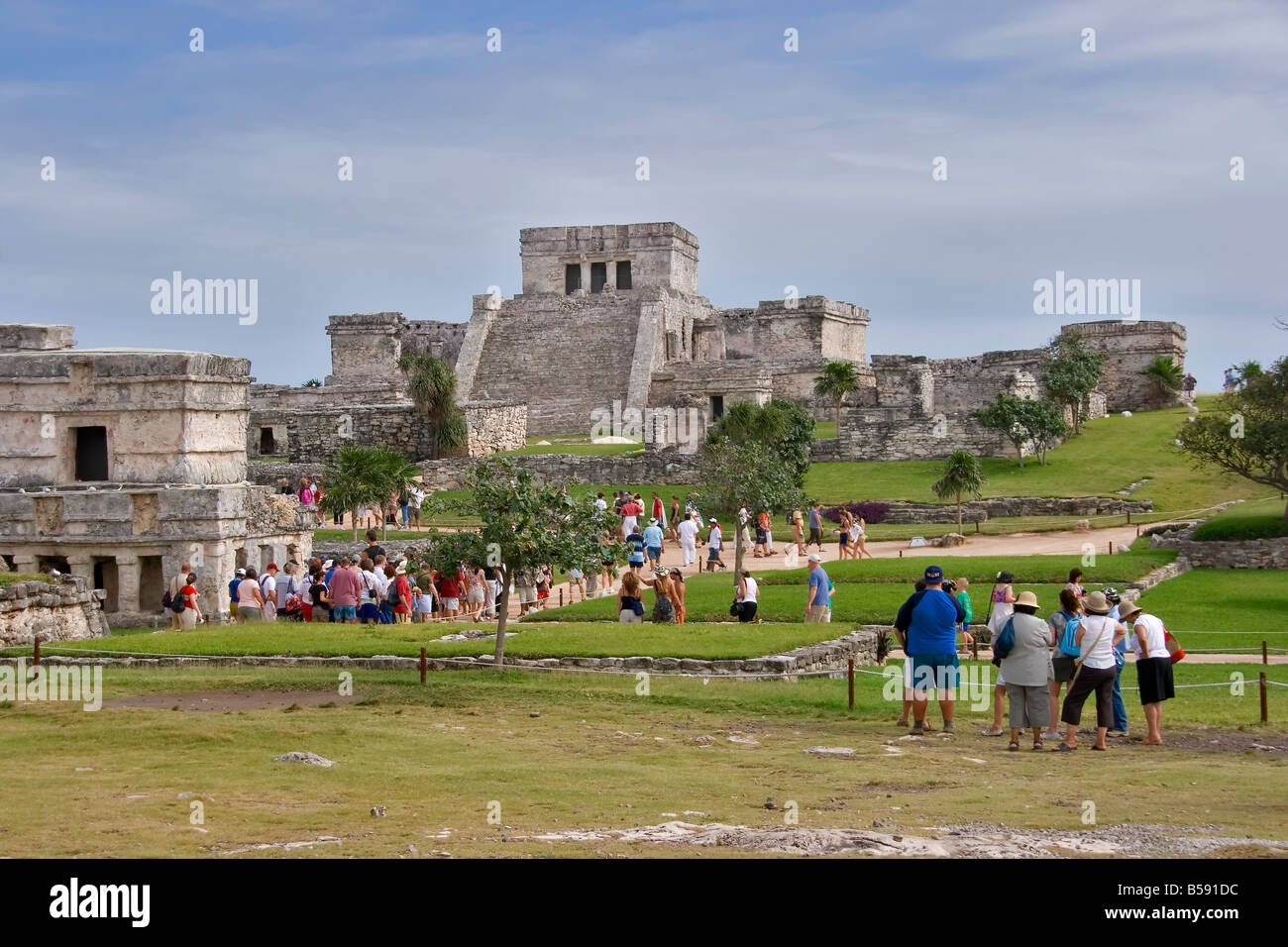
Tulum remains one of the most visited archaeological sites in Mexico due to its dramatic location on a 12-meter (39-foot) cliff overlooking the Caribbean Sea. Originally known as Zama (City of Dawn), it served as a major port for the maritime trade of obsidian and textiles.
The site is unique because it is one of the few Mayan cities protected by a wall. This defensive structure highlights the volatile political climate of the Late Postclassic period. The most iconic building, El Castillo, served as both a temple and a lighthouse. Research suggests that mariners used the light from two windows in the temple to navigate through a break in the barrier reef, a sophisticated early application of nautical engineering.
In 2026, the Tulum station of the Tren Maya provides seamless access from Cancun Airport. When visiting, it is advisable to arrive at the 8:00 AM opening time. The lack of shade and the high humidity of the coast can make mid-day exploration difficult. After touring the ruins, visitors can descend a wooden staircase to the "Playita Tortugas" (Turtle Beach) located directly below the cliffs, though access is occasionally restricted during sea turtle nesting seasons or high sargassum (seaweed) influxes.
Chichen Itza: The Jewel of the Terminal Classic
Located approximately 200 kilometers (125 miles) west of Cancun, Chichen Itza is a UNESCO World Heritage site and one of the New Seven Wonders of the World. It represents the height of Mayan astronomical and architectural prowess.
The focal point of the site is the Pyramid of Kukulkan, also known as El Castillo. The structure is essentially a giant stone calendar. Each of the four sides has 91 steps, which, when combined with the top platform, total 365—the number of days in a solar year. During the spring and autumn equinoxes, the play of light and shadow creates the illusion of a serpent descending the staircase.
Beyond the main pyramid, visitors should prioritize the Great Ball Court, the largest and best-preserved in Mesoamerica. The acoustics here are a marvel of ancient engineering; a whisper at one end can be heard clearly 150 meters away at the other. Nearby, the Cenote Sagrado (Sacred Cenote) offers a somber look into Mayan rituals, as archaeologists have recovered significant gold, jade, and human remains from its depths, indicating its role as a site for offerings to the rain god, Chaac.
Coba: The Jungle Enclave
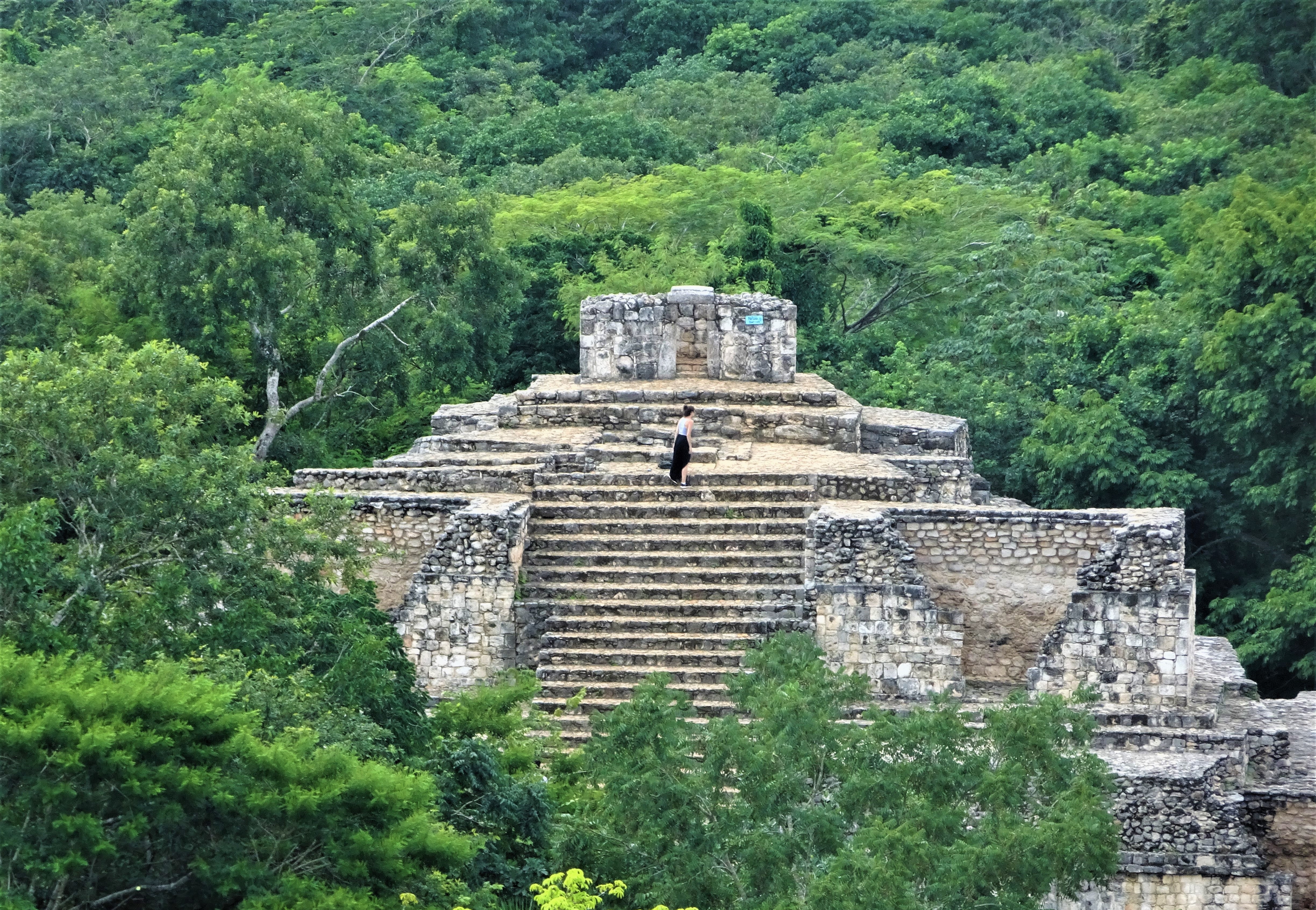
For those seeking a more adventurous experience, Coba offers a stark contrast to the manicured lawns of Chichen Itza. Located deep in the jungle between Tulum and Valladolid, Coba is known for its extensive network of sacbeob (white stone causeways).
The highlight of Coba is the Nohoch Mul pyramid, which stands 42 meters (138 feet) tall. It is one of the few pyramids in the region where climbing was traditionally permitted, though as of 2026, access to the summit is strictly regulated or prohibited to ensure the long-term preservation of the limestone steps. Even without climbing, the scale of the structure is awe-inspiring.
Coba is best explored by renting a "triciclo" (chauffeured tricycle) or a bicycle. The various groups of structures are spread far apart, and the jungle paths provide a welcome canopy of shade. Because Coba is situated near two large lagoons, it supports a diverse ecosystem; it is common to spot tropical birds and monkeys while moving between the ruins.
Ek Balam: The Hidden Gem
Ek Balam, which translates to "Black Jaguar," is a site that has gained popularity in recent years due to the incredible preservation of its stucco carvings. Located north of the colonial city of Valladolid, it is often less crowded than its more famous neighbors.
The Acropolis is the main attraction at Ek Balam. Halfway up the structure, visitors find the entrance to a tomb guarded by the gaping "monster mouth" of the earth deity. The surrounding stucco figures, known as "Angels," are remarkably detailed, showing wings and intricate clothing that have survived for over a millennium. Unlike the weathered stone found at other sites, the carvings at Ek Balam give a clear sense of how vibrant and ornate these cities looked at their peak.
Comparison of Major Sites Near Cancun
The following table compares the primary archaeological sites to help visitors prioritize their itinerary based on travel time from Cancun and specific interests.
| Site Name | Distance from Cancun | Primary Feature | Recommended Time | Environment |
|---|---|---|---|---|
| El Rey | 18 km | Accessible coastal ruins | 1 Hour | Hotel Zone/Urban |
| Tulum | 130 km | Coastal cliffs & views | 2 Hours | Coastal/Sunny |
| Chichen Itza | 200 km | El Castillo Pyramid | 3-4 Hours | Open/Manicured |
| Coba | 150 km | Ancient stone causeways | 3 Hours | Dense Jungle |
| Ek Balam | 175 km | Intricate stucco carvings | 2 Hours | Jungle/Archaeological |
Practical Logistics for 2026
Transportation Options
The Tren Maya is the most significant logistical update for 2026. The railway connects Cancun to Tulum, Chichen Itza, and Valladolid. This has reduced travel times by nearly 30% compared to traditional highway travel. For those preferring autonomy, car rentals remain popular, but travelers should be aware of the "Cuota" (toll) roads, which are well-maintained but require cash (Mexican Pesos) for payment.
Entrance Fees and Regulations
All sites are managed by the INAH (National Institute of Anthropology and History). Entry fees typically consist of two parts: a federal fee and a state tax. By 2026, most sites have transitioned to digital payment systems, but carrying cash (MXN) is still recommended for smaller sites or in the event of system outages.
- Hours: Most sites operate from 8:00 AM to 5:00 PM.
- Prohibited Items: Professional video equipment, drones, and large tripods require special permits. Single-use plastics are strictly prohibited in many zones to protect the local environment.
Weather and Preparation
The Yucatan climate is tropical, meaning high heat and humidity year-round.
- Hydration: Bring a reusable water bottle.
- Sun Protection: Use biodegradable sunscreen only, as chemicals in standard sunscreens can damage the limestone and nearby cenote ecosystems.
- Footwear: Wear sturdy, closed-toe walking shoes. The terrain is often uneven and rocky.
Common Mistakes to Avoid
- Visiting at Midday: The sun is most intense between 12:00 PM and 3:00 PM. Plan to arrive at opening or stay until closing.
- Neglecting Small Sites: Sites like El Meco (just north of Cancun) offer a tranquil experience without the massive crowds found at Chichen Itza.
- Underestimating Travel Time: While distances seem short on a map, traffic near Cancun and check-in procedures for the Tren Maya require a buffer of at least 45 minutes.
FAQs
Can you climb the pyramids in Cancun in 2026?
Climbing is currently prohibited at most major sites, including Chichen Itza and Tulum, to prevent erosion and ensure visitor safety. Some smaller structures at Coba or Ek Balam may allow partial climbing, but you must check the specific INAH signage on the day of your visit as these rules change frequently based on preservation needs.
Is the Tren Maya the best way to see the ruins?
For Chichen Itza and Tulum, the Tren Maya is highly efficient and offers a comfortable, air-conditioned alternative to buses. However, for sites like Coba or Ek Balam, which are further from the rail stations, a rental car or a private tour is often more practical as they provide "door-to-door" service.
How much should I budget for a day at the ruins?
A typical day trip for one person costs between $80 and $150 USD. This includes transportation (Tren Maya or tour), entrance fees (approx. $30-$40 USD for major sites), lunch, and a guide. Private tours and luxury transport will significantly increase this cost.
Are the ruins accessible for people with disabilities?
Accessibility varies significantly. Chichen Itza and Tulum have made strides in providing flat, gravel, or paved paths around the main structures, making them accessible for some wheelchairs. However, sites like Coba, with its uneven jungle floors and roots, remain challenging for those with mobility issues.
Do I need a guide to visit the ruins?
While not mandatory, hiring a certified INAH guide is highly recommended. The ruins are more than just stone structures; they are symbolic representations of Mayan cosmology. A guide can explain the alignment of buildings with stars and the meaning behind the relief carvings that an unguided visitor would likely overlook.
Final Recommendation
To experience the Mexican ruins near Cancun fully, plan a multi-day approach rather than attempting to see everything at once. Start with the San Miguelito site and the Museo Maya in Cancun to build a foundational understanding of the culture. Follow this with a morning trip to Tulum for the views, and reserve a full day for Chichen Itza via the Tren Maya to witness the pinnacle of Mayan engineering.
Image Gallery