Why Neoliberalism Reshaped Latin America: Economic Shifts and Lasting Legacies
Neoliberalism reshaped Latin America by replacing state-led industrialization with market-driven policies following the 1980s debt crisis. Driven by the "Washington Consensus," these reforms emphasized privatization, trade liberalizati...
Neoliberalism reshaped Latin America by replacing state-led industrialization with market-driven policies following the 1980s debt crisis. Driven by the "Washington Consensus," these reforms emphasized privatization, trade liberalization, and fiscal austerity. While they successfully curbed hyperinflation and modernized trade, they also significantly increased income inequality and reorganized the region's social and political structures.
Contents
The transition to neoliberalism was not merely a choice by regional leaders but a fundamental restructuring of the state’s relationship with its citizens and the global economy. To understand why this shift occurred and how it transformed the continent, one must look at the convergence of internal economic failure, external pressure from international financial institutions, and a global ideological pivot toward market fundamentalism.
The Exhaustion of Import Substitution Industrialization (ISI)
Before neoliberalism became the dominant paradigm, most Latin American nations followed the Import Substitution Industrialization (ISI) model. From the 1930s to the 1970s, countries like Brazil, Mexico, and Argentina sought to reduce foreign dependency by protecting local industries with high tariffs and state subsidies. While this initially led to "miracle" growth periods, the model eventually stagnated.
By the late 1970s, ISI faced critical internal contradictions. State-owned enterprises (SOEs) often became inefficient and bloated, drained by patronage and lack of competition. Domestic markets were too small to support large-scale industrial efficiency, and the reliance on imported capital goods created a "dollar gap." To bridge this gap, governments borrowed heavily from international banks, which were then flush with "petrodollars." When global interest rates spiked in the early 1980s, the ISI model collapsed under the weight of unserviceable debt, leaving a vacuum for a radical new economic approach.
The 1980s Debt Crisis and the "Lost Decade"
The primary catalyst for neoliberal reshaping was the 1982 Debt Crisis, which began when Mexico announced it could no longer service its foreign obligations. This triggered a regional "Lost Decade," characterized by negative growth, plummeting wages, and hyperinflation. In countries like Peru and Argentina, inflation reached four-digit percentages, destroying the savings of the middle class and delegitimizing the interventionist state.
International lenders, led by the International Monetary Fund (IMF) and the World Bank, stepped in as lenders of last resort. However, their assistance came with strict conditionalities. These "Structural Adjustment Programs" (SAPs) required countries to dismantle the ISI framework in favor of market-oriented reforms. Because these nations had no other source of credit, they were effectively forced to adopt neoliberalism to avoid total economic collapse. This period shifted the center of economic decision-making from local capital cities to Washington D.C., a phenomenon often referred to as the "Washington Consensus."
The Pillars of the Washington Consensus
In 1989, economist John Williamson coined the term "Washington Consensus" to describe a set of ten policy prescriptions that defined neoliberalism in the region. These pillars fundamentally reshaped the legal and operational landscape of Latin American economies:
- Fiscal Discipline: Drastic cuts to government spending to eliminate budget deficits.
- Tax Reform: Broadening the tax base and lowering marginal tax rates.
- Interest Rate Liberalization: Allowing market forces to determine the cost of credit.
- Trade Liberalization: Slashing tariffs and removing non-tariff barriers to encourage exports.
- Privatization: Selling off state-owned mines, airlines, telecommunications, and utilities.
- Deregulation: Removing barriers to entry and competition in various sectors.
- Foreign Direct Investment (FDI): Opening the door for multinational corporations to own local assets.
By 2026, many of these frameworks remain embedded in the institutional fabric of the region, even as political movements have attempted to roll back specific elements. The privatization of telecommunications, for instance, turned localized monopolies into segments of global networks, often improving technology access while raising the cost of basic services for the poor.
Case Study: The Chilean Blueprint and the Chicago Boys
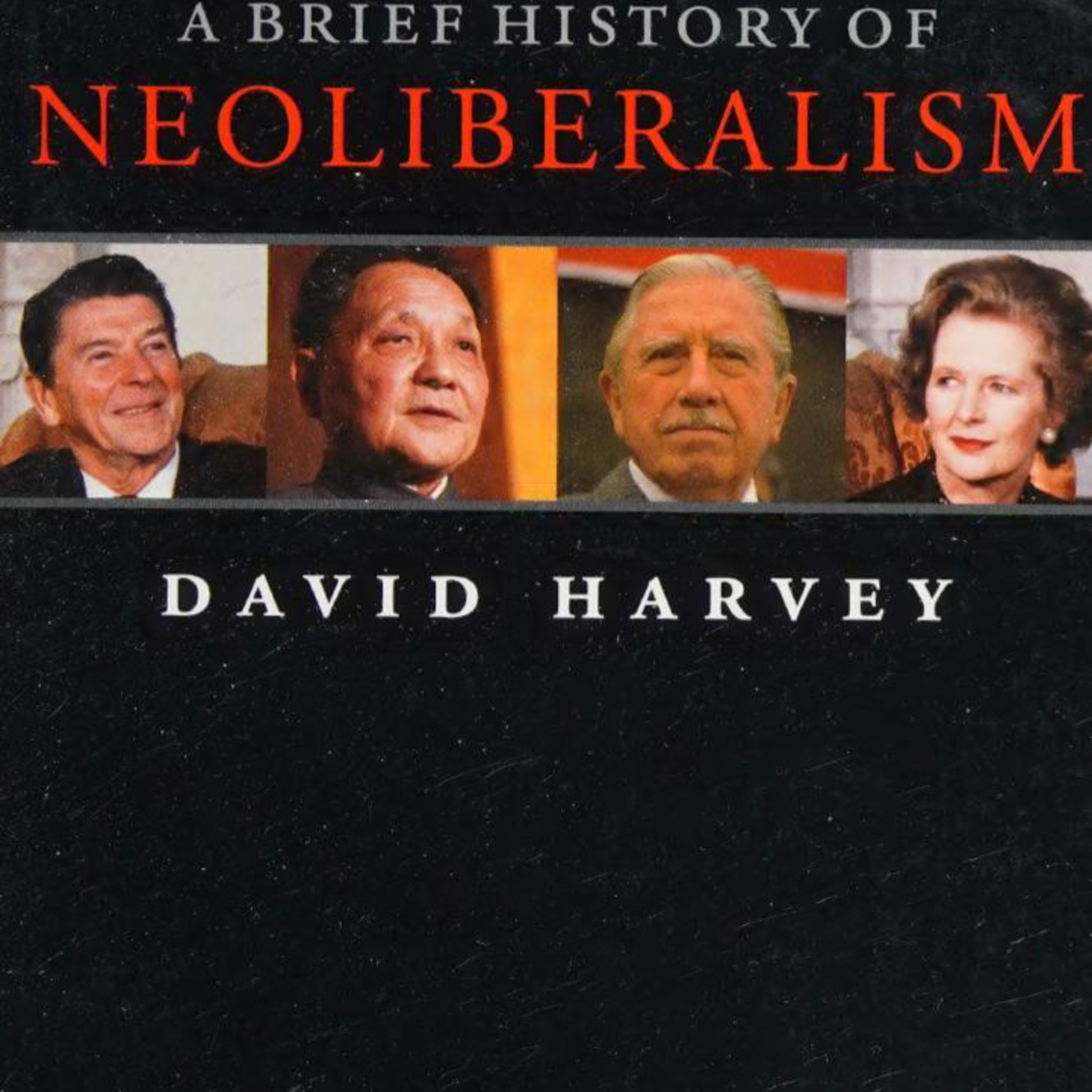
Chile served as the laboratory for neoliberalism, nearly a decade before the rest of the region. Following the 1973 military coup, General Augusto Pinochet empowered a group of economists known as the Chicago Boys—Chilean technocrats who had studied under Milton Friedman at the University of Chicago.
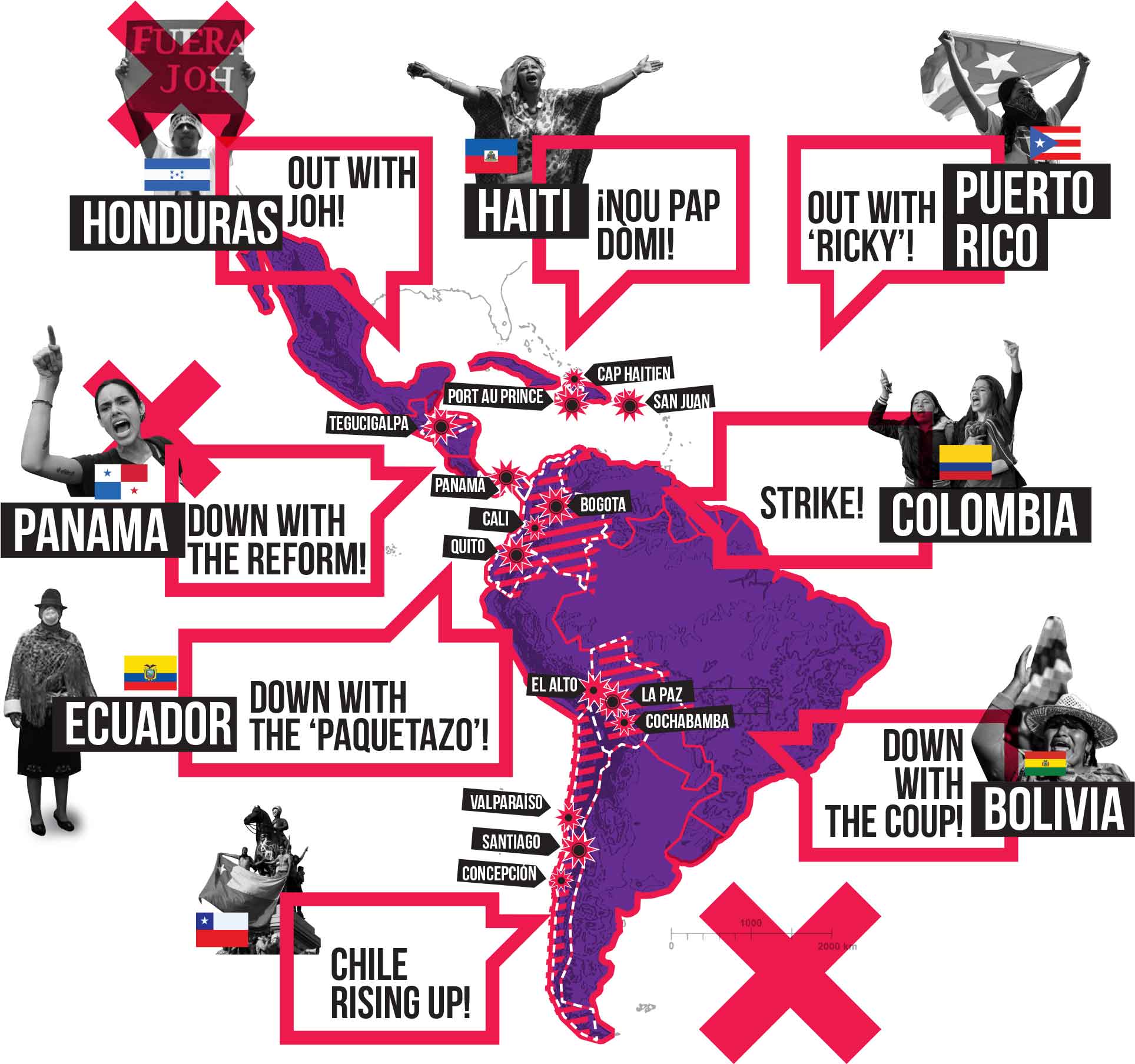
Unlike other nations that adopted reforms under democratic pressure or IMF mandates, Chile implemented "Shock Therapy" under an authoritarian regime. The government privatized the pension system, decentralized education, and aggressively opened the economy to foreign competition. While Chile achieved macroeconomic stability and significant growth (often called the "Chilean Miracle"), it also became one of the most unequal countries in the OECD. The Chilean experience proved that neoliberalism could generate growth, but it also demonstrated that without social safety nets, it could create profound social fissures that would eventually erupt in civil unrest.
Structural Comparison: ISI vs. Neoliberalism
The following table outlines the fundamental differences between the pre-1980s economic model and the neoliberal model that reshaped the region.
| Feature | Import Substitution (ISI) | Neoliberalism (Washington Consensus) |
|---|---|---|
| Primary Goal | Domestic industrialization | Global market integration |
| Trade Policy | High tariffs and protectionism | Low tariffs and free trade agreements |
| Role of State | State as producer and owner (SOEs) | State as regulator; private sector as owner |
| Exchange Rate | Fixed or multiple rates | Market-determined (floating) rates |
| Labor Market | Strong unions; job security laws | Labor flexibility; weakened unions |
| Social Services | Broad, state-funded subsidies | Targeted programs; private-sector delivery |
| Capital Flow | Capital controls and restrictions | Open markets for foreign investment |
The Social and Political Consequences of Reshaping
The reshaping of Latin America was not just an economic event; it was a social upheaval. By prioritizing debt repayment and fiscal austerity, governments drastically reduced spending on health, education, and infrastructure. This led to a significant increase in the informal economy, as formal industrial jobs disappeared and were replaced by precarious service-sector work.
Furthermore, neoliberalism facilitated a "commodification of rights." Services that were once seen as public goods—such as water, electricity, and social security—became profit-driven commodities. While this often led to better infrastructure and efficiency for those who could afford it, it marginalized millions living in poverty.
This social strain eventually triggered the "Pink Tide" at the turn of the millennium, where leaders like Hugo Chávez in Venezuela and Lula da Silva in Brazil were elected on anti-neoliberal platforms. However, even these leaders often found themselves operating within the globalized financial structures established during the neoliberal era, demonstrating how deeply the region had been reshaped.
Neoliberalism in 2026: The Current Reality
As of 2026, the debate over neoliberalism has shifted from total acceptance or total rejection to a search for a "post-neoliberal" hybrid. Most Latin American nations have retained the core macroeconomic benefits of neoliberalism, such as independent central banks and manageable inflation. However, the 2020s have seen a resurgence of "state-active" policies.
Governments are now more likely to intervene in strategic sectors like lithium mining or green energy, recognizing that the "invisible hand" of the market failed to address climate change or extreme wealth concentration. The reshaping that occurred in the 1990s provided the region with the infrastructure for global trade, but the 2026 perspective highlights a critical need to re-incorporate social equity into the economic equation.
Frequently Asked Questions
What was the "Lost Decade" in Latin America?
The Lost Decade refers to the 1980s, a period of economic stagnation and crisis triggered by the 1982 Mexican debt default. During this time, Latin American countries experienced sharp declines in per capita income, high unemployment, and hyperinflation. It was the failure of the existing economic models during this decade that paved the way for neoliberal reforms.
Who are the "Chicago Boys"?
The Chicago Boys were a group of Chilean economists educated at the University of Chicago under Milton Friedman and Arnold Harberger. They are credited with implementing the first radical neoliberal reforms in Latin America during the Pinochet military dictatorship in Chile, focusing on privatization, deregulation, and free-market policies.
How did neoliberalism affect poverty in the region?
The impact of neoliberalism on poverty is complex. In many countries, it helped end hyperinflation, which disproportionately hurts the poor. However, the reduction in social spending and the loss of industrial jobs led to increased inequality and a massive growth in the informal labor sector. While extreme poverty decreased in some nations due to overall growth, the gap between the rich and poor widened significantly.
Why did privatization become a key part of the reforms?
Privatization was promoted to reduce government deficits and improve efficiency. State-owned enterprises (SOEs) were often seen as sources of corruption and fiscal drain. By selling these companies to private investors, governments received a one-time cash infusion and shifted the burden of infrastructure investment to the private sector.
What is the Washington Consensus?
The Washington Consensus is a set of 10 economic policy prescriptions considered the "standard" reform package for crisis-wracked developing countries. It was promoted by Washington D.C.-based institutions like the IMF, World Bank, and the U.S. Treasury. It emphasizes fiscal discipline, trade openness, and privatization.
Next Steps for Policy and Research
For those looking to understand or influence the ongoing economic evolution of Latin America, the focus must shift toward inclusive growth. While the neoliberal era established the importance of fiscal stability, the current challenge lies in strengthening democratic institutions and ensuring that the benefits of global trade are distributed more equitably.
- Monitor Central Bank Policies: Ensure that monetary stability is maintained without sacrificing social investment.
- Support Labor Reform: Advocate for policies that protect workers in the informal sector, a direct legacy of the neoliberal restructuring.
- Invest in Human Capital: Move beyond the "targeted" social spending of the 1990s and toward universal access to high-quality education and healthcare to compete in the 2026 global economy.
Image Gallery