What Is GR in Toyota? Understanding Toyota GAZOO Racing
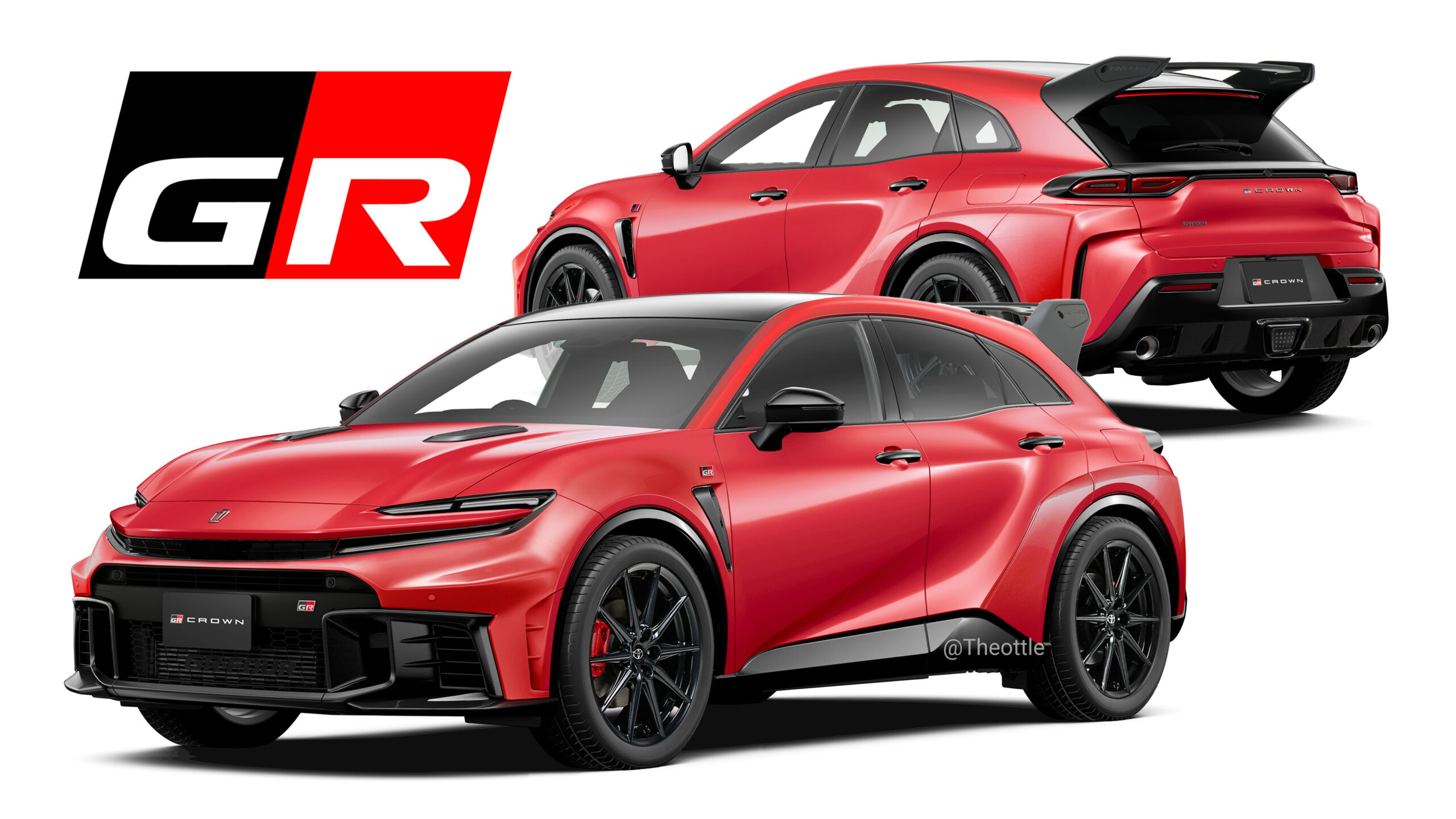
In Toyota’s vehicle lineup, GR stands for GAZOO Racing, the Japanese automaker’s global motorsport and high-performance division. Vehicles bearing the GR badge range from dedicated, factory-built sports cars like the GR Supra and GR Co...
In Toyota’s vehicle lineup, GR stands for GAZOO Racing, the Japanese automaker’s global motorsport and high-performance division. Vehicles bearing the GR badge range from dedicated, factory-built sports cars like the GR Supra and GR Corolla to sport-tuned appearance trims, bringing technologies developed in World Rally Championship (WRC) and World Endurance Championship (WEC) racing to road cars.
Contents
The Origins of GAZOO Racing: From Garage Project to Global Powerhouse
To understand what the GR badge represents on a modern Toyota, it is helpful to look at its unusual origins. The word Gazoo comes from the Japanese word gazō (画像), which translates to "picture" or "image." In the late 1990s, Toyota launched a pioneer website called Gazoo.com that displayed images of used cars sitting at dealerships to make vehicle shopping more efficient.
The name took on a performance identity through the vision of Akio Toyoda, former CEO and current Chairman of Toyota Motor Corporation, alongside Toyota's master test driver, Hiromu Naruse. In the mid-2000s, Toyoda—racing under the driver pseudonym "Morizo"—wanted to establish an internal racing team dedicated to testing vehicles in extreme conditions and training Toyota engineers to build better cars. Because official corporate sponsorship for an unsanctioned racing project was initially unavailable, the team entered the 2007 Nürburgring 24-Hour Race under the informal name Team GAZOO, using pre-owned Toyota Altezzas.
Over the following decade, Team GAZOO demonstrated that racing directly improved production car chassis dynamics, engine reliability, and overall vehicle feedback. In 2015, Toyota unified its fragmented motorsport operations—including Toyota Racing, Lexus F Sport motorsport activities, and GAZOO Racing—under one overarching corporate banner: Toyota GAZOO Racing (TGR).
Today, TGR operates Toyota's elite motorsport programs globally, competing in:
- WRC (World Rally Championship): Developing lightweight, all-wheel-drive performance hatchbacks.
- WEC (World Endurance Championship): Engineering hybrid hypercars like the GR010 Hybrid for long-distance endurance events like the 24 Hours of Le Mans.
- Dakar Rally: Testing off-road durability across desert terrains with rugged truck platforms.
The Toyota GR Performance Hierarchy Explained
Toyota does not apply the GR name uniformly across its vehicle catalog. To accommodate different buyer budgets and performance goals, Toyota structures its performance lineup into distinct tiers. Understanding these levels prevents confusion when shopping between a vehicle with a GR appearance package and a full-fledged sports car.
- GRMN: Hardcore, Limited-Production Track Specials
- GR: Dedicated High-Performance Sports Cars
- GR Sport: Sport-Tuned Suspension & Visual Upgrades
- GR Parts/Access.: Aftermarket Components & Factory Styling Accessories
- GR Sport: Sport-Tuned Suspension & Visual Upgrades
- GR: Dedicated High-Performance Sports Cars
1. GR Sport (Entry-Level Performance & Styling)
The GR Sport designation represents Toyota’s entry-level performance tier. GR Sport models retain the underlying powertrain (engine and transmission) of the standard production vehicle but receive light mechanical and visual enhancements. Typical GR Sport modifications include stiffer anti-roll bars, sport-tuned dampers, upgraded brake pads, larger alloy wheels, unique grille mesh, body kits, and interior touches like sport seats and contrast stitching. Models such as the RAV4 GR Sport, Hilux GR Sport, or Corolla GR Sport offer sharper handling and a aggressive look without sacrificing fuel efficiency or everyday ride comfort.
2. GR (Pure Performance Models)
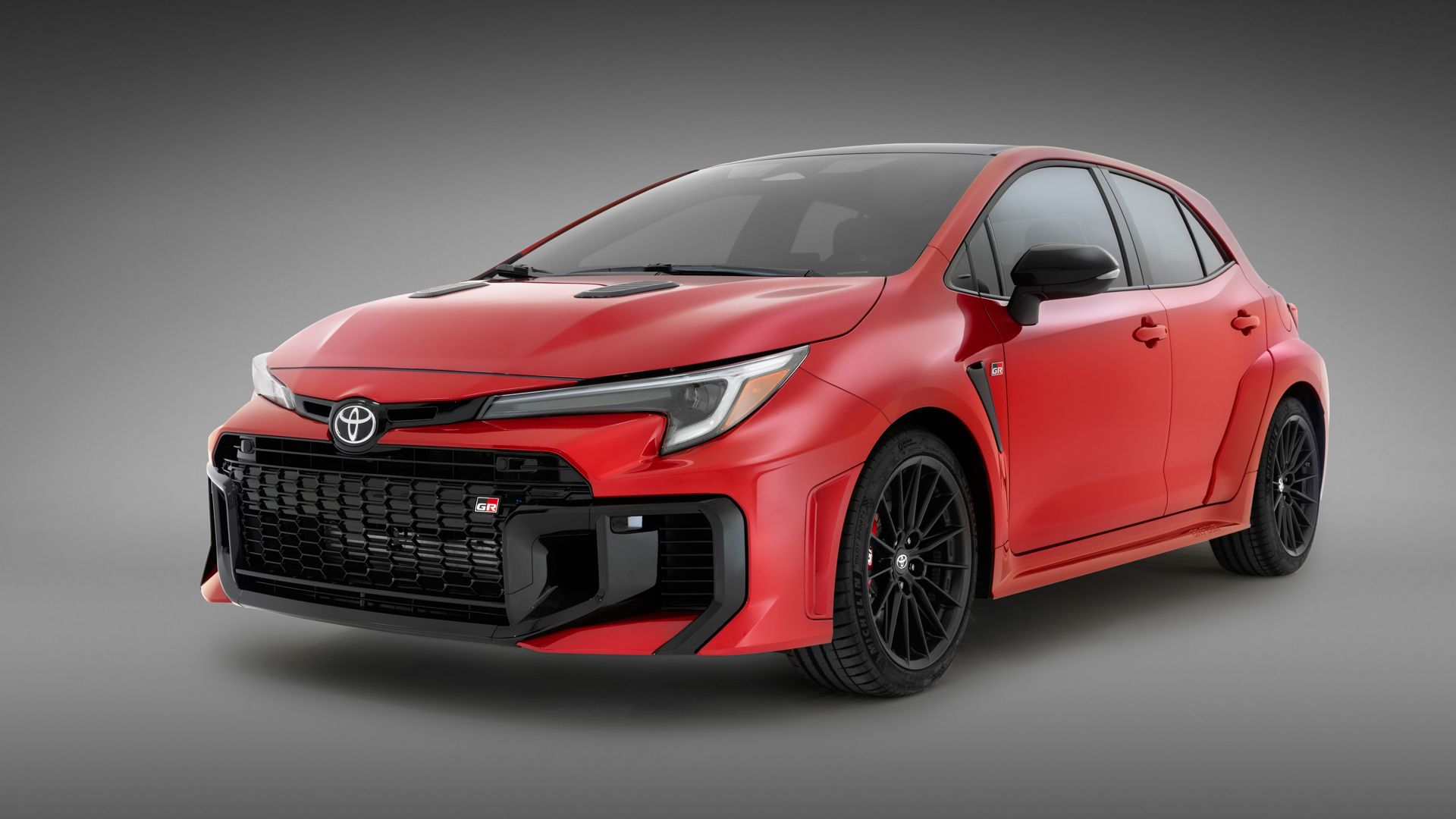
The standalone GR moniker is reserved for dedicated, high-performance sports cars designed ground-up or heavily re-engineered by the GAZOO Racing engineering team. Unlike GR Sport models, full GR vehicles feature unique high-output engines, bespoke transmission options, reinforced chassis structures, specialized suspension geometry, upgraded braking systems, and advanced drivetrain technology. Key examples include the GR86, GR Supra, GR Yaris, and GR Corolla.
3. GRMN (GAZOO Racing Masters of Nürburgring)
At the pinnacle of the pyramid sits GRMN, an acronym for GAZOO Racing Masters of Nürburgring. GRMN vehicles are ultra-exclusive, track-focused, limited-production models that undergo extreme weight reduction, aggressive aerodynamic rework, chassis stiffening, and power optimization. Examples include the limited-run GR Yaris GRMN and the early Vitz/Yaris GRMN. These models are engineered specifically for track enthusiasts and collectors.
4. GR Parts and Accessories
For owners of standard Toyota models or GR vehicles looking to customize their vehicles, Toyota offers official GR Parts. This catalog includes factory-backed performance lowering springs, strut tower braces, lighter forged wheels, performance exhaust systems, and functional aero kits designed to reduce aerodynamic lift.
The Core Toyota GR Production Lineup
The core GR lineup consists of four distinct sports cars, each engineered to offer a unique driving experience across different layout configurations.
| GR86 | GR Supra | GR Yaris | GR Corolla |
|---|---|---|---|
| Front-Engine / RWD | Front-Engine / RWD | Front-Engine / AWD | Front-Engine/AWD |
| Lightweight Coupe | Grand Touring Coupe | Rally Hot Hatch | Performance Hatch |
Toyota GR86
Co-developed alongside the Subaru BRZ, the GR86 is an entry-level, lightweight sports coupe focused on driving dynamics, feedback, and balance rather than raw straight-line horsepower.
- Engine: 2.4-liter naturally aspirated 4-cylinder Boxer engine.
- Drivetrain: Rear-wheel drive (RWD) with a Torsen® limited-slip differential.
- Transmission: 6-speed manual or 6-speed automatic with paddle shifters.
- Key Character: Low center of gravity, highly communicative hydraulic/electric steering feel, and controllable oversteer characteristics ideal for track days and winding roads.
Toyota GR Supra
Reintroduced as the fifth-generation Supra (A90), the GR Supra was co-developed with BMW to deliver a flagship rear-wheel-drive grand tourer capable of high-speed performance.
- Engine Options: 2.0-liter turbocharged inline-4 or a 3.0-liter turbocharged inline-6 engine.
- Drivetrain: Rear-wheel drive (RWD) with an active electronical-controlled limited-slip differential.
- Transmission: 6-speed intelligent Manual Transmission (iMT) or an 8-speed automatic.
- Key Character: High mechanical grip, immediate boost delivery, near 50:50 weight distribution, and high-speed stability on highway and road courses.
Toyota GR Yaris
Built primarily as a homologation model to satisfy FIA World Rally Championship regulations, the GR Yaris is a bespoke three-door performance hatchback engineered on a hybrid platform combining Toyota’s GA-B (front) and GA-C (rear) architectures.
- Engine: 1.6-liter turbocharged 3-cylinder (G16E-GTS).
- Drivetrain: GR-FOUR permanent All-Wheel Drive (AWD).
- Transmission: 6-speed manual or GAZOO Racing Direct Automatic Transmission (DAT).
- Key Character: Ultra-lightweight construction utilizing carbon-fiber roof panels and aluminum body panels, designed specifically for loose-surface rallying and tight asphalt stages.
Toyota GR Corolla
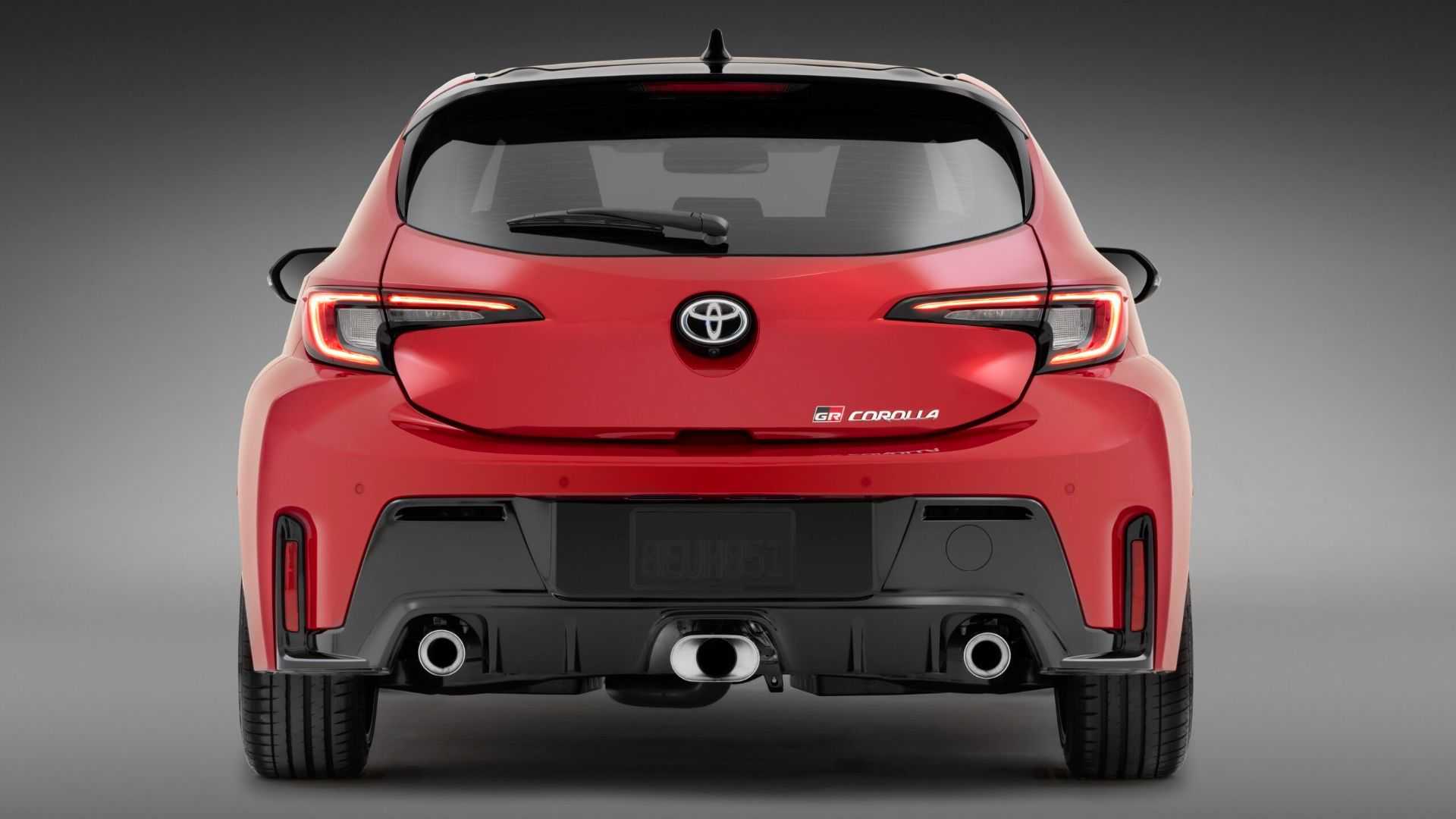
Designed specifically for markets where the three-door GR Yaris was not made available, the GR Corolla brings rally-derived technology into a functional five-door hatchback body style.
- Engine: 1.6-liter turbocharged 3-cylinder (G16E-GTS), producing up to 300 horsepower.
- Drivetrain: GR-FOUR adjustable All-Wheel Drive system.
- Transmission: 6-speed manual or GAZOO Racing Direct Automatic Transmission (DAT).
- Key Character: Functional utility combined with track-ready structural rigidity, additional chassis weld points, structural adhesive, and user-selectable AWD torque distribution modes.
Detailed Comparison: Toyota GR Production Models
The following table compares the specifications and mechanical characteristics across Toyota's primary dedicated GR models:
| Vehicle Model | Engine Type | Horsepower Range | Drivetrain | Primary Target Audience |
|---|---|---|---|---|
| GR86 | 2.4L Flat-4 (Naturally Aspirated) | 228 hp | Rear-Wheel Drive (RWD) | Enthusiasts seeking an affordable, lightweight balance-focused sports coupe. |
| GR Supra | 2.0L Turbo Inline-4 / 3.0L Turbo Inline-6 | 255 hp – 382 hp | Rear-Wheel Drive (RWD) | Drivers looking for modern sports-car speed, high torque, and highway touring capabilities. |
| GR Yaris | 1.6L Turbo 3-Cylinder (G16E-GTS) | ~268 hp – 300 hp | GR-FOUR All-Wheel Drive (AWD) | Rally enthusiasts and drivers seeking agile performance in a compact footprint. |
| GR Corolla | 1.6L Turbo 3-Cylinder (G16E-GTS) | 300 hp | GR-FOUR All-Wheel Drive (AWD) | Enthusiasts needing daily 5-door practicality paired with rally-tested performance. |
Key Engineering Innovations in GR Vehicles
Vehicles designed under the dedicated GR tier are not simply standard production cars given minor ECU tunes. Toyota's GAZOO Racing division integrates specific engineering solutions designed for motorsport resilience:
1. The G16E-GTS Engine
The 1.6-liter turbocharged three-cylinder G16E-GTS engine was developed from scratch for the GR Yaris and GR Corolla. It features multi-oil jet piston cooling, large-diameter exhaust valves, a single-scroll ball-bearing turbocharger, and a machined intake port. It stands as one of the most powerful production three-cylinder engines per liter of displacement ever manufactured.
2. The GR-FOUR All-Wheel-Drive System
Unlike traditional slip-and-grip AWD systems that rely on mechanical slip before engaging the rear wheels, the GR-FOUR AWD system uses an electro-magnetic multi-plate clutch to actively divide torque between the front and rear axles. Driver-selectable modes allow torque distribution splits such as:
Normal Mode (60:40 or 60:40 Front/Rear): Optimized for daily driving stability.
Gravel / Track Mode (50:50 Front/Rear): Equal torque distribution for maximum grip on circuit pavement or loose surfaces.
Sport / Rear-Biased Mode (30:70 or 40:60 Front/Rear): Biased toward the rear axle to deliver lively handling characteristics out of corners.
GR-FOUR AWD Selector Switch
- Normal Mode (60:40 Split): Everyday Stability
- Track Mode (50:50 Split): Max Grip/Circuit Rally
- Sport Mode (30:70 Split): Rear-Biased Dynamic Feel
3. Advanced Body Rigidity and Structural Adhesives
To prevent chassis flex during high-G cornering, GR vehicles feature increased spot welds along critical frame joints and extensive use of structural adhesives compared to standard Toyota platforms. For instance, the GR Corolla chassis incorporates hundreds of additional spot welds and extra meters of structural adhesive over a standard Corolla Hatchback, creating a much stiffer base for suspension tuning.
Toyota GR vs. Toyota TRD: What Is the Difference?
A common point of confusion among car buyers is the distinction between GR (GAZOO Racing) and TRD (Toyota Racing Development). While both represent Toyota's performance heritage, their operational focus differs significantly.
| GAZOO Racing (GR) | Toyota Racing Development (TRD) |
|---|---|
| • Global track, circuit, and WRC rally | • North American off-road & truck focus |
| • Dedicated sports cars (GR Supra, GR86) | • Rugged platforms (Tacoma, Tundra) |
| • On-road driving dynamics focus | • Suspension lifts & skid plates |
- TRD (Toyota Racing Development): Established in 1979, TRD historically managed Toyota's racing efforts in North America, including NASCAR and off-road desert racing. In modern vehicle lineups, TRD primarily focuses on off-road capability, durability, and utility applications for trucks and SUVs, such as the Tacoma TRD Pro, Tundra TRD Off-Road, and 4Runner TRD.
- GR (GAZOO Racing): GR is Toyota’s unified global performance sub-brand. Its main focus centers on asphalt racing, road course dynamics, WRC rallying, and lightweight sports car engineering. While TRD builds off-road packages for trucks and SUVs, GR builds track-tuned sports cars and sport hatchbacks.
Frequently Asked Questions
What does "GR" stand for on a Toyota car?
GR stands for GAZOO Racing, which is Toyota’s global motorsport and performance division responsible for racing programs like the WRC and WEC, as well as tuning road-going sports cars.
Is a GR Sport car the same as a full GR car?
No. A GR Sport car retains the standard engine and transmission of a regular vehicle while adding sport-tuned suspension, larger wheels, upgraded brakes, and visual styling cues. A dedicated GR car (such as the GR Corolla or GR86) is a high-performance vehicle with a bespoke powertrain, modified chassis, upgraded brakes, and enhanced driving dynamics.
Is GR replacing TRD?
No, GR is not replacing TRD. TRD remains active, particularly in North America with a strong focus on off-road trucks, SUVs, and truck-focused performance accessories (TRD Off-Road, TRD Pro). GR operates alongside TRD as Toyota's global road-racing and sports-car performance branch.
Can you get a Toyota GR car with an automatic transmission?
Yes. While GR cars like the GR86, GR Supra, GR Yaris, and GR Corolla were introduced with high emphasis on manual transmissions, Toyota offers automatic variants across these models, including 6-speed and 8-speed torque-converter automatics and the motorsport-tested GAZOO Racing Direct Automatic Transmission (DAT).
Choosing the Right Toyota GR Level
When shopping for a Toyota vehicle with GR badging, align your selection with your primary driving requirements:
- Select a GR Sport trim if you are looking for a practical, fuel-efficient daily driver (such as a crossover or commuter sedan) that offers sharper steering feedback, sportier suspension control, and aggressive styling without high maintenance costs or firm ride quality.
- Select a dedicated GR vehicle (GR86, GR Supra, GR Yaris, or GR Corolla) if your priority is true sports-car dynamics, track capability, aggressive acceleration, and specialized hardware like mechanical differentials or advanced all-wheel-drive systems.
- Opt for GR Parts if you already own a compatible Toyota vehicle and wish to enhance its handling, chassis stiffness, or body aesthetics using factory-tested, warrantied components.
By distinguishing between GR Sport visual/suspension packages and full GR performance machinery, buyers can accurately pick the exact balance of daily practicality and track-bred performance for their needs.
Image Gallery