Comprehensive Guide to Conducting an Efficient Docket Search in 2026
A docket search is the systematic process of looking up official court records, case files, and legal proceedings through public or restricted legal databases. Whether tracking active litigation, reviewing historical rulings, or verify...
A docket search is the systematic process of looking up official court records, case files, and legal proceedings through public or restricted legal databases. Whether tracking active litigation, reviewing historical rulings, or verifying corporate compliance, executing an accurate docket search requires understanding court structures, jurisdiction rules, and modern electronic filing systems.
Contents
Understanding Legal Dockets and Court Record Architecture
Navigating judicial systems requires recognizing how courts organize and maintain information. A legal docket serves as the official chronological record of proceedings for a specific lawsuit, prosecution, or administrative petition. Every document filed—from the initial complaint and motion papers to judicial orders and trial transcripts—receives a timestamp and entry number within this register.
Modern judicial administration relies heavily on electronic case management tools. These databases categorize records by docket numbers, party names, presiding judges, and filing dates. Understanding this architecture prevents common pitfalls, such as searching federal databases for local municipal violations or confusing appellate dockets with trial-level records.
- Trial Court Dockets: Capture the initial filings, discovery disputes, depositions, and evidentiary hearings at the district or county level.
- Appellate Dockets: Focus strictly on briefs, oral argument recordings, panel assignments, and appellate decisions stemming from lower court appeals.
- Administrative Dockets: Track regulatory proceedings, agency hearings, and executive rule-making petitions overseen by specialized tribunals.
Primary Platforms and Databases for Legal Research
Executing a successful search depends on selecting the appropriate repository. Jurisdictions maintain distinct databases, requiring researchers to choose between federal, state, and specialized portals depending on the nature of the litigation.
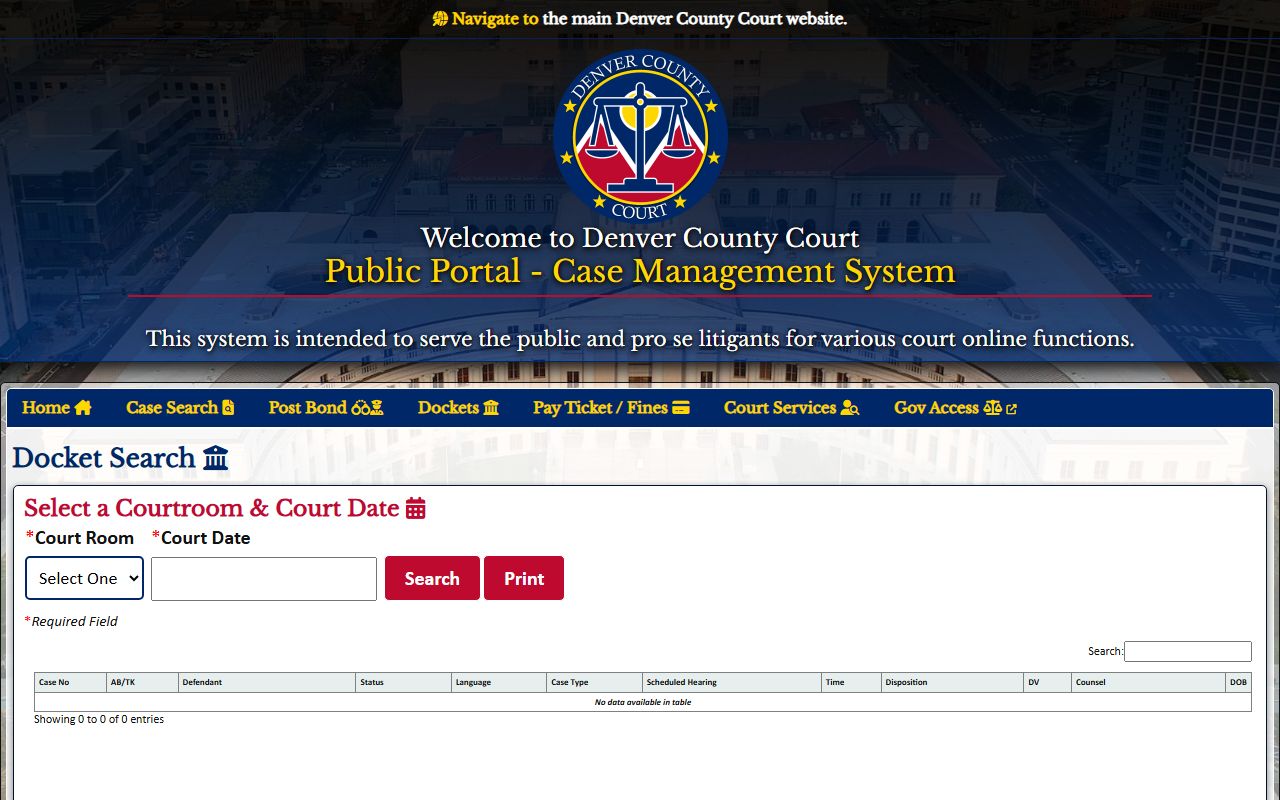
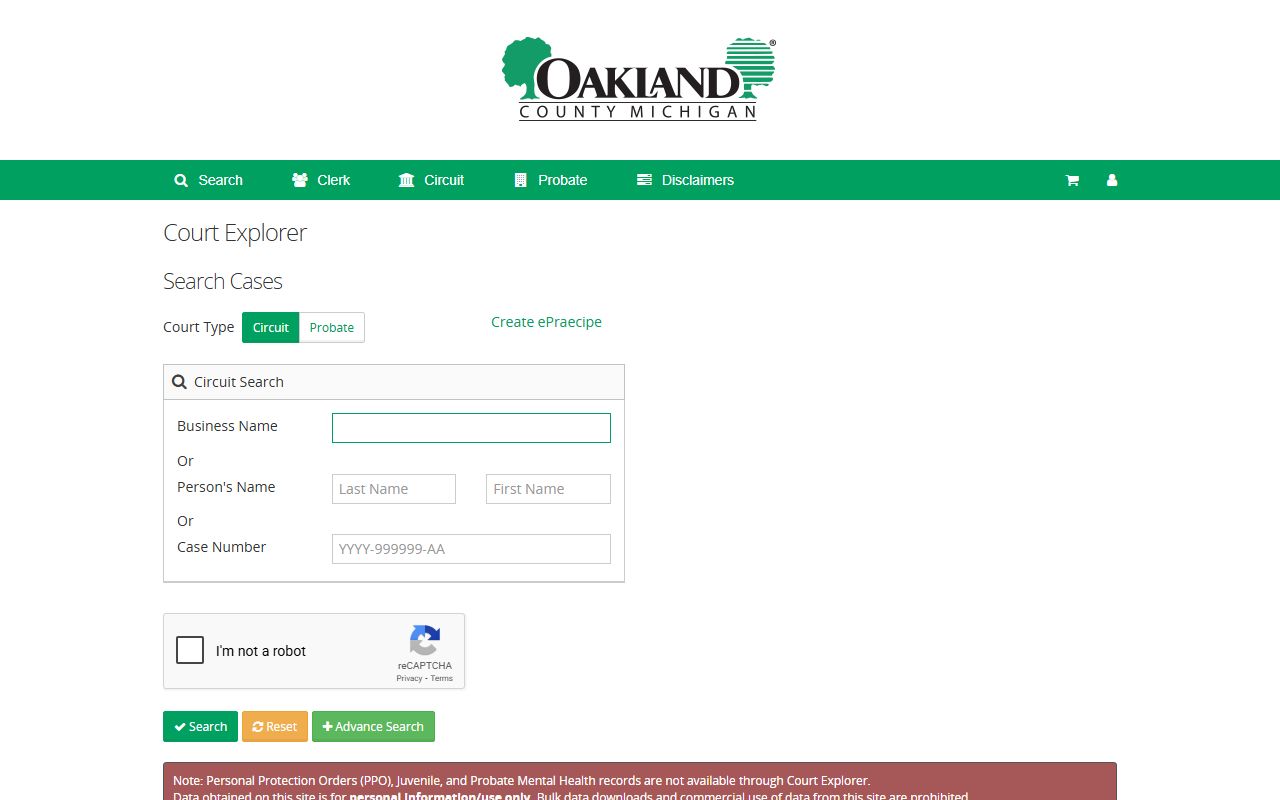
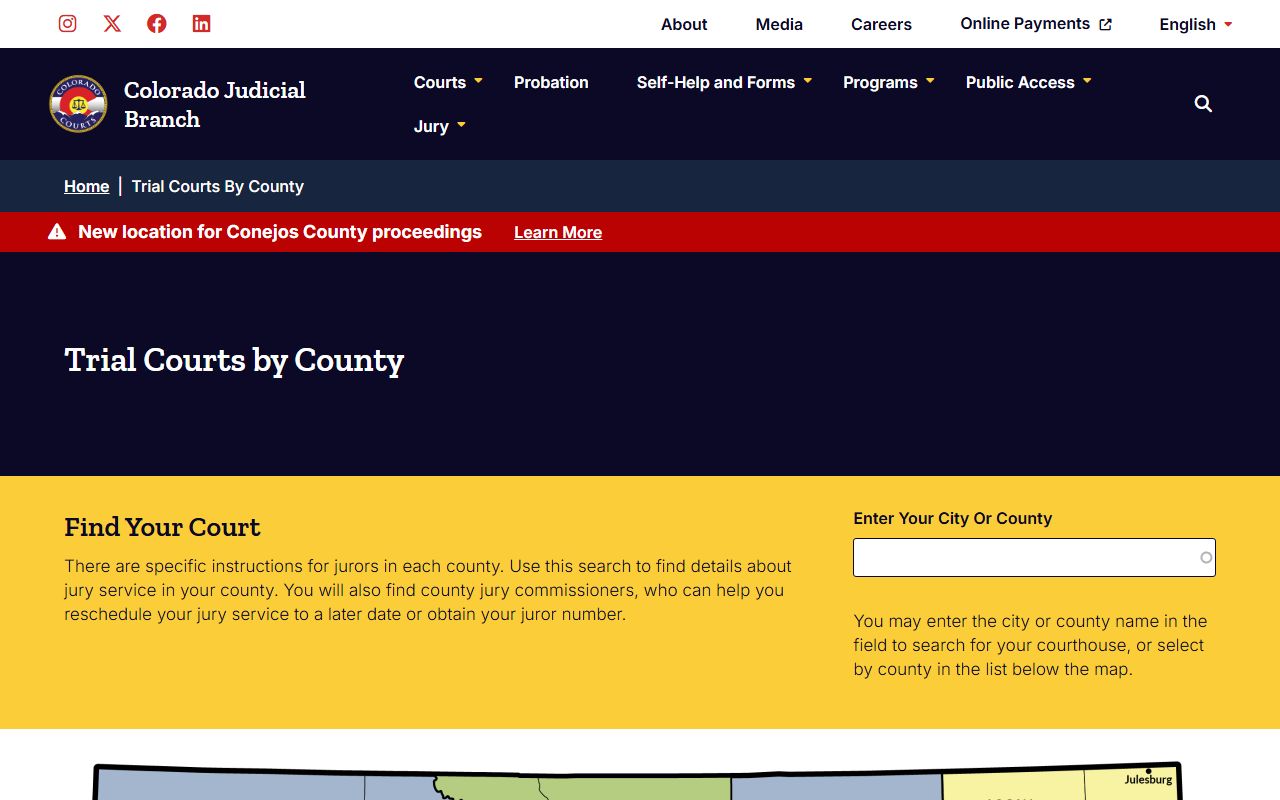
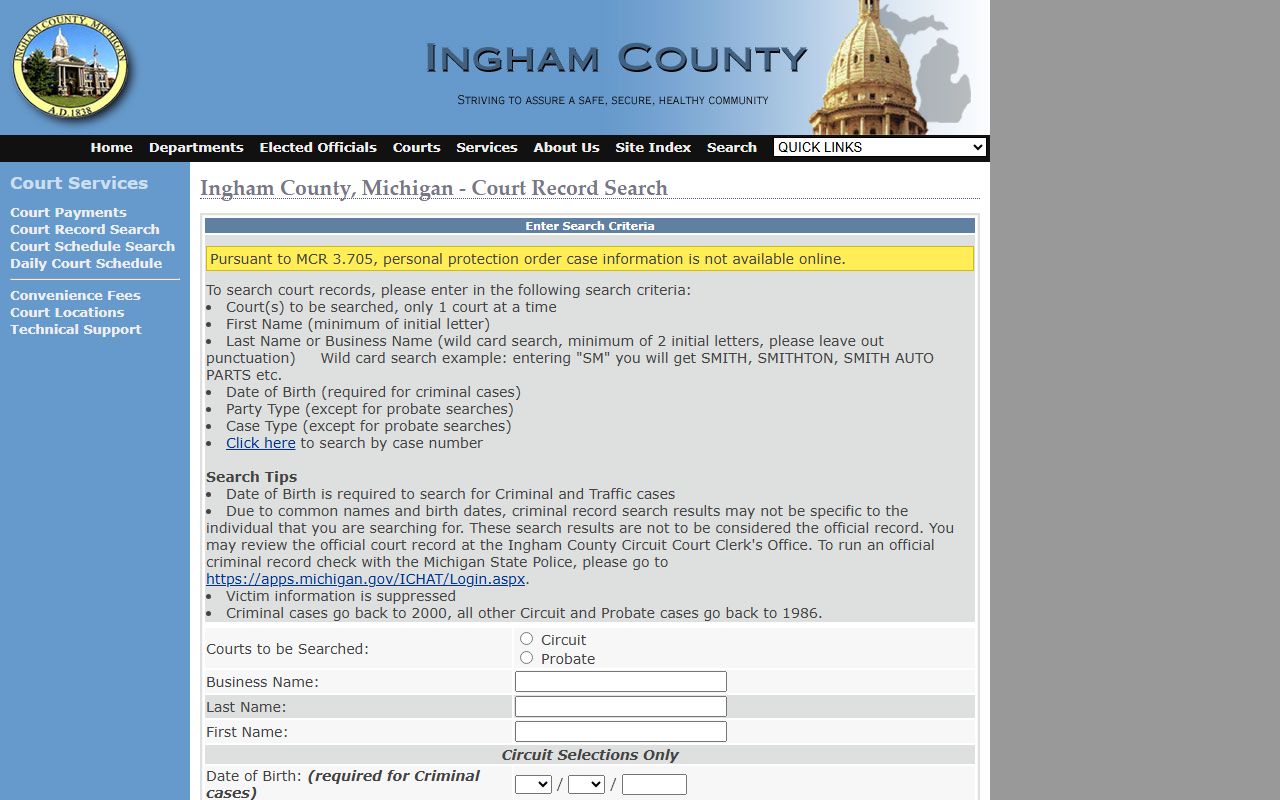
Federal matters across district courts, bankruptcy courts, and courts of appeals are centralized within the Public Access to Court Electronic Records system. Conversely, state-level matters require navigating disparate county clerk portals or state judicial branch directories.
| Database Platform | Jurisdiction Type | Primary Record Types | Access Model |
|---|---|---|---|
| PACER | Federal Courts | Civil, Criminal, Bankruptcy | Pay-per-page with quarterly fee waivers |
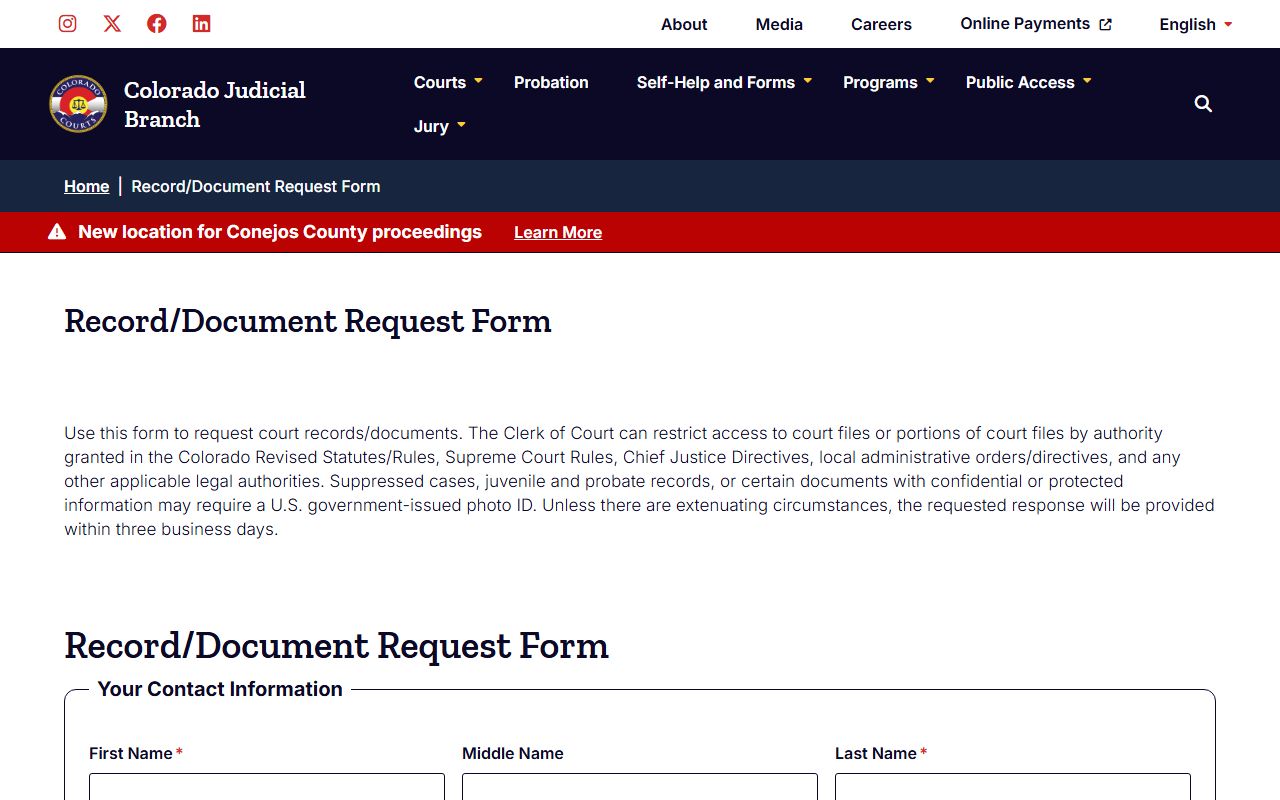
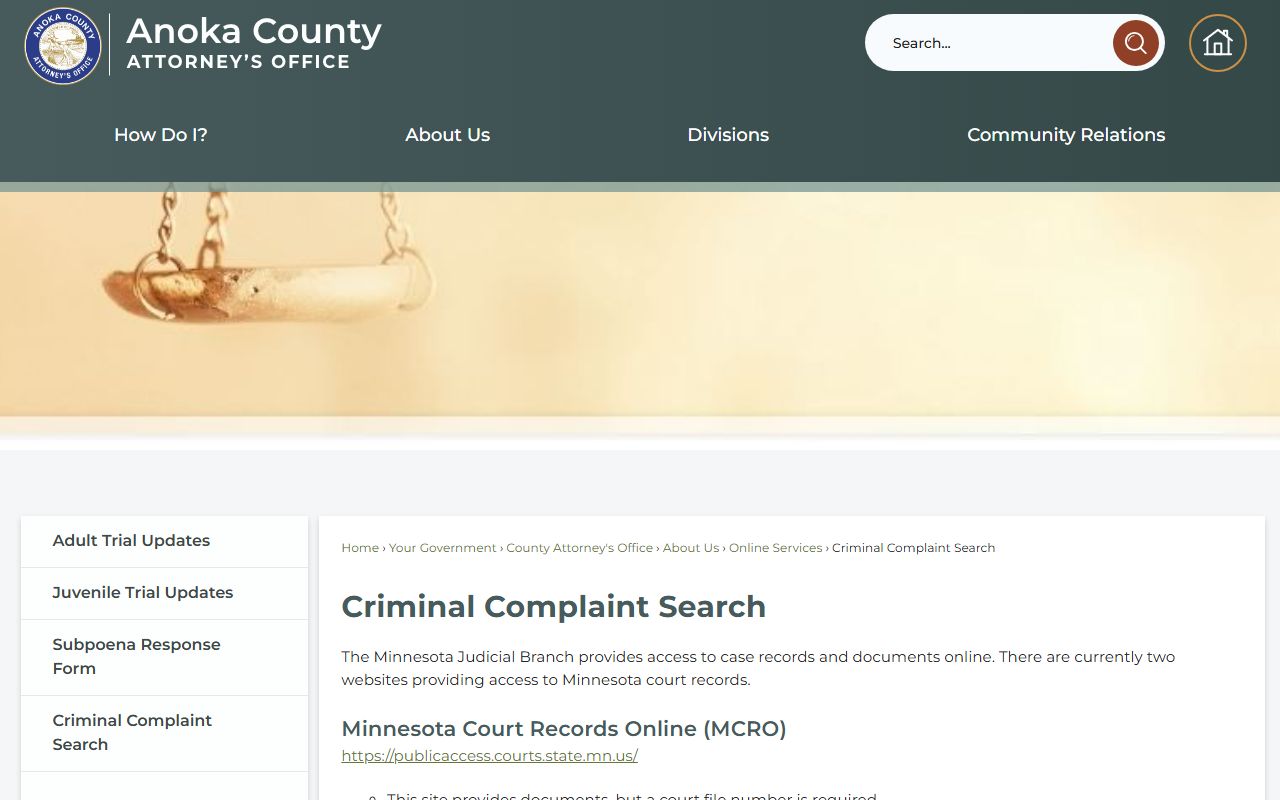
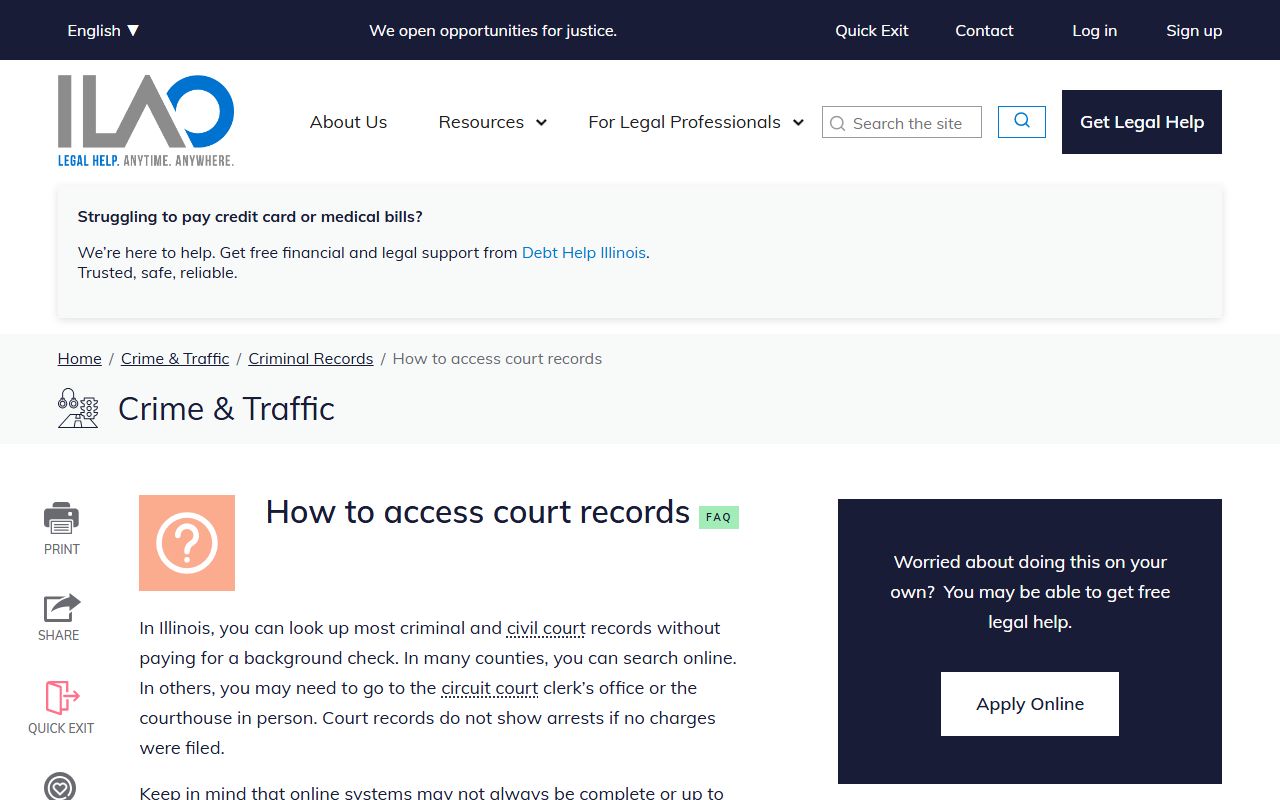
| State Court Portals | State & Local Courts | Family, Probate, State Civil/Criminal | Varies by state (Free or Subscription) |
| RECAP | Federal Archives | Archived PACER Documents | Free public repository of scraped records |
| Specialized Tribunals | Regulatory/Tax | Agency Proceedings, Tax Court | Varies by administrative body |
Step-by-Step Procedure for Conducting a Federal Docket Search
Executing a federal query efficiently minimizes costs and time. Because federal systems charge per page viewed or downloaded, establishing a structured workflow prevents redundant queries and excess expenditure.
- Identify the Correct Court: Determine whether the matter resides in a U.S. District Court, Bankruptcy Court, or Court of Appeals based on geography and subject matter jurisdiction.
- Access the System: Log into the official federal case management portal using verified credentials.
- Input Search Criteria: Enter precise identifiers such as the full case docket number (formatted as Year-type-sequence, e.g., 1:26-cv-00123) or party names.
- Filter by Date and Status: Narrow results by specifying active status, closed status, or exact filing date ranges to isolate relevant files.
- Review the Docket Sheet: Examine the summary index before downloading documents to confirm it is the correct matter.
- Download and Archive: Retrieve necessary PDF filings while monitoring page counts to maintain cost efficiency.
Overcoming Common Obstacles and Search Failures
Even experienced legal researchers occasionally encounter roadblocks when querying judicial databases. Common failures usually stem from data entry errors, spelling variations, or database indexing quirks.
- Punctuation and Spacing Errors: Hyphenation in docket numbers or spacing in corporate names can cause zero-result queries. Always test alternative formatting if an exact search fails.
- Common Party Names: Searching for generic corporate names (e.g., "Global Logistics LLC") yields thousands of unrelated entries. Filter results by state of incorporation, filing date, or associated attorney names.
- Sealed and Confidential Records: Certain documents—such as trade secret filings, juvenile records, or ongoing grand jury proceedings—remain restricted under judicial seal and will not appear in public searches.
- Historical Data Migration: Older cases predating electronic filing mandates may exist only on physical microfiche or archived paper rolls requiring physical requests at the courthouse.
Cost Management and Efficiency Strategies for High-Volume Searches
Optimizing search expenditure requires balancing thoroughness with resource management. Because platforms like PACER charge fees per electronic page, unmonitored browsing can accumulate substantial overhead for law firms and corporate legal departments.
- Set Up Billing Thresholds: Configure account alerts to monitor spending and prevent unexpected invoicing spikes during extensive multi-jurisdictional litigation reviews.
- Utilize Third-Party Aggregators: Consider commercial legal research suites that bundle docket access into flat-rate subscriptions for high-volume users.
- Leverage Free Archives: Check open-access legal repositories before pulling documents directly from fee-based portals to see if previous researchers have already uploaded the required filings.
- Batch Requests: Group related research tasks into dedicated sessions to maintain focus and reduce navigation overhead within complex administrative menus.
Frequently Asked Questions
What is the most reliable way to find a federal court case?
The official federal docket system, PACER, provides the most comprehensive and direct access to active and closed federal litigation across the United States. Researchers can query cases using exact docket numbers, party names, or filing date ranges.
Are state court docket searches always free?
No, state and local court access policies vary widely by jurisdiction. While some states offer completely free public search portals, others require paid subscriptions, individual county clerk registration, or in-person terminal visits.
How do I locate a sealed court document?
Sealed documents are strictly confidential and generally inaccessible to the general public through standard online portals. Access typically requires filing a formal motion with the presiding judge demonstrating a legal right or compelling interest in unsealing the record.
What information is required to perform an accurate docket search?
Having a precise docket number yields the fastest and most accurate results. If the docket number is unknown, full party names, filing years, presiding judge names, and the specific court jurisdiction are necessary to isolate the correct file.
Can I view criminal trial dockets online?
Yes, federal criminal dockets are accessible via the standard federal case management portal, subject to privacy restrictions that redact sensitive personal identifiers like Social Security numbers and minor children's names. State criminal records depend on local municipal and county privacy laws.
Optimizing Your Legal Research Workflow
Mastering the mechanics of a docket search ensures timely acquisition of critical legal intelligence, whether supporting active litigation, conducting due diligence, or performing academic research. By understanding jurisdictional boundaries, leveraging appropriate databases, and applying structured search methodologies, legal professionals can efficiently navigate complex judicial records. Begin your search today by identifying the correct court jurisdiction and utilizing verified public or subscription-based legal portals to retrieve accurate, up-to-date case files.
Image Gallery