What Changed About the Green Ranger in Power Rangers Ninja Steel
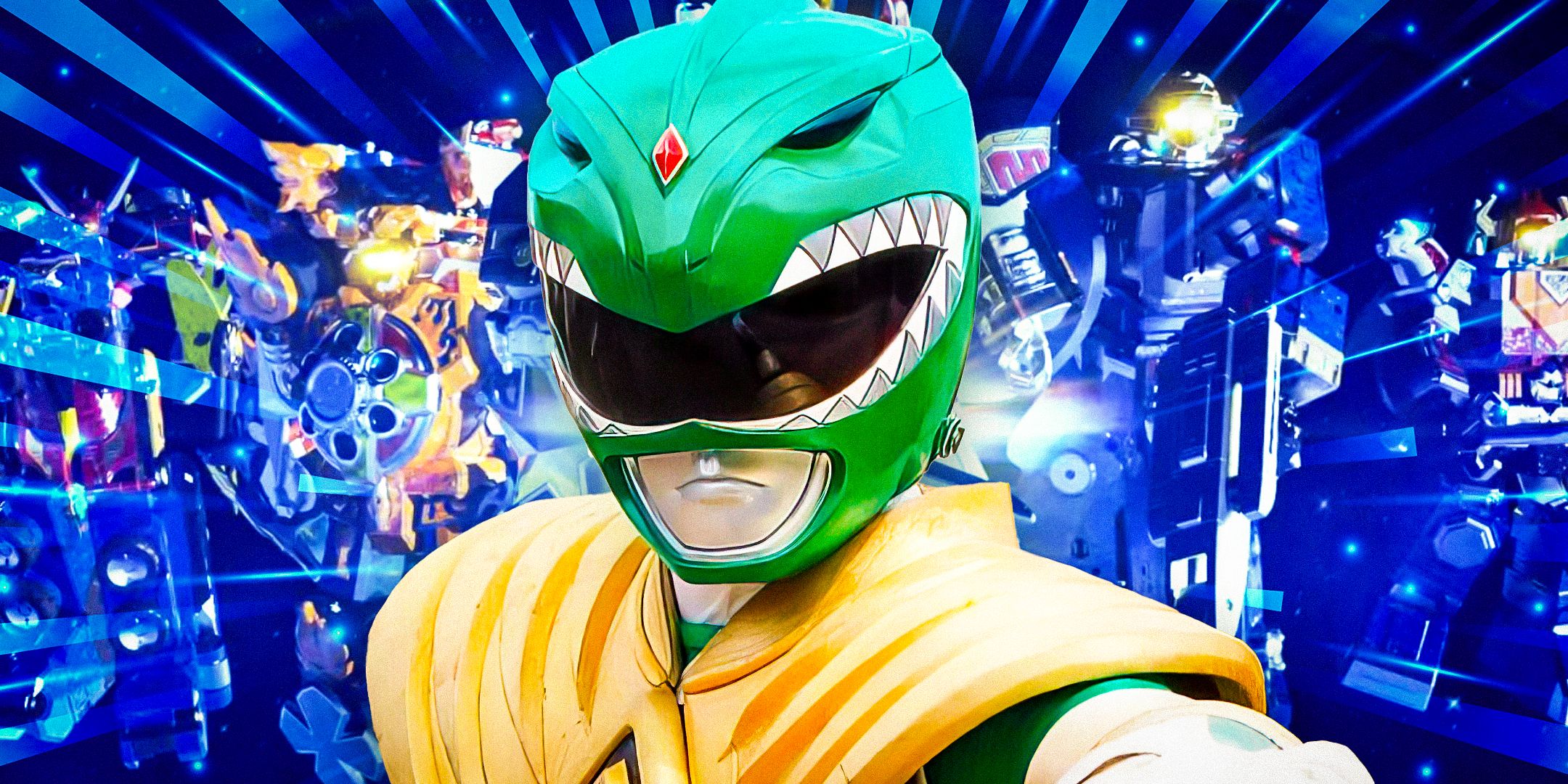
The Green Ranger in Power Rangers Ninja Steel underwent a significant structural shift compared to traditional seasons, most notably by being an original Ranger suit design created exclusively for Power Rangers in the United States, ut...
The Green Ranger in Power Rangers Ninja Steel underwent a significant structural shift compared to traditional seasons, most notably by being an original Ranger suit design created exclusively for Power Rangers in the United States, utilizing footage from Shuriken Sentai Ninninger where no equivalent Green Ranger existed.
Contents
The Adaptation Background of Power Rangers Ninja Steel
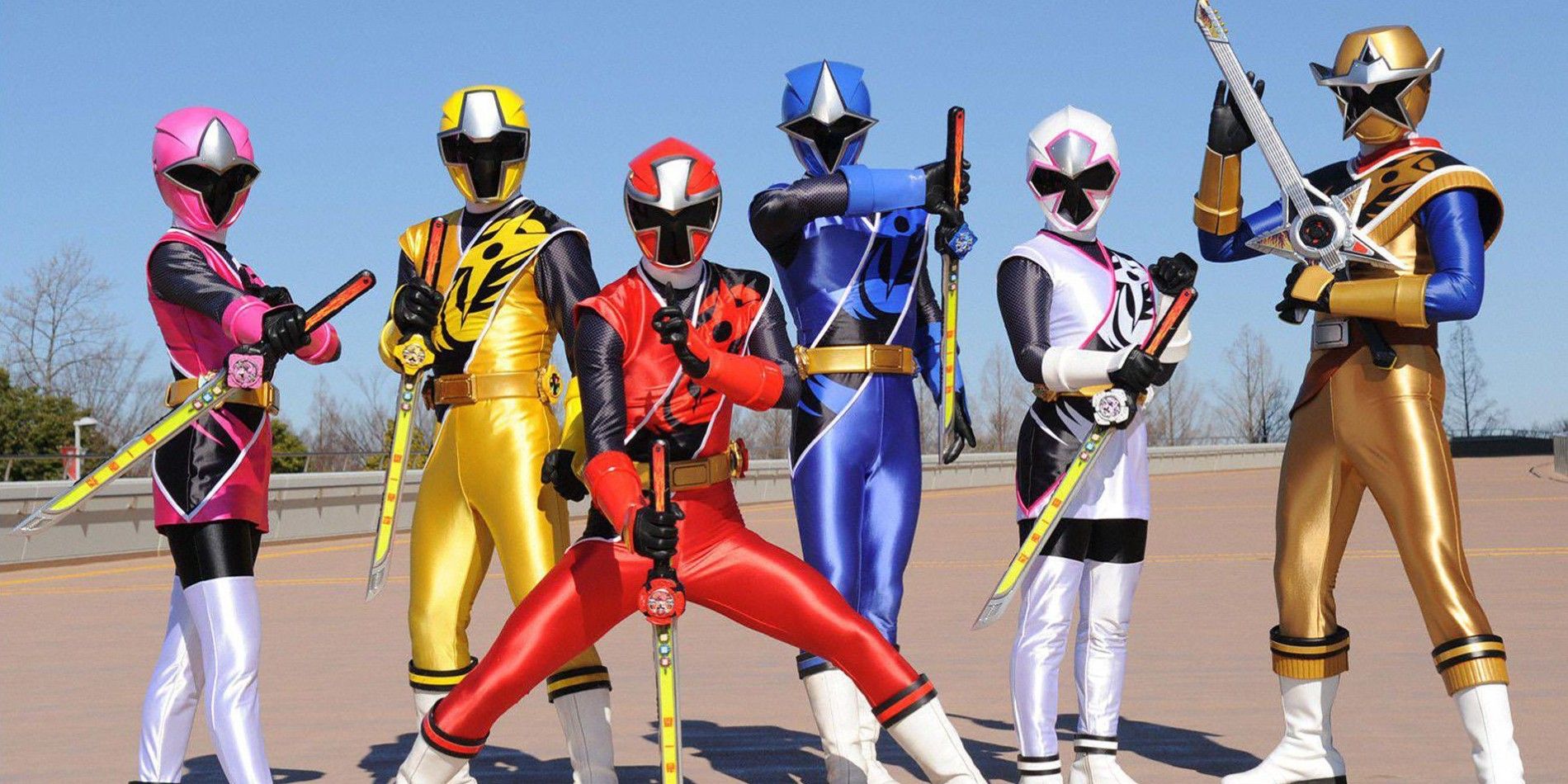
Understanding what changed regarding the Green Ranger in Power Rangers Ninja Steel requires examining the unique production model of the Power Rangers franchise. Saban Brands, and later Hasbro, adapted source material from Japan's long-running Super Sentai television franchise. Power Rangers Ninja Steel (which aired in 2017) and its second season, Power Rangers Super Ninja Steel (2018), were adapted from the 2015 Japanese series Shuriken Sentai Ninninger.
In Shuriken Sentai Ninninger, the core team consisted of five primary Rangers: Aka Ranger (Red), Ao Ranger (Blue), Ki Ranger (Yellow), Shiro Ranger (White), and Midoringer/Starninger variants. However, the Japanese series did not feature a standard core Green Ranger. Instead, the production team for the American adaptation needed to introduce a Green Ranger to fill a classic team color slot that fans had come to expect, leading to historical production hurdles and creative solutions.
The Creation of the Ninja Steel Green Ranger
To introduce a Green Ranger into Power Rangers Ninja Steel, the production crew utilized a mix of original American-shot footage, known as "suit-actor" footage, and clever editing to blend the new character seamlessly with Japanese source material where the Green Ranger was absent.
Because the original Ninninger suits did not include a green counterpart for the main team, the costume design had to match the aesthetic, fabric texture, helmet styling, and ninja motif of the rest of the Ninja Steel team. The resulting Green Ranger suit was custom-built in the United States. This distinction made the character an anomaly in the franchise's history of adaptation, mirroring past instances where Rangers were created entirely for the American audience, such as the Titanium Ranger in Power Rangers Lightspeed Rescue or the Spirit Rangers in Power Rangers Jungle Fury.
| Aspect | Shuriken Sentai Ninninger (Source) | Power Rangers Ninja Steel (Adaptation) |
|---|---|---|
| Core Ranger Colors | Red, Blue, Yellow, White, Pink/Gold variants | Red, Blue, Yellow, White, Pink, and Green |
| Green Ranger Presence | None in the core team lineup | Featured as a core team member |
| Footage Origin | 100% Japanese Tokusatsu footage | Hybrid of Japanese footage and US-shot scenes |
| Suit Origin | Toei Company original designs | Custom American-designed suit for the Green slot |
Production Challenges and Visual Integration
Integrating a custom Green Ranger into a series heavily reliant on pre-existing Super Sentai footage introduces distinct operational challenges for directors, stunt coordinators, and editors.
When a television series relies on matching stock footage from an overseas production, adding a character that does not exist in that footage requires meticulous planning. The production team must:
- Shoot original non-transform (civilian) and transformed (suited) scenes on local American sets.
- Match lighting, camera angles, and action choreography to blend seamlessly with the imported Japanese action sequences.
- Limit the Green Ranger's presence in large group battle scenes where clear, dynamic interactions with enemy monsters rely strictly on Ninninger source material.
Despite these hurdles, the production team utilized clever framing, dedicated US stunt doubles, and custom fight scenes to ensure the Green Ranger felt like an organic part of the core team rather than an afterthought.
Character Identity and Narrative Role
Beyond the suit design and production logistics, the narrative role of the Green Ranger in Power Rangers Ninja Steel fit neatly into the overarching seasonal lore. The series follows a group of teenage heroes who harness the power of the Ninja Steel—mysterious, powerful meteors forged into Ninja Power Stars by a legendary warrior.
The addition of the Green Ranger expanded the team's tactical dynamics, providing an extra set of hands in combat against the villainous Galvanax and his fierce contestants on the reality game show Warrior Peak. While the Ranger's identity followed the traditional teen-hero tropes of the franchise—emphasizing teamwork, resilience, and personal growth—the meta-context of the character's creation remains its most defining attribute among television historians and dedicated fandom communities.
Frequently Asked Questions
Was the Green Ranger in Power Rangers Ninja Steel based on a Super Sentai character?
No. Unlike the Red, Blue, Yellow, White, and Pink Rangers whose suits and combat footage were adapted directly from Shuriken Sentai Ninninger, the Green Ranger suit was entirely an American creation designed specifically for Power Rangers Ninja Steel.
How did the show handle fight scenes without Japanese footage for the Green Ranger?
The production team filmed custom battle sequences using American stunt actors wearing the custom Green Ranger suit. These scenes were edited alongside the imported Super Sentai footage to maintain visual continuity.
Are there other seasons of Power Rangers with custom-made Rangers?
Yes. The franchise has occasionally created original Rangers when the narrative or toy line demanded it. Notable examples include the Titanium Ranger in Power Rangers Lightspeed Rescue and the Spirit Rangers in Power Rangers Jungle Fury.
What weapon did the Green Ranger use in Ninja Steel?
The Green Ranger utilized standard Ninja Steel weaponry and Power Stars shared across the team, alongside custom choreography shot locally during American production blocks to showcase the character's unique combat style.
Conclusion and Next Actions
The evolution of the Green Ranger in Power Rangers Ninja Steel represents a fascinating intersection of international television adaptation and creative problem-solving. By bridging the gap between Japanese source material and American television demands, the production team delivered a fan-favorite aesthetic despite lacking direct counterpart footage. For deeper research into tokusatsu history, examine production documentaries or official anniversary guidebooks detailing the transition from Super Sentai to Power Rangers.
Image Gallery