Should You Install Outdoor Digital Message Boards? A Strategic ROI & Operational Guide
Installing outdoor digital message boards—commonly referred to as Electronic Message Centers (EMCs)—is generally a high-yield investment for organizations with physical storefronts, high passing vehicle traffic, or frequently changing...
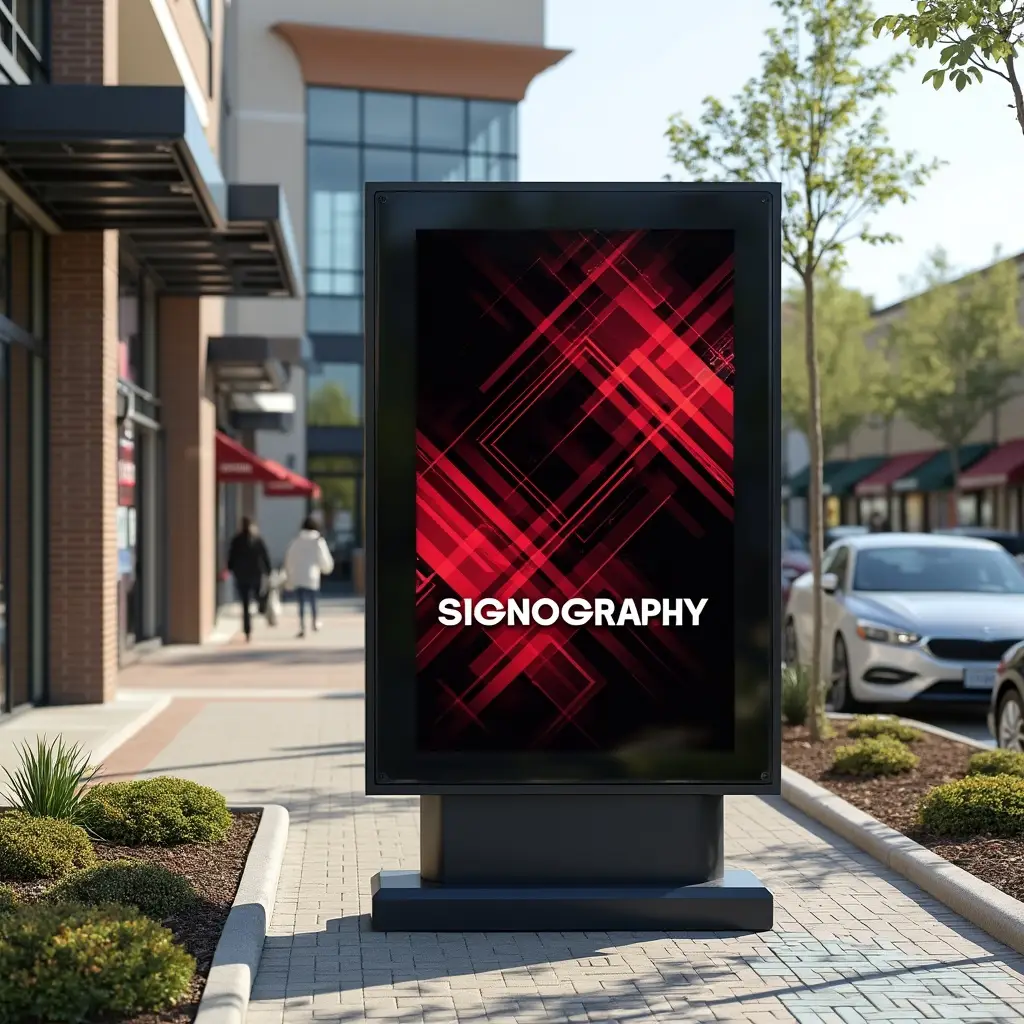
Installing outdoor digital message boards—commonly referred to as Electronic Message Centers (EMCs)—is generally a high-yield investment for organizations with physical storefronts, high passing vehicle traffic, or frequently changing operational announcements. While the initial capital expenditure is higher than static signage, digital message boards deliver substantially higher visibility, lower ongoing updates cost, and real-time communication capabilities.
Contents
However, deciding whether to install an outdoor digital sign depends heavily on your property’s location, local municipal zoning restrictions, target audience viewing distance, and long-term operating budget.
Evaluating the Core Business Case: Digital Signage vs. Static Display
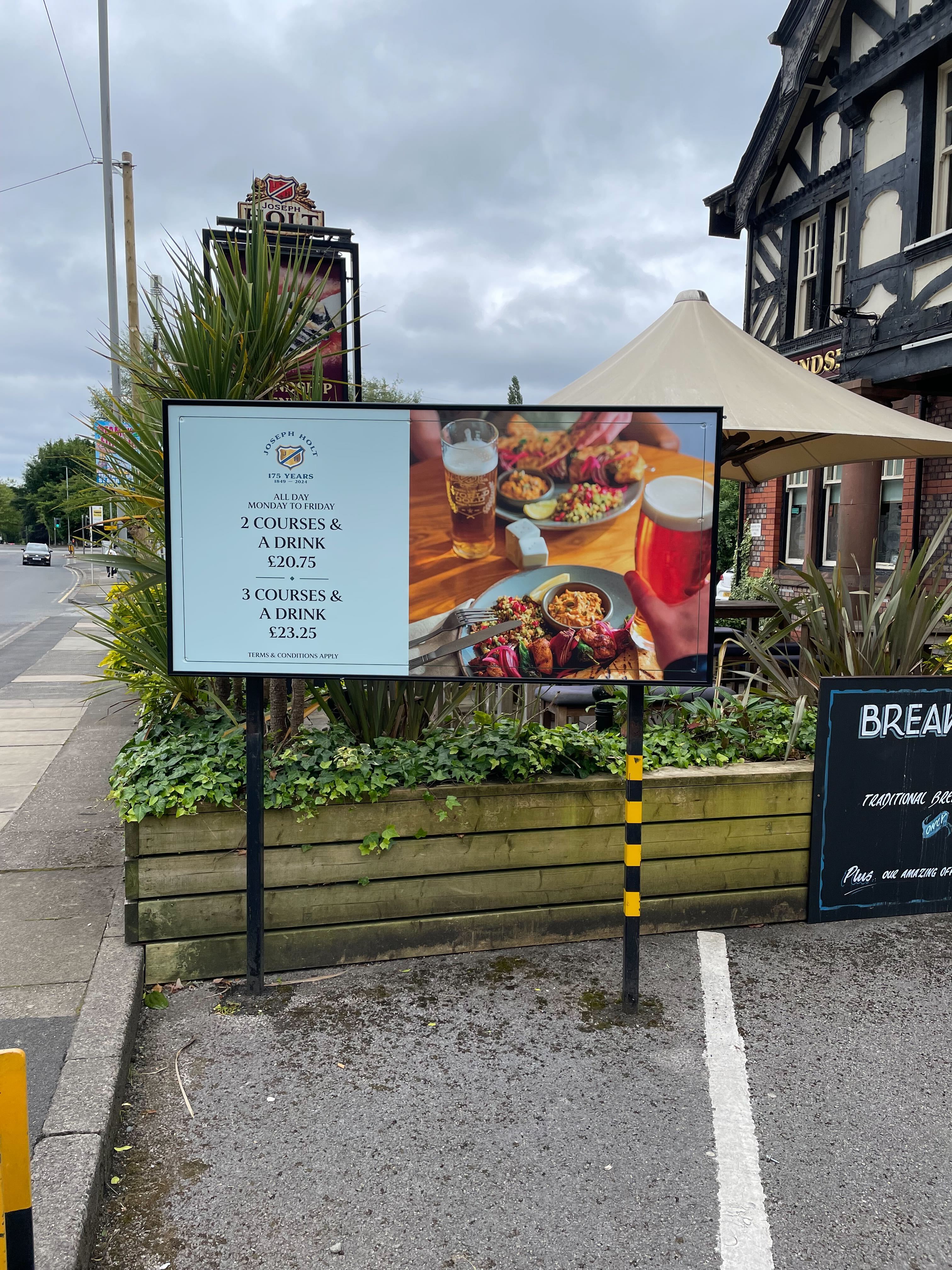
Transitioning from static vinyl, painted wood, or manual reader boards to an outdoor digital message board represents a shift from passive branding to dynamic communication. Traditional signs require manual labor, printing lead times, and recurring physical expenses whenever a promotion, schedule change, or community announcement occurs. Digital message boards eliminate these friction points by allowing immediate, remote updates across multiple messaging queues.
For retail businesses, auto dealerships, service centers, and municipal entities, the primary driver for installation is message velocity. An outdoor LED display enables an organization to run targeted time-of-day advertising—such as promoting breakfast items in the morning and dinner specials in the afternoon—without paying for separate advertising runs. According to research from the Federal Highway Administration (FHWA), driver attention and comprehension remain high when digital displays adhere to standardized hold times and legibility guidelines, proving their effectiveness in capturing on-the-road impressions.
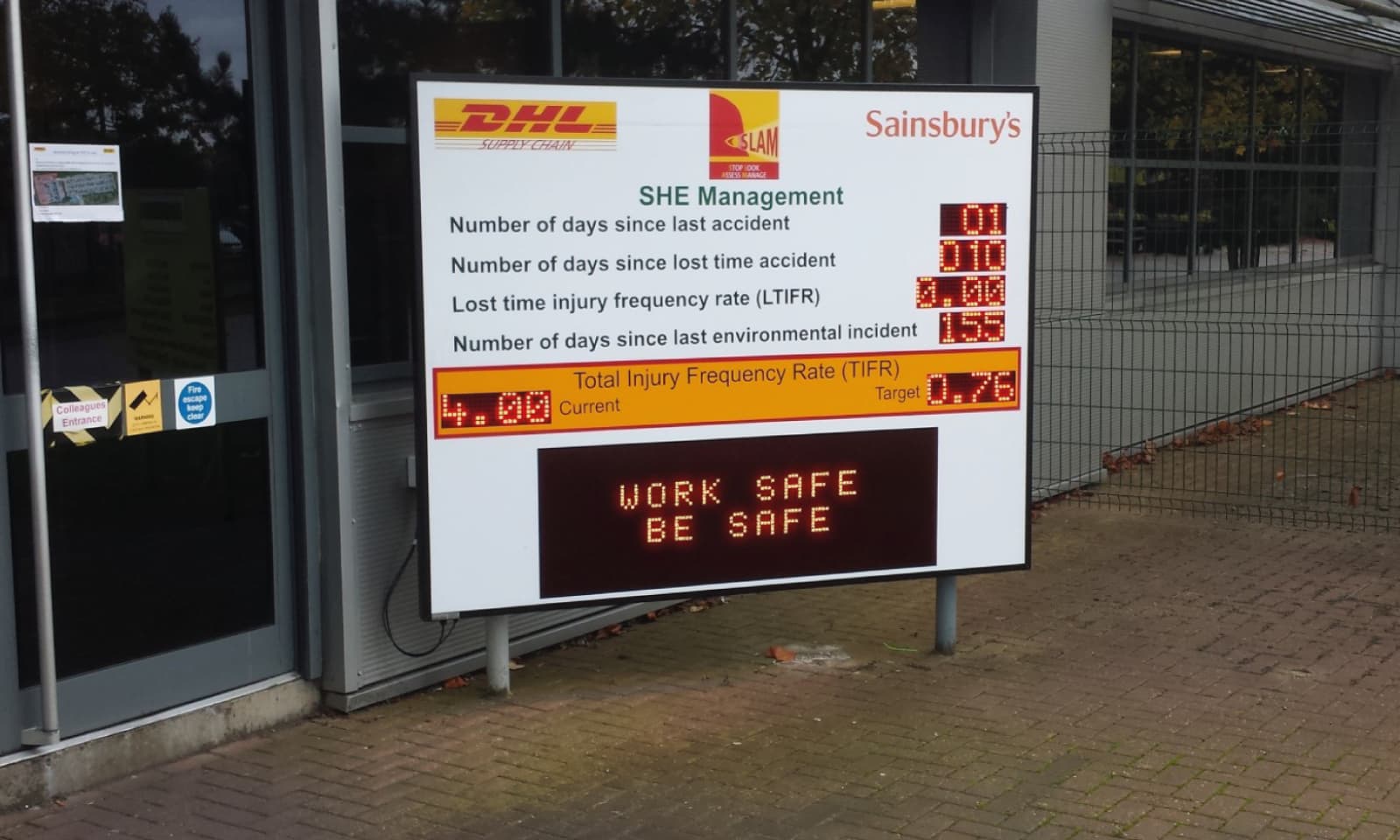
Additionally, digital message boards enhance public safety and emergency responsiveness. Schools, houses of worship, fire departments, and municipal offices utilize outdoor digital signs to broadcast severe weather warnings, Amber Alerts, or urgent facility closures instantly. When evaluating whether to install one, consider how often your message changes; if your organization updates announcements more than twice a month, an electronic display rapidly offsets its operational labor costs.
Financial Breakdown: Capital Costs, Energy Usage, and Expected ROI
A clear understanding of the total cost of ownership (TCO) is essential before committing to an outdoor digital sign installation. Capital costs extend beyond the screen assembly itself to include structural engineering, mounting frames, electrical supply runs, permitting fees, and software integration.
Total First-Year Cost = Hardware Purchase + Structural Engineering & Permits + Electrical Installation + CMS License
Capital Expenditure Breakdown
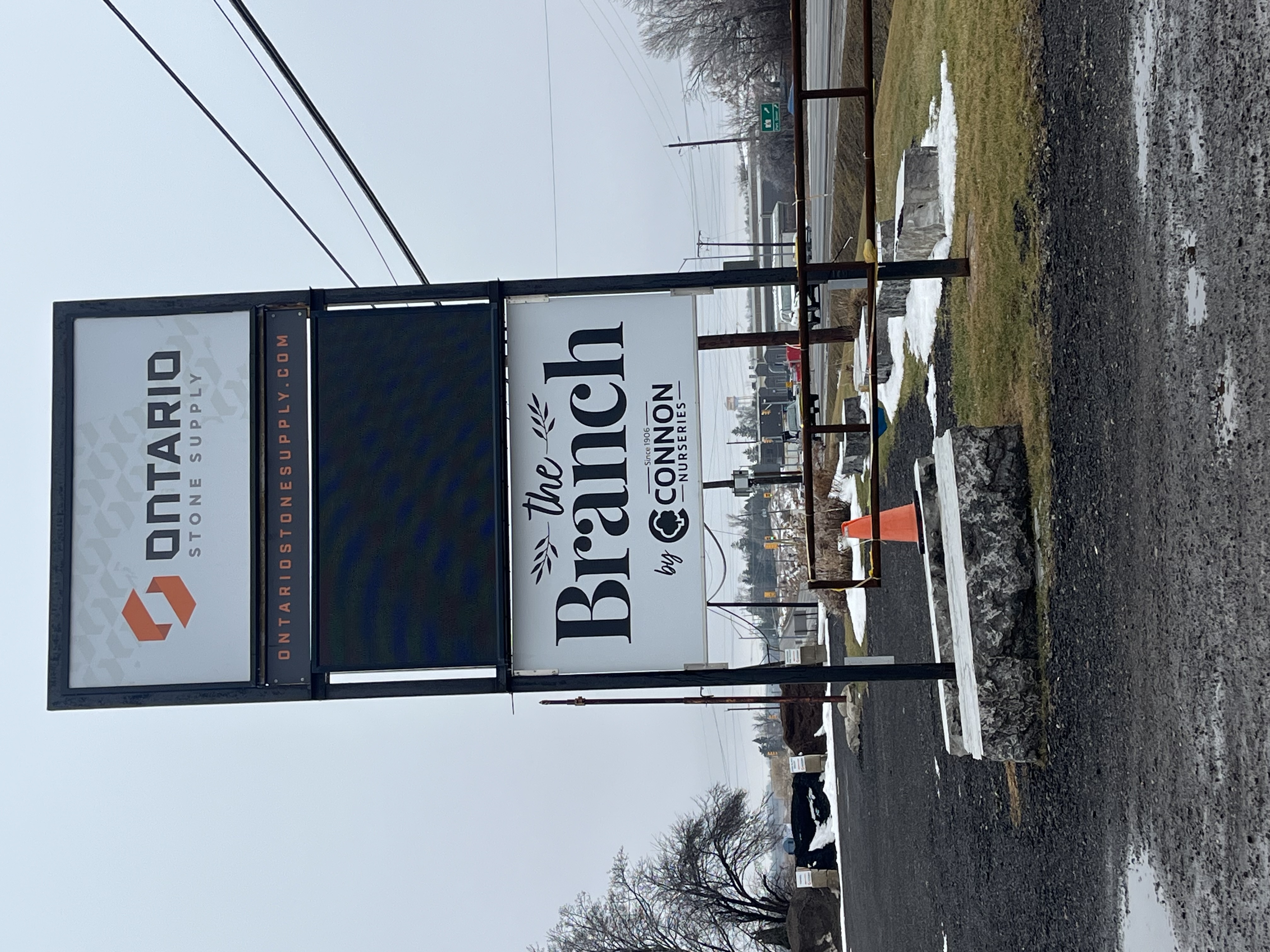
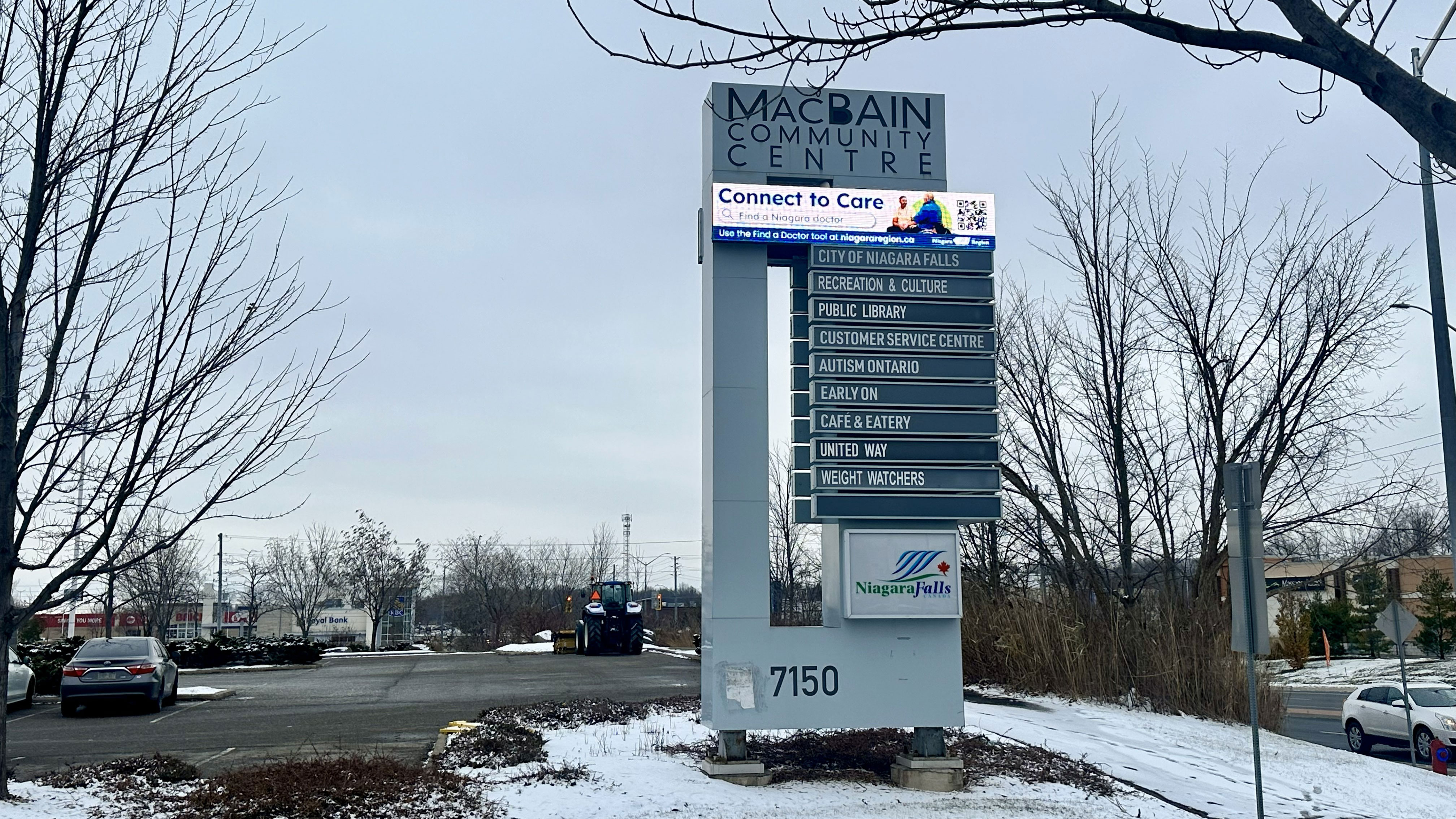
- Small to Mid-Sized Monolith/Monument EMCs: Small-format digital message boards integrated into existing brick or aluminum monument signs generally cost between $7,000 and $18,000, depending on resolution and single- versus double-sided configuration.
- Large Pylon & Highway Displays: High-standing pylon signs designed for interstate visibility or large auto mall plazas can range from $25,000 to over $80,000 due to structural steel engineering, foundation footings, and wind-load certifications.
- Electrical Infrastructure and Permitting: Extending dedicated 120V/240V power lines, installing electrical disconnects, and securing municipal sign permits typically add $1,500 to $5,000 to the total upfront project invoice.
Operational Expenditures and Energy Consumption
Modern outdoor digital message boards utilize high-efficiency Surface-Mount Device (SMD) LEDs or Direct-Mounted DIP LEDs. Power consumption varies based on screen brightness, ambient temperature, and display size. On average, a standard double-sided 3x6-foot display consumes between 300 and 800 watts under standard operating conditions, resulting in an estimated monthly electricity cost of $25 to $70.
Cloud-based Content Management System (CMS) software subscriptions typically add $200 to $600 per year per sign. These platforms provide secure remote scheduling, automated brightness dimming, diagnostic monitoring, and multi-user access controls.
Measuring Return on Investment (ROI)
The ROI of an outdoor digital display is calculated primarily through Cost Per Thousand (CPM) impressions. Compared to traditional billboards, direct mail, or digital search advertising, on-premise digital signage delivers one of the lowest CPM rates available because it leverages daily foot and vehicle traffic already passing your location.
| Factor | Static Monument Sign | Manual Letter Board | Outdoor Digital Message Board |
|---|---|---|---|
| Upfront Capital Cost | Low ($2,000 – $6,000) | Moderate ($3,000 – $8,000) | High ($7,000 – $40,000+) |
| Labor Cost per Update | High (Requires reprint/installer) | Moderate (Manual physical placement) | Zero (Automated software schedule) |
| Update Speed | 3 to 10 days | 15 to 30 minutes | Instantaneous (Real-time) |
| Visibility Range | Fixed contrast; poor at night | Poor visibility in bad weather | High impact; 5,000–10,000 nits day/night |
| Dynamic Scheduling | None | None | Time-of-day, weather, & date triggered |
| Estimated Lifespan | 5 to 10 years | 5 to 7 years | 100,000 hours (~8 to 10 years) |
Key Technical Specifications to Demand Before Purchasing
Selecting the wrong hardware parameters can result in an unreadable sign, excessive light pollution complaints, or premature component failure. Ensure your display specifications match your site’s geometric and environmental requirements.
Pixel Pitch and Viewing Distance
Pixel pitch measures the distance (in millimeters) from the center of one LED cluster to the center of the adjacent LED cluster. A smaller pixel pitch results in higher display resolution. Matching pixel pitch to viewing distance prevents pixelated graphics and unnecessary overspending on high-density displays.
- 4mm to 6mm Pitch: Best for close-range pedestrian traffic, slow-moving urban streets (under 25 mph), or low-mounted monument signs where viewers stand within 10 to 20 feet.
- 8mm to 10mm Pitch: The industry standard for commercial arterial roads with vehicle speeds between 35 mph and 50 mph and viewing distances between 30 and 100 feet.
- 12mm to 16mm Pitch: Designed for high-speed interstates, elevated pylon signs, or long-distance viewing requirements exceeding 150 feet.
Brightness, Nits, and Auto-Dimming Capabilities
Outdoor digital message boards must overcome direct sunlight during midday while avoiding driver glare at night. Look for displays rated between 5,000 and 10,000 nits (candela per square meter) for daytime operation.
Equally important is an integrated photocell ambient light sensor that automatically adjusts output levels. Nighttime illumination should drop to between 300 and 500 nits to meet safety guidelines established by organizations like the Illuminating Engineering Society (IES), preventing light trespass into neighboring residential areas.
Weatherproofing, IP Ratings, and Thermal Management
Outdoor environments expose digital hardware to rain, snow, salt air, and extreme temperature swings. Verify that the LED modules feature an Ingress Protection rating of at least IP65 on the front (dust-tight and water-jet resistant) and IP54 on the rear enclosure. Fully encapsulated silicone gel coating over circuit boards (conformal coating) protects internal electronics against oxidation and ambient humidity.
Internal heat build-up shortens LED lifespans. Ensure the cabinet utilizes efficient passive convection cooling or temperature-controlled internal fan systems, eliminating the need for high-maintenance commercial HVAC units wherever possible.
Regulatory and Zoning Hurdles: Permits and Light Ordinances
Before requesting quotes or signing installation contracts, verify local municipal sign codes. Zoning regulations are often the deciding factor in whether an outdoor digital message board project can proceed.
Site Planning -> Zoning Verification -> Permit Application -> Structural Engineering -> Electrical Hookup -> Sign Activation
Common Municipal Restrictions
- Hold Times (Static Dwell Time): Most municipalities mandate that each message frame remain static for a minimum duration—typically 8 seconds, 12 seconds, or 60 seconds—to minimize driver distraction.
- Transition Effects: Many local codes prohibit video playback, scrolling text, flashing lights, or sudden animation, requiring instantaneous frame transitions.
- Light Pollution Limits (Foot-Candle Ordinances): Municipalities increasingly enforce maximum brightness levels measured in foot-candles. A common rule dictates that the sign’s illumination cannot increase ambient light levels by more than 0.3 foot-candles above background levels when measured at a defined distance using a foot-candle meter.
- Setback and Size Limits: Local codes strictly govern sign height, overall square footage, and physical distance (setbacks) from property lines, rights-of-way, and residential zones.
To navigate these requirements, consult the United States Small Business Administration (SBA) for general guidelines on local business compliance, and partner with a licensed sign vendor who handles site surveys, variance applications, and local zoning board presentations on your behalf.
Decision Matrix: Who Should Install (and Who Should Wait)?
An outdoor digital message board is a long-term capital investment that requires alignment between organizational communication goals, site geography, and financial capacity.
High-Suitability Candidates
- Schools and Universities: Ideal for communicating athletic schedules, parent alerts, drop-off rules, and student achievements in real time.
- Houses of Worship: Highly effective for publishing service schedules, community events, and seasonal outreach messages to local neighborhood traffic.
- Retail Centers & Auto Dealerships: Excellent for running daily inventory promotions, sales events, and dynamic time-of-day pricing adjustments.
- Municipal Agencies & Emergency Services: Essential for broad public communication, safety announcements, road closures, and civic news.
Candidates Who Should Wait or Reevaluate
- Low-Traffic Side Streets: If your property receives negligible vehicle or pedestrian traffic, the high capital outlay will not generate sufficient impression volume to justify the ROI.
- Strictly Regulated Historic Districts: Historic preservation boards frequently prohibit illuminated or digital signage entirely to preserve architectural aesthetics.
- Businesses on Short-Term Leases: If you occupy a property under a short-term lease (under 3 years) without landlord commitments to purchase the fixture, structural sign installation costs are difficult to amortize.
Frequently Asked Questions
How long do outdoor digital message boards typically last?
Quality outdoor commercial LED signs are rated for approximately 100,000 hours of continuous operation. In practical terms, this translates to 8 to 11 years of operational life, depending on duty cycles, ambient operating temperatures, and adherence to routine cabinet fan and filter maintenance.
Can outdoor digital signs display full-motion video?
Technically, yes, modern high-resolution displays can render full-motion video smoothly. However, the majority of municipal zoning codes prohibit full-motion video, flashing elements, or continuous animation on roadside signs to comply with traffic safety and driver distraction standards. Always check local sign ordinances before planning video-based content.
What happens if an individual LED module or pixel fails?
Modern digital display cabinets feature modular construction. If an individual diode or panel fails, you do not need to replace the entire sign. A technician can remove the affected front-serviceable LED module (typically a 1x1 foot or 1x2 foot tile) and snap a spare module into place within minutes without interrupting the rest of the display.
How are messages updated on an outdoor electronic sign?
Digital message boards are managed using cloud-based Content Management System (CMS) software. Users log into a web browser or mobile app from anywhere to design slides, type text updates, set automated calendars, and send content directly to the sign via cellular modems, Wi-Fi bridges, or hardwired Ethernet connections.
Are outdoor digital displays susceptible to cyber security threats?
Like any networked device, digital signs require security protocols. Enterprise-grade displays mitigate risk by routing traffic through encrypted cloud management platforms, disabling external USB access, using secure VPNs for cellular data transfer, and employing multi-factor authentication (MFA) for administrative access.
Final Recommendation: Next Steps for Project Approval
If your organization benefits from frequent message updates, sits along a high-traffic roadway, and holds the capital or financing capacity for an upfront equipment purchase, installing an outdoor digital message board is one of the most effective physical marketing and communication investments available.
To execute your project efficiently:
- Obtain an official copy of your local municipality's sign ordinance to verify allowable size, height, and display transition rules.
- Order a professional site survey to measure viewing distance, vehicle speed, and available electrical capacity.
- Request competitive quotes from established, UL-listed sign manufacturers that include structural engineering, site installation, warranty coverage (minimum 5-year parts warranty), and ongoing technical software support.
Image Gallery