Harry Maguire Chips Whats the Real Story: Unpacking the Viral Football Myth
The phrase "Harry Maguire chips whats the real story" refers to a persistent internet myth and viral social media joke claiming that the English professional footballer Harry Maguire launched a business venture manufacturing potato chi...
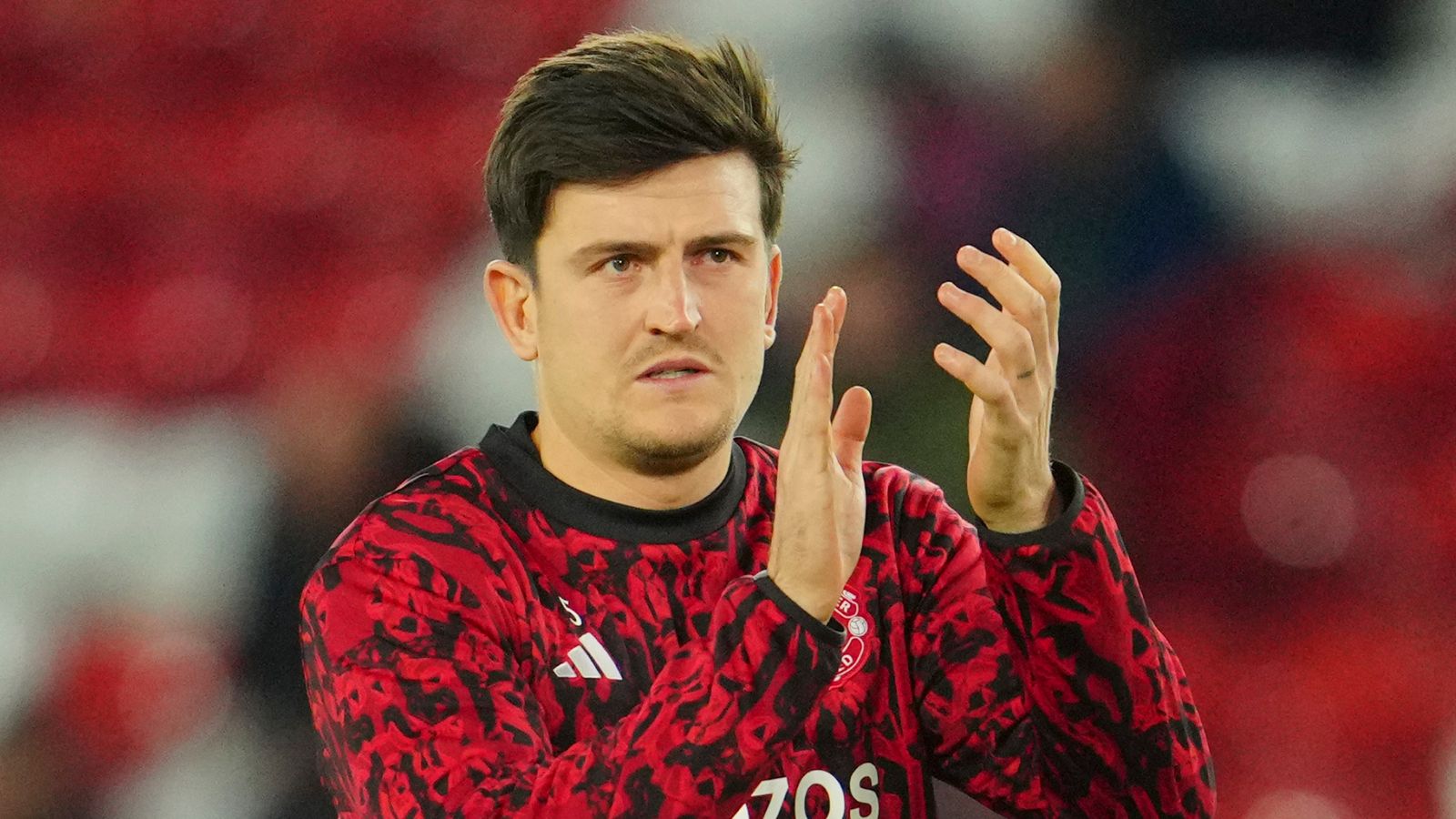
The phrase "Harry Maguire chips whats the real story" refers to a persistent internet myth and viral social media joke claiming that the English professional footballer Harry Maguire launched a business venture manufacturing potato chips or crisps. In reality, the central story is entirely fictitious, born from meme culture, internet satire, and the unique brand of online banter that frequently targets high-profile athletes.
Contents
The Origins of the Harry Maguire Chip Rumor
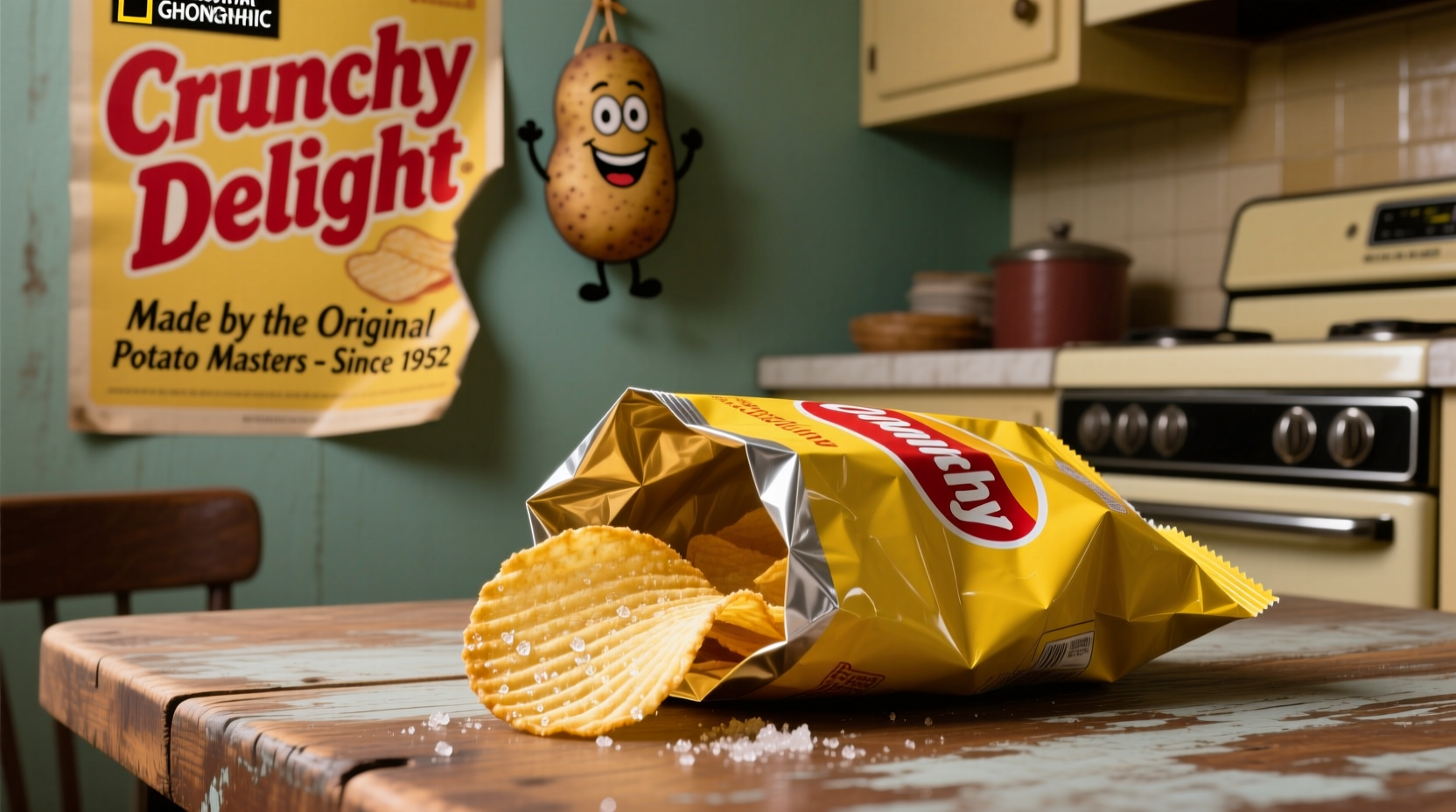
To understand how a professional center-back playing in the English Premier League became associated with snack foods, it is necessary to examine the mechanics of modern football meme culture. Social media platforms like X (formerly Twitter), TikTok, and Reddit are fertile ground for satirical news stories. The rumor regarding Harry Maguire launching a brand of potato chips typically surfaces in waves, driven by humorous accounts that generate fake press releases, edited product mockups, and fabricated quotes.
These jokes often play on the juxtaposition of a serious, high-stakes athletic career with mundane, everyday consumer products. Because Maguire has frequently been a central figure in football discourse—subject to intense scrutiny, both fair and unfair, regarding his performances for Manchester United and the England national team—his name reliably drives high user engagement. Internet trolls and meme creators leverage this visibility to construct elaborate fictional narratives, occasionally fooling casual sports fans who scroll past headlines without checking primary sources.
How Satirical Content Spreads on Social Media
- The Initial Post: A satirical account crafts a believable yet absurd claim, such as Maguire opening a factory in Yorkshire dedicated to salt-and-vinegar crisps.
- Visual Fabrication: Creators sometimes use basic photo-editing software to place the player's face on a generic bag of chips, lending a veneer of authenticity to the joke.
- Amplification: Users who recognize the joke retweet or comment for comedic effect, while algorithmic feeds push the trending topic to users who lack the context, mistaking the satire for real news.
- Mainstream Confusion: As the rumor accumulates hundreds of thousands of impressions, it occasionally prompts genuine confusion among supporters wondering if their favorite defender has quietly pivoted to the snack-food industry.
Verifying the Facts: Does Harry Maguire Own a Crisps Company?
A rigorous check of corporate registries, official player endorsements, and verified news outlets confirms that Harry Maguire has no professional or financial connection to any potato chip brand. His commercial portfolio consists of traditional athletic partnerships, sportswear endorsements, and promotional agreements typical of elite international footballers.
When athletes invest in or launch food and beverage brands, these ventures are invariably announced through official club channels, verified personal social media accounts, and reputable business journals. In Maguire’s case, no such corporate filings exist. The "chips" narrative exists solely within the digital ecosystem of football memes and satirical sports commentary.
| Claim | Reality | Source/Verification |
|---|---|---|
| Harry Maguire launched a potato chip brand | Completely false; a viral internet meme | Social media satire, absence of corporate filings |
| Official club press release regarding snacks | Non-existent | Manchester United and FA official media channels |
| Endorsement deals with food companies | Limited to standard athletic and lifestyle brands | Verified commercial partnerships and PR announcements |
Why High-Profile Athletes Attract Absurd Internet Rumors
The phenomenon surrounding Harry Maguire highlights a broader cultural trend in how digital communities interact with sports stars. Modern football fandom is deeply intertwined with internet culture, where hyperbole and surreal humor frequently replace standard journalistic reporting.
Athletes with massive global profiles function as public canvases. When a player experiences a dip in form or becomes a frequent topic of debate, they simultaneously become a magnet for viral jokes. These memes are rarely malicious in their primary intent—though online harassment remains a serious issue in professional sports—but rather serve as an inside joke shared among millions of digital spectators.
The potato chip rumor is relatively harmless compared to transfer window fabrication or personal life speculation, representing a bizarre subgenre of sports satire where an elite defender is reimagined as an everyday entrepreneur peddling snack foods.
Frequently Asked Questions
Did Harry Maguire actually release a brand of chips?
No, Harry Maguire has never released, endorsed, or manufactured a brand of potato chips. The story is entirely a piece of internet satire and viral meme culture designed for comedic effect on social media platforms.
Where did the Harry Maguire chip rumor start?
The rumor originated across various football-focused social media accounts on platforms like X and TikTok, where users frequently generate fake, humorous news items about high-profile players to drive engagement and online banter.
Are there any real business ventures associated with Harry Maguire?
While professional athletes frequently invest in real estate, lifestyle brands, and private equity, Maguire's public commercial footprint remains centered on standard athletic endorsements and community initiatives rather than consumer food products like crisps.
How can fans verify whether viral football transfer or business news is true?
Fans should always cross-reference breaking news with tier-one sports journalism outlets, official club websites, and verified personal social media channels. If a major career move or business launch is missing from these primary sources, it is almost certainly fabricated.
Next Steps for Sports Consumers
When encountering viral claims involving athletes—whether they involve snack brands, unexpected career moves, or bizarre controversies—it is essential to exercise digital literacy. Check the source of the claim, look for independent verification from established sports journalists, and recognize that algorithmic social media platforms often reward sensationalism over accuracy. By keeping these principles in mind, readers can easily separate genuine sports journalism from internet fiction.
Image Gallery