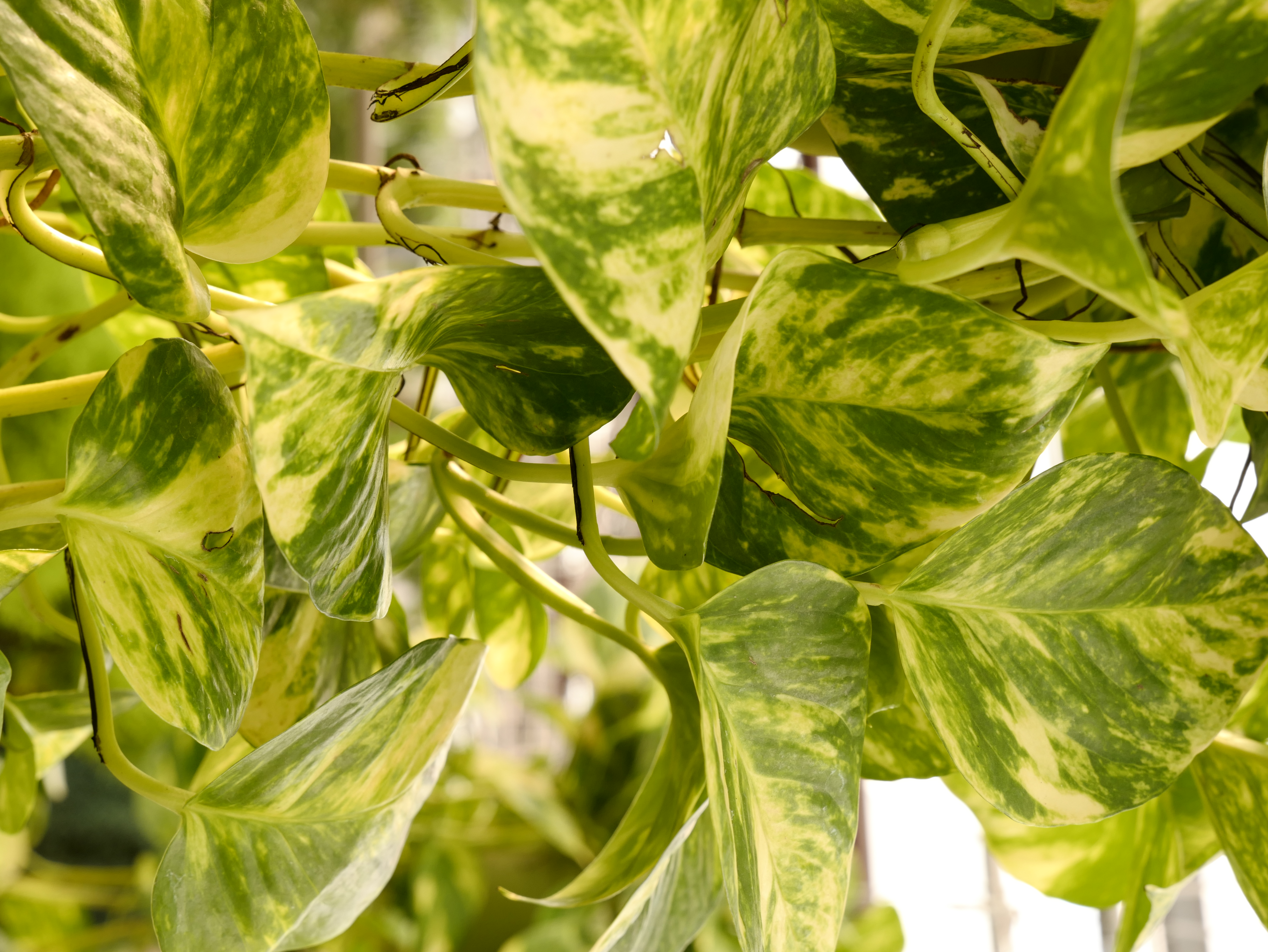
Dakota Sage: A New Frontier in Indoor Plant Care
Dakota Sage, specifically the refined indoor cultivars of the Salvia "Dakota" series, represents a significant shift in indoor horticulture by bridging the gap between rugged, outdoor prairie resilience and the aesthetic requirements o...
Dakota Sage, specifically the refined indoor cultivars of the Salvia "Dakota" series, represents a significant shift in indoor horticulture by bridging the gap between rugged, outdoor prairie resilience and the aesthetic requirements of modern interior design. In 2026, this plant has become a staple for urban gardeners due to its unique silver-blue foliage, drought-resistant physiology, and its ability to thrive in the variable humidity of climate-controlled environments.
Contents
The Evolution of Dakota Sage in Indoor Spaces
Historically, sage was categorized strictly as an outdoor perennial or a short-lived kitchen herb. However, the "Dakota" lineage—originally developed for the harsh, fluctuating temperatures of the North American plains—underwent a series of selective breeding programs to adapt its root system for container life. This transition marks what many horticulturists call a "new frontier," where plants previously considered "too wild" for the home are now optimized for biological air purification and biophilic aesthetics.
The primary appeal of Dakota Sage in 2026 lies in its structural integrity. Unlike many common houseplants that become "leggy" or sparse in lower light, Dakota Sage maintains a compact, mounded habit. Its leaves are covered in fine, trichome hairs that give it a dusty, sage-green to silver appearance. These hairs are a physiological adaptation that prevents moisture loss, making the plant an ideal candidate for "set-it-and-forget-it" care routines that have become popular among busy professionals.
Essential Botanical Characteristics
Understanding the biological makeup of Dakota Sage is the first step toward successful cultivation. As a member of the Lamiaceae family, it shares the square stems and aromatic oils of mint and rosemary, but with a hardiness profile that is significantly more robust.
- Foliage: The leaves are lanceolate and textured, providing a high surface area for moisture regulation.
- Root System: Dakota Sage features a semi-fibrous root system that is highly efficient at oxygen exchange. This makes it less prone to the "root rot" that plagues tropical indoor plants like Monstera or Philodendron.
- Growth Rate: Under optimal 2026 indoor conditions, the plant grows at a moderate pace, reaching its full container height of 12 to 18 inches within a single growing season.
Comprehensive Care Requirements for 2026
To achieve the vibrant, silvery sheen that defines a healthy Dakota Sage, growers must move beyond basic watering schedules and look at the technical environmental variables of their living space.
Lighting: The PPFD Standard
While older gardening guides might simply say "bright light," modern indoor plant care utilizes Photosynthetic Photon Flux Density (PPFD). Dakota Sage requires a minimum of 300 to 450 μmol/m²/s to maintain its dense foliage. If you are relying on natural light, a south-facing window is essential. For those using supplemental LED grow lights, a "full spectrum" bulb with a peak in the blue and red wavelengths is necessary to prevent the plant from stretching toward the light source.
Substrate and Drainage Dynamics
The "new frontier" of care involves moving away from generic potting soil. Dakota Sage thrives in a highly porous substrate. A recommended mix includes:
- 40% Inorganic grit (pumice, perlite, or calcined clay).
- 40% High-quality peat-free compost.
- 20% Coarse sand.
This ratio ensures that the "perched water table"—the zone of saturated soil at the bottom of a pot—is minimized, allowing the roots to breathe even after a heavy watering.
Watering and the "Dry-Down" Cycle
Unlike tropical plants that require consistent moisture, Dakota Sage performs best when subjected to a distinct dry-down period. You should allow the top 50% to 75% of the substrate to dry out before watering again. When you do water, it should be a "deep soak" until water flows freely from the drainage holes. This mimics the heavy but infrequent rains of its native plains habitat, encouraging the roots to grow deeper into the pot.
Comparative Analysis: Dakota Sage vs. Traditional Indoor Herbs
In 2026, many enthusiasts are replacing traditional herbs like Common Sage (Salvia officinalis) or Lavender with Dakota Sage due to its superior indoor performance. The following table highlights the material differences in care and longevity.
| Feature | Dakota Sage (Indoor Hybrid) | Common Sage (S. officinalis) | French Lavender |
|---|---|---|---|
| Light Requirement | Moderate to High (LED compatible) | Very High (Requires direct sun) | Extreme (Rarely thrives indoors) |
| Humidity Tolerance | 30% – 60% (Broad range) | Low (Prefers dry air) | Very Low (Prone to fungal issues) |
| Lifespan Indoors | 3–5 Years (Perennial) | 1–2 Years (Often becomes woody) | 6–12 Months (High failure rate) |
| Aromatic Intensity | Substantial, earthy | High, culinary | High, floral |
| Pest Resistance | High (Thick leaf cuticle) | Moderate | Low (Spider mite prone) |
The Technology of Growth: Nutrients and Mycorrhizae
A key component of the Dakota Sage "frontier" is the integration of beneficial fungi. In 2026, the use of Arbuscular Mycorrhizal Fungi (AMF) has become standard for indoor woody perennials. These fungi form a symbiotic relationship with the Dakota Sage roots, effectively extending the root system’s reach and improving phosphorus uptake.
When fertilizing, avoid high-nitrogen "miracle" formulas. These lead to rapid, weak growth that lacks the characteristic silver color. Instead, use a balanced, slow-release organic fertilizer with an N-P-K ratio of 5-5-5 or 4-3-2. Apply this only during the active growing months (typically March through September) to avoid salt buildup in the soil during the plant’s semi-dormant winter phase.
Common Challenges and Troubleshooting
Despite its resilience, Dakota Sage is not invincible. Most issues stem from a misunderstanding of its "prairie" origins.
Leaf Yellowing (Chlorosis)
If the lower leaves turn yellow and soft, it is almost certainly a sign of overwatering. The plant’s metabolic rate slows down if the roots stay wet for more than three days. Check the drainage holes for blockages and increase the airflow around the base of the plant using a small fan if necessary.
Loss of Silver Color
If your Dakota Sage begins to look more green than silver, it is likely "reaching" for more light. The silver color is actually a protective mechanism against UV rays; without enough light, the plant stops producing the dense layer of trichomes. Moving the plant 12 inches closer to a window or increasing the intensity of your LED setup will usually resolve this within two weeks.
Powdery Mildew
While rare in the Dakota series, powdery mildew can occur if air circulation is stagnant and humidity exceeds 70%. In 2026, the preferred treatment is a biological fungicide containing Bacillus subtilis, which outcompetes the fungus without the need for harsh chemicals.
Biophilic Design and Aesthetic Integration
Dakota Sage is frequently cited by interior designers as a "neutralizer." Its muted tones allow it to fit into minimalist, Scandinavian, or Industrial aesthetics without clashing with bold colors. Unlike the vibrant green of a Fiddle Leaf Fig, Dakota Sage provides a structural, architectural element.
To maximize its visual impact:
- Container Choice: Use unglazed terracotta or breathable ceramic. These materials complement the plant’s earthy aesthetic and help regulate soil moisture.
- Grouping: Pair Dakota Sage with succulents or other silver-leafed plants like Senecio cephalophorus (Blazing Glory) to create a "cool-toned" garden corner.
Frequently Asked Questions
Is Dakota Sage edible like common kitchen sage?
While Dakota Sage is part of the Salvia genus and is generally non-toxic, it is primarily bred for ornamental and air-purification purposes. Its oils are more camphoraceous and less palatable than Salvia officinalis. For culinary needs, stick to traditional garden sage, but for indoor longevity and beauty, Dakota Sage is the superior choice.
Does Dakota Sage bloom indoors?
Yes, but blooming requires a specific "vernalization" or a period of slightly cooler temperatures (around 55°F–60°F) during the winter months. In the spring, it may produce spikes of deep blue or violet flowers. However, many growers choose to pinch these off to redirect the plant's energy into its striking silver foliage.
How do I prune Dakota Sage to keep it bushy?
Pruning should be done in early spring. Cut back the stems by about one-third, making sure to cut just above a leaf node. This encourages "axillary budding," where two new stems grow from the point of the cut, leading to a denser, more attractive plant.
Is it safe for pets?
According to the ASPCA guidelines for the Salvia genus, most sages are considered non-toxic to dogs and cats. However, the textured leaves of Dakota Sage can cause mild gastrointestinal upset if consumed in large quantities due to their high fiber and essential oil content.
Moving Forward with Dakota Sage
As we continue through 2026, the adoption of Dakota Sage marks a transition toward responsible indoor gardening. This plant does not demand the high-water, high-humidity environments that many tropical imports require, making it a more sustainable choice for the modern home.
To succeed, focus on the "Great Plains" mindset: provide intense light, allow the soil to breathe, and respect the plant's need for a rest period in the winter. By following these technical guidelines, you can maintain a piece of the Dakota frontier right in your living room for years to come.
Image Gallery