Comprehensive Guide to Jewish Death Traditions, Rites, and Mourning Practices
Jewish death traditions are deeply rooted in ancient biblical law, rabbinic interpretation, and centuries of communal custom designed to honor the deceased while providing structured psychological and spiritual comfort to the mourners....
Jewish death traditions are deeply rooted in ancient biblical law, rabbinic interpretation, and centuries of communal custom designed to honor the deceased while providing structured psychological and spiritual comfort to the mourners. These rituals emphasize the inherent dignity of the human body, the equality of all people in death, and a communal framework for processing grief through 2026 and beyond.
Contents
The Theological Foundation and Core Principles of Jewish Mourning
At the heart of Jewish death traditions lie three fundamental concepts: Kavod HaMet (honoring the dead), Nichum Avelim (comforting the mourners), and the belief in the transient nature of physical life coupled with the eternal nature of the soul. Unlike many other cultural traditions, Jewish law mandates that burial take place as quickly as possible, usually within 24 to 48 hours, unless delayed for major holidays or to allow close family members to travel.
The tradition strictly avoids unnecessary delays, embalming, and open-casket viewings. Embalming drains the body of its natural fluids, which runs counter to the principle of returning dust to dust. Similarly, open caskets and viewing practices are viewed as violations of Kavod HaMet, as they can compromise the dignity of the deceased and exacerbate the shock for the grieving family.
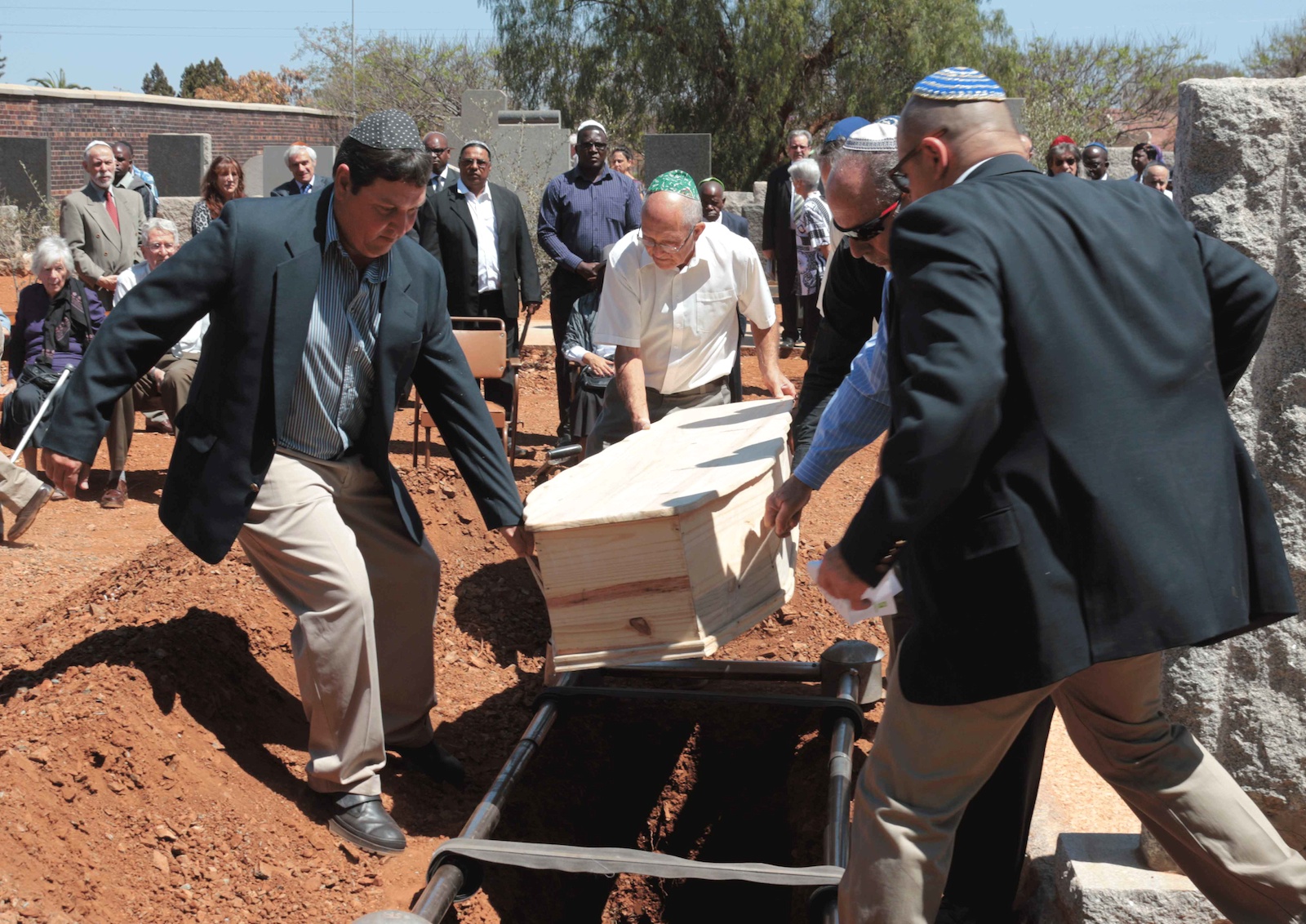
Core Philosophical Principle Equality in Death: In a traditional Jewish cemetery, all individuals are buried in simple, identical wooden caskets without metal parts, wearing plain white linen shrouds (tachrichim). This ensures that the wealthy and the impoverished enter the next realm entirely equal, stripped of earthly status symbols.
Immediate Post-Mortem Care and the Role of the Chevra Kadisha
When a death occurs, the immediate response is governed by ritual purity and protection of the deceased. The eyes and mouth of the deceased are closed, and the body is traditionally placed on the floor covered with a sheet, with a candle lit nearby to symbolize the soul (ner neshama).
The sacred work of preparing the body is entrusted to the Chevra Kadisha (Holy Society), an elite group of pious community volunteers. Their work is considered a Chesed Shel Emet (true act of loving-kindness), because the recipient can never reciprocate.
- Tahara (Purification): The Chevra Kadisha ritually washes and purifies the body with flowing water, reciting specific prayers from the Song of Songs. This physical cleansing parallels spiritual purification.
- Tachrichim (Shrouds): The body is dressed in handmade white linen garments, devoid of pockets, symbolizing that people take no material wealth with them when they pass.
- Aron (Casket): The casket must be constructed entirely of biodegradable wood, containing no metal nails or synthetic materials, allowing the natural decomposition process to occur unimpeded.
The Funeral Service and Burial Rituals
Jewish funerals are characterized by sobriety, modesty, and active participation by the mourners rather than reliance on elaborate floral arrangements or lengthy eulogies (hesped). The service typically takes place in a synagogue, a funeral home chapel, or directly at the gravesite.
- Kriah (Tearing of Garments): Before the service begins, immediate family members perform kriah. They tear their outer garments (or a black ribbon provided by the funeral home) over the heart for a parent, or on the right side for other relatives, symbolizing a rent in the fabric of their lives.
- The Hesped (Eulogy): Rabbis and family members share memories and highlight the moral character and righteous deeds of the deceased, aiming for honest reflection rather than hyperbole.
- Lowering the Casket: The casket is lowered into the earth. Attendees participate directly in the burial by shoveling earth onto the casket. This final, difficult act provides psychological closure, forcing the reality of the death to sink in.
- Kaddish and Comfort: As mourners leave the gravesite, they walk between two lines of attendees who recite a traditional comfort phrase: "May God comfort you among all the other mourners of Zion and Jerusalem."
Structured Stages of Jewish Mourning
Jewish tradition provides a meticulously engineered timeline for grief, guiding the mourner from acute shock back into communal life through distinct, overlapping periods.
| Mourning Period | Duration | Primary Practices and Restrictions |
|---|---|---|
| Aninut | From death until burial | Complete exemption from positive mitzvot (commandments) to focus entirely on funeral arrangements. |
| Shiva | 7 days post-burial | Sitting at home, mirrors covered, no leather shoes, no bathing for pleasure, reciting Kaddish. |
| Shloshim | 30 days post-burial | Resumption of work, but avoiding festive gatherings, haircuts, and shaving for men. |
| Shnat HaEvel | 12 months for parents | Mourning year for a mother or father; daily Kaddish recited in the synagogue for 11 months. |
Comparative Analysis of Traditional vs. Liberal Jewish Practices
While Orthodox communities strictly adhere to every historical mandate, Reform, Conservative, and Reconstructionist movements have adapted certain traditions to fit modern sensibilities while retaining core values.
- Cremation: Traditionally forbidden due to the sanctity of the body and historical desecration contexts, cremation has seen rising acceptance within liberal Jewish movements, though traditional burial remains the gold standard across all branches.
- Autopsies: Halacha (Jewish law) generally prohibits autopsies as desecration of the body, but exceptions are made if required by civil law, to save another person's life, or to solve a genetic medical mystery that could protect surviving family members.
- Gender Roles: In traditional settings, the Chevra Kadisha strictly separates by gender (women tend to women, men tend to men), and men traditionally lead communal prayer services. Egalitarian communities frequently adapt these roles to be gender-neutral.
Annual Remembrance and Yahrtzeit Observances
After the initial year of mourning concludes, Jewish tradition mandates ongoing annual remembrance. The anniversary of a death is known as a Yahrtzeit (Yiddish for "time of year").
- The Yahrtzeit Candle: A 24-hour memorial candle is lit in the home on the eve of the Yahrtzeit to honor the soul of the departed.
- Reciting Kaddish: Family members attend synagogue on the Yahrtzeit to recite the Mourner’s Kaddish and sponsor a community reception (oneg or kiddush) in merit of the deceased.
- Visiting the Gravesite: Many families visit the cemetery on the Yahrtzeit or ahead of the High Holidays, placing a small stone on the headstone rather than flowers, indicating that the grave has been visited and the memory remains permanent.
Frequently Asked Questions About Jewish Death Traditions
Why do Jews bury their dead so quickly?
Jewish law mandates prompt burial out of respect for the deceased (Kavod HaMet), preventing physical decomposition and allowing the soul to find its peaceful release. This timeline is usually observed within 24 to 48 hours, unless delayed for travel or holidays.
What is the significance of placing stones on a Jewish grave?
Placing a stone on a headstone is an ancient custom indicating that someone has visited the gravesite. Unlike flowers that eventually wither and die, stones are permanent, symbolizing the enduring nature of memory and the soul.
Can non-Jews attend a Jewish funeral or sit Shiva?
Yes, non-Jewish friends, coworkers, and neighbors are strongly encouraged to attend Jewish funerals and visit during Shiva. Visitors should dress modestly (dark or subdued colors are appropriate) and follow local customs of respect.
What are the rules regarding mirrors during Shiva?
Mirrors in the primary Shiva house are traditionally covered with sheets or paper. This practice encourages mourners to focus inward on their grief and spiritual state rather than their physical appearance, while also discouraging vanity during a time of acute mourning.
How long does a mourner say the Kaddish prayer?
For the loss of a parent, the Mourner’s Kaddish is recited daily in a communal quorum (minyan) for eleven months. For other relatives (spouse, sibling, or child), the prayer is traditionally recited for thirty days.
Is cremation permitted in Jewish tradition?
Traditional Orthodox Halacha strictly forbids cremation, requiring a direct burial in the earth. However, Conservative, Reform, and Reconstructionist movements accept cremation under certain circumstances, though traditional ground burial remains widely encouraged.
Practical Guidance for Supporting Mourners
Navigating interactions with Jewish mourners requires sensitivity to their emotional state and adherence to cultural norms. When visiting a house of mourning during Shiva, do not wait for the mourner to greet you; walk in quietly and sit down. It is customary to let the mourners lead the conversation. If they wish to remain silent or speak about mundane topics, follow their lead. Bringing food—specifically comfort foods, baked goods, or platters that do not require complex preparation—is a cherished custom that relieves the family of daily domestic burdens during their acute grief.
Image Gallery