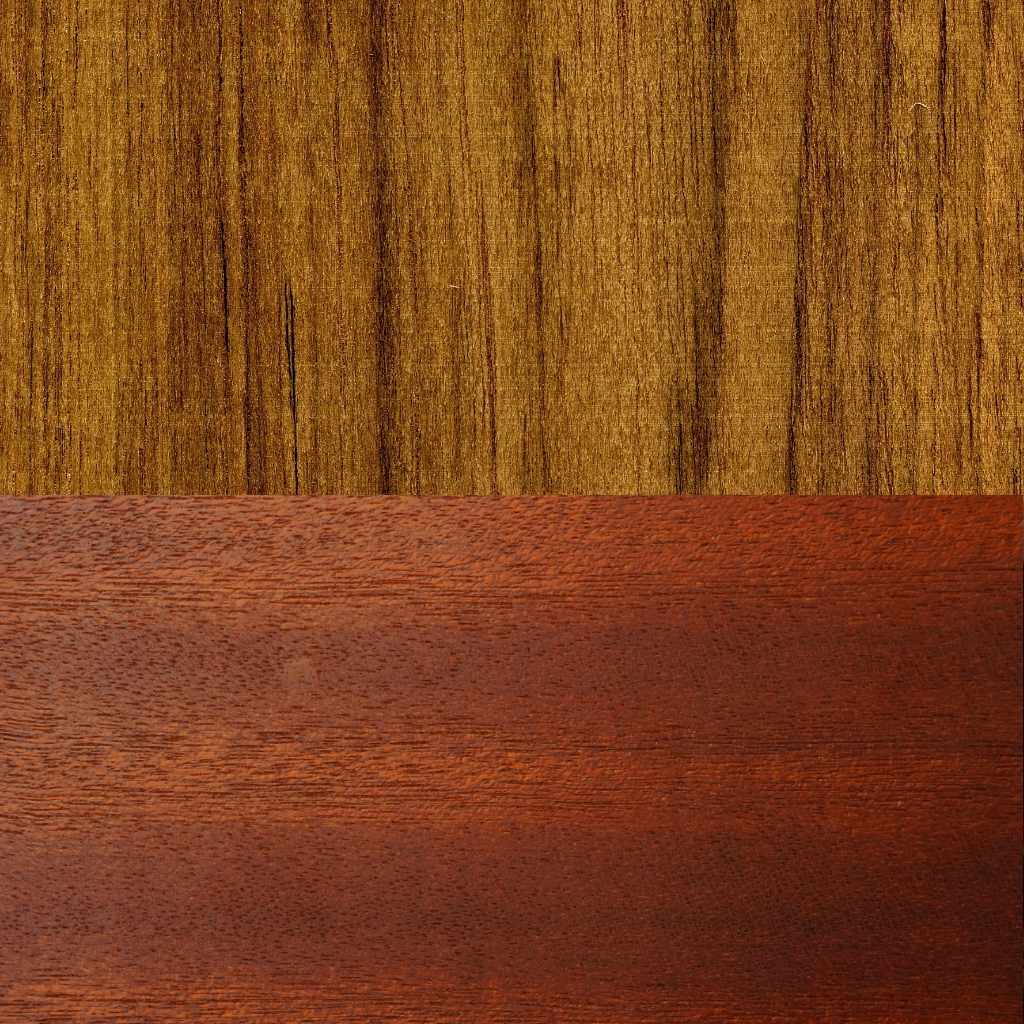
Mahogany Wood: A Comprehensive Guide to Characteristics, Care, and Identification
Mahogany wood is a premium, high-density tropical hardwood prized for its reddish-brown color, exceptional durability, and fine grain, commonly utilized in luxury furniture and fine cabinetry. This guide explores the technical properti...
Mahogany wood is a premium, high-density tropical hardwood prized for its reddish-brown color, exceptional durability, and fine grain, commonly utilized in luxury furniture and fine cabinetry. This guide explores the technical properties, species identification, and maintenance requirements for authentic mahogany in 2026, helping craftsmen and collectors distinguish true mahogany from substitutes.
Contents
Understanding the Botanical Classification of Genuine Mahogany
True mahogany belongs to the Meliaceae family, specifically the genus Swietenia. While the term "mahogany" is often applied to various reddish-brown woods in the trade, only species within the Swietenia genus are considered "genuine." Understanding these biological distinctions is crucial for anyone involved in high-end woodworking or antique appraisal.
Key Species in the Swietenia Genus
- Swietenia mahagoni: Often called Cuban or West Indian mahogany, this is the original species used during the colonial era. It is now largely protected and restricted in trade due to its status as a CITES-listed species.
- Swietenia macrophylla: Known as Big-Leaf or Honduran mahogany, this is the most commercially viable species today. It is widely cultivated throughout Latin America and remains the gold standard for high-end furniture production in 2026.
- Swietenia humilis: A smaller, Pacific-coast variety known for its unique figure, though it is less frequently seen in large-scale manufacturing due to limited availability.
Technical Specifications and Physical Properties
The reputation of mahogany as a premier timber is based on specific mechanical properties that make it an ideal choice for both structural and decorative applications. Professionals evaluating wood stocks look for consistent metrics regarding density, stability, and workability.
Mechanical and Physical Performance Data
The following table summarizes the industry-standard performance metrics for kiln-dried Swietenia macrophylla (Honduran Mahogany) as used in modern 2026 woodworking standards.
| Property | Value (Approximate) | Significance |
|---|---|---|
| Janka Hardness | 900 lbf | Provides sufficient durability without excessive tool wear. |
| Average Dried Weight | 450 kg/m³ | Balances structural integrity with manageable weight. |
| Stability Rating | Excellent | Low tangential and radial shrinkage ratios. |
| Workability | Exceptional | Ideal for detailed carving, turning, and fine joinery. |
| Decay Resistance | Durable to Very Durable | Naturally resistant to rot and termite attack. |
Distinguishing Genuine Mahogany from Look-Alikes
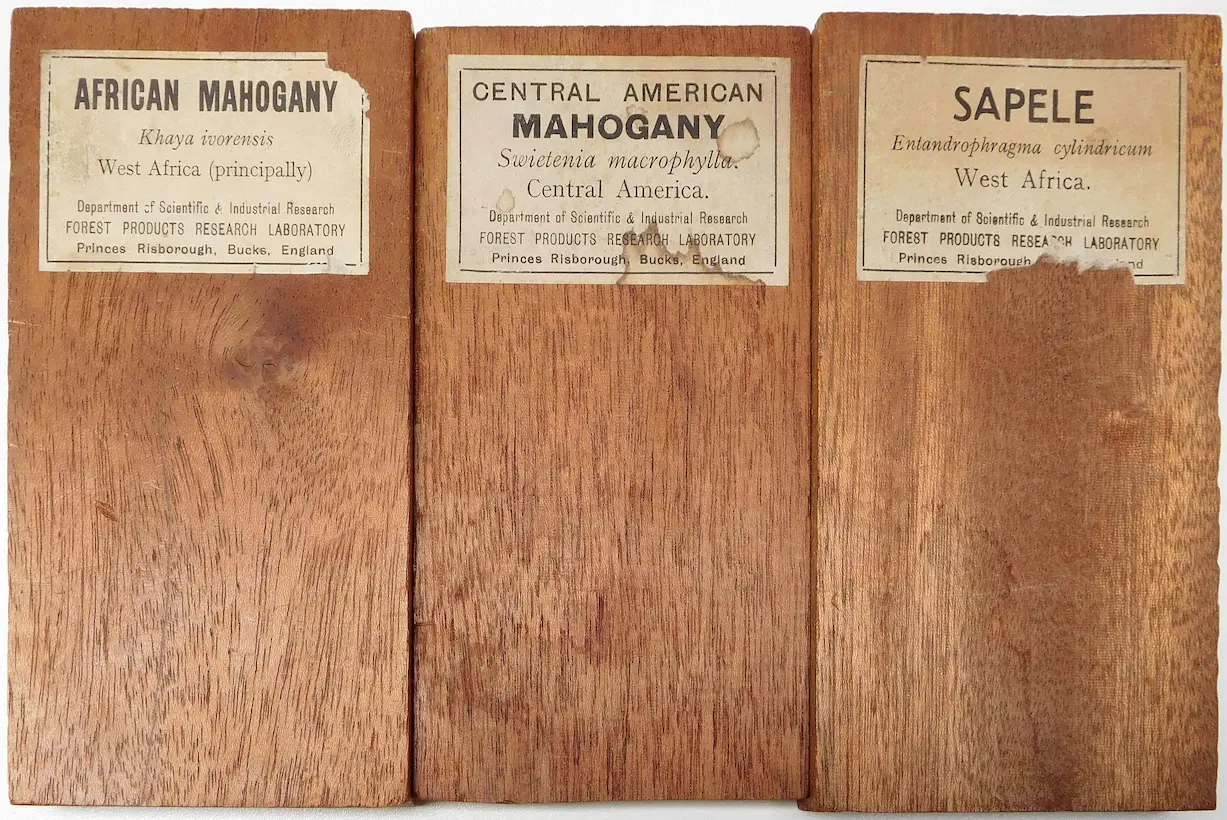
In the 2026 lumber market, consumers frequently encounter "African Mahogany" (Khaya species) or "Philippine Mahogany" (various Shorea species). While these woods share a similar aesthetic, they do not possess the same cellular structure or long-term stability as true Swietenia mahogany.
Identification Markers for Quality Assurance
- Pore Distribution: True mahogany exhibits diffuse-porous anatomy with distinct, medium-sized pores that are often plugged with a gummy or mineral substance.
- Grain Patterns: Look for the characteristic "ribbon" or interlocked grain. When quartersawn, this produces a stunning light-reflective stripe that is difficult to replicate in inferior substitutes.
- Color Evolution: Genuine mahogany darkens significantly upon exposure to light and oxygen. Freshly cut wood may appear pale pinkish-brown, but it will deepen to a rich, lustrous reddish-brown within a few months.
- Density and Weight: If the wood feels excessively light or exhibits a coarse, splintery texture, it is likely a member of the Shorea family rather than Swietenia.
Best Practices for Maintenance and Preservation
To maintain the structural and aesthetic integrity of mahogany wood in 2026, owners must adhere to strict environmental and care guidelines. Mahogany is relatively stable, but it remains a natural material that reacts to fluctuations in relative humidity and UV exposure.
Environmental Controls
- Relative Humidity (RH): Maintain indoor environments between 35% and 50% RH. Rapid shifts in humidity cause wood cells to expand and contract, which can lead to checking or warping in larger furniture pieces.
- Light Exposure: While mahogany develops a beautiful patina, direct, intense sunlight can lead to uneven bleaching. Utilize UV-filtering window treatments for heirloom-quality pieces.
Cleaning and Conditioning
- Dusting: Use a soft, lint-free microfiber cloth. Avoid feather dusters which can trap grit and cause microscopic scratches in the finish.
- Polishing: Avoid silicone-based aerosol polishes, which build up over time and create a gummy residue that attracts dirt. Instead, use a high-quality furniture wax or a paste wax designed for fine hardwoods every 6 to 12 months.
- Handling Spills: Blot liquid spills immediately. Never allow moisture to sit on the surface, as prolonged contact can damage the finish and potentially stain the wood fibers beneath.
Common Challenges and Troubleshooting
Even with proper care, wood is susceptible to environmental impacts. Here are the most common issues observed by woodworkers in 2026 and their corresponding remedies.
- Surface Scratches: For shallow surface scratches, use a color-matched wax stick. If the finish is penetrated, lightly abrade the area with 0000 steel wool, apply a thin coat of matching oil or shellac, and buff to a satin sheen.
- Joint Loosening: Over time, particularly in antique mahogany, hide glue may become brittle. If a joint begins to move, remove the old adhesive, clean the mating surfaces, and re-glue using a modern high-strength wood glue.
- Dull Finish: If the wood has lost its luster due to age, the most effective restoration is a gentle cleaning with a mineral spirit-based solvent, followed by a light application of tung oil or a professional-grade furniture oil to revive the natural depth of the grain.
Frequently Asked Questions
Is mahogany wood considered a sustainable material in 2026?
Genuine mahogany (Swietenia) is subject to strict international trade regulations via CITES. Always verify that your lumber is sourced from certified plantations or managed forests to ensure legal and sustainable compliance.
Can mahogany be used for outdoor applications?
While mahogany is naturally resistant to decay, it is primarily intended for indoor or protected outdoor use. If used for outdoor furniture, it requires a high-quality marine-grade spar varnish to prevent graying and moisture degradation.
Why does the price of mahogany vary so much between vendors?
Price fluctuations depend on the specific species, the country of origin, and the cut (e.g., quartersawn vs. flatsawn). Premium boards with "figured" or "fiddleback" patterns command significantly higher prices than standard straight-grained lumber.
Is "African Mahogany" actually mahogany?
No. African Mahogany (Khaya) is a different genus that occupies a similar market niche. While it shares some visual characteristics, it is generally softer, less stable, and more prone to tear-out during machining compared to Swietenia mahogany.
How do I safely remove a water ring from a mahogany table?
Water rings often indicate that moisture has penetrated the finish. You can often remove them by placing a soft, dry cloth over the mark and using a clothes iron on the lowest setting for a few seconds to draw the trapped moisture out.
Strategic Procurement Advice for 2026
When acquiring mahogany for woodworking projects, prioritize suppliers who provide a Chain of Custody (CoC) certification. As global timber markets continue to evolve in 2026, transparency regarding the origin of your wood is not only an ethical requirement but also a technical necessity to ensure that the material meets the structural requirements of your specific project. Consult with certified hardwood distributors to confirm the species identification before purchase, as the term "mahogany" is still loosely used in retail hardware environments.
Image Gallery