Is Each Person's Life Insurance Different? How Coverage and Premiums Are Customized
Yes, almost every person's life insurance policy is unique. While policies share foundational structures like term or permanent options, individual factors—including age, health history, lifestyle, occupation, death benefit amount, and...
Yes, almost every person's life insurance policy is unique. While policies share foundational structures like term or permanent options, individual factors—including age, health history, lifestyle, occupation, death benefit amount, and elected riders—determine your specific premium rate, underwriting tier, and contractual terms. Even identical twins applying for the same policy will receive different terms if their health or habits diverge.
Contents
Understanding why and how life insurance varies across individuals is essential when shopping for coverage. A policy that provides optimal financial protection at an affordable rate for a colleague or family member could be overpriced or insufficient for your specific financial obligations and risk profile.
The Core Framework: Why No Two Policies Are Identical
Life insurance is fundamentally a personalized risk contract between an individual and an insurance carrier. The insurer evaluates the statistical likelihood that a policyholder will pass away during the policy term and calculates a premium commensurate with that risk. Because no two people share the exact same combination of biology, daily habits, financial goals, and family obligations, their life insurance coverage reflects those distinctions.
While two people might buy a "$500,000, 20-Year Term Policy" from the same insurance company, the legal and financial terms under the hood differ considerably:
- Pricing (Premiums): One applicant might pay $25 per month, while another pays $90 per month for the exact same coverage limit.
- Underwriting Class: Insurers group policyholders into distinct risk categories based on physical health, family history, and personal habits.
- Policy Exclusions and Restrictions: Hazardous occupations or high-risk hobbies may result in specific policy exclusions or fee surcharges (known as flat extraordinaries).
- Policy Riders: Optional contract add-ons, such as accelerated death benefits or disability waiver of premium riders, alter the contract's scope and performance.
Because life insurance involves long-term financial commitments, regulatory bodies such as the National Association of Insurance Commissioners (NAIC) oversee state-level standards to ensure carriers evaluate risk transparently and enforce policy terms fairly.
The Primary Factors That Personalize Your Life Insurance Rate
When you apply for an individual policy, underwriters examine dozens of variables to construct your unique mortality risk profile. These factors fall into several primary categories.
1. Age and Biological Sex
Age is the single strongest predictor of mortality risk. As a rule, life insurance premiums increase by roughly 8% to 12% for each year you wait to purchase coverage.
Biological sex also impacts pricing. Statistically, women have a longer life expectancy than men in most demographic categories. As a result, female applicants generally pay lower premiums for identical coverage amounts and durations.
2. Physical Health and Medical History
During underwriting, carriers review your personal medical records, current biometrics, and prescription history. Key metrics include:
- Body Mass Index (BMI) and weight history
- Blood pressure and cholesterol ratios
- Fastings blood glucose levels and HbA1c
- History of major illness (e.g., cancer, cardiovascular disease, stroke, kidney disorders)
- Current prescription medications
Applicants with well-managed chronic conditions may still qualify for competitive rates, but their premiums will reflect the added clinical oversight required compared to an applicant with an unblemished medical history.
3. Family Health History
Insurers look beyond your immediate physical health to evaluate hereditary risk. A family history of premature heart disease, stroke, or cancer—specifically among parents or siblings prior to age 60—can move an applicant from a top-tier rate class to a standard rate class, even if the applicant currently exhibits no symptoms.
4. Lifestyle Habits and Tobacco Use
Tobacco use is one of the heaviest pricing penalties in life insurance. Cigarette smokers, vape users, and chewing tobacco users typically pay two to four times more than non-users due to elevated respiratory and cardiovascular risks.
Additionally, insurers review alcohol consumption, recreational drug history, and motor vehicle records. Multiple moving violations, reckless driving charges, or a Driving Under the Influence (DUI) conviction within the past three to five years significantly elevate your risk category.
5. Occupation and High-Risk Avocations
Your daily work environment and weekend activities directly influence your risk profile. Professions involving high-voltage electrical work, deep-sea diving, commercial aviation, or structural steel construction carry higher accidental mortality rates.
Similarly, recreational activities such as rock climbing, private piloting, skydiving, or motor racing can trigger flat extraordinary fees (e.g., an additional $2.50 to $5.00 per $1,000 of coverage) or explicit policy exclusions for deaths resulting from those activities.
6. Coverage Amount and Duration
A $250,000 10-year term policy carries a vastly different risk profile for the insurer than a $3,000,000 permanent whole life policy. Larger death benefits require more rigorous underwriting, often including comprehensive blood panels, urine tests, attending physician statements (APS), and occasionally electrocardiograms (EKGs) or financial underwriting.
How Underwriting Categories Classify Personal Risk
To standardise pricing across millions of applicants, life insurance companies establish risk classifications. Although exact naming conventions vary slightly by carrier, most insurers use the following standard tiers:
- Super Preferred / Preferred Plus: Lowest Risk, Lowest Cost
- Preferred: Low Risk, Below-Average Cost
- Standard Plus / Standard: Average Risk, Standard Cost
- Substandard / Table Ratings: Elevated Risk, Scaled Surcharges
- Super Preferred (Preferred Plus): Awarded to individuals in exceptional health, with optimal BMI, excellent cholesterol/blood pressure, no family history of early death, and no tobacco use or high-risk activities.
- Preferred: Designated for individuals in very good health who may have minor, well-controlled issues (such as slight cholesterol elevation) or a minor family medical history.
- Standard Plus / Standard: Assigned to individuals of average health with normal life expectancy. This tier accommodates moderate weight elevation, controlled hypertension, or mild chronic conditions.
- Substandard (Table Rated): Assigned to applicants with higher medical or lifestyle risks, such as poorly controlled diabetes or a recent cancer recovery. Rates are structured on a table scale (e.g., Table A through Table H or Table 1 through 8), with each table adding a 25% surcharge above the standard rate.
Comparison Table: How Personal Risk Profiles Alter Policy Terms and Costs
To illustrate how individual profiles create distinct outcomes, consider four hypothetical applicants purchasing a 20-year term life policy with a $1,000,000 death benefit under 2026 underwriting guidelines.
| Applicant Profile | Age & Sex | Primary Health & Lifestyle Factors | Assigned Underwriting Class | Estimated Relative Monthly Cost | Key Policy Features / Surcharges |
|---|---|---|---|---|---|
| Applicant A | 32 Female | Non-smoker, BMI 21, clean medical & family history | Super Preferred | Base Line ($) | Standard coverage; no restrictions or riders required |
| Applicant B | 32 Male | Smoker (1 pack/day), BMI 24, normal blood pressure | Preferred Tobacco | ~3.0x to 4.0x Base | Tobacco rate tier; eligible for lower non-tobacco rates if quit for 12+ months |
| Applicant C | 45 Male | Non-smoker, BMI 29, controlled high blood pressure, private pilot | Standard (with Flat Extra) | ~2.5x to 3.5x Base | Includes an annual flat extraordinary fee (e.g., $2.50 per $1,000) for aviation risk |
| Applicant D | 50 Female | Non-smoker, Type 2 Diabetes (HbA1c 7.8), family history of CAD | Substandard (Table B) | ~3.5x to 4.5x Base | Table rating surcharge applied due to metabolic risk profile |
Note: Relative costs are illustrative estimates based on industry averages. Individual carrier quotes depend on specific underwriting guidelines.
Tailoring Policy Structures and Optional Riders
Life insurance customization goes beyond premium pricing; it extends to policy architecture and contractual options.
Product Structure Choices
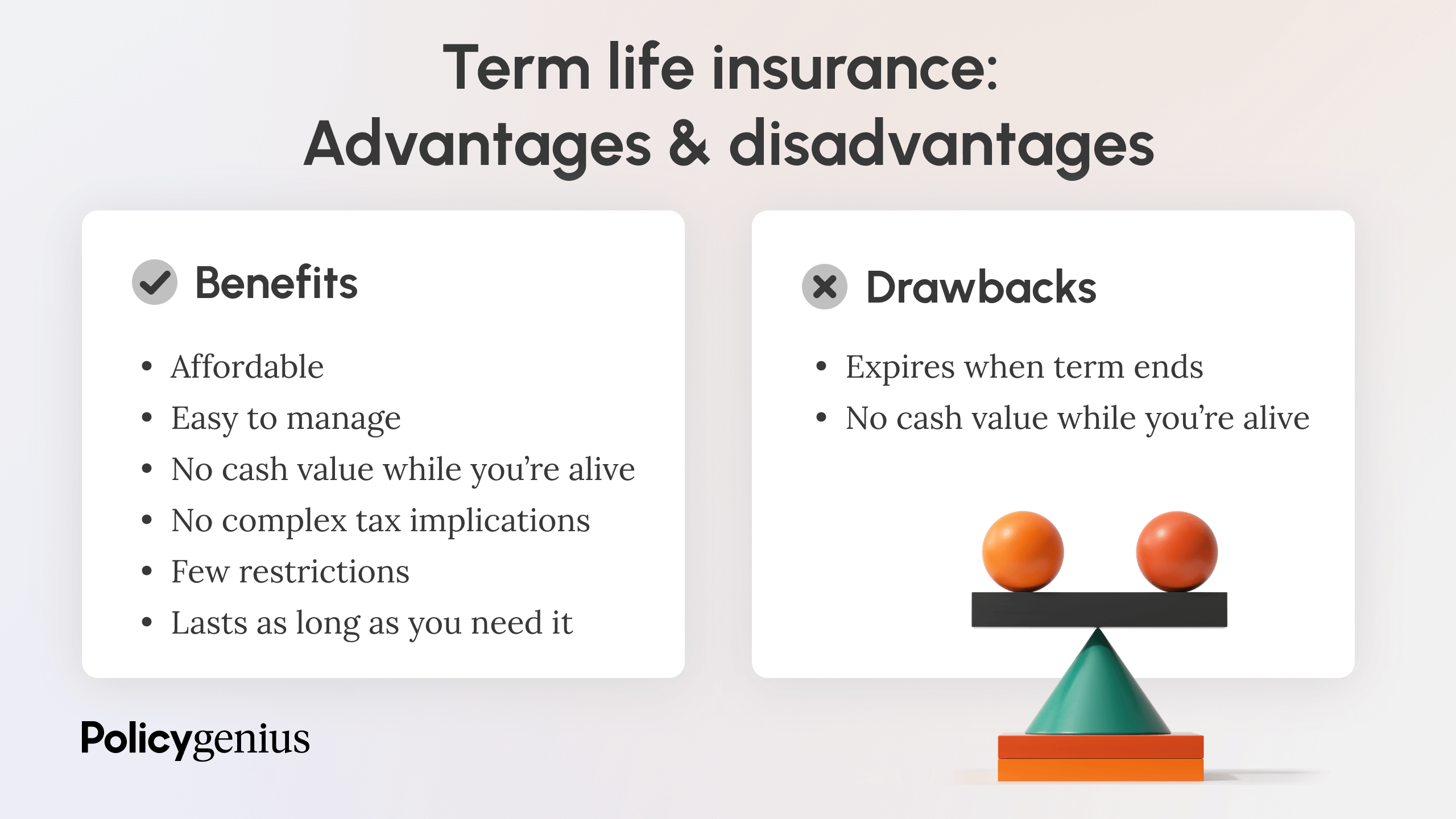
- Term Life Insurance: Provides coverage for a specified timeframe (e.g., 10, 20, or 30 years). It offers pure death benefit protection without a cash value component, making it the most affordable option for income replacement during working years.
- Whole Life Insurance: A type of permanent coverage that remains in place for your entire lifetime, provided premiums are paid. It guarantees a fixed death benefit, fixed premiums, and a cash value component that grows at a guaranteed rate.
- Universal Life (UL) Insurance: Permanent coverage offering flexible premiums and adjustable death benefits. Varieties include Indexed Universal Life (IUL) and Variable Universal Life (VUL), which link cash value growth potential to market indices or underlying investment sub-accounts.
Policy Riders: Personalizing Your Protection
Policy riders allow you to modify a base policy to address specific financial concerns:
- Accelerated Death Benefit Rider: Allows you to access a portion of your death benefit tax-free while still living if diagnosed with a qualifying terminal or critical illness.
- Disability Waiver of Premium: Waives your monthly premium obligations if you become totally disabled and unable to work.
- Guaranteed Insurability Rider: Enables you to purchase additional coverage at specified future dates or life events (such as marriage or the birth of a child) without undergoing new medical exams or underwriting.
- Child Term Rider: Provides modest term coverage for your dependent children under a single rider attached to your primary policy.
- Long-Term Care (LTC) Rider: Converts a portion of the policy's death benefit into monthly payments to cover qualifying long-term care expenses, such as home health aides or nursing facilities.
Group Life Insurance vs. Individual Policies: The Uniformity Exception
Many employees ask whether their life insurance is truly different when covered under an employer-sponsored group plan. Group term life insurance represents a primary exception to highly personalized underwriting.
| Employer Group Term Life | Individual Life Insurance |
|---|---|
| Guaranteed issue limits | Comprehensive underwriting |
| Blended group pricing | Personalized pricing tiers |
| Tied to employment status | Fully portable policy |
| Limited rider customization | Custom rider selection |
Under a standard group policy, the employer negotiates a master contract. Coverage is typically offered on a guaranteed issue basis up to a certain threshold (e.g., 1x or 2x your annual salary) without medical exams. Premiums are calculated using blended rates across the entire employee pool.
However, group policies have notable limitations:
- Portability Risk: If you leave your employer, coverage usually terminates or becomes costly to convert to an individual policy.
- Inadequate Coverage Limits: Basic group benefits rarely cover long-term mortgage debts, income replacement needs, or higher education funds for growing families.
- Lack of Personalization: You cannot tailor riders, policy durations, or specialized permanent structures to match long-term estate goals.
Consequently, financial professionals often advise using group coverage as a baseline supplement while maintaining an individualized personal life insurance policy.
Common Mistakes When Purchasing Life Insurance
Because individual policies vary drastically, assuming life insurance is a generic commodity often leads to costly errors.
1. Copying a Peer's Policy Amount
Selecting a policy coverage limit simply because a colleague or family member bought $500,000 can leave you severely under-insured or over-paying. Your death benefit requirement depends on your specific financial liabilities: mortgage balance, private debt, annual income replacement, outstanding loans, and future education costs.
2. Underestimating the Impact of Carrier Differences
Different life insurance companies specialize in different risk profiles. One insurer may treat well-controlled Type 2 diabetes aggressively with table ratings, while another carrier's underwriting manual offers Standard or Standard Plus rates for the exact same medical profile. Shopping across multiple carriers is vital to finding the most favorable rate for your specific circumstances.
3. Relying Exclusively on Employer Group Coverage
Relying solely on group life coverage leaves your long-term security dependent on your job status. A sudden health change followed by a job transition could render individual coverage prohibitively expensive or unobtainable later in life.
4. Ignoring Beneficiary Designations
Failing to update beneficiaries after major life events—such as marriage, divorce, or the birth of a child—can result in death benefits being paid to unintended recipients or tied up in probate court. Under federal tax law, life insurance death benefits generally pass to named beneficiaries income-tax-free under IRC Section 101(a), but probate delays can complicate immediate access to funds.
Step-by-Step: How to Build a Customized Life Insurance Plan
Building a personalized policy requires aligning your financial needs with the appropriate underwriting approach. Follow these structured steps:
- Calculate Your Total Financial Need: Add up immediate cash needs (final expenses, debt payoff) and long-term income replacement needs (annual salary multiplied by the number of years your family depends on your income, plus future college costs). Subtract existing liquid assets.
- Select the Right Coverage Duration: Match the policy duration to your financial obligations. If your primary goal is covering a 20-year mortgage and raising young children, a 20-year or 30-year term policy is typically ideal. If your goal is estate planning, tax liquidity, or lifelong protection, evaluate permanent whole or universal life options.
- Gather Your Health and Medical Records: Compile accurate details regarding past diagnoses, surgeries, prescription dosages, and physician contact information. Complete transparency during the application process prevents delays or coverage disputes later.
- Work with an Independent Broker: Unlike captive agents who represent a single insurer, independent brokers work with multiple carriers. They can match your unique medical history, occupation, or lifestyle factors with the carrier offering the most favorable underwriting guidelines.
- Review Optional Policy Riders: Evaluate riders that address your specific risks. For example, if you are the primary earner, adding a Disability Waiver of Premium ensures your policy remains active even if an injury prevents you from working.
- Schedule and Complete Underwriting Requirements: Complete the medical exam (if required) or digital health questionnaire. Maintain healthy habits prior to blood draws, and answer all examiner questions accurately.
Frequently Asked Questions (FAQs)
Can two people with the exact same medical history receive different rates?
Yes. Beyond personal medical history, insurers evaluate family health history, driving records, personal habits, tobacco use, occupation, and financial background. Furthermore, two different insurance companies may weigh identical medical records differently based on their specific underwriting algorithms and mortality expectations.
Does my driving record or credit history affect my life insurance customization?
Yes. Insurers routinely pull Motor Vehicle Reports (MVR) and insurance risk scores (often derived from credit-based public records). A history of severe traffic violations, DUIs, or significant financial instability (such as recent bankruptcy) can push an applicant into a higher risk category, resulting in higher premiums or coverage restrictions.
Why do life insurance quotes vary so significantly between companies?
Each life insurance carrier maintains its own underwriting guidelines, actuarial tables, and business targets. One company might seek to expand its market share among young families and offer aggressive Super Preferred rates, while another may specialize in impaired-risk underwriting for older adults with chronic conditions.
Is group life insurance through an employer tailored to the individual?
No. Group life insurance relies on group underwriting, where risks are pooled across all participating employees. While this allows higher-risk individuals to secure basic coverage without a medical exam, it does not offer individual customization, personalized rider selection, or long-term portability independent of employment.
How often should I re-evaluate my life insurance policy?
It is wise to review your life insurance coverage every three to five years, or immediately following major life events such as marriage, divorce, purchasing a home, having a child, starting a business, or experiencing significant changes in health or income.
Practical Next Steps for Securing Personal Coverage
Because life insurance policies are highly individualized contracts, off-the-shelf estimates rarely reflect your true final cost or optimal policy design. To build coverage that aligns precisely with your personal and financial situation:
- Conduct a Comprehensive Income Need Analysis: Calculate your exact debt, living expenses, and long-term obligations before selecting a target death benefit amount.
- Request Quotes from Multiple Top-Rated Carriers: Compare side-by-side proposals from independent brokers to locate the carrier best suited to your medical profile.
- Review Existing Coverage for Customization Gaps: Check current individual or group policies to ensure beneficiary designations are current and essential riders (such as living benefits or disability waivers) are active.
Disclaimer: This article is for informational and educational purposes only and does not constitute formal financial, legal, or tax advice. For guidance regarding your specific financial situation, consult a licensed life insurance professional or certified financial planner.
Image Gallery