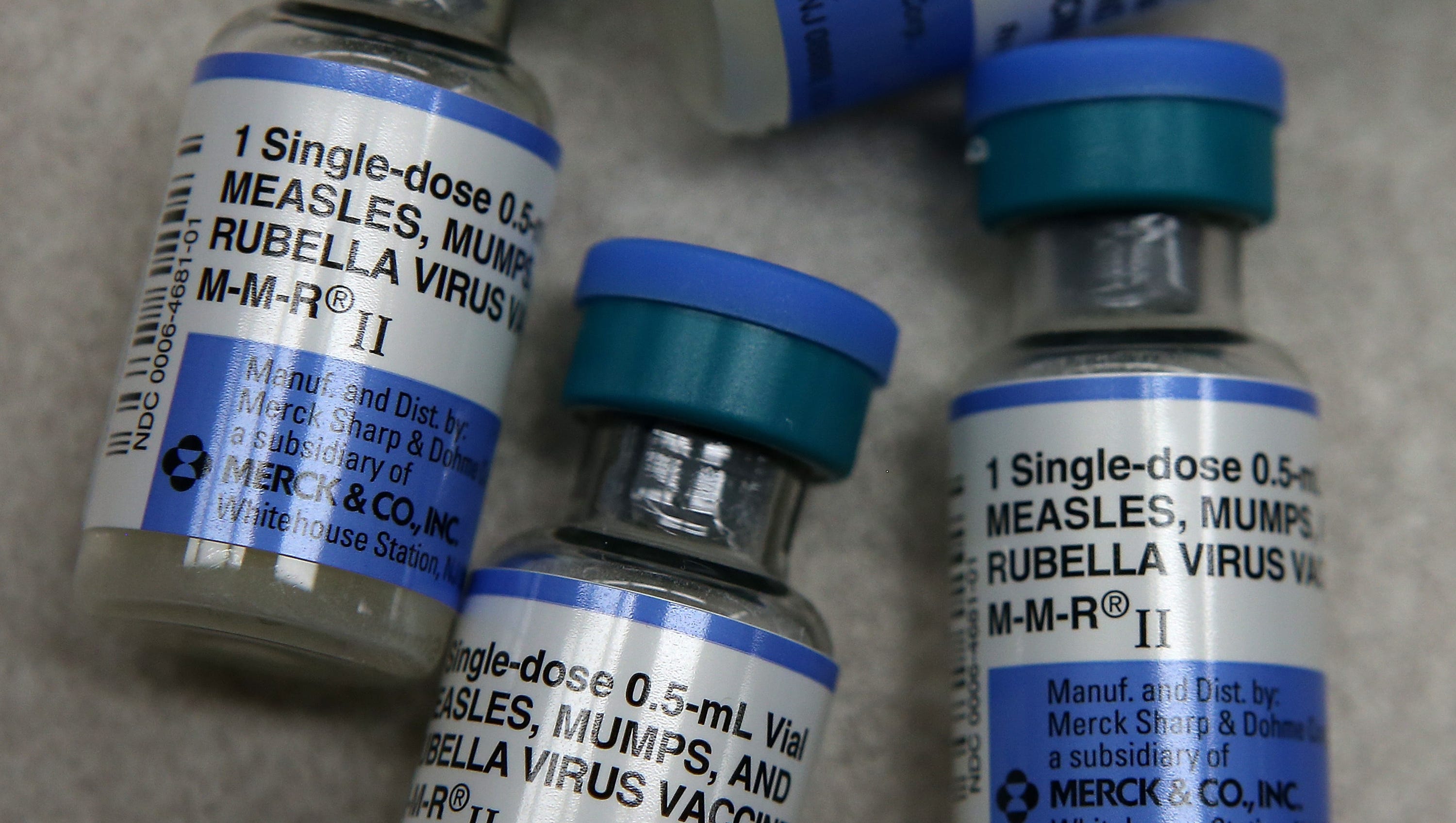
MMR Booster for Adults: Eligibility, Schedule, and Immunity Guidelines for 2026
Adults may require an MMR (Measles, Mumps, and Rubella) booster if they lack documentation of previous vaccination, have never had the diseases, or work in high-risk environments. While many receive the two-dose series in childhood, wa...
Adults may require an MMR (Measles, Mumps, and Rubella) booster if they lack documentation of previous vaccination, have never had the diseases, or work in high-risk environments. While many receive the two-dose series in childhood, waning immunity or incomplete records in 2026 often necessitate a medical review to ensure continued protection.
Contents
Understanding the MMR Vaccine in Adulthood
The MMR vaccine is a live-attenuated combination vaccine that protects against three distinct viral infections: measles (rubeola), mumps, and rubella (German measles). For decades, this vaccine has been a cornerstone of public health, significantly reducing the global burden of these highly contagious diseases. However, the protection offered by the childhood series does not always last a lifetime for every individual, and shifts in vaccination coverage can lead to localized outbreaks.
As we navigate 2026, the clinical focus on adult immunization has intensified. Measles, in particular, remains one of the most infectious viruses known to science, capable of lingering in the air for up to two hours after an infected person has left a room. Mumps, while often milder, can cause complications like orchitis or meningitis in adults. Rubella poses the greatest risk to pregnant individuals, as it can lead to Congenital Rubella Syndrome (CRS), resulting in severe birth defects. Understanding the "booster" context is essential; for adults, a "booster" usually refers to completing a two-dose series if only one was received, or receiving a new dose if titer tests show a lack of immunity.
Why Adults Might Need an MMR Booster in 2026
The necessity for an MMR booster is rarely universal but rather depends on specific historical and environmental factors. Many adults currently in the workforce were vaccinated during eras where protocols differed significantly from today’s standards.
Waning Immunity and the 1960s Vaccine Gap
One of the primary reasons for seeking an MMR booster is the uncertainty of early vaccine versions. Individuals vaccinated between 1963 and 1967 may have received a "killed" (inactivated) measles vaccine, which was later found to be ineffective. If you were vaccinated during this window and are unsure if you received the "live" version, healthcare providers generally recommend revaccination with the current live-attenuated MMR vaccine.
Occupational and Lifestyle Risks
Certain environments facilitate the rapid spread of respiratory viruses. In 2026, the following groups are prioritized for immunity verification:
- Healthcare Personnel: Doctors, nurses, and hospital staff are at constant risk of exposure and can inadvertently transmit viruses to immunocompromised patients.
- International Travelers: Many regions globally still experience high endemic rates of measles and rubella. Travelers should ensure they have two documented doses before departure.
- Students in Higher Education: Dormitories and lecture halls are high-density environments where mumps outbreaks are historically common.
- Women of Childbearing Age: Ensuring rubella immunity before pregnancy is a critical preventive measure for neonatal health.
Determining Your Immunity Status
Before rushing to get a booster, it is standard medical practice to determine if you are already considered "immune." The Centers for Disease Control and Prevention (CDC) provides specific criteria for evidence of immunity in adults.
The 1957 Rule
Adults born before 1957 are generally considered immune to measles and mumps because these viruses were so widespread during their childhood that natural infection was almost universal. However, this is not a guarantee of rubella immunity, and healthcare workers born before 1957 are often still required to provide laboratory evidence of immunity.
Vaccination Records
The most straightforward way to confirm protection is through written documentation. This includes official immunization records from a physician's office, school records, or workplace health files. A "full" series for a high-risk adult typically consists of two doses of the MMR vaccine, spaced at least 28 days apart.
Blood Titers (Antibody Testing)
If records are missing, a healthcare provider can order a "titer" test. This is a blood draw that measures the concentration of antibodies for measles, mumps, and rubella.
- Positive Titer: Indicates you have sufficient antibodies and do not need a booster.
- Negative or Equivocal Titer: Indicates you lack sufficient protection and should receive at least one dose of the MMR vaccine.
Eligibility and Dosing Requirements for Adults
The dosing schedule for an MMR booster depends on your history and your current risk profile. Unlike the flu shot, which is annual, the MMR vaccine is usually a one-time series for adults unless specific circumstances arise.
| Adult Category | Evidence of Immunity Needed | Recommended Action |
|---|---|---|
| General Adult (born after 1957) | At least 1 dose of MMR | Ensure 1 dose is documented; no booster needed if healthy. |
| Healthcare Workers | 2 doses of MMR or positive titer | Complete 2-dose series if records are missing. |
| International Travelers | 2 doses of MMR | Ensure 2 doses are administered before travel. |
| University Students | 2 doses of MMR | Most institutions require 2 doses for enrollment. |
| Women of Childbearing Age | Positive Rubella titer | 1 dose if titer is negative (avoid pregnancy for 4 weeks post-vax). |
| Born Before 1957 | Generally presumed immune | Usually none, unless in a high-risk outbreak zone. |
The Two-Dose Requirement
If you have no record of vaccination, you will likely receive the first dose immediately and a second dose 28 days later. If you have a record of only one dose, a single "booster" dose is usually sufficient to bring you up to the clinical standard for high-risk groups.
Safety, Side Effects, and Contraindications
The MMR vaccine is highly effective and has been safely administered to hundreds of millions of people. However, because it is a "live" vaccine, it contains a weakened version of the viruses, which dictates who can and cannot receive it.
Common Side Effects
Most adults experience only minor reactions to the MMR booster. These can include:
- Soreness or redness at the injection site.
- Mild fever or a faint rash (typically occurring 7–12 days after vaccination).
- Temporary joint pain or stiffness, which is more commonly reported in adult women than in children.
Who Should Avoid the MMR Booster?
Certain medical conditions make the MMR vaccine unsafe. You should not receive the vaccine if you:
- Are currently pregnant or planning to become pregnant within the next four weeks.
- Have a severely weakened immune system due to HIV/AIDS, cancer treatments (chemotherapy/radiation), or long-term steroid use.
- Have a history of severe allergic reactions (anaphylaxis) to neomycin or any other component of the vaccine.
- Are currently experiencing a moderate to severe acute illness (it is usually best to wait until you have recovered).
How to Access the MMR Booster in 2026
Accessing vaccination services in 2026 is streamlined through various healthcare channels. Most adults can obtain an MMR booster through the following:
- Primary Care Physicians: Your doctor can review your history, order titer tests, and administer the vaccine during a routine check-up.
- Retail Pharmacies: Many major pharmacy chains offer MMR vaccines on a walk-in basis or by appointment.
- Public Health Clinics: Local health departments often provide vaccinations at a lower cost for those without insurance.
- Occupational Health Departments: If you work in a hospital or laboratory, your employer may provide the vaccine free of charge as part of your onboarding or annual health compliance.
Cost and Insurance
Under the Affordable Care Act (and continuing legislative frameworks in 2026), most private insurance plans cover the MMR vaccine as a "preventive service" with no out-of-pocket cost to the patient. For those without insurance, the cost of a single MMR dose typically ranges from $90 to $150, depending on the provider and location.
Preparing for Your Appointment
To ensure the process is efficient, prepare by gathering any existing health records. Even an old "yellow card" or a photocopy of a high school transcript can save you the time and expense of a blood titer or an unnecessary second dose.
When you arrive at the clinic, inform the provider if you have recently received any other vaccines. While MMR can be given at the same time as the flu or COVID-19 vaccines, it must be administered on the same day or spaced at least four weeks apart from other live vaccines (such as the Varicella or Yellow Fever vaccine) to ensure optimal immune response.
Frequently Asked Questions
Can I get an MMR booster if I am pregnant? No. The MMR vaccine contains live viruses and is contraindicated during pregnancy due to the theoretical risk to the fetus. Women should wait at least four weeks after receiving the MMR vaccine before trying to become pregnant. If you are already pregnant and unsure of your immunity, your doctor will likely test your rubella titers and wait until after delivery to vaccinate you.
Is it possible to receive "too many" MMR boosters? While there is no significant medical danger in receiving an extra dose of the MMR vaccine if you are already immune, it is generally unnecessary. The primary risk is a slight increase in the likelihood of local injection-site reactions. Healthcare providers prefer to verify immunity through records or titers to avoid redundant administration.
How long does the MMR booster take to become effective? It typically takes about two to three weeks for the body to produce a sufficient level of antibodies following vaccination. If you are getting the booster for international travel or school enrollment, plan to have the shot at least a month before your deadline.
What should I do if I can't find my childhood immunization records? If records are truly lost, you have two main options: get a blood titer test to check for existing antibodies or simply get the vaccine. For many adults, getting the vaccine is often faster and more cost-effective than paying for laboratory tests, and it is considered a safe course of action by organizations like the World Health Organization (WHO).
Does the MMR vaccine cause autism in adults? No. Extensive scientific research and global meta-analyses involving millions of participants have consistently shown no link between the MMR vaccine and autism. This remains the consensus of all major medical bodies, including the American Academy of Pediatrics and the Mayo Clinic.
Final Recommendation
If you are an adult born after 1957 and cannot produce documentation of at least one MMR dose, your first step should be to contact your primary care provider. For those in high-risk categories—such as healthcare workers, students, and international travelers—ensure you have two documented doses. In the absence of records, a blood titer test is a highly reliable way to confirm your status and determine if a booster is necessary for your long-term health and safety.
Image Gallery