How to Choose Auto and Health Insurance for a Family: A Complete Step-by-Step Guide
Selecting the right auto and health insurance for your family requires balancing financial protection, monthly cash flow, and long-term risk management. To secure optimal coverage, families must evaluate total potential healthcare cost...
Selecting the right auto and health insurance for your family requires balancing financial protection, monthly cash flow, and long-term risk management. To secure optimal coverage, families must evaluate total potential healthcare costs—including deductibles, provider networks, and out-of-pocket maximums—while configuring auto policies with sufficient liability limits, umbrella options, and driver protections.
Contents
Disclaimer: This article is for informational purposes only and does not constitute financial, legal, or professional insurance advice. Insurance regulations, policy structures, and availability vary by jurisdiction. Consult a licensed insurance agent, broker, or financial advisor for personalized advice.
Understanding Your Family’s Dual Coverage Needs
Protecting a family requires viewing auto and health insurance not as isolated monthly expenses, but as an interconnected safety net. A single traffic accident can trigger claims across both policies. For instance, medical expenses resulting from an auto collision may involve Personal Injury Protection (PIP), Medical Payments (MedPay) coverage under your auto policy, and your primary family health insurance plan.
Improperly structured policies can lead to duplicate coverage, expensive gaps, or denied claims. Establishing appropriate coverage limits across both domain types protects your household assets from catastrophic loss while keeping annual premiums manageable.
When configuring family coverage, your objective is twofold:
- Health Insurance: Minimize financial exposure to illness, chronic conditions, and emergency room visits while preserving access to trusted pediatricians, specialists, and regional medical facilities.
- Auto Insurance: Safeguard household savings, real estate, and future earnings against third-party liability claims while ensuring adequate medical and property restoration benefits for your own family members.
How to Evaluate and Select Family Health Insurance
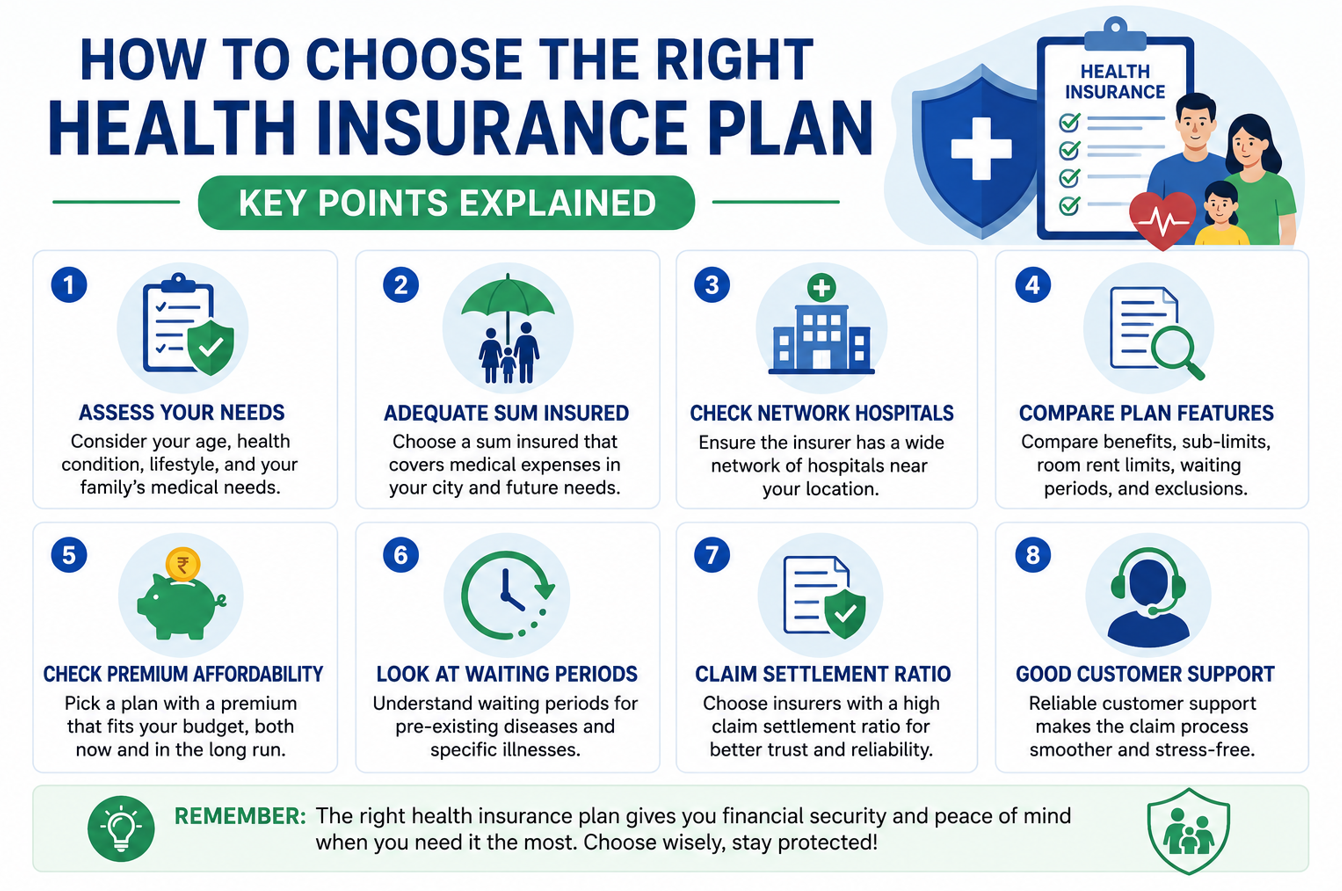
Choosing health insurance for a family involves evaluating predictable annual medical expenses alongside worst-case health scenarios.
1. Choose the Right Network and Plan Architecture
Health insurance plans dictate how and where family members receive care. The four standard plan types include:
- Health Maintenance Organization (HMO): Requires family members to select a Primary Care Physician (PCP) who acts as a gatekeeper for specialist referrals. HMOs generally offer lower monthly premiums and out-of-pocket costs but restrict care strictly to in-network providers except during emergencies.
- Preferred Provider Organization (PPO): Offers maximum flexibility, allowing family members to visit out-of-network specialists without a referral. PPOs carry higher monthly premiums but suit families managing complex medical conditions or those with children attending college in another state.
- Exclusive Provider Organization (EPO): Functions as a hybrid, requiring no referrals for specialists while limiting coverage exclusively to in-network doctors and hospitals (except emergency care).
- High-Deductible Health Plan (HDHP): Features low monthly premiums paired with substantial annual deductibles. HDHPs can be paired with a tax-advantaged Health Savings Account (HSA), making them appealing to young, healthy families with minimal routine medical needs.
Families can research plan options through state or federal marketplaces via HealthCare.gov during annual Open Enrollment or after qualifying life events.
2. Compare Total Cost of Care, Not Just Premiums
A low monthly premium does not guarantee an affordable health plan. Evaluate the complete cost structure:
$$\text{Total Expected Healthcare Cost} = (\text{Monthly Premium} \times 12) + \text{Estimated Annual Copays/Coinsurance} + \text{Deductible Exposure}$$
- Deductible: The amount your family must pay out-of-pocket before insurance begins covering major services.
- Coinsurance: The percentage of medical costs your family pays after meeting the deductible until reaching the out-of-pocket maximum.
- Out-of-Pocket Maximum: The cap on total spending for covered in-network services in a plan year. For 2026, federal guidelines set strict caps on annual out-of-pocket limits for ACA-compliant individual and family plans. Once your family reaches this limit, the insurer covers 100% of qualified in-network services.
3. Verify Formularies and Pediatric Network Adequacy
Before enrolling, cross-reference your family’s current physicians, pediatric hospitals, and regular prescriptions against the plan’s provider directory and formulary (drug list). A plan with a slightly lower premium may prove far more expensive if your preferred pediatrician is out-of-network or if essential brand-name pediatric medications fall into high-cost drug tiers.
4. Leverage Health Savings Accounts (HSAs) and Flexible Spending Accounts (FSAs)
If your family selects an HDHP, you can contribute pre-tax dollars to a Health Savings Account. HSA funds roll over indefinitely, earn tax-free growth, and can be withdrawn tax-free for qualified medical expenses. The Internal Revenue Service (IRS) sets annual contribution limits for individual and family coverage. Alternatively, traditional employer-sponsored Flexible Spending Accounts (FSAs) offer pre-tax benefits but operate on a "use-it-or-lose-it" annual schedule.
How to Structure Comprehensive Family Auto Insurance
Auto insurance requirements evolve as families grow, add vehicles, or introduce teenage drivers to the household.
1. Establish Adequate Liability Limits
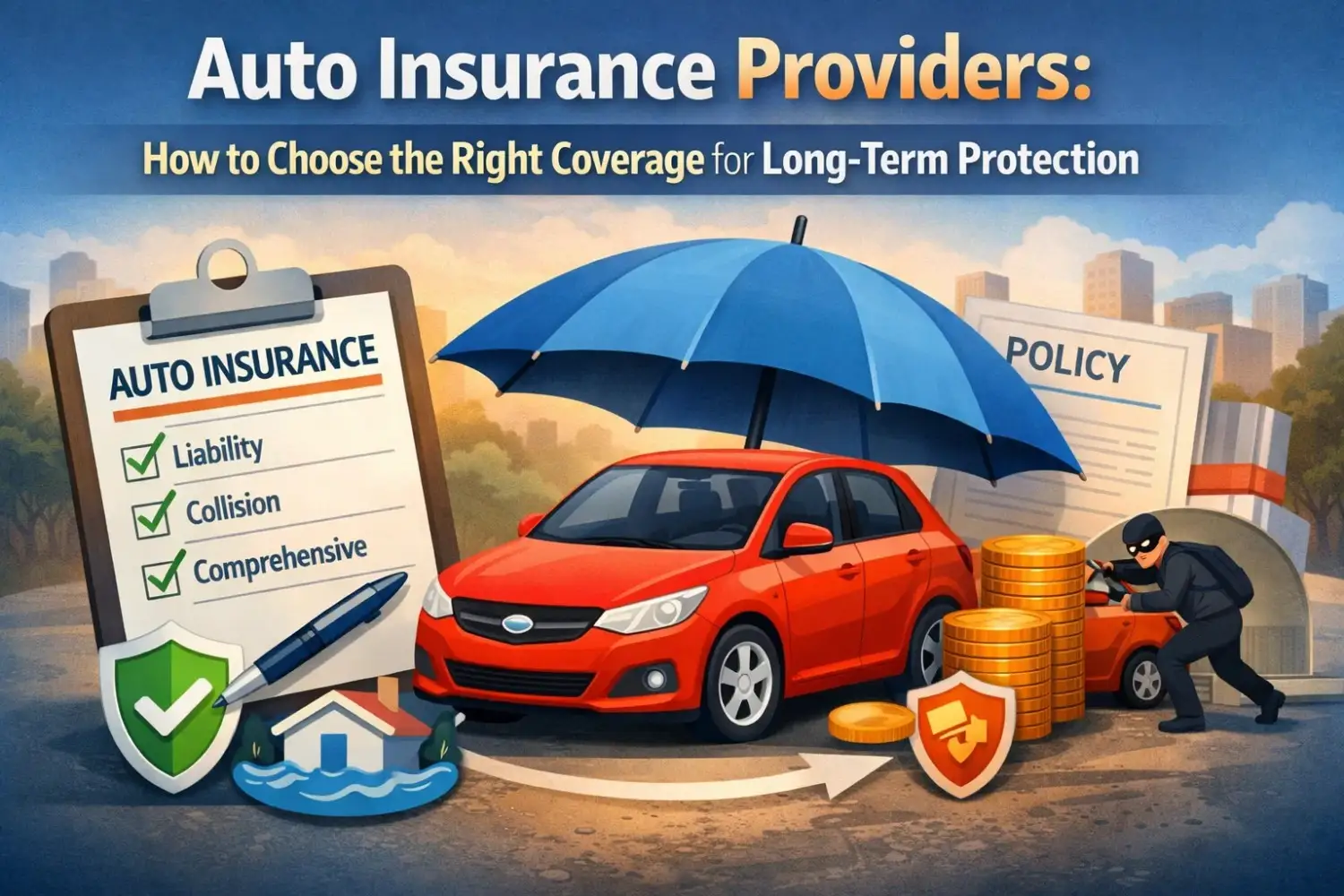
State minimum auto liability requirements are almost universally inadequate to protect a family's financial assets. If a family driver causes a serious accident resulting in severe injuries or property damage, third parties can sue for costs exceeding your policy limits.
Instead of state minimums, standard industry guidance recommends carrying split limits of at least 100/300/100:
- $100,000 bodily injury liability per person.
- $300,000 bodily injury liability per accident total.
- $100,000 property damage liability per accident.
Families with significant savings, home equity, or high earning potential should consider an Personal Umbrella Policy. Umbrella insurance provides $1 million or more in supplemental liability coverage above auto and homeowners policy limits at a relatively modest annual cost.
2. Coordinate MedPay and Personal Injury Protection (PIP)
Auto medical coverage varies depending on whether you live in a fault or no-fault state:
- Personal Injury Protection (PIP): Required in no-fault states, PIP covers medical bills, lost wages, and essential service replacement for household members injured in an accident, regardless of who caused it.
- Medical Payments Coverage (MedPay): Optional in many fault states, MedPay pays immediate medical expenses for you and your passengers after an accident. Unlike health insurance, MedPay carries no deductibles or copays, acting as a buffer to cover your health insurance plan's high deductible.
3. Protect Against Uninsured and Underinsured Motorists
Uninsured/Underinsured Motorist (UM/UIM) coverage pays for your family's medical expenses, lost wages, and pain and suffering if hit by a driver who carries insufficient coverage or flees the scene. The National Association of Insurance Commissioners (NAIC) recommends matching your UM/UIM limits directly to your policy's standard bodily injury liability limits.
4. Managing Teen and Young Drivers
Adding a teen driver can significantly increase family auto insurance premiums. Reduce costs by:
- Assigning the teen driver to the safest, least expensive vehicle on the policy.
- Enrolling young drivers in recognized driver safety programs or telematics tracking programs offered by carriers.
- Claiming "Good Student Discounts" for full-time students maintaining a B average (3.0 GPA) or higher.
Family Insurance Comparison Matrix
The table below outlines how family auto and health insurance components interact during key planning scenarios:
| Plan / Coverage Type | Primary Purpose | Key Financial Metric | Typical Family Best Practice |
|---|---|---|---|
| Health: PPO Plan | Maximum access to specialists and out-of-network care. | Higher monthly premium; lower deductible/copays. | Best for families with chronic medical conditions or complex care needs. |
| Health: HDHP + HSA | Lower fixed costs; long-term tax-advantaged savings. | Lower premium; higher deductible & out-of-pocket max. | Ideal for healthy families looking to invest pre-tax dollars for future medical costs. |
| Auto: Bodily Injury Liability | Protects family assets from third-party injury claims. | Per-person / per-accident limits (e.g., 100/300). | Maintain limits matching or exceeding total net worth; augment with Umbrella policy. |
| Auto: MedPay / PIP | Immediate medical payments for household vehicle occupants. | Per-person coverage limit (e.g., $5,000–$10,000). | Use to cover health insurance deductibles and copays after auto collisions. |
| Auto: Comprehensive & Collision | Physical repair/replacement of household vehicles. | Vehicle ACV (Actual Cash Value) minus deductible. | Retain on modern vehicles; drop or increase deductible on older, low-value cars. |
| Umbrella Policy | High-limit excess liability across auto and home policies. | Incremental $1M+ coverage blocks. | Highly recommended for home-owning families and households with teen drivers. |
Step-by-Step Strategy to Shop and Optimize Coverage
Follow this operational workflow to optimize both insurance categories without creating coverage overlaps or financial shortfalls:
Step 1: Conduct a Household Risk Audit
Inventory all family assets (savings, home equity, vehicles) and healthcare patterns (routine doctor visits, specialized care, expected surgeries). Determine your household's maximum tolerable out-of-pocket expense in a single calendar year.
Step 2: Shop and Bundle Auto and Home Policies
While health insurance is typically selected through an employer platform or ACA exchange, auto insurance should be shopped through private carriers. Obtain quotes from at least three major carriers every two to three years.
Combine auto insurance with homeowners or renters insurance to qualify for multi-policy discounts, which frequently lower total premiums by 10% to 25%.
Step 3: Align Auto Medical Coverage with Your Health Plan Deductible
If your health plan features a $5,000 family deductible, set your auto policy's MedPay or PIP limits to at least $5,000 or $10,000. If an auto accident occurs, your auto policy covers immediate medical expenses without forcing you to pay your health plan’s deductible upfront out-of-pocket.
Step 4: Verify Carrier Financial Ratings
Ensure prospective auto insurance carriers hold strong financial stability ratings from independent rating agencies such as A.M. Best or Demotech. For health insurers, review consumer complaint indexes maintained by state insurance departments through national regulatory databases.
Common Mistakes Families Make When Buying Insurance
- Selecting Insurance Based Solely on Premium Price: Choosing the lowest-priced health or auto plan often results in high deductibles, limited provider networks, or inadequate liability caps during a major event.
- Carrying State-Minimum Auto Liability Limits: State minimums frequently cap bodily injury liability at $25,000 or less per person—a figure easily wiped out by even minor emergency department visits.
- Failing to Update Policies After Major Life Events: Marriage, childbirth, adoption, home purchases, and children obtaining driver's licenses require immediate policy updates to prevent coverage gaps.
- Overlooking Network Restrictions: Enrolling in an HMO or EPO without confirming that specialized pediatric providers participate in the network can lead to costly surprise medical bills.
- Ignoring Subrogation Rules: After an accident, your health insurer may pay medical claims initially but seek reimbursement from your auto insurance settlement later via subrogation. Understanding how your state handles primary vs. secondary payors prevents financial confusion during claims processing.
Frequently Asked Questions
Does family health insurance cover auto accident injuries?
Yes. Health insurance covers medically necessary treatment resulting from an auto accident once primary auto coverages—such as PIP or MedPay—are exhausted, up to the terms and limits of your health policy.
Should I drop collision and comprehensive coverage on an older family vehicle?
If the annual cost of comprehensive and collision coverage plus your deductible exceeds the actual cash value of the vehicle, dropping physical damage coverage can save significant money. Allocate those savings into an emergency fund instead.
Can a teen driver stay on their parents' auto insurance policy?
Yes. Keeping a young driver on a family auto policy is almost always significantly cheaper than having them purchase an individual policy. Teen drivers should remain on the family policy as long as their primary residence remains the family home.
How does an HSA work with a family health insurance plan?
To contribute to a family HSA, your family must be enrolled in a qualified High-Deductible Health Plan (HDHP). Contributions are pre-tax or tax-deductible, grow tax-free, and can be spent on eligible medical expenses for any family tax dependent.
Is an umbrella policy necessary if my family has good auto liability limits?
While high auto liability limits provide solid baseline protection, auto policy caps top out at around $500,000 per accident. An umbrella policy provides an additional layer of protection—starting at $1,000,000—covering severe accidents, legal defense fees, and personal liability claims that exceed underlying auto and home policy limits.
Actionable Next Steps for Family Protection
- Gather Existing Documents: Pull up current declarations pages for all household auto policies and summary of benefits documents for current health plans.
- Calculate Your Out-of-Pocket Maximum Exposure: Add up your health plan's family out-of-pocket limit and your auto policy deductibles to determine your total potential liability during an adverse event.
- Cross-Check Health Networks: Visit your health carrier's online portal to confirm that all current primary care doctors, pediatricians, and local emergency hospitals remain in-network for 2026.
- Request Auto Quotes and Umbrella Add-Ons: Contact independent insurance brokers or top-rated national carriers to request comparison quotes for 100/300/100 liability limits, UM/UIM coverage, and a $1 million personal umbrella policy.
Image Gallery