The Worst Jails in the World: A Comprehensive Overview of Global Penal Systems
Assessing the worst jails in the world involves examining institutions plagued by extreme overcrowding, systemic violence, gross human rights violations, and severe infrastructural collapse. Notable examples include Venezuela's Tocorón...
Assessing the worst jails in the world involves examining institutions plagued by extreme overcrowding, systemic violence, gross human rights violations, and severe infrastructural collapse. Notable examples include Venezuela's Tocorón Prison, Democratic Republic of Congo's Makala Central Prison, and Syria's notorious Sednaya Prison, where inmates endure life-threatening conditions.
Contents
Evaluating global penal institutions requires a rigorous examination of human rights standards, penology metrics, and international oversight reports. Human rights organizations such as Amnesty International, Human Rights Watch, and the United Nations Subcommittee on Prevention of Torture regularly evaluate these facilities based on standards like the UN Standard Minimum Rules for the Treatment of Prisoners (the Nelson Mandela Rules).
Understanding what makes a correctional facility dangerously substandard involves looking at structural failures, lack of legal due process, and the absence of basic human necessities. This analysis explores the systemic crises defining the world's most severe penal institutions as of 2026.
Defining Metrics of Substandard Penal Facilities
Evaluating the severity of a correctional facility relies on quantifiable indicators and internationally recognized humanitarian benchmarks. The absence of these metrics transforms a facility from a place of legal detention into a humanitarian crisis zone.
Key indicators monitored by international observers include:
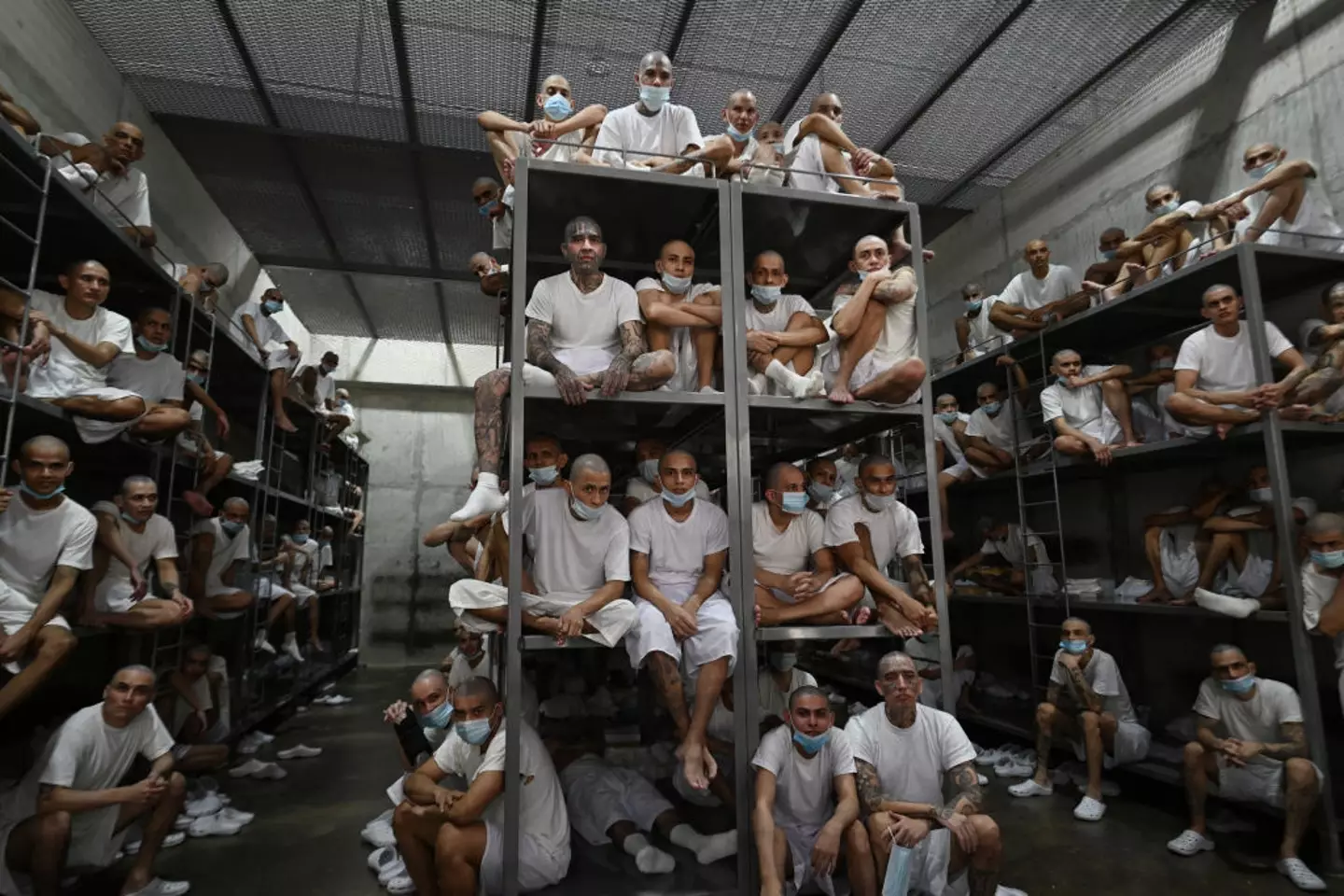
- Occupancy Rates: Measuring actual inmate population against designed capacity, often exceeding 300% to 500% in extreme cases.
- Staff-to-Inmate Ratios: Evaluating security presence, which in failing facilities often drops so low that gangs or self-appointed inmate leaders take control of the interior.
- Healthcare Access: The availability of emergency medical care, mental health services, and baseline sanitation to prevent outbreaks of preventable diseases like cholera, tuberculosis, and scabies.
- Nutrition and Hydration: Daily caloric intake and access to potable drinking water.
- Legal Transparency: The percentage of the population held in prolonged pretrial detention without formal charges or access to legal counsel.
The Nelson Mandela Rules Framework The United Nations Standard Minimum Rules for the Treatment of Prisoners dictate that all prisoners shall be treated with the respect due to their inherent dignity and value as human beings. Facilities violating principles concerning accommodation, personal hygiene, food, and exercise fail to meet the baseline standards established by international law.
Case Studies: Notorious Correctional Facilities Globally
Several institutions consistently appear in international reports due to extreme violence, structural decay, and humanitarian abuse. While some of these facilities have undergone government intervention or partial closures, their legacies and ongoing operational realities reflect deep systemic failures.
Makala Central Prison (Democratic Republic of Congo)
Located in Kinshasa, Makala is designed for roughly 1,500 inmates but regularly houses upwards of 12,000 to 15,000 individuals. The vast majority of the population consists of pretrial detainees awaiting trials that can take years to materialize. Malnutrition, disease outbreaks, and severe overcrowding present constant threats to survival, compounded by structural damage during escape attempts and riots.
La Sabaneta Prison (Venezuela)
Although Venezuelan authorities have attempted over the years to dismantle or reorganize notorious facilities like La Sabaneta in Maracaibo, it historically epitomized the complete collapse of state control. Armed gangs, known locally as pranes, effectively ran the prison internal economy, drug trade, and security apparatus, leaving inmates vulnerable to unchecked violence and infrastructural decay.
Bang Kwang Central Prison (Thailand)
Often referred to as the "Bangkok Hilton," Bang Kwang houses a large population of death-row inmates and long-term prisoners. During their initial months, prisoners were historically forced to wear leg irons welded shut. Severe overcrowding, restrictive visiting policies, and limited access to adequate food or medical care make it one of Asia's most challenging penal environments.
Gitarama Central Prison (Rwanda)
Gitarama gained international notoriety in the aftermath of the 1949-established legal frameworks and the 1994 Rwandan genocide, when its population swelled far beyond capacity. Designed for around 400 prisoners, it housed thousands in spaces so confined that inmates were forced to stand barefoot on wet ground, leading widespread gangrene, amputations, and severe mortality rates before subsequent reforms.
Comparative Overview of Global Penal Crises
| Facility Name | Location | Primary Operational Crisis | Estimated Overcrowding Factor | Key Humanitarian Concern |
|---|---|---|---|---|
| Makala Central Prison | Kinshasa, DRC | Severe structural failure and judicial backlog | 800%+ of capacity | Rampant malnutrition and preventable disease |
| Bang Kwang Central Prison | Nonthaburi, Thailand | Strict confinement and isolation protocols | High-density population | Limited medical access and psychological strain |
| Tocorón Prison | Aragua, Venezuela | Armed gang dominance (pranes) | Historical state absence | Complete breakdown of internal security |
| Gitarama Central Prison | Gitarama, Rwanda | Extreme demographic strain post-conflict | Severe historical crowding | High incidence of physical ailments from confinement |
Systemic Drivers Behind Failing Prison Systems
The deterioration of correctional facilities rarely happens in isolation. It is typically the symptom of broader socio-economic and political challenges within a country.
1. Pretrial Detention Backlogs
In many developing nations, legal systems suffer from severe administrative backlogs. Individuals can spend years—sometimes longer than the maximum sentence for the crimes they are accused of—sitting in overcrowded holding facilities without ever seeing a judge.
2. Chronic Underfunding and Corruption
When governments allocate minimal budgets to corrections, facilities lack basic utilities like running water, electricity, and sewage systems. Corruption exacerbates this, as guards siphon off funds meant for food, medicine, and infrastructure maintenance, forcing inmates to rely on bribes or outside family support for survival.
3. Militarized Anti-Crime Policies
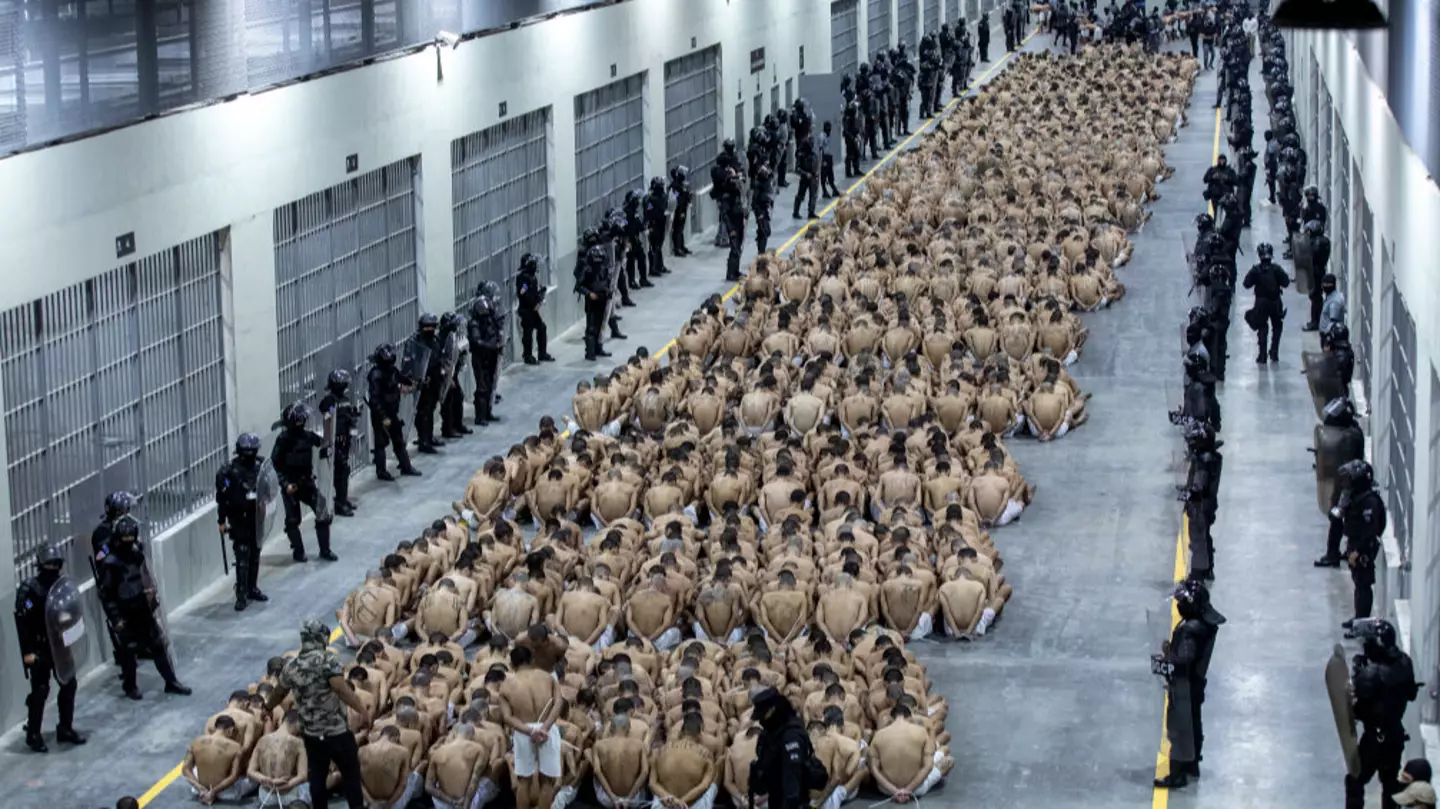
Aggressive "mano dura" (iron fist) policies adopted by various governments lead to mass arrests without a corresponding expansion of the judicial and correctional infrastructure. This sudden influx overwhelms legacy systems built decades prior for a fraction of the population.
Reform Efforts and International Oversight
Addressing the conditions within the world's worst jails requires multi-pronged interventions involving legal reform, capital investment, and human rights monitoring.
- Decarceration Initiatives: Releasing non-violent offenders, expanding parole programs, and utilizing electronic monitoring or community service can immediately reduce population pressures.
- Judicial Acceleration: Implementing fast-track courts for pretrial detainees helps clear dockets and ensures constitutional rights to a speedy trial are upheld.
- Independent Monitoring: Granting access to international bodies like the International Committee of the Red Cross (ICRC) allows for independent assessments, pressuring governments to improve baseline conditions.
Frequently Asked Questions
What makes a prison classified as one of the worst in the world?
Prisons earn this designation due to extreme overcrowding, rampant violence, lack of basic sanitation, starvation-level nutrition, and the complete absence of state control or legal protections for inmates. International human rights monitors evaluate these factors against the UN Nelson Mandela Rules.
Are inmates in these facilities usually convicted criminals?
In many severely mismanaged facilities, the majority of the population consists of pretrial detainees who have not yet been convicted of a crime by a court of law. Due to judicial backlogs, these individuals can remain incarcerated for years before receiving a trial.
How do human rights organizations intervene in failing prisons?
Organizations like Amnesty International, Human Rights Watch, and the ICRC document abuses, publish investigative reports, lobby local governments for policy reform, and provide emergency humanitarian aid when permitted access.
What is the primary cause of extreme prison overcrowding?
Overcrowding is typically driven by aggressive mass incarceration policies, a lack of investment in correctional infrastructure, and severe judicial delays that stall the processing of criminal cases.
Do international standards like the Nelson Mandela Rules have legal enforcement power?
The Nelson Mandela Rules are non-binding international guidelines, but they serve as authoritative benchmarks for human rights. Governments that violate them frequently face international diplomatic pressure, trade sanctions, or condemnation by global bodies.
Conclusion and Strategic Action
Addressing the humanitarian crises inside the world's most dangerous jails requires sustained political will, systemic legal overhauls, and financial investment in modern penology. Governments and international stakeholders must prioritize human rights compliance, alternative sentencing, and institutional transparency to transform penal systems from centers of abuse into facilities focused on rehabilitation and due process. To stay informed on global human rights developments and support legislative oversight initiatives, consult official reports published by the United Nations Office on Drugs and Crime (UNODC) and international penal reform watchdogs.
Image Gallery