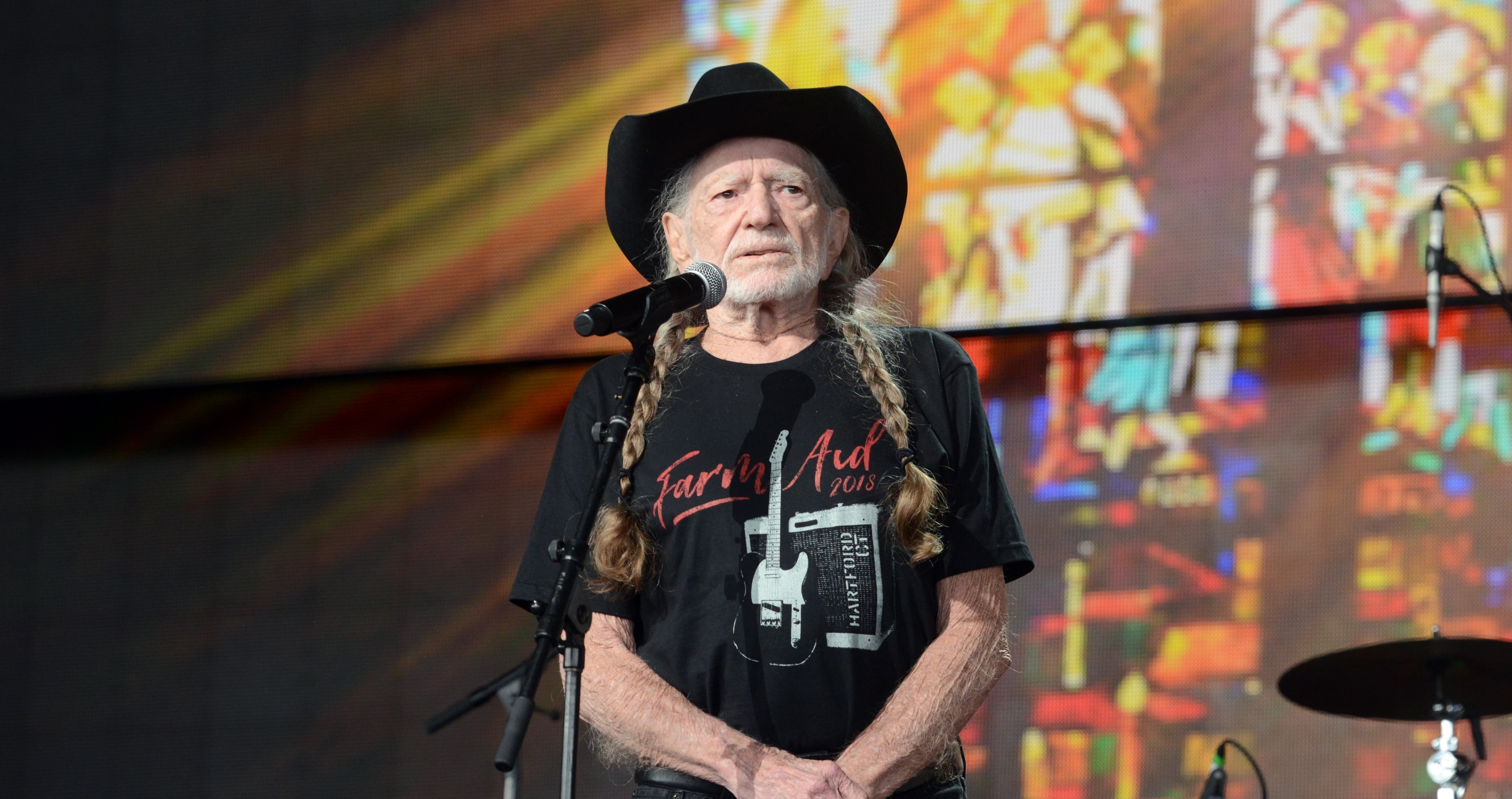
Willie Adler Net Worth Revealed: Insights Into the Lamb of God Guitarist’s Financial Profile
Willie Adler, the long-standing guitarist for the heavy metal band Lamb of God, has built a significant financial foundation through decades of global touring, high-volume record sales, and strategic music industry partnerships. While...
Willie Adler, the long-standing guitarist for the heavy metal band Lamb of God, has built a significant financial foundation through decades of global touring, high-volume record sales, and strategic music industry partnerships. While his exact personal wealth remains private, public estimates and career metrics as of 2026 place his net worth in the range of $3 million to $5 million, derived primarily from his role in one of the most commercially successful metal acts of the 21st century.
Contents
The Foundation of Professional Success
To understand the financial standing of a musician like Willie Adler, one must look at the structural success of the band that has defined his career. Since joining Lamb of God in 1999, Adler has been an integral part of the band’s ascent from the underground Richmond, Virginia, metal scene to global stardom. His contribution goes beyond performance; he is a primary songwriter, which entitles him to a share of publishing royalties—a critical component of long-term musician wealth.
Unlike short-lived musical projects, Lamb of God has maintained a high level of activity for over two decades. Their discography, which includes seminal albums such as As the Palaces Burn, Ashes of the Wake, and Sacrament, has achieved sustained commercial success. These assets continue to generate revenue through streaming platforms, physical media sales, and licensing deals in film, television, and video games.
Revenue Streams for Professional Musicians
The net worth of an artist at Adler’s level is rarely derived from a single source. It is instead an accumulation of diverse income streams that have matured over time.
- Touring and Live Performance: Historically, live music has been the primary revenue generator for metal bands. Lamb of God has headlined major festivals and embarked on global arena tours. While touring overheads—including crew salaries, transportation, and equipment logistics—are high, the sheer volume of ticket sales and merchandise revenue at this level of success provides a consistent and substantial income.
- Publishing and Royalties: As a songwriter, Adler benefits from the mechanical and performance royalties generated by the band’s catalog. In an era where digital streaming platforms like Spotify and Apple Music serve as the primary distribution points, a back catalog of gold and platinum-certified albums ensures a steady flow of "passive" income.
- Endorsements and Signature Gear: Adler’s professional reputation is bolstered by his long-term partnership with ESP Guitars. Signature gear deals are highly lucrative in the metal genre, providing musicians with both upfront payments and ongoing royalties from the sales of custom-designed instruments. These partnerships leverage the artist's brand identity, turning their personal technique and style into a marketable product.
- Merchandise Operations: Beyond touring, online merchandise stores allow bands to monetize their brand 365 days a year. For a band with a loyal, multi-generational fanbase like Lamb of God, merchandise remains a high-margin business that significantly impacts the overall wealth of its members.
Market Factors and Financial Stability
The financial landscape for musicians in 2026 is markedly different from when Adler first started. The shift from physical album sales to the streaming-first economy has forced artists to diversify. For established acts, this has meant prioritizing the "brand" rather than just the "record."
The following table summarizes the primary categories contributing to the net worth of career musicians in the heavy metal genre.
| Revenue Source | Impact Level | Primary Characteristics |
|---|---|---|
| Publishing Royalties | High (Long-term) | Recurring income from songwriting credits and performance rights. |
| Global Touring | High (Immediate) | Periodic, high-volume cash flow from ticket and VIP package sales. |
| Merchandise | Moderate (Constant) | Reliable, high-margin retail sales through touring and web stores. |
| Endorsement Deals | Moderate (Specialized) | Contractual income and equipment sponsorship from manufacturers. |
| Sync Licensing | Low/Variable | One-time fees for using music in movies, games, or commercials. |
Understanding "Net Worth" in the Music Industry
When evaluating the financial status of public figures, it is essential to distinguish between gross earnings and net worth. A public estimate of $3 million to $5 million for an artist like Willie Adler reflects their accumulated assets—including real estate, personal investments, and the valuation of their future royalty streams—minus their liabilities.
Many fans mistakenly conflate gross ticket sales or total album revenue with a musician's personal bank account. In reality, a large percentage of revenue generated by a band must be reinvested into the business to fund the next tour, produce the next album, or pay the support staff. An artist’s net worth is a calculation of what remains after these operational expenses have been satisfied over many years.
Frequently Asked Questions
How does Willie Adler generate income beyond touring? Willie Adler generates significant income through his songwriting royalties, which are earned whenever his music is played, streamed, or licensed. Additionally, his signature series guitars with ESP provide a recurring revenue stream based on the global sales of his branded equipment.
Has the shift to digital streaming hurt the earnings of bands like Lamb of God? While streaming pays less per play than physical CD sales did in the early 2000s, the global reach of platforms like Spotify allows artists to monetize their music in markets that were previously unreachable. For established legacy bands, streaming acts as a modern-day "long tail" revenue source that complements, rather than replaces, live touring income.
What is the role of record labels in an artist's net worth? Record labels typically recoup costs for recording, marketing, and distribution from an artist's share of profits. Because Lamb of God is a mature, high-selling act, they likely operate under favorable contract terms that allow them to retain a larger portion of their earnings compared to newer or smaller independent artists.
Why are net worth estimates often inconsistent? Net worth is a private calculation involving assets, debts, tax liabilities, and private investment portfolios. Publicly available estimates are usually based on educated guesswork derived from tour box office reports, estimated album sales, and industry standard percentages. They should be viewed as broad approximations rather than certified financial statements.
Managing Financial Longevity
For musicians aiming for the longevity exhibited by Willie Adler, financial success is rarely about luck; it is about infrastructure. The ability to pivot between different revenue channels—touring, branding, and intellectual property management—is what separates career musicians from those who experience short-term commercial spikes.
Aspiring artists looking to understand the financial trajectory of professional musicians should note that the most successful individuals prioritize the ownership of their master recordings and songwriting copyrights. By maintaining control over their creative output, artists can ensure that their work continues to provide for them long after they stop hitting the stage.
If you are interested in the broader economics of the entertainment industry, focusing on intellectual property rights and the operational costs of global performance tours provides the clearest lens into how artists sustain their wealth over multiple decades.
Image Gallery