A Comprehensive Retrospective of the 2005 Film Dreamer: Inspired by a True Story
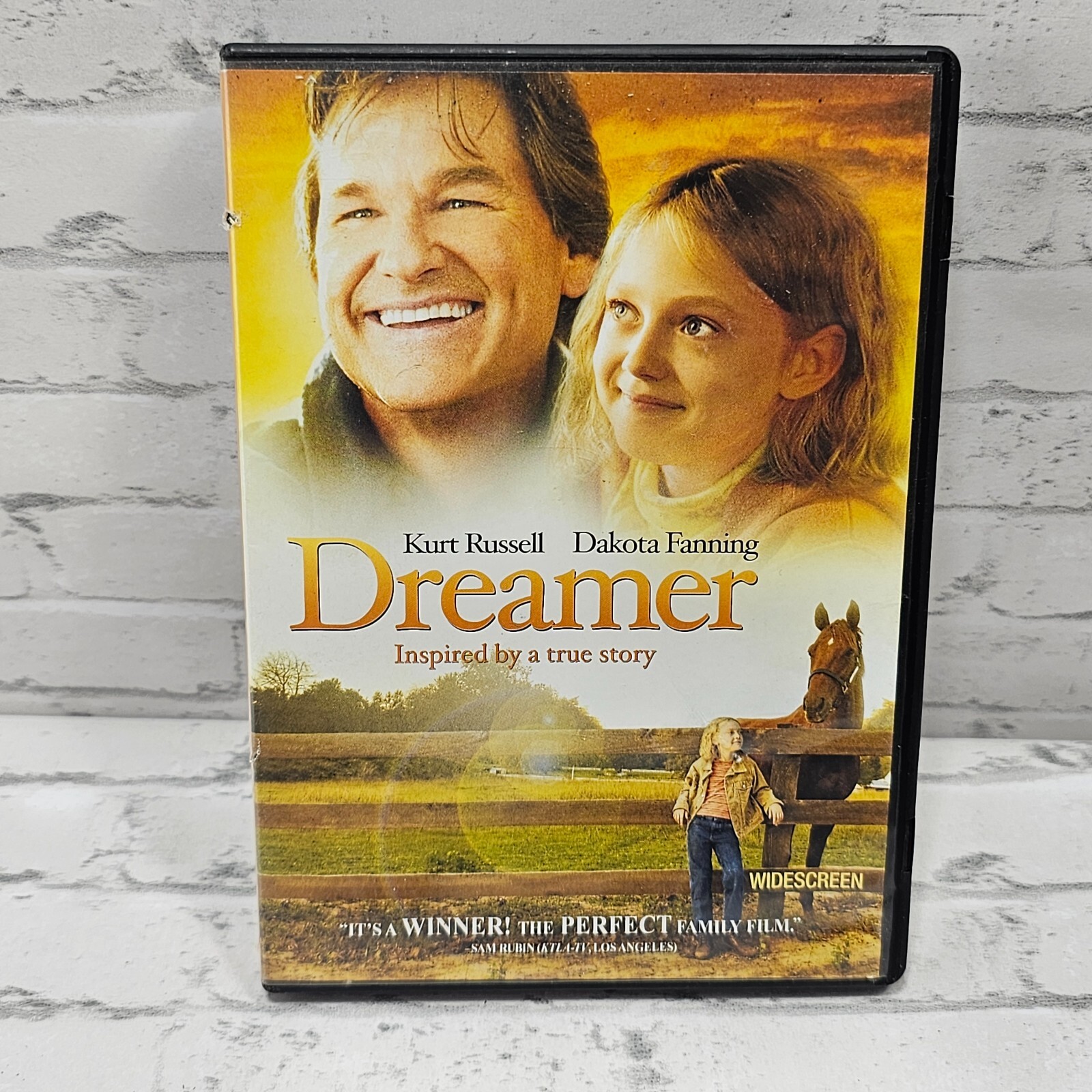
The 2005 film Dreamer: Inspired by a True Story is a sports drama directed by John Gatins that explores the emotional and professional bond between a former horse trainer, Ben Crane, and his estranged daughter, Cale. Centered on the re...
The 2005 film Dreamer: Inspired by a True Story is a sports drama directed by John Gatins that explores the emotional and professional bond between a former horse trainer, Ben Crane, and his estranged daughter, Cale. Centered on the rehabilitation of a thoroughbred mare named Soñador, the narrative follows their journey to reclaim the horse’s racing potential and repair their fractured family dynamics amidst the high-stakes environment of professional horse racing.
Contents
The Premise and Narrative Foundation
Dreamer (2005) follows the narrative arc of Ben Crane, portrayed by Kurt Russell, a man whose life is defined by his expertise in horse training but marred by a history of failure and isolation. His daughter, Cale, played by Dakota Fanning, serves as the heart of the film. Their relationship is the primary engine of the plot, which begins when a talented mare named Soñador—Spanish for "Dreamer"—suffers a catastrophic leg injury during a race.
The owners, viewing the animal as a broken financial liability rather than a living creature, decide to euthanize her. Ben, moved by Cale’s intense emotional attachment to the horse and her refusal to see the animal discarded, loses his job to save the mare. This act of defiance serves as the catalyst for the rest of the film. The story shifts from a traditional sports drama into a character study about redemption, as Ben and Cale work to nurse Soñador back to health. This process forces Ben to confront his own professional failings and his struggle to connect with his family, ultimately framing the racing world as a backdrop for interpersonal healing.
Technical and Thematic Elements
The film’s thematic depth relies on the classic "underdog" trope, common in horse racing cinema, but it distinguishes itself by focusing heavily on the domestic stakes. The technical execution of the racing sequences is designed to ground the film in realism, while the training montages are used to bridge the temporal gap between the horse's injury and her eventual return to competition.
From a production standpoint, Dreamer utilized real thoroughbreds to capture the nuance of animal behavior, which was essential for the chemistry between Dakota Fanning and the horses. The cinematography emphasizes the rustic setting of the Crane family farm, contrasting it against the sterile, high-pressure environment of the racetrack. This visual dichotomy reinforces the film’s central thesis: that the authentic, quiet labor of caring for an animal is inherently more valuable than the commercial success it might eventually bring.
Character Dynamics and Performance Analysis
The strength of Dreamer lies in the performances of its lead cast. Kurt Russell’s portrayal of a man who is "good with horses, bad with people" offers a grounded look at generational trauma. His character is not a conventional hero; he is flawed, often distant, and perpetually worried about the financial burdens of his family farm.
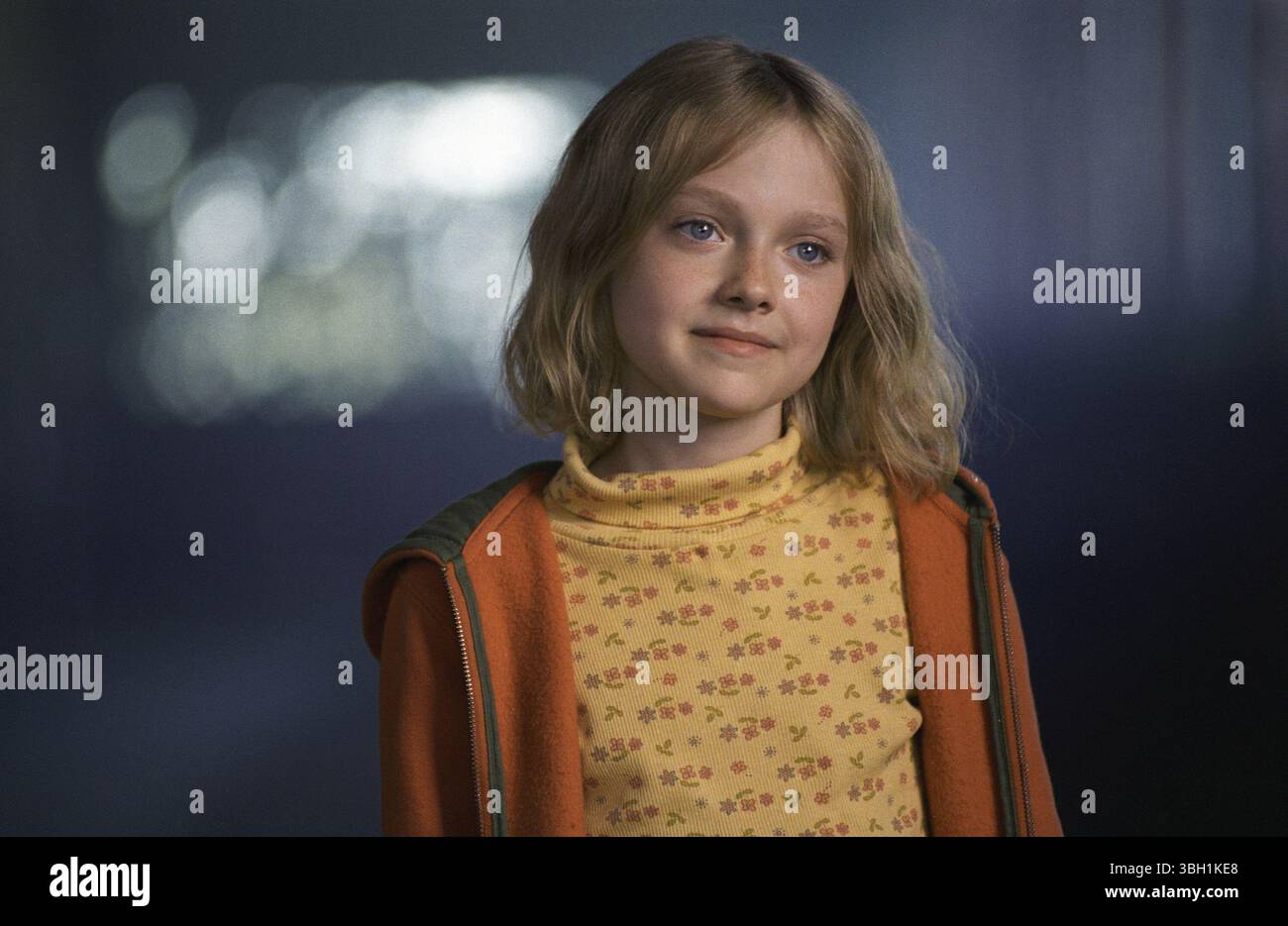
Dakota Fanning, at the time a rising star in Hollywood, provides a performance that anchors the audience’s emotional investment. Her Cale is the primary catalyst for change; she possesses an intuitive understanding of Soñador that Ben lacks, despite his years of training experience. The interplay between these two characters illustrates the transition of power within the family, as the father learns to rely on the daughter’s vision to see the project through to its conclusion. Supporting performances from Kris Kristofferson, as Ben’s stoic father, provide the necessary historical weight, representing the traditions of the racing culture that the younger generation must navigate or reject.
Understanding the Horse Racing Context
While Dreamer is a family-oriented drama, it draws from the realities of the professional horse racing industry. The depiction of injuries, the pressure on trainers to produce winners, and the cold economic reality of "culling" injured animals are accurate representations of the challenges faced in the sport.
For viewers unfamiliar with the world of Thoroughbred racing, it is important to understand the hierarchy of the industry:
- The Owners: The financial backers who view racing as an investment.
- The Trainers: The professionals responsible for the physical conditioning and day-to-day welfare of the horses.
- The Jockeys: The athletes who guide the horses during high-speed, tactical races.
Dreamer explores the conflict when these roles intersect with personal values. The decision to retire or rehabilitate a horse is a common point of contention in real-world equestrian circles, and the film effectively uses this to drive the narrative tension.
| Feature | Description |
|---|---|
| Director | John Gatins |
| Primary Cast | Kurt Russell, Dakota Fanning, Kris Kristofferson |
| Genre | Sports Drama / Family |
| Production Year | 2005 |
| Running Time | 102 Minutes |
| Core Theme | Redemption through shared purpose |
Practical Considerations for Viewers
Dreamer is rated PG, making it suitable for a wide demographic, particularly families. Because the film avoids excessive violence or complex adult themes, it is frequently used in educational and recreational settings to discuss concepts like animal welfare, perseverance, and communication within families.
If you are planning to watch Dreamer for the first time, keep in mind that the pacing is deliberate. It is not an action-heavy film; rather, it is a character-driven story that moves at the speed of the farm life it depicts. The emotional payoff is intended to be found in the subtle interactions between the characters and the horse, rather than just the final race.
Frequently Asked Questions
Is Dreamer (2005) based on a true story? The film is described as "inspired by a true story." It was loosely influenced by the real-life story of Mariah’s Storm, a thoroughbred filly who suffered a severe leg injury but recovered to win multiple graded stakes races. The family dynamics depicted in the film, however, are fictionalized.
What is the significance of the horse's name, Soñador? Soñador is Spanish for "Dreamer." The name serves as a dual metaphor: it represents the "dream" that Cale refuses to let die, and it serves as the namesake of the film itself, linking the animal's physical recovery to the family’s emotional aspirations.
What is the central conflict of the film? The main conflict is the struggle between Cale and Ben as they attempt to reconcile their differing worldviews. Cale represents hope and emotional attachment, while Ben represents the pragmatic, often jaded, perspective of someone who has seen the cruel realities of the racing industry.
Is the horse racing in the movie realistic? The film uses actual Thoroughbreds and professional riders to film the racing scenes, ensuring a high level of physical authenticity. While some cinematic license is taken for pacing and drama, the training methods and the environment of the racetrack reflect the standard practices of the mid-2000s era.
How does the film address animal ethics? The film takes a clear stance on the importance of long-term care for animals. It critiques the "disposable" culture of professional racing, where horses are often treated as equipment rather than living beings, advocating instead for the patience and dedication required to rehabilitate a broken athlete.
Next Steps and Recommendations
To gain a deeper appreciation for Dreamer, viewers may want to explore the history of Thoroughbred racing, specifically the phenomenon of "comeback" horses who returned from injury to win significant races. Additionally, for those interested in the craft of the film, examining the filmography of John Gatins provides insight into his specific style of human-centered storytelling.
If you enjoyed the emotional tone and thematic focus of this film, consider researching other sports dramas that emphasize the bond between humans and animals, such as Seabiscuit or Secretariat. These films offer similar perspectives on the high-stakes world of racing while keeping the focus on the relationships that sustain the sport’s most famous participants.
Image Gallery