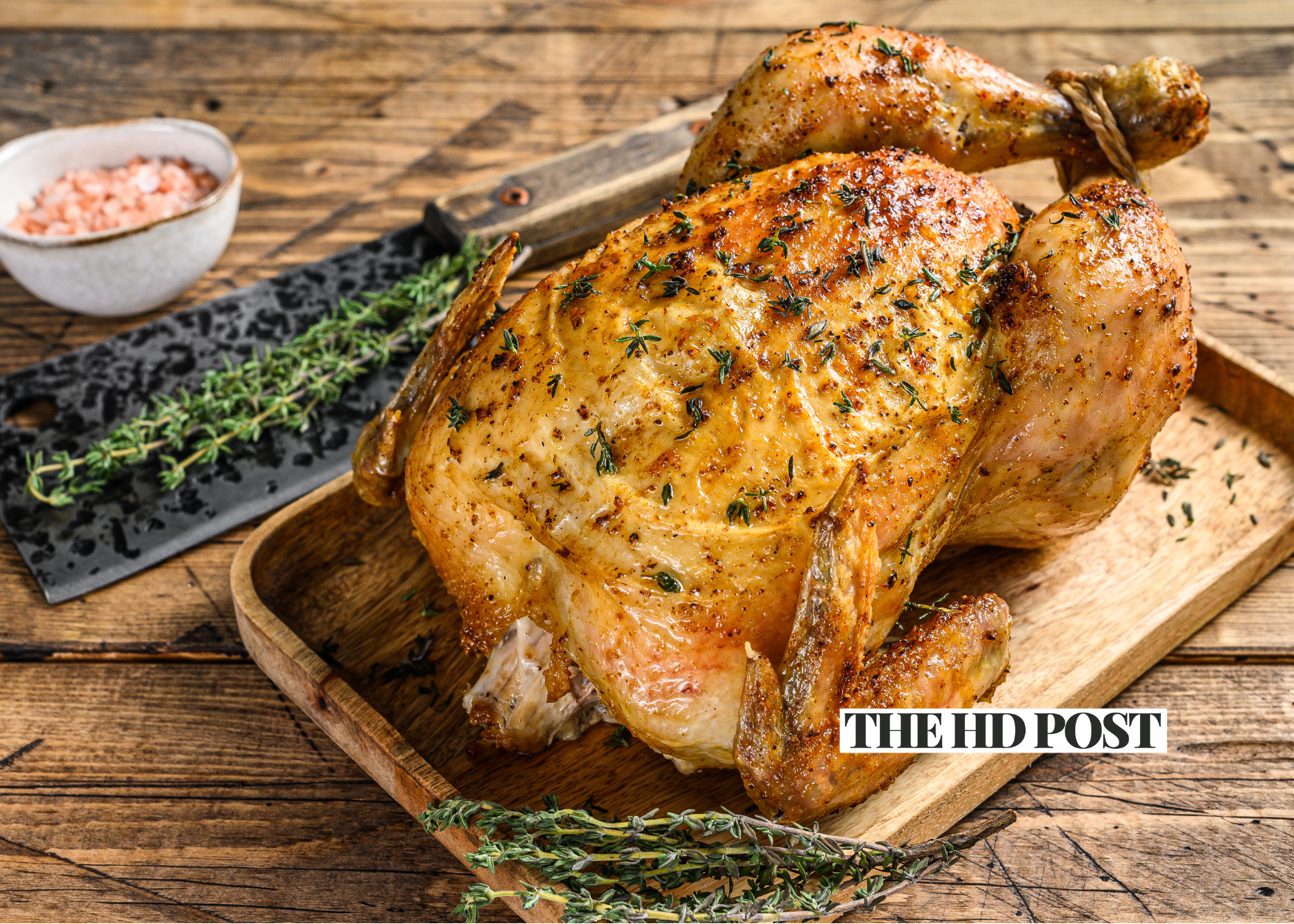
Understanding Costco Rotisserie Chicken Ingredients and Preservatives
Costco’s rotisserie chicken, widely known as the Kirkland Signature Seasoned Rotisserie Chicken, does not contain traditional chemical preservatives such as BHA, BHT, or nitrates. Instead, the product relies on a seasoned solution inje...
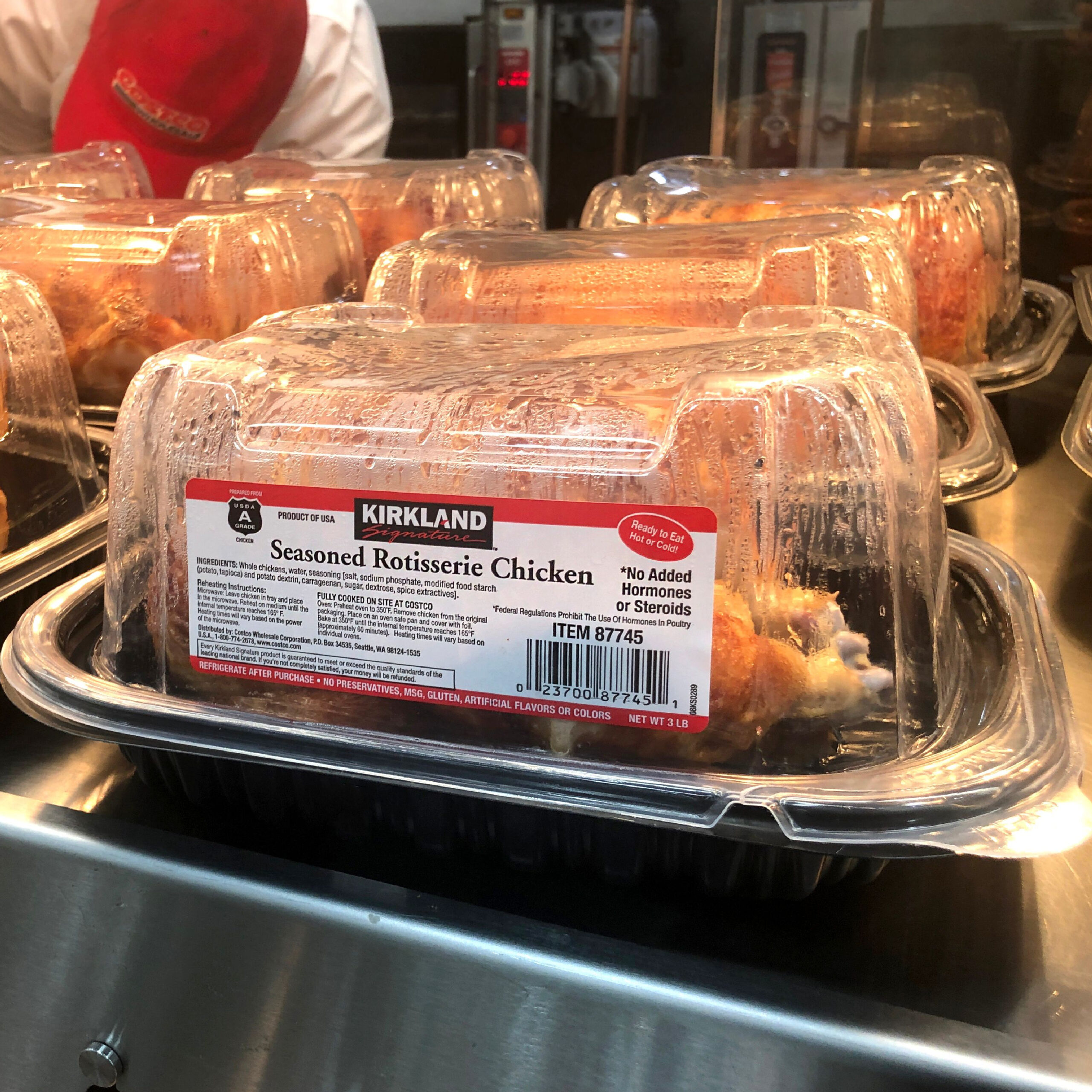
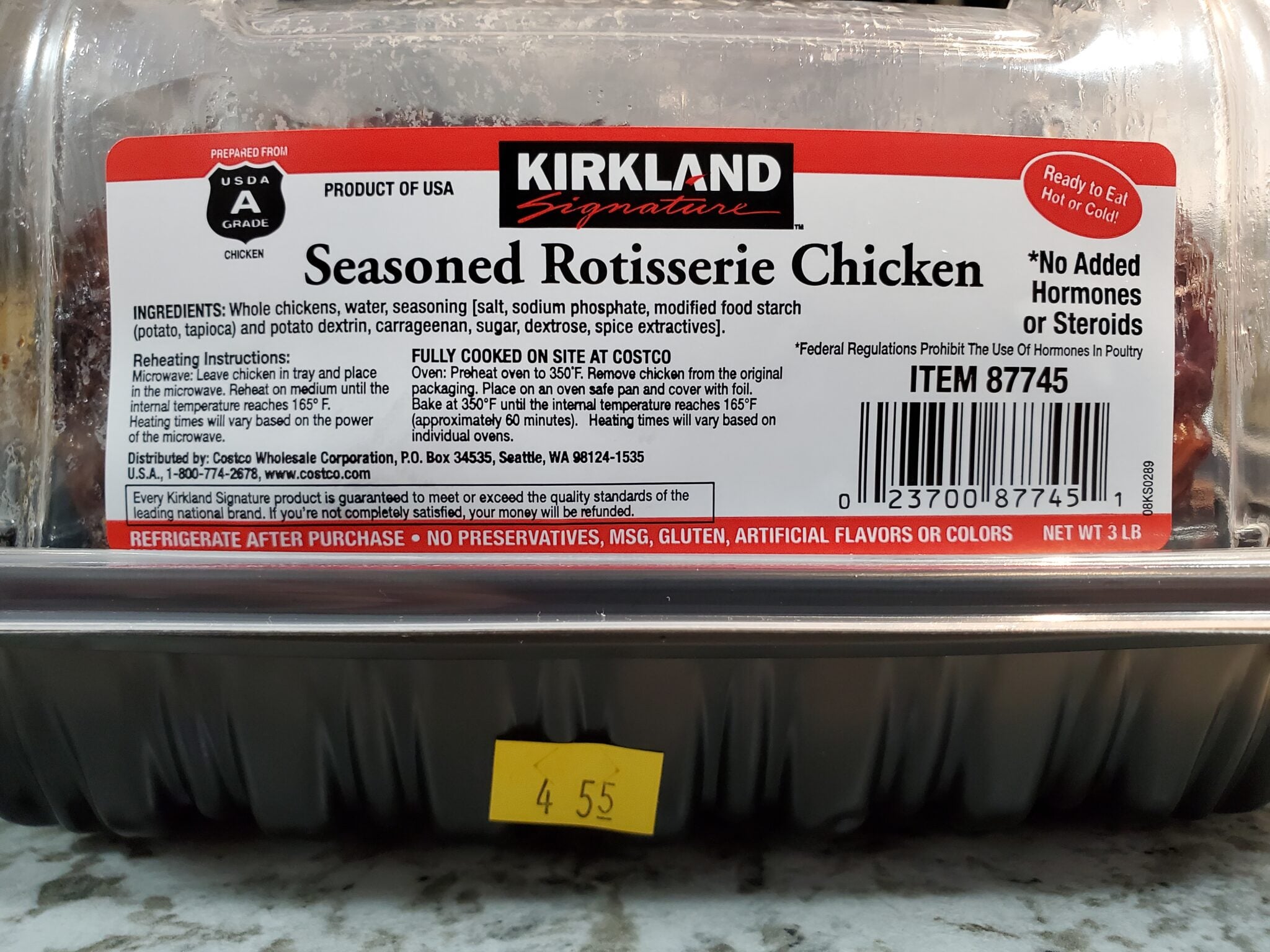
Costco’s rotisserie chicken, widely known as the Kirkland Signature Seasoned Rotisserie Chicken, does not contain traditional chemical preservatives such as BHA, BHT, or nitrates. Instead, the product relies on a seasoned solution injected into the raw poultry to ensure flavor, moisture, and food safety, which consists of water, salt, sodium phosphates, and modified food starch, along with various flavorings.
Contents
The popularity of the Kirkland Signature rotisserie chicken is tied to its consistent price point, convenience, and perceived value. However, because it is a mass-produced, pre-cooked food item, many consumers are curious about the technical composition of the seasoning solution and the methods used to ensure it remains safe and palatable from the rotisserie oven to the home table.
The Composition of the Seasoning Solution
When you purchase a rotisserie chicken from Costco, you are not simply buying raw chicken that has been roasted. The product is enhanced through a process known as "plumping" or "marination." The primary ingredients involved in this process include:
- Water: Used as a carrier for the seasoning ingredients to ensure even distribution throughout the meat.
- Salt (Sodium Chloride): Essential for flavor enhancement and acts as a natural curing agent that helps retain moisture during the high-heat roasting process.
- Sodium Phosphates: These are the most common additives in the product. They are functional ingredients used to increase the water-holding capacity of the protein. By changing the pH of the meat, sodium phosphates allow the muscle fibers to retain more moisture, which prevents the chicken from drying out during the extended cooking time required in a commercial rotisserie oven.
- Modified Food Starch: This acts as a stabilizer and texturizer, ensuring that the moisture and seasoning solution remain integrated within the muscle tissue rather than leaching out during the cooking or cooling phases.
- Natural Flavorings: This category typically includes spices, sugar, and natural extracts (such as rosemary extract) that contribute to the signature savory profile of the chicken.
Why Are These Ingredients Used?
From a food engineering perspective, these ingredients serve specific operational and safety purposes. A raw chicken roasting in a commercial environment faces the challenge of "yield loss," where heat causes muscle fibers to contract and expel water. Without the addition of sodium phosphates and starches, the chicken would likely reach a state of dehydration long before the thickest parts of the breast meat reached the USDA-mandated safe internal temperature of 165°F (74°C).
Furthermore, the "natural flavorings" mentioned on the labeling often utilize rosemary extract. While this is technically an antioxidant, its primary role in this context is to prevent oxidative rancidity—the chemical breakdown of fats that causes a "warmed-over" flavor—rather than acting as a preservative to stop bacterial growth.
Food Safety and Preservation Standards
It is a common misconception that "preservatives" in the context of rotisserie chicken are used to prevent bacterial decay in the same way they are used in shelf-stable snacks. The safety of a rotisserie chicken is primarily managed through two mechanisms:
- Thermal Processing: The chicken is cooked to a temperature that eliminates pathogenic bacteria like Salmonella and Campylobacter. Once cooked, the product is kept at a temperature above 140°F (60°C) in the heated display case to inhibit the growth of bacteria.
- Ingredient Functionality: While ingredients like salt and phosphates affect the chemistry of the meat, they are not classified as antimicrobial preservatives. The safety of the final product is a result of the cold chain (from the supplier to the store) and the strict temperature control maintained in the rotisserie department.
Ingredient Comparison Table
The following table provides a breakdown of common ingredients found in the seasoning solution and their functional roles compared to traditional chemical preservatives.
| Ingredient | Primary Function | Preservative Status |
|---|---|---|
| Salt | Flavor, Moisture Retention | Natural (Mild) |
| Sodium Phosphates | Water Retention/Texture | Additive (Functional) |
| Modified Food Starch | Thickener/Stabilizer | Additive (Functional) |
| Rosemary Extract | Antioxidant/Flavor | Natural (Antioxidant) |
| Carrageenan (Varies) | Gelling/Stabilizing | Additive (Functional) |
Note: Ingredient labels can vary slightly by regional production facilities; always check the specific package label for the most accurate list.
Addressing Common Concerns
Many consumers express concern regarding the sodium content of the chicken. Because the seasoning solution is injected directly into the meat, the sodium levels are significantly higher than that of a plain, unseasoned roasted chicken. For individuals monitoring their blood pressure or those on low-sodium diets, this is the most critical factor to consider, rather than the presence of synthetic preservatives.
Another point of discussion is the use of "Natural Flavors." In the food industry, this is a broad legal term that can encompass a wide variety of spice blends. While it does not include artificial chemicals, it does mean the specific proprietary blend used by Costco is not fully disclosed to the public, a common practice in the food production industry to protect corporate recipes.
Best Practices for Consumption and Storage
Once the chicken leaves the store, the responsibility for maintaining safety shifts to the consumer. Because the chicken is "ready to eat," it is susceptible to bacterial growth if left in the "danger zone" (between 40°F and 140°F) for too long.
- Prompt Refrigeration: Do not leave the chicken at room temperature for more than two hours. If you are shopping, make the rotisserie chicken the last item you pick up before heading to the checkout.
- Deboning: To cool the meat quickly, remove it from the bones. Placing a large, whole hot chicken in a refrigerator can take hours to cool to a safe temperature, during which time the center of the bird may remain in the danger zone.
- Shelf Life: Properly stored in an airtight container, the chicken should be consumed within three to four days. If you do not plan to eat it within that timeframe, the meat freezes exceptionally well.
Clarifying the Misconceptions
There is often confusion regarding whether Costco rotisserie chickens contain "carrageenan." Historically, some formulations or regional supplies have included carrageenan (a seaweed-derived thickener) as part of the stabilization process. However, as of 2026, ingredient labels generally favor modified food starches. Regardless of the specific stabilizer used, these ingredients are regulated as GRAS (Generally Recognized as Safe) by the U.S. Food and Drug Administration (FDA). They are not "preservatives" in the sense of extending shelf life against spoilage; they are structural agents that ensure the product remains juicy during the cooking and retail display process.
Related Questions
Does the Costco rotisserie chicken contain MSG? Most standard labels do not list Monosodium Glutamate (MSG) as an added ingredient. However, some natural flavorings can contain components that react similarly to MSG, or the raw chicken may contain naturally occurring glutamates. If you have a specific sensitivity, always consult the store’s signage, as they often provide a detailed allergen and ingredient list upon request.
Are there antibiotics in the chicken? Costco has made significant commitments to reducing the use of medically important antibiotics in their chicken supply chain. While the company monitors its suppliers, the presence of antibiotics is restricted under current food safety standards.
Why does the chicken have a "red" or "pinkish" color near the bone? This is often caused by the heat-stable pigment in the bones of younger chickens. Even if the meat is cooked to the proper temperature and the juices run clear, the marrow can leak into the surrounding tissue, creating a pink hue. This is a culinary phenomenon and not an indication that the chicken is undercooked or contains preservatives.
Is the plastic container safe for the microwave? The rotisserie chicken containers are designed for retail display, not for high-heat cooking. It is recommended that you transfer the meat to a microwave-safe glass or ceramic dish before heating to avoid any potential leaching of plastics at high temperatures.
How does Costco keep the price so low? The low price is often categorized as a "loss leader" strategy. By offering a high-quality, attractively priced item, the store drives foot traffic, assuming that customers will purchase other items during their visit. The ingredients are selected for cost-efficiency and performance, allowing for large-scale production that keeps the final cost to the consumer steady despite inflation.
Next Actions
If you are planning to purchase a Costco rotisserie chicken and have specific dietary concerns, the best course of action is to examine the physical label on the packaging at your local warehouse. Ingredient lists are printed clearly on the weight scale label. If you are concerned about sodium, consider removing the skin, which is where the bulk of the surface seasoning resides, or pair the meat with low-sodium side dishes like steamed vegetables or unsalted grains to balance your overall meal profile.
Image Gallery