Navigating Whitepages.com for Reliable Identity Verification and Contact Information in 2026
Whitepages.com functions as a comprehensive digital directory and identity verification platform, enabling users to locate contact information, verify backgrounds, and assess potential fraud risks associated with phone numbers or addre...
Whitepages.com functions as a comprehensive digital directory and identity verification platform, enabling users to locate contact information, verify backgrounds, and assess potential fraud risks associated with phone numbers or addresses. By aggregating publicly available records, it serves as a primary tool for consumers and professionals to validate identity data, perform due diligence on unknown callers, and manage personal data privacy within the legal frameworks of 2026.
Contents
Core Functionality and Data Sourcing
Whitepages.com operates by indexing vast quantities of public records sourced from government databases, property registries, social media profiles, and commercial data aggregators. Its primary utility lies in its ability to cross-reference fragmented data points to create a cohesive profile.
- Public Record Aggregation: The platform synchronizes information from court records, marriage and divorce filings, and property tax assessments.
- Identity Resolution: Using proprietary matching algorithms, the system links disparate data—such as a current cell phone number, a residential address, and professional history—to a single identity.
- Risk Assessment: Through its professional services and consumer interface, the platform provides risk scores, particularly useful for identifying potential spam or malicious actors associated with specific VoIP or mobile lines.
The accuracy of this data is subject to the frequency of updates within municipal and state databases. In 2026, users should anticipate that information regarding recent relocations may take several months to reflect in the repository due to the inherent processing latency of official government agencies.
Utilizing the Platform for Due Diligence and Safety
For individuals, Whitepages.com is primarily employed to vet unknown callers or identify the owners of residential properties. Understanding the distinction between basic lookups and in-depth reports is critical for efficient navigation.
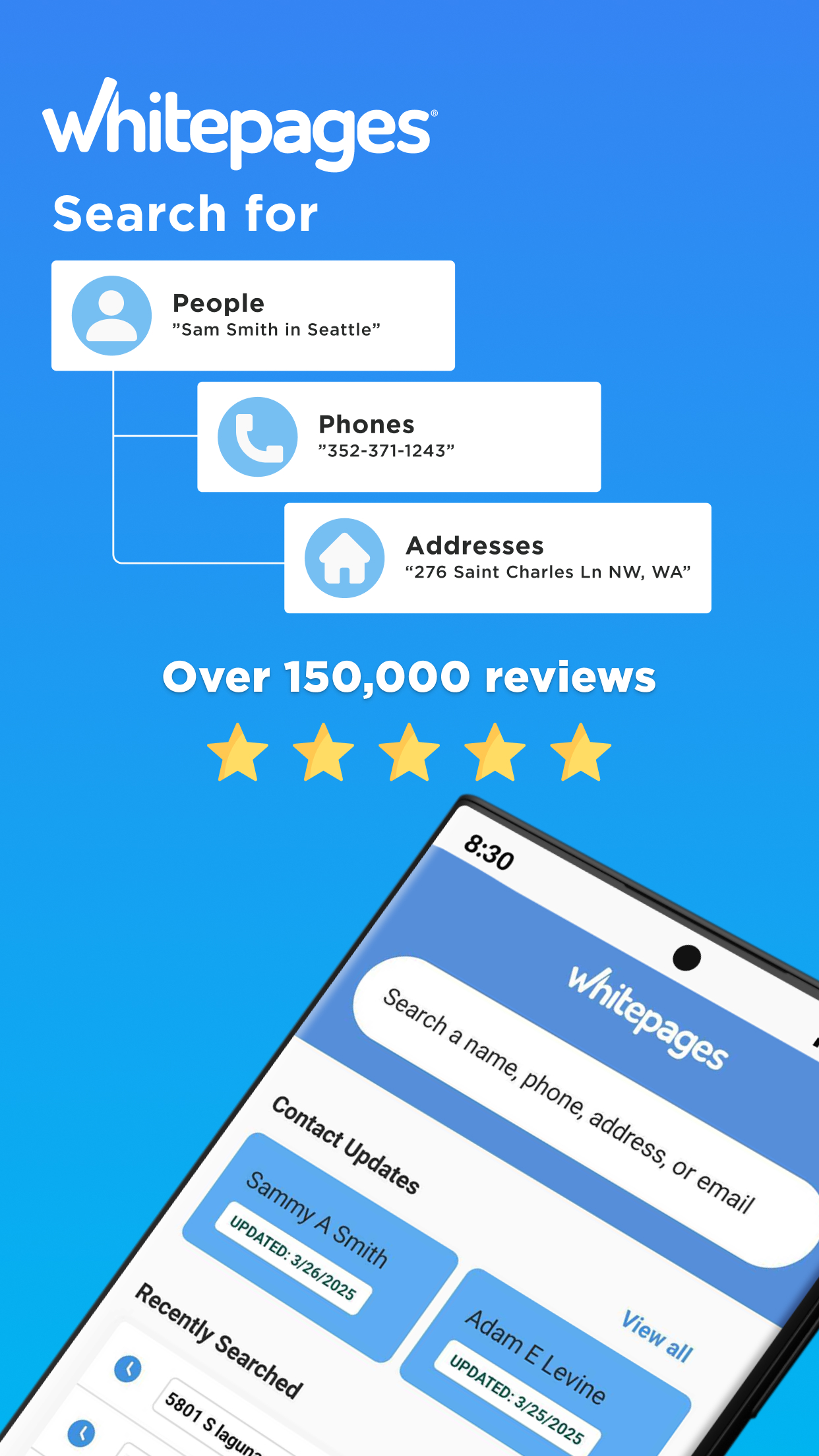
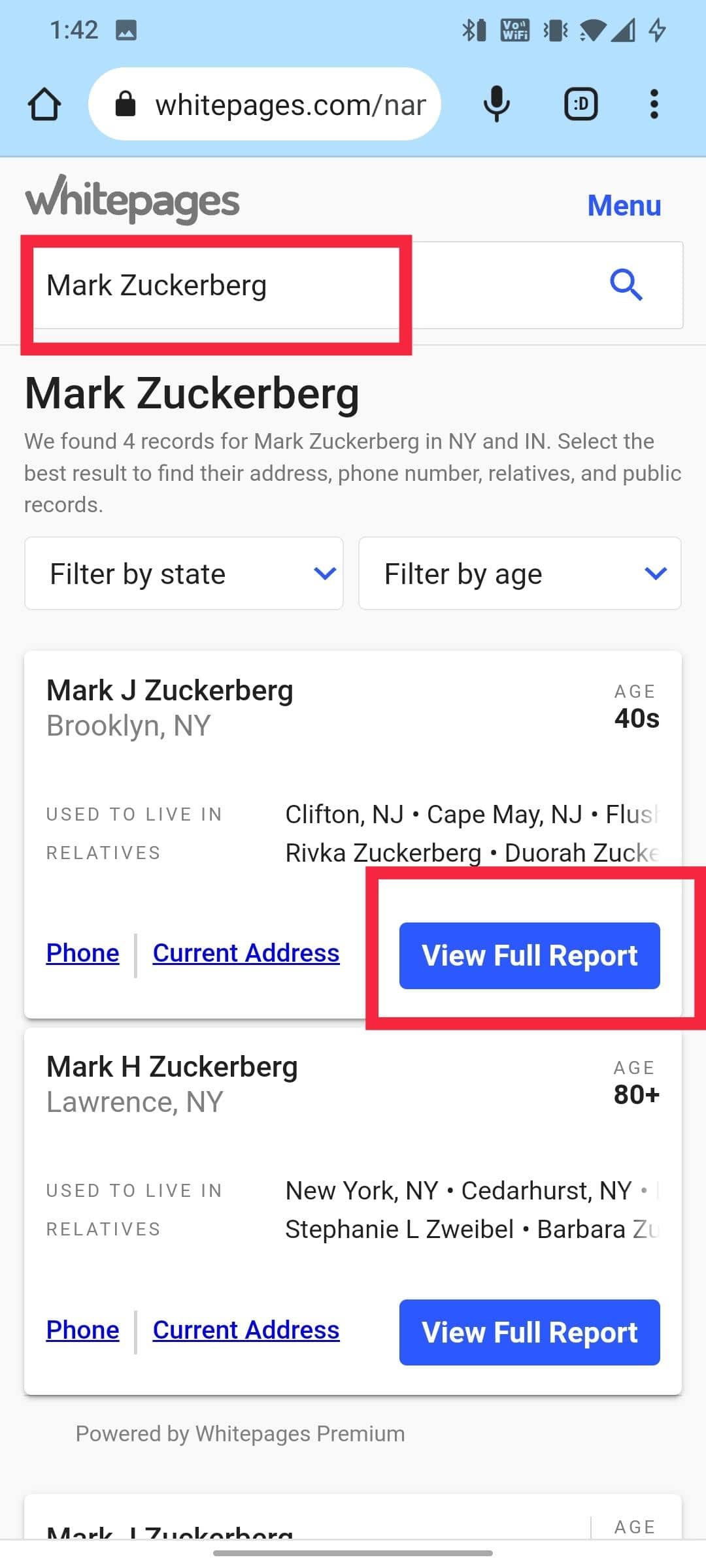
- Basic Lookup: Users input a name, phone number, or address. This returns publicly available contact details, such as known landline numbers and generalized location history.
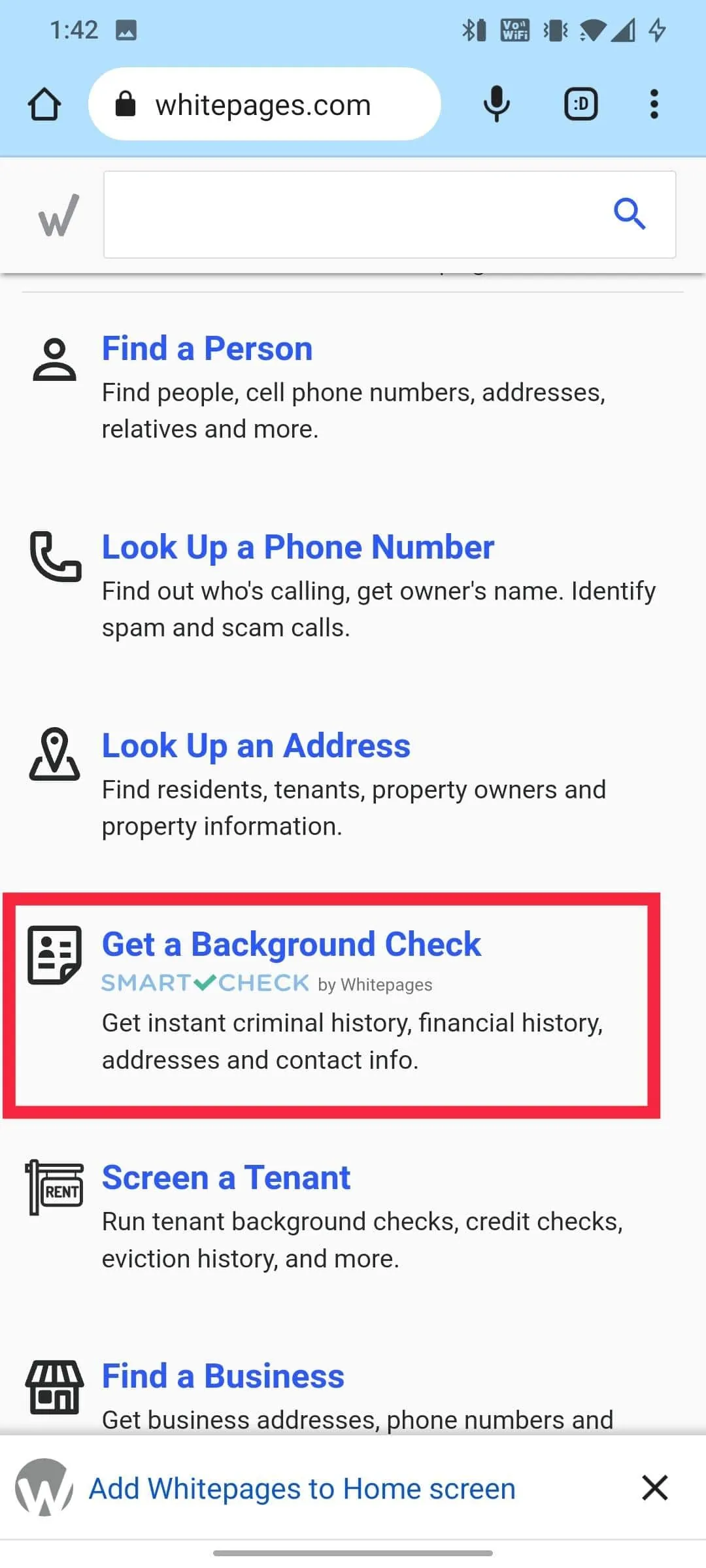
- Background Reports: For a fee, the platform provides comprehensive reports. These include criminal records, civil judgments, and known aliases, which are essential for verifying the identity of individuals in personal or professional settings.
- Fraud Prevention: The platform provides a "spam score" for phone numbers, which helps users categorize incoming calls from unknown entities, allowing them to block potential phishing attempts or telemarketing solicitations.
Operational Standard for Accuracy The reliability of any information retrieved from Whitepages.com is contingent upon the accuracy of source records. Users must treat retrieved information as an initial screening tool rather than a certified legal document. Always corroborate sensitive data through direct contact or official state-level background check portals when verifying information for legal, employment, or housing purposes.
Comparative Overview of Data Services
When evaluating the utility of directory and background check platforms, it is important to distinguish between free-tier directory services and premium analytical reports.
| Feature Type | Basic Search (Free) | Premium Report (Paid) |
|---|---|---|
| Contact Information | Limited Public Records | Comprehensive History |
| Criminal Records | Not Included | Full Disclosure / Included |
| Address History | Brief Summary | Detailed Chronology |
| Spam Risk Assessment | Basic Indicator | Advanced Analytical Score |
| Professional Affiliations | Not Included | Included (where available) |
Legal Compliance and Privacy Rights
In 2026, users must remain cognizant of the Fair Credit Reporting Act (FCRA) and relevant state-level data privacy laws, such as the California Consumer Privacy Act (CCPA). Whitepages.com explicitly prohibits the use of its data for employment screening, credit checks, or tenant screening, as these activities require FCRA-compliant consumer reporting agencies.
- Opt-Out Procedures: If you find your information on the platform and wish to remove it, Whitepages.com provides an official opt-out portal. The removal process typically requires verifying your identity to prevent unauthorized suppression of public records.
- Data Accuracy: If you encounter incorrect data, you may request updates through their customer support channels. Because the platform relies on third-party aggregators, updates must often be corrected at the source—the county or state database—to ensure long-term removal.
Troubleshooting Common Search Limitations
Users often face difficulties when trying to locate specific individuals or verifying numbers. Below are strategies to optimize search success:
- Ambiguity in Results: If a name produces too many results, use location filters (city or state) or middle initials to narrow the dataset.
- VoIP and Burner Numbers: Many modern phone numbers are virtual (VoIP). These often do not yield detailed ownership information because they are not tied to physical landline billing addresses. If a search returns "VoIP" or "Virtual," it is an indicator of a non-traditional line often used by temporary services or spam callers.
- Disconnected Numbers: If a number is no longer active, the records may show it as "formerly associated" with an individual. Do not rely on historical associations as proof of current residence or employment.
Frequently Asked Questions
Is information on Whitepages.com considered 100% accurate? No. Whitepages.com functions as an aggregator of public records. Discrepancies often occur due to delays in public record updates or human error during the data entry phase at government offices.
Can I use Whitepages to perform a background check for a potential employee? Strictly no. Using information from this platform for employment screening is a violation of the Fair Credit Reporting Act (FCRA). You must utilize accredited, FCRA-compliant background check services for any professional hiring decisions.
How do I remove my personal information from their database? You can navigate to the Whitepages.com opt-out page, locate your listing using their search function, and submit a removal request. You will be prompted to verify your identity to ensure that individuals are only requesting the removal of their own personal data.
Why does my phone number show a high spam score? A high spam score typically indicates that the number has been flagged by multiple users for unsolicited calls, or it is categorized as a high-volume VoIP provider. This does not necessarily imply illegal activity, but it signifies that the number is often utilized for automated messaging.
Does the platform charge for all services? The platform offers free basic contact information, such as addresses and phone numbers. However, comprehensive background reports that include criminal records, civil court histories, and financial data are provided exclusively through their premium paid subscription models.
How current is the data provided in 2026? The data is as current as the last sync with municipal and state public databases. While many records are updated in near real-time, others rely on periodic batch updates, which may result in a delay of several weeks or months for certain types of records.
Strategic Recommendations for Data Verification
To ensure the most effective use of the platform, maintain a clear objective before beginning your search. If your goal is simply to locate an old contact, the free search tools are generally sufficient. If your goal involves high-stakes decision-making, treat the output as a preliminary data point and conduct secondary verification using primary sources. Always prioritize your personal data privacy by regularly auditing your own footprint on the platform and utilizing their opt-out features to minimize your public exposure.
Image Gallery