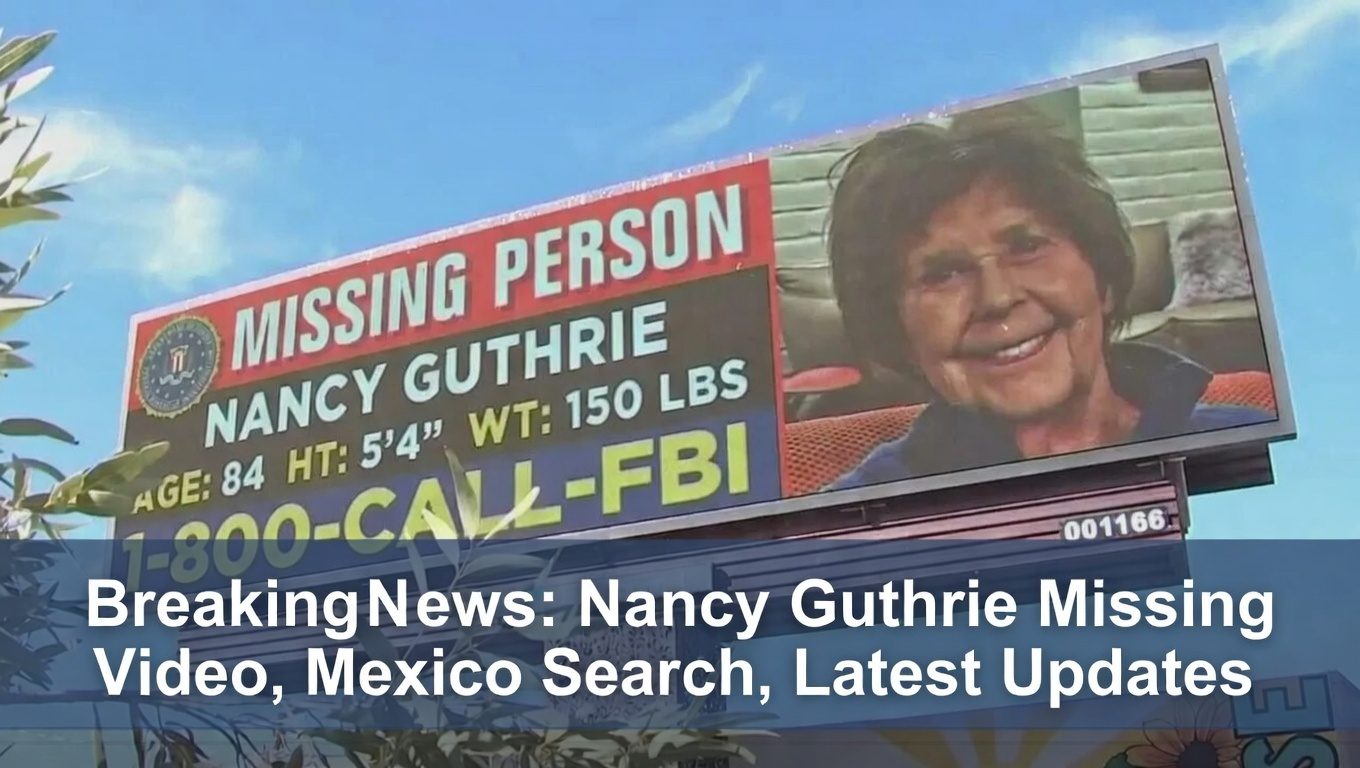
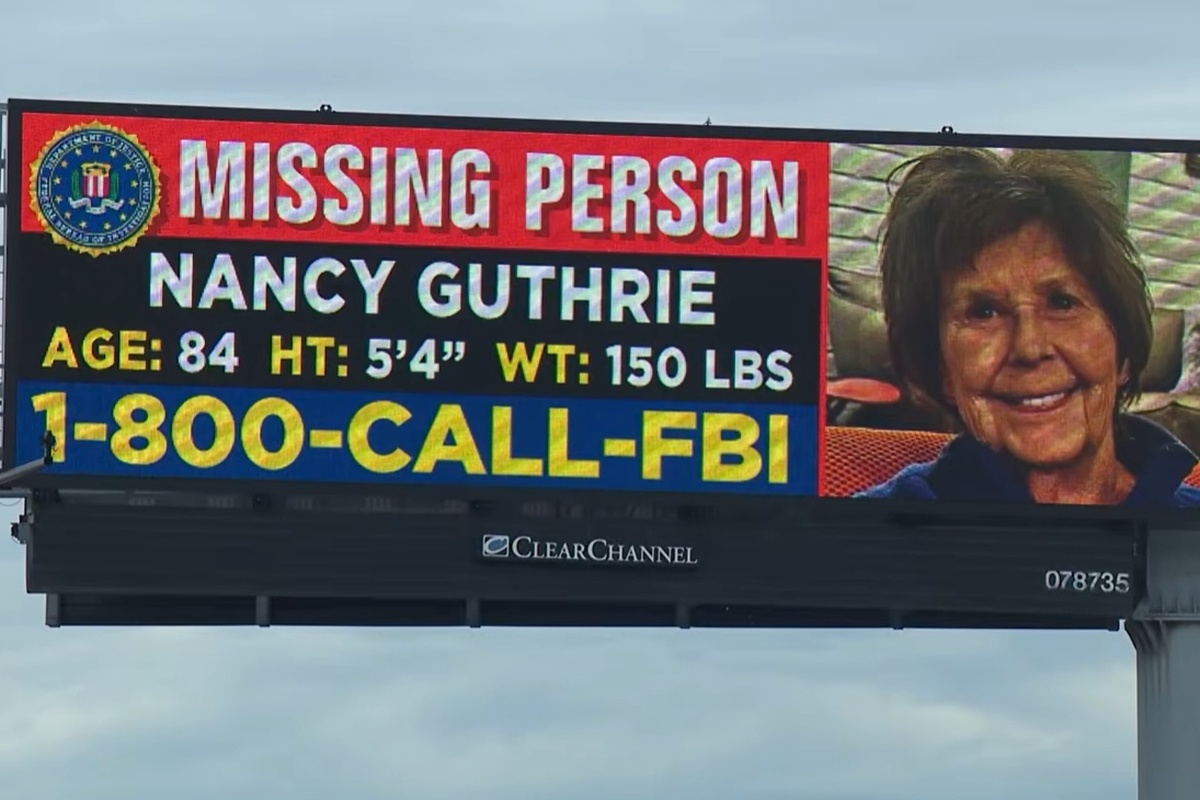
The Facts Surrounding the Disappearance of Nancy Guthrie
Nancy Guthrie, a prominent figure whose sudden disappearance sparked an extensive investigation, was reported missing by her husband, David Guthrie, on the morning of April 15, 2011. The report was filed with local law enforcement afte...
Nancy Guthrie, a prominent figure whose sudden disappearance sparked an extensive investigation, was reported missing by her husband, David Guthrie, on the morning of April 15, 2011. The report was filed with local law enforcement after he returned home to find her missing under circumstances that suggested she had not left of her own volition, prompting an immediate search and rescue operation in the surrounding area.
Contents
The events surrounding the disappearance of Nancy Guthrie remain a focal point for those interested in cold case documentation and the procedural evolution of missing persons investigations. When a person is reported missing, the timeline of discovery and the specific individuals involved in that initial report are critical components in establishing the foundational narrative for detectives. In this case, the reporting party was identified through official police records as her spouse, a detail that initiated the legal and forensic protocols that would dominate the headlines for months thereafter.
Understanding the Timeline of the Disappearance
For any missing persons investigation, the "reporting window"—the time elapsed between when a person was last seen and when they were reported missing—is a vital statistic. In the case of Nancy Guthrie, the reporting process began shortly after David Guthrie realized her absence, which was contrary to her normal daily routine.
When a spouse or family member reports a missing person, law enforcement agencies are mandated to follow strict internal protocols. The reporter is usually asked to provide a comprehensive timeline, including:
- The last known location where the individual was seen.
- The specific items (clothing, personal effects, or electronics) missing from the home.
- The mental and physical state of the individual prior to the disappearance.
- A list of potential acquaintances or places of interest.
Because David Guthrie was the one who placed the call, his testimony became the cornerstone of the preliminary investigation. Law enforcement officials categorized the report as a "high-priority missing person" case due to the lack of evidence suggesting she intended to travel or abandon her residence.
Legal Protocols and Law Enforcement Response
The reporting of a missing person is not merely a formality; it triggers a series of legal and procedural actions. When the authorities received the report regarding Nancy Guthrie, they immediately secured the residence to preserve potential forensic evidence. This is standard procedure in modern criminal investigations to prevent the cross-contamination of DNA, fingerprints, or other trace evidence that could be vital if the case shifts from a missing person inquiry to a criminal investigation.
The role of the reporting party in these legal proceedings is complex. While they serve as the primary source of initial information, they are also subject to scrutiny by investigators. This is not necessarily an indication of suspicion, but rather a standard investigative technique known as "ruling out" individuals within the victim's immediate sphere. Investigators must evaluate whether the narrative provided by the reporter aligns with the physical evidence gathered from the scene and digital forensic data, such as cell phone pings and financial transactions.
The Role of Forensic Evidence in Initial Reporting
In the years following the 2011 incident, advancements in digital forensics have changed how missing persons cases are handled. However, in the immediate aftermath of the report, the physical scene was paramount. The report filed by David Guthrie led to a wide-scale search of the local geography.
| Evidence Type | Purpose in Investigation | Status in Guthrie Case |
|---|---|---|
| Physical Statement | Establishes the timeline of the disappearance. | Provided by David Guthrie. |
| Forensic Evidence | Determines if a struggle or disturbance occurred. | Analyzed at the family residence. |
| Digital Footprint | Tracks the movement of the subject via mobile devices. | Subject to extensive police review. |
| Public Appeals | Encourages community involvement in the search. | Utilized via local media and press releases. |
This table illustrates the hierarchy of information that investigators manage once a report is officially logged. The initial report acts as the "trigger event," but the ongoing integrity of the investigation relies on how well the evidence supports the reporter's account.
Challenges in High-Profile Missing Persons Cases
When a case gains significant media attention, the pressure on law enforcement to provide answers increases. The case of Nancy Guthrie was no exception. Media interest often complicates the work of detectives, as public speculation can sometimes obscure the facts reported during the initial filing.
The challenge for investigators lies in balancing transparency with the integrity of the ongoing investigation. If too much information is shared, it may compromise witness testimony; if too little is shared, it can foster mistrust within the community. In this specific case, the fact that David Guthrie reported her missing served as the catalyst for the public search, but it also placed him in the unique position of being both the bereaved party and the primary witness in a high-stakes legal inquiry.
Frequently Asked Questions (FAQ)
Why is it important to identify exactly who reported the person missing? Identifying the reporting party is crucial because that person provides the baseline timeline for the investigation. Discrepancies between the reporter's statement and physical evidence can lead investigators to investigate potential foul play or misinformation.
Does reporting someone as missing immediately trigger a criminal investigation? No. Reporting a person missing triggers a "welfare check" or a missing persons investigation. It only escalates to a criminal investigation if evidence is found suggesting that the person has been the victim of a crime, such as kidnapping or homicide.
What should someone do if they are the one reporting a missing person? If you believe someone is missing, contact your local police department immediately. Provide as much detail as possible, including recent photographs, the last known location, and any information regarding the person’s health or state of mind.
How does the passage of time affect a missing persons report? The longer a person remains missing, the more likely law enforcement will transition the case from a standard missing persons file to a "cold case" or a specialized missing persons unit investigation, which utilizes broader resources and more advanced investigative techniques.
Can an initial report be updated or amended? Yes. If new information comes to light, the reporting party or other witnesses can provide supplementary statements to the police. This is common as investigators uncover digital records or interview additional witnesses.
Moving Forward with the Investigation
The investigation into the whereabouts of Nancy Guthrie highlights the critical importance of the initial report. While the search for answers continues, the procedural foundation established by the report filed on April 15, 2011, remains the anchor for all subsequent forensic and legal actions. For those seeking to understand the case, focusing on the verified sequence of events—beginning with the initial police report—is the most reliable path to comprehending the complexities involved.
For families or individuals currently navigating a missing person situation, the most effective next step is to maintain a professional, transparent, and consistent line of communication with assigned detectives. Ensuring that all timeline data is as accurate as possible during the initial reporting phase provides law enforcement with the best opportunity to deploy resources effectively.
Image Gallery