Understanding the Mount Baldy Lost Hiker Incidents: Safety, Recovery, and Prevention
The Mount Baldy lost hiker incidents refer to a recurring series of disappearances and fatalities on Mount San Antonio, California. These events, notably involving high-profile cases like Julian Sands and Lifei Huang, primarily occur d...
The Mount Baldy lost hiker incidents refer to a recurring series of disappearances and fatalities on Mount San Antonio, California. These events, notably involving high-profile cases like Julian Sands and Lifei Huang, primarily occur during winter months when extreme ice, high winds, and steep terrain create lethal conditions for unprepared or under-equipped hikers.
Contents
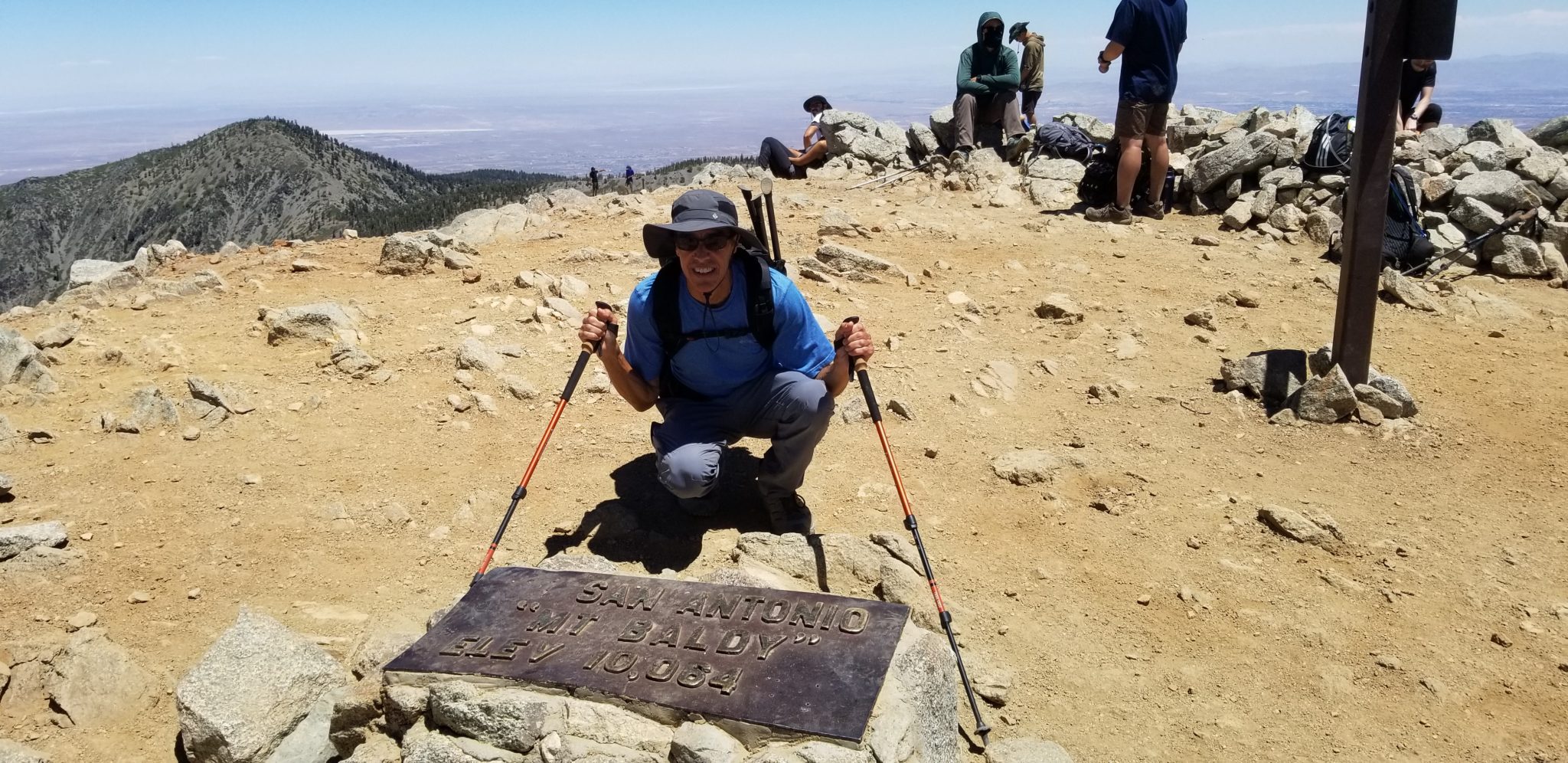
Mount San Antonio, colloquially known as Mount Baldy, stands as the highest peak in the San Gabriel Mountains and the Los Angeles Basin. Despite its proximity to a major metropolitan area, the mountain presents technical alpine challenges that often catch hikers by surprise. As of 2026, the history of lost hiker incidents on the mountain serves as a critical case study for search and rescue (SAR) operations, mountain safety protocols, and the legal responsibilities of forest management.
The Anatomy of a High-Altitude Emergency
The "Mount Baldy lost hiker incident" is rarely a singular event but rather a category of emergencies that share common environmental triggers. Most incidents occur in the Baldy Bowl or along the Devil’s Backbone, two geographic features that offer spectacular views but harbor extreme risks.
The primary cause of these incidents is the "slip and fall" on icy terrain. During the winter and spring shoulder seasons, snow on Mount Baldy undergoes a freeze-thaw cycle. Daytime sun melts the surface, which then refreezes into "bulletproof ice" at night. Hikers without technical crampons and ice axes find themselves unable to maintain traction. Once a slide begins on the 35-to-40-degree slopes of the Baldy Bowl, achieving a self-arrest is nearly impossible without professional training and tools.
A secondary factor is the rapid onset of "mountain weather." Because Mount Baldy stands as a prominent peak near the Pacific Ocean, it subject to sudden orographic lifting, where moist air is forced upward, cooling and condensing into thick fog or heavy snow within minutes. This "whiteout" condition leads to disorientation, causing hikers to wander off-trail into drainage canyons like San Antonio Canyon or Bear Canyon, where the terrain becomes even more precipitous and inaccessible to rescue teams.
High-Profile Cases and Historical Context
To understand the gravity of the Mount Baldy lost hiker phenomenon, one must examine the specific cases that have shaped public perception and SAR policy. These incidents underscore that even experienced individuals can fall victim to the mountain's volatile environment.
The Julian Sands Case (2023)
In January 2023, British actor Julian Sands was reported missing after embarking on a solo hike in the Baldy Bowl area. Despite massive search efforts involving drones, helicopters, and ground crews, the extreme winter conditions—characterized by record-breaking snowfall and avalanche risks—stymied recovery efforts for months. It was not until June 2023, when the snowpack finally receded, that civilian hikers discovered his remains near the Prosser Creek area. This case highlighted the "preservation effect" of high-altitude snow, where a subject may remain missing for an entire season despite being relatively close to established trails.
The Lifei Huang Incident (2024)
In February 2024, 22-year-old Lifei Huang went missing during a solo hike amid a severe winter storm warning. Her disappearance triggered a multi-day search during one of the most dangerous weather windows of the year. SAR teams faced near-zero visibility and significant avalanche threats. Her body was eventually located by a drone and recovered via helicopter. This incident sparked intense debate regarding "hiker responsibility" and whether the Forest Service should implement mandatory trail closures during extreme weather events.
The Sree Mokkapati Tragedy (2019)
One of the most harrowing chapters in Mount Baldy’s history occurred in December 2019, when Sree Mokkapati became separated from his group. The subsequent search lasted weeks and resulted in the tragic death of Timothy Staples, a veteran SAR volunteer and high school teacher, who fell during the rescue operation. This event led to a temporary suspension of ground search efforts and reinforced the grim reality that lost hiker incidents put not only the victims at risk but also the lives of those sworn to save them.
Technical Hazards of Mount Baldy Trails
Understanding the specific hazards of the mountain’s geography is essential for any hiker or researcher looking into these incidents. The mountain features three primary routes, each with distinct failure points.
| Trail Section | Primary Hazard | Skill Level Required | Essential Winter Gear |
|---|---|---|---|
| Baldy Bowl / Ski Hut | High-angle ice falls and avalanches | Advanced / Mountaineering | Crampons, Ice Axe, Helmet |
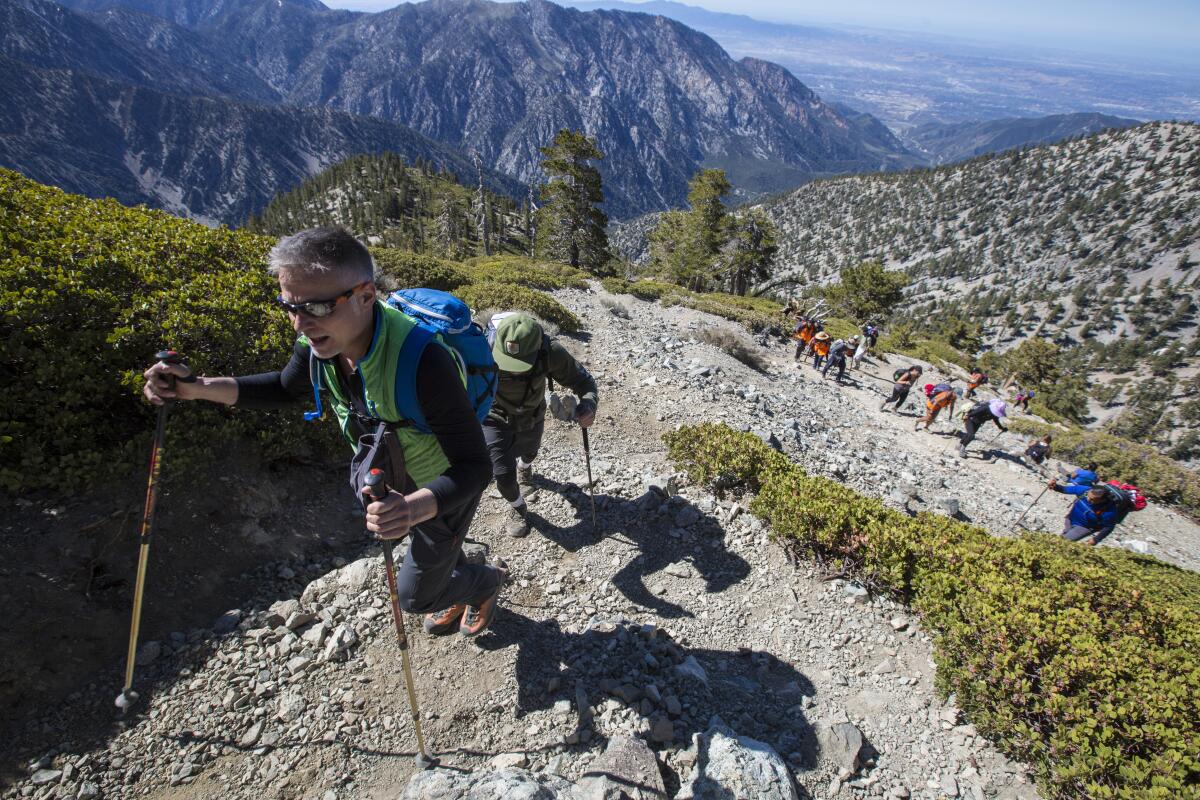
| Devil's Backbone | Narrow ridgeline with 1,000ft drop-offs | Intermediate (Summer) / Expert (Winter) | Microspikes (Light snow) / Crampons |
| Bear Canyon | Extreme elevation gain and route-finding issues | Advanced (Endurance) | GPS, PLB, Layered Clothing |
| North Notch | Loose scree and rapid weather shifts | Intermediate | Sturdy Boots, Trekking Poles |
The Devil’s Backbone
This ridge is notorious for high winds that can exceed 60–80 mph during Santa Ana events or winter storms. The trail is narrow, with steep drop-offs on both sides. In winter, the path becomes a "knife-edge" of ice. A single gust of wind or a misplaced step can result in a catastrophic fall. Many "lost" hikers are actually "fallen" hikers who have been swept off this ridge into the canyons below.
The Baldy Bowl
The Bowl is a natural amphitheater that attracts back-country skiers and mountaineers. However, it acts as a funnel for falling rock and ice. During the spring melt, "ice fall" becomes a major hazard. Hikers often underestimate the Bowl because it looks like a straightforward climb from the San Antonio Ski Hut, but the upper third of the slope often requires technical front-pointing with crampons.
Search and Rescue (SAR) Protocols and Logistics
When a hiker is reported missing on Mount Baldy, the San Bernardino County Sheriff's Department (SBSD) initiates a standardized SAR protocol. This process is a massive logistical undertaking that involves multiple agencies, including the Sierra Madre Search and Rescue and the Los Angeles County Sheriff’s Air 5 rescue helicopter.
- Phase 1: Intelligence Gathering: Rescuers attempt to "ping" the hiker’s cell phone via cellular towers or specialized software like Recco. They also check the trail register and interview witnesses at the trailhead.
- Phase 2: Aerial Reconnaissance: If weather permits, helicopters equipped with Infrared (IR) sensors and high-powered optics fly the known "fall lines" and drainages.
- Phase 3: Ground Insertion: Technical teams are inserted via hoist or foot. On Mount Baldy, ground teams are often limited by "hang fire" (unstable snow above them) and must wait for the snowpack to stabilize before entering the Bowl or canyons.
- Phase 4: Recovery vs. Rescue: If a subject is not found within the first 48–72 hours in sub-freezing temperatures, the mission often transitions from a rescue to a recovery operation, focusing on the safety of the personnel involved.
As of 2026, the use of unmanned aerial vehicles (UAVs) equipped with AI-driven image recognition has become a standard tool in these operations. These drones can fly in narrow canyons that are too dangerous for manned helicopters, significantly increasing the chances of locating a missing person's gear or footprints.
Prevention and Survival Requirements
To avoid becoming part of a Mount Baldy lost hiker incident, adherence to strict mountaineering standards is required. The U.S. Forest Service and local SAR teams emphasize that "summer gear" is insufficient for "winter conditions."
- Communication Devices: Cell service is non-existent in most of the canyons. A Personal Locator Beacon (PLB) or a satellite messenger (such as Garmin inReach) is mandatory. These devices use the Iridium satellite network to send an SOS signal with precise GPS coordinates.
- The Ten Essentials: This is not a suggestion but a requirement. It includes navigation (map/compass), sun protection, insulation (extra layers), illumination (headlamp), first aid, fire starter, repair kit, nutrition, hydration, and emergency shelter.
- Technical Training: Owning an ice axe is useless if the hiker does not know how to perform a self-arrest. Local organizations offer "Winter Mountaineering 101" courses that are essential for anyone attempting Baldy between November and May.
- The "Turn Back" Rule: Most incidents occur because hikers feel a "summit fever"—the psychological drive to reach the top despite deteriorating conditions. Professional guides recommend setting a hard "turn-back time" (usually 1:00 PM) regardless of how close the summit appears.
For official trail status and current weather warnings, hikers should consult the Angeles National Forest website and the San Bernardino County Sheriff's Department for active alerts.
Frequently Asked Questions
Why is Mount Baldy considered so dangerous compared to other peaks?
Mount Baldy is deceptively accessible. Its proximity to Los Angeles means people often attempt it as a "day hike" in sneakers or light gear. However, its topography creates "trap-like" conditions where a minor slip leads to a vertical fall of hundreds of feet. The mountain's weather is also more volatile than other peaks in the region due to its isolation and height.
What should I do if I get lost on Mount Baldy?
If you are still mobile, S.T.O.P. (Sit, Think, Observe, Plan). Do not descend into unknown canyons, as they often end in impassable waterfalls. Stay on a ridge or an open area where you are visible from the air. If you have a satellite messenger, trigger the SOS immediately. Build a shelter to stay dry, as hypothermia is the primary killer in lost hiker scenarios.
Are there fines for being rescued on Mount Baldy?
In California, most search and rescue operations are funded by taxpayer dollars and do not result in a direct bill to the victim. However, there is ongoing legislative discussion regarding "negligent hiking" laws. Regardless of cost, the legal and civil liability of putting rescuers in danger is a significant ethical consideration.
Can I hike Mount Baldy in the winter without mountaineering experience?
It is strongly discouraged. Even the "easy" trails become technical mountaineering routes in winter. Without the ability to read snow conditions or use an ice axe and crampons, the risk of a fatal incident is high. Many lost hiker incidents involve individuals who underestimated the transition from dry trail to ice.
What happened to the actor Julian Sands on Mount Baldy?
Julian Sands went missing in January 2023 during a period of extreme winter storms. Despite multiple searches, his remains were not found until five months later by hikers. The coroner's report eventually ruled the cause of death as "undetermined" due to the condition of the remains, but the incident is widely attributed to the extreme environmental hazards present at the time of his disappearance.
Final Recommendations for Hikers
If you plan to summit Mount Baldy, your first step should be to check the Mount Baldy Resort weather station for real-time wind and temperature data. Always leave a detailed "float plan" with a trusted contact, specifying your intended route and an expected return time. If conditions look questionable, opt for lower-elevation trails in the San Gabriel range. The mountain will always be there for another day, but the risks of an "incident" are absolute and often final.
Image Gallery