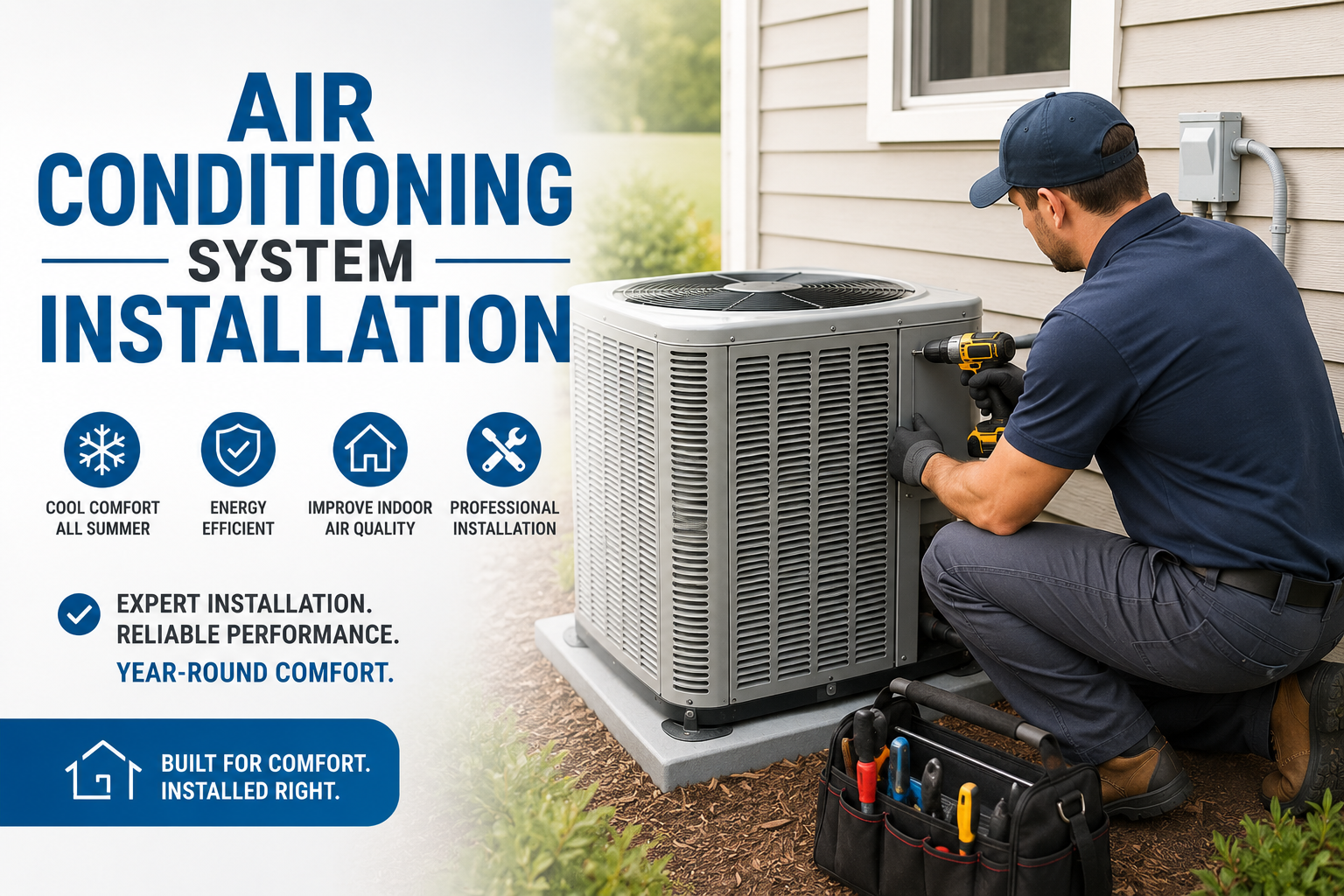
Expert Guide to Air Conditioner Repair in Miami: Ensuring Cooling Reliability
When your air conditioner fails in the humid, tropical climate of Miami, immediate action is required to prevent indoor air quality issues and structural humidity damage. Effective repair begins with basic troubleshooting to rule out s...
When your air conditioner fails in the humid, tropical climate of Miami, immediate action is required to prevent indoor air quality issues and structural humidity damage. Effective repair begins with basic troubleshooting to rule out simple power or thermostat errors, followed by professional diagnostics for refrigerant leaks, electrical component failures, or mechanical compressor issues, ensuring your system is serviced by a licensed and insured contractor compliant with Miami-Dade County regulations.
Contents
Understanding the Miami Climate Challenge
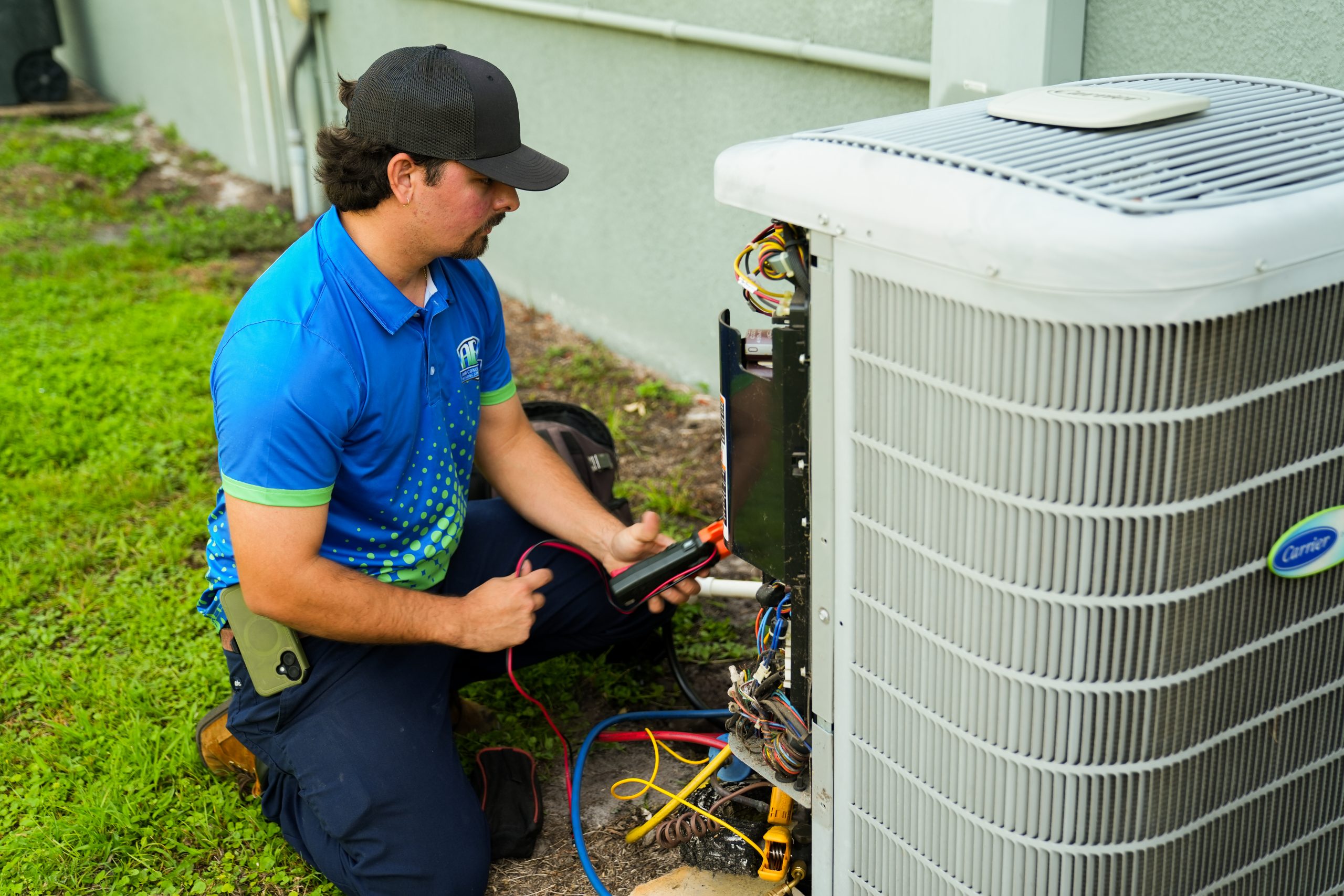
The cooling systems in Miami operate under extreme stress compared to most of the United States. High humidity levels, salt air corrosion from proximity to the coast, and the necessity for near-constant operation during the extended summer months mean that residential and commercial AC units work significantly harder. This constant demand accelerates the wear of components such as capacitors, fan motors, and contactors.
Because of the high-salinity environment, external condenser coils are particularly susceptible to "coastal corrosion." This process can cause microscopic leaks in the copper tubing, leading to refrigerant loss. Recognizing this regional nuance is the first step in maintaining a system; it explains why maintenance schedules in South Florida are often more rigorous than manufacturer defaults provided in general manuals.
Preliminary Troubleshooting Steps
Before calling for a service technician, you can perform several diagnostic checks to verify if the issue is a simple operational error or a deeper mechanical failure.
- Verify Power Supply: Check your electrical panel to ensure that the circuit breaker for the air conditioner has not tripped. If it has, reset it once. If it trips again immediately, do not force it; this indicates a short circuit or an overloaded motor requiring professional intervention.
- Thermostat Settings: Ensure the thermostat is set to "Cool" and that the temperature setpoint is at least 5 degrees lower than the current ambient room temperature. Check for dead batteries in the thermostat unit, as this is a common cause of "no-power" complaints.
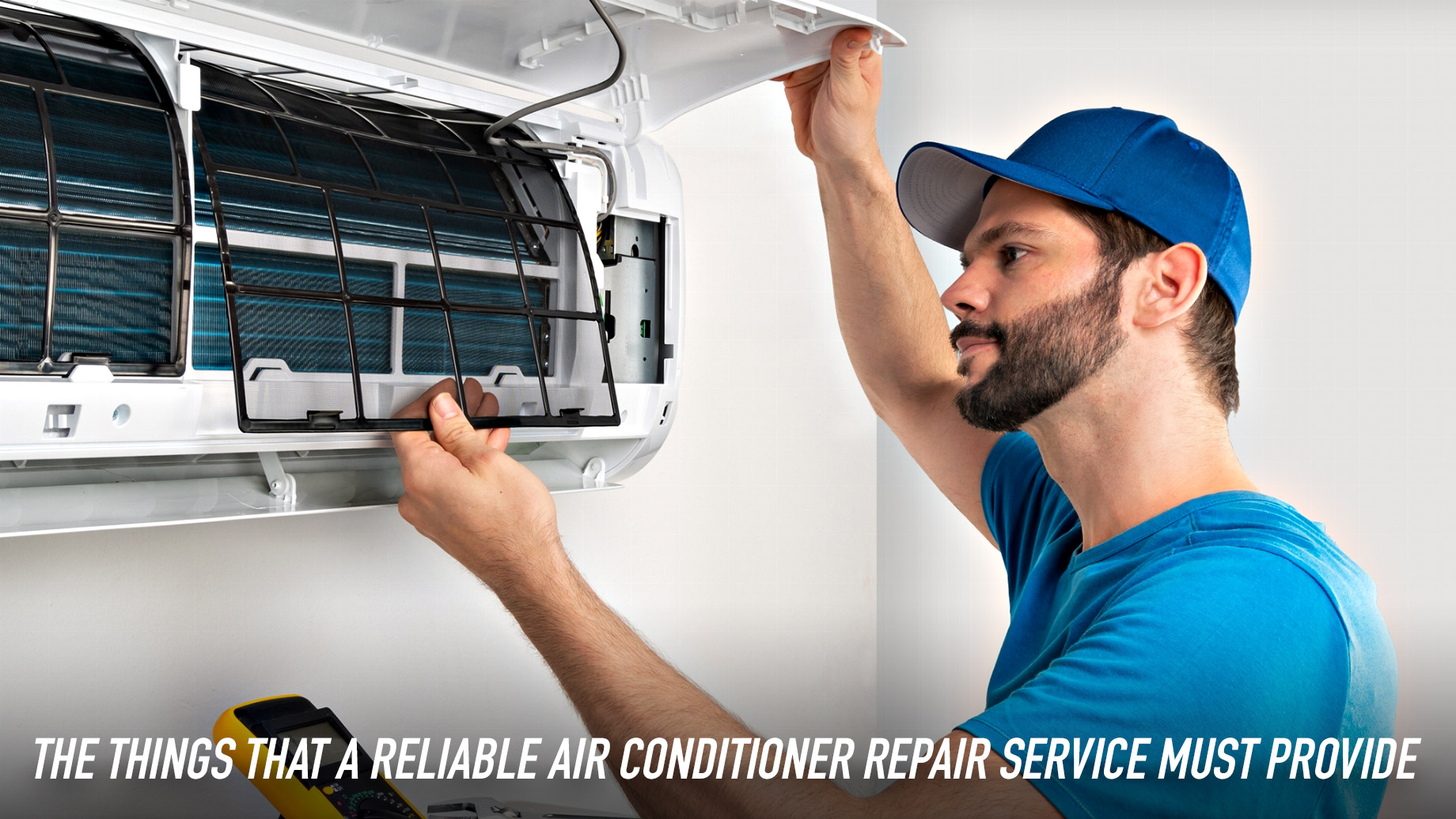
- Air Filter Inspection: A clogged air filter restricts airflow, which causes the evaporator coil to freeze. Remove the filter and check for heavy dust accumulation. If the filter is dark or completely opaque, replace it with a clean, high-quality filter appropriate for your specific HVAC system.
- Condensate Drain: Check the condensate drain line for blockages. In Miami, algae growth in the drain pan and PVC lines is common. If water is backing up, the system’s safety float switch may be shutting down the unit to prevent water damage to your ceiling or floors.
Selecting a Qualified Service Provider
In Miami-Dade County, professional HVAC technicians must hold a state-issued license. You can verify the status of any contractor through the Florida Department of Business and Professional Regulation (DBPR). When hiring a firm, prioritize companies that offer upfront, flat-rate pricing or transparent diagnostic fees rather than "open-ended" hourly billing.
Critical Verification Checklist
- Licensure: Verify the contractor holds a Class A or Class B state air conditioning license.
- Insurance: Request proof of general liability and workers' compensation insurance to protect your property from accidents during the repair.
- Permitting: Major component replacements, such as an air handler or condenser unit, often require a mechanical permit through the local building department. Ensure your contractor handles this if the repair escalates to a full replacement.
- Refrigerant Handling: Ensure the technician is EPA 608 certified to handle refrigerants, which is a federal legal requirement for anyone servicing air conditioning equipment.
Comparison of Common HVAC Repair Scenarios
| Issue Component | Common Symptom | Typical Diagnostic Focus |
|---|---|---|
| Capacitor | System hums but fan/compressor won't start | Measure microfarad output; check for bulging |
| Evaporator Coil | Warm air blowing; ice buildup | Check for refrigerant leaks and airflow restrictions |
| Condensate Line | Water pooling near unit; system off | Check for biological growth/cloggage in PVC |
| Contactor | System won't shut off or turn on | Inspect for pitted or burned electrical contacts |
| Compressor | System runs but provides no cooling | Test windings; verify high/low side pressures |
The Impact of Refrigerant Types
As of 2026, the industry continues the transition away from older refrigerants. If your system still uses R-22, you may face significant challenges with repairs. R-22 is now phased out of production, and remaining stocks are costly. If a leak is discovered in an aging R-22 system, technicians will often advise against a repair, as the cost of replenishing the refrigerant can exceed the value of the repair itself. Modern systems utilize R-410A or newer A2L refrigerants. Always ask your technician to identify the specific refrigerant your system uses before authorizing a recharge.
Preventative Maintenance: The Miami Standard
Given the intensity of the climate, professional bi-annual maintenance is the most effective way to avoid emergency repairs. During a maintenance visit, a technician should:
- Clean the condenser coil with appropriate chemical cleaners to remove salt buildup.
- Inspect and tighten all electrical connections, which can loosen due to vibration and temperature cycling.
- Monitor refrigerant pressures to identify slow leaks before they result in a total system breakdown.
- Clear the condensate drain system and treat the pan with an algae-inhibiting tablet.
Frequently Asked Questions
1. How long should an AC unit last in Miami? Typically, an AC unit in South Florida lasts between 10 to 15 years. The coastal environment can shorten this lifespan to 8–10 years if the system is not maintained properly to combat salt-air corrosion.
2. Why is my AC blowing warm air? Warm air usually indicates that the compressor is not running, there is a refrigerant leak, or the system is frozen due to restricted airflow. First, check your air filter; if that is clean, professional diagnostics are required.
3. What does it mean when my AC breaker trips? A tripped breaker indicates an electrical overload or a component failure drawing excessive current. This could be a failing capacitor, a seized compressor, or a grounded wire. It requires immediate professional inspection to prevent fire risks.
4. Can I use a garden hose to clean my outdoor condenser? You can gently rinse the outside of the condenser cabinet to remove loose debris, but be careful not to bend the delicate aluminum fins. Never spray water directly into the electrical panel or the motor housing, as this can cause catastrophic damage.
5. Is a "Freon recharge" a permanent fix? No. Air conditioners are sealed systems. If your system is low on refrigerant, there is a leak. Simply adding more refrigerant (recharging) is a temporary solution that will eventually fail again. You must identify and seal the leak or replace the leaking component.
Next Actions
If your system is not cooling despite basic troubleshooting, contact a licensed HVAC contractor. Request a diagnostic visit and ask for a written quote that details the specific part failure and the total cost of the repair. If the repair cost is greater than 50% of the cost of a new system, or if your system uses outdated refrigerant, consider obtaining a formal estimate for a full system replacement to restore efficiency and reliability to your home.
Image Gallery