Understanding Georgia Auto Insurance Laws and Regulations
Navigating the landscape of Georgia auto insurance laws requires understanding the state’s mandatory financial responsibility requirements, minimum liability coverage limits, and the legal implications of being an "at-fault" state. Dri...
Navigating the landscape of Georgia auto insurance laws requires understanding the state’s mandatory financial responsibility requirements, minimum liability coverage limits, and the legal implications of being an "at-fault" state. Drivers in Georgia must maintain continuous liability insurance on all registered motor vehicles to comply with state statutes and avoid administrative penalties, such as license suspension and vehicle registration revocation.
Contents
The Foundation of Georgia Insurance Requirements
Georgia operates under a tort-based system, often referred to as an "at-fault" state. This means that if you are involved in a motor vehicle accident, the person found responsible for the collision is legally obligated to compensate the other party for damages, including medical expenses, property damage, and lost wages. To ensure that drivers can fulfill this financial responsibility, Georgia law mandates that every vehicle owner carries a minimum amount of liability insurance.
Minimum Liability Limits
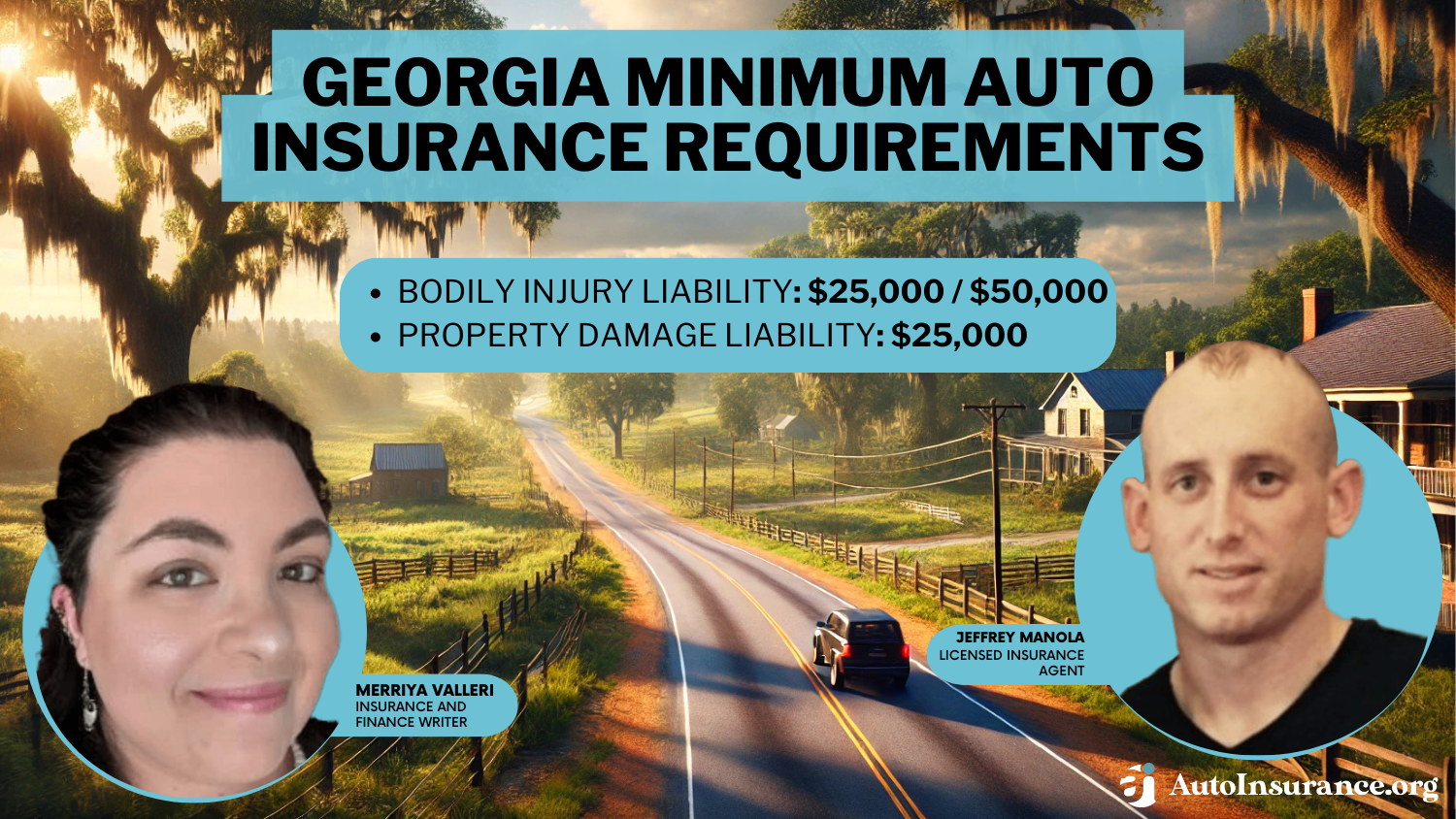
As of 2026, the Georgia Department of Revenue (DOR) requires every driver to maintain the following minimum liability coverage:
- Bodily Injury Liability: $25,000 per person.
- Bodily Injury Liability: $50,000 per incident (total coverage for all persons injured in one accident).
- Property Damage Liability: $25,000 per incident.
These limits represent the absolute floor of coverage permitted by law. While these figures satisfy state requirements, they are often insufficient to cover the total costs of a major accident, particularly in cases involving multiple vehicles or severe injuries. Many experts and financial advisors recommend carrying higher limits to protect personal assets from potential litigation in the event of an excess judgment.
Electronic Verification and Enforcement
Georgia employs a sophisticated, real-time database system known as the Georgia Electronic Insurance Compliance System (GEICS). This system enables the Department of Revenue and the Department of Driver Services (DDS) to monitor insurance status continuously.
Insurance companies are required to upload policy information directly into the GEICS database. If your insurance lapses—due to a policy cancellation, non-payment, or expiration—the insurance carrier must report this to the state. Once a lapse is detected, the state initiates a formal notification process, which typically includes a notice sent to the registered owner.
Failure to resolve a lapse can lead to:
- Administrative Fines: Financial penalties for every day the vehicle is uninsured.
- Registration Suspension: The state may revoke the vehicle's registration, making it illegal to operate the car on public roads.
- License Suspension: Persistent failure to provide proof of insurance can lead to the suspension of your driver’s license.
Optional Coverages and Protective Add-ons
While Georgia law only mandates liability coverage, most insurance providers offer additional protections that are highly beneficial. Understanding these options is essential for comprehensive risk management.
- Collision Coverage: This pays for the repair or replacement of your vehicle if it is damaged in an accident, regardless of who is at fault. If you are still financing or leasing your vehicle, your lender will almost certainly require this coverage.
- Comprehensive Coverage: This protects your vehicle against non-collision incidents, such as theft, fire, vandalism, or damage caused by falling objects or wildlife.
- Uninsured/Underinsured Motorist (UM/UIM) Coverage: Given that some drivers operate vehicles illegally without insurance, UM/UIM coverage is critical. It covers your medical expenses and property damage if you are struck by a driver who lacks insurance or carries only the state-mandated minimum, which may not cover your total damages.
- Medical Payments (MedPay) Coverage: This covers medical expenses for you and your passengers, regardless of fault, up to a specified limit.
Comparison of Coverage Types
| Coverage Type | What It Covers | Is It Mandatory? |
|---|---|---|
| Bodily Injury Liability | Injuries you cause to others | Yes |
| Property Damage Liability | Damage you cause to others' property | Yes |
| Collision | Damage to your own car from an accident | No (Lender-required) |
| Comprehensive | Theft, fire, natural disasters, vandalism | No (Lender-required) |
| UM/UIM | Damages from uninsured/underinsured drivers | No (Optional) |
The Claims Process and Proving Fault
Because Georgia is an at-fault state, the claims process revolves around establishing negligence. If you are involved in a collision, the process typically proceeds in one of three ways:
- Filing a Claim with Your Own Insurer: You may file a claim with your own company, which will then pursue subrogation against the other party’s insurance provider to recover the costs.
- Filing a Claim Directly with the At-Fault Driver’s Insurer: You can seek compensation directly from the other party’s insurance carrier.
- Filing a Lawsuit: If an agreement cannot be reached or the other party refuses to accept liability, you may file a civil lawsuit in a Georgia court to recover damages.
Georgia follows a "modified comparative negligence" rule. You can recover damages only if you are less than 50% at fault for the accident. If you are found to be 50% or more at fault, you generally cannot recover any damages from the other party. If you are partially at fault (e.g., 20%), your recovery will be reduced by that percentage.
Prerequisites for Registering a Vehicle
To register a vehicle in Georgia, you must provide proof of insurance at the time of registration. The county tax commissioner’s office will verify your insurance status through the GEICS system. If your information is not in the system, you may be required to present a hard copy of your insurance card or an electronic document provided by your insurer.
When renewing your tag annually, the system will automatically check for valid insurance. If the system fails to find a record, your registration renewal will be blocked until the issue is rectified with your insurance agent.
Common Mistakes and How to Avoid Them
The most common error leading to legal trouble is a "lapse in coverage." This often happens during a change of insurance providers. To avoid a lapse:
- Do not cancel your current policy until the new one is active: Ensure there is no gap between the expiration of your old policy and the inception of the new one.
- Verify your VIN: Ensure that the Vehicle Identification Number (VIN) on your insurance card exactly matches the one on your vehicle registration. A single typo can lead the state to believe your vehicle is uninsured.
- Maintain Digital Copies: While the state verifies electronically, keeping a physical copy of your insurance card in your glove box is a practical best practice for roadside stops.
Frequently Asked Questions
Does Georgia law require me to have insurance for a car that I am not driving?
Yes. If a vehicle is registered in the state of Georgia, it must be insured, even if it is currently inoperable or being stored in a garage. If you do not intend to drive the vehicle, you must officially cancel the registration with the Department of Revenue to stop the insurance requirement.
Can I be penalized if I let my insurance lapse for just one day?
Yes. The state monitors insurance daily. If your insurance terminates and you do not replace it immediately, you may trigger an automated flag in the GEICS database, leading to potential fines and administrative actions even for short gaps.
What happens if I cause an accident and I am underinsured?
If the damages you cause exceed your policy limits, you become personally liable for the remaining balance. This means a court could potentially garnish your wages or place a lien on your assets to pay for the other party’s medical bills or property repairs.
Is "No-Fault" insurance available in Georgia?
No. Georgia is not a no-fault state. You are responsible for the damages you cause, and you must rely on your own insurance or the other party's insurance to cover losses based on the determination of liability.
Final Recommendation
To ensure total compliance, verify that your insurance information is correctly reported in the Georgia Electronic Insurance Compliance System. If you are unsure of your current status, you can visit the Georgia DRIVES e-Services portal to view your insurance history. Always maintain at least the state-mandated minimums, though carrying higher bodily injury and property damage limits—along with uninsured motorist coverage—is the most prudent strategy to protect your financial future.
Image Gallery