Navigating the Weld County Court System: 2026 Comprehensive Guide for the 19th Judicial District
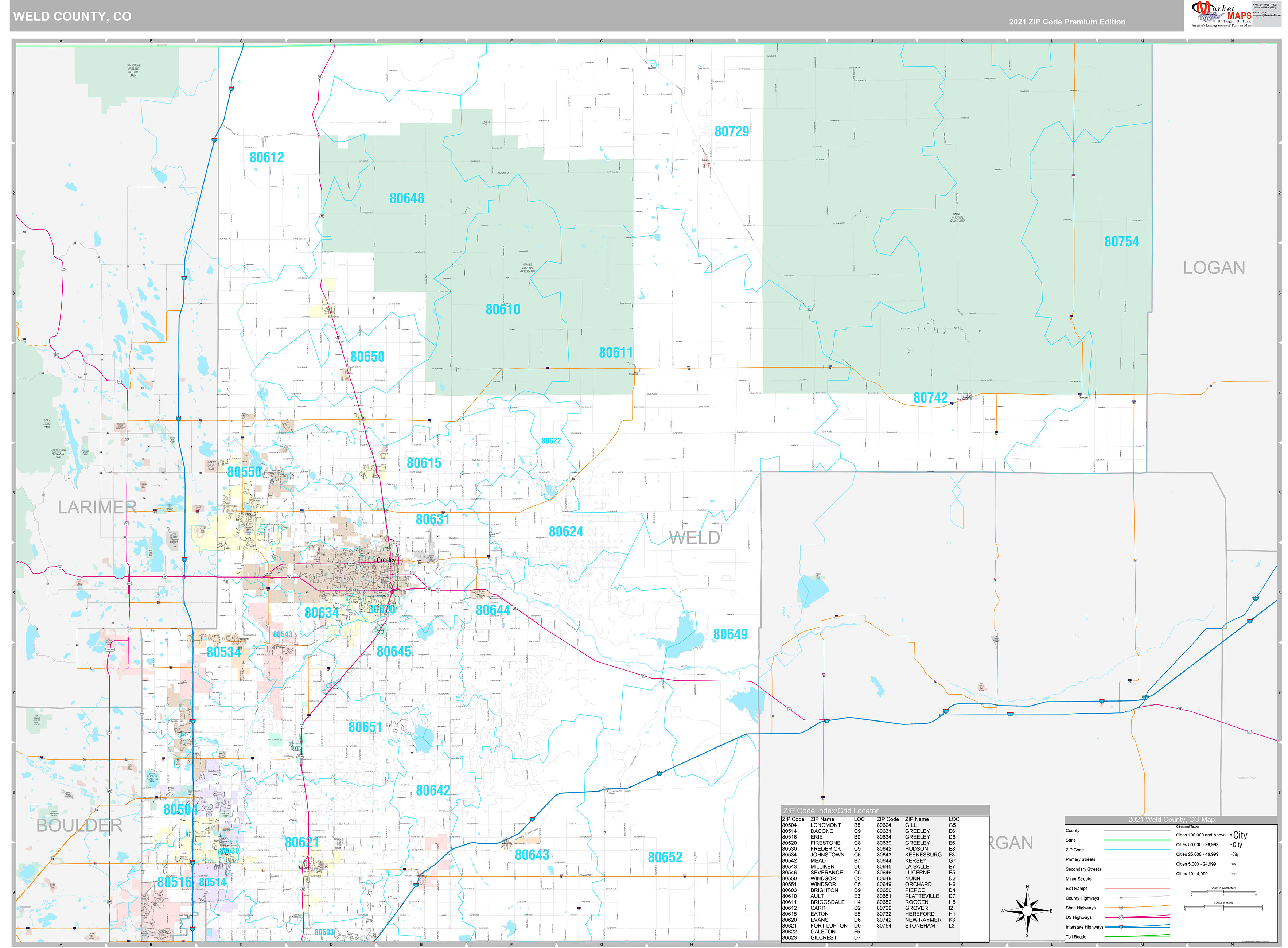
The Weld County court system, serving as Colorado's 19th Judicial District, manages all civil, criminal, domestic relations, probate, and juvenile matters within the county. Headquartered in Greeley, these courts facilitate everything...
The Weld County court system, serving as Colorado's 19th Judicial District, manages all civil, criminal, domestic relations, probate, and juvenile matters within the county. Headquartered in Greeley, these courts facilitate everything from small claims to high-level felony trials. Understanding the specific jurisdictional boundaries between County and District courts is essential for effective legal navigation and compliance.
Contents
Structural Overview of the 19th Judicial District in 2026
As of 2026, the Weld County court system remains one of the fastest-growing judicial districts in Colorado, reflecting the county’s rapid population expansion. The system is bifurcated into two primary levels: the District Court and the County Court. While they share the same physical infrastructure in downtown Greeley, their legal scopes and authorities differ significantly.
The District Court possesses general jurisdiction. This means it handles the most serious criminal cases (felonies), complex civil litigation where the amount in controversy is substantial, and all domestic relations cases, including divorces and child custody disputes. It also oversees probate matters, such as the administration of wills and estates, and all juvenile cases involving delinquency or dependency and neglect.
Conversely, the County Court is a court of limited jurisdiction. It handles traffic infractions, municipal ordinance violations (in unincorporated areas), misdemeanors, and civil cases where the value does not exceed $25,000. It also manages the Small Claims division, providing a more streamlined process for disputes valued at $7,500 or less. Understanding which court has jurisdiction over your specific matter is the first step in any legal proceeding.
Primary Court Locations and Facility Access
The central hub for judicial activity is located in Greeley. In 2026, facility security remains a high priority, and visitors should prepare for screenings similar to airport security.
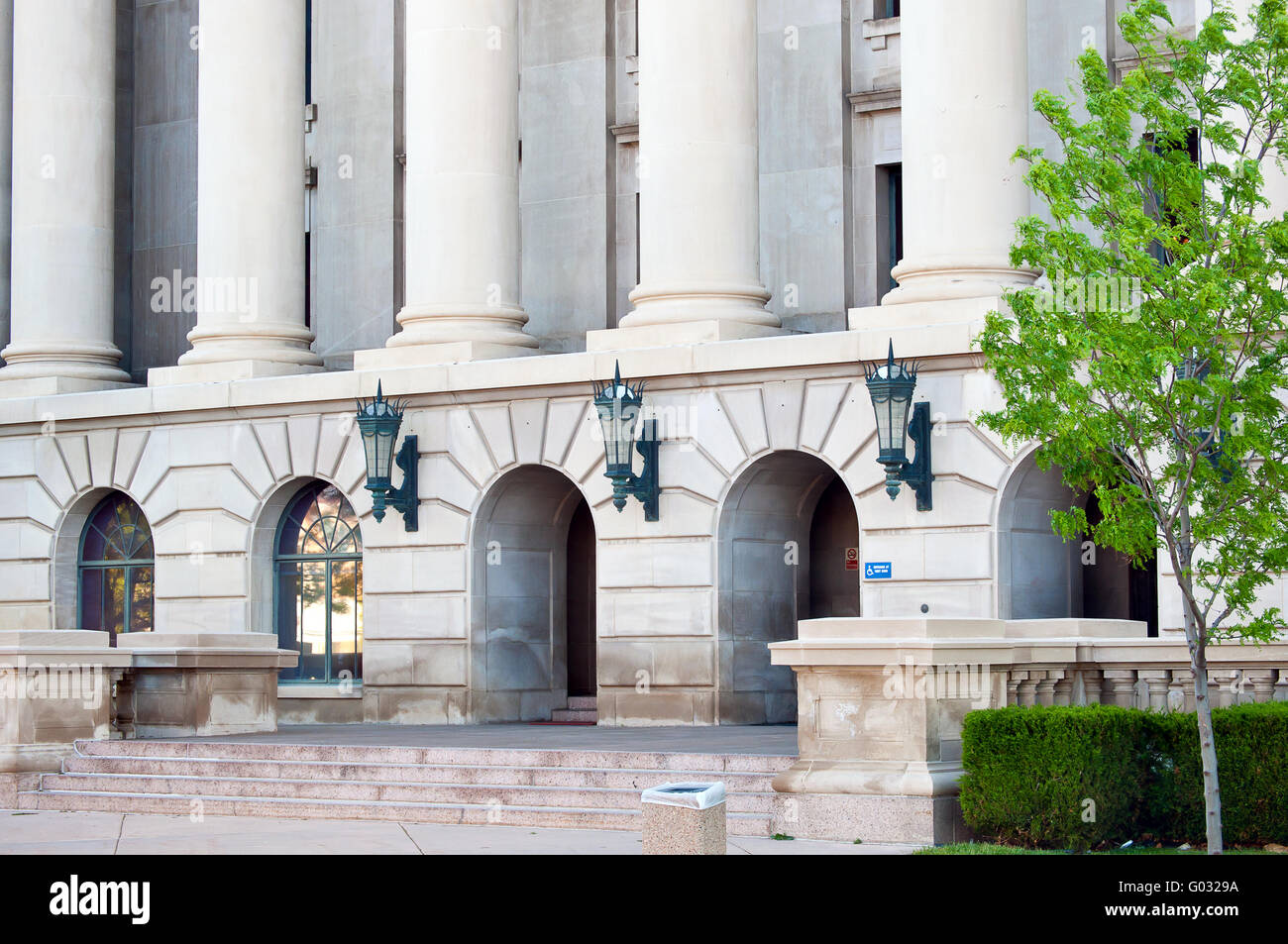
- Weld County Courthouse: Located at 901 9th Avenue, Greeley, CO 80631. This historic building and its modern additions house the majority of District and County Courtrooms.
- Centennial Center: Located at 915 10th Street, Greeley, CO 80631. This facility often houses the Clerk of the Court’s office, the Self-Help Center (Sherlock), and additional administrative services.
- Weld County Plaza: Often utilized for probation services and specific administrative hearings.
Operating hours for the 19th Judicial District are typically Monday through Friday, 8:00 AM to 5:00 PM, excluding state holidays. It is important to note that while the Clerk’s office is open during these hours, specific courtrooms may have different schedules for morning and afternoon dockets.
Navigating Case Types and Jurisdictional Limits
Choosing the correct filing venue is a matter of procedural law. Filing in the wrong court can lead to dismissals or costly transfers. In 2026, the financial thresholds for these courts are strictly enforced to maintain judicial efficiency.
District Court Matters
District courts are the primary trial courts of the state. In Weld County, the District Court judges handle:
- Felony Criminal Cases: All Class 1 through Class 6 felonies.
- Domestic Relations: Dissolution of marriage, legal separation, and allocation of parental responsibilities.
- Probate and Mental Health: Guardianships, conservatorships, and the distribution of assets post-mortem.
- High-Value Civil Suits: Any civil dispute where the damages sought exceed $25,000.
County Court Matters
The County Court is often the "people's court," where many residents interact with the legal system for the first time.
- Misdemeanors and Traffic: DUI/DWAI offenses, petty theft, and traffic tickets issued by the Colorado State Patrol or Weld County Sheriff.
- Civil Actions: Lawsuits involving debt collection, evictions (Forcible Entry and Detainer), and personal injury where the claim is $25,000 or less.
- Restraining Orders: Petitions for Temporary Injunctions or Permanent Protection Orders often begin in County Court.
Procedural Comparison: District vs. County Courts
| Feature | County Court | District Court |
|---|---|---|
| Civil Jurisdictional Limit | Up to $25,000 | Unlimited |
| Criminal Scope | Misdemeanors / Traffic | Felonies |
| Small Claims Division | Yes (Up to $7,500) | No |
| Jury Size | 6 Jurors | 12 Jurors (Criminal) / 6 (Civil) |
| Appeals Route | To District Court | To CO Court of Appeals |
| Standard Filing Fee | Lower ($85 - $135 typically) | Higher ($220+ typically) |
Digital Transformation and Remote Proceedings in 2026
By 2026, the 19th Judicial District has fully integrated advanced e-filing and remote appearance technologies. While the "physical" court remains the anchor, the "digital" court is where much of the work happens.
Mandatory Technical Requirements for Remote Hearings
Most non-evidentiary hearings such as status conferences, some arraignments, and protection order returns are conducted via Webex or similar secure platforms. Participants must ensure they have a stable internet connection and a functional camera.
Proper courtroom decorum is required regardless of physical location. This includes professional attire and a quiet, neutral background. Recording any portion of a remote proceeding without express judicial permission remains a felony-level contempt of court in Colorado.
E-filing via the Colorado Courts E-Filing (CCE) system is mandatory for attorneys and highly encouraged for pro se (self-represented) litigants. This system allows for 24/7 submission of motions, briefs, and evidence, significantly reducing the need for physical trips to the Greeley courthouse.
Jury Duty in Weld County: Expectations and Requirements
Jury service is a cornerstone of the American legal system. In Weld County, jurors are selected from a pool of licensed drivers and registered voters.
- Eligibility: You must be a United States citizen, at least 18 years old, and a resident of Weld County. You must also be able to read, speak, and understand the English language.
- Term of Service: Weld County operates on a "one day or one trial" system. If you are not selected for a jury on your first day, your service is complete for the year.
- Compensation: Jurors are paid a state-mandated daily rate (currently $50 per day after the first day for those whose employers do not pay their regular wages).
- Exemptions: Colorado law offers very few automatic exemptions. Postponements are more common than permanent excuses and can usually be requested online through the 19th Judicial District jury portal.
Accessing Public Records and Case Information
The transparency of the judicial branch is maintained through public access to court records. In 2026, there are three primary ways to access information regarding Weld County cases:
- Online Search Portals: The Colorado Judicial Branch provides an online search tool (standard fees apply) where users can look up case numbers, upcoming court dates, and register of actions.
- In-Person Terminals: Public computer terminals are located at the Greeley Courthouse, allowing residents to view non-confidential files for free.
- Record Requests: For certified copies of decrees or specialized documents, a formal request must be submitted to the Clerk of the Court.
Note that certain cases, specifically those involving juveniles, adoptions, or mental health proceedings, are suppressed and not available for public viewing without a court order.
Self-Help Resources for Pro Se Litigants
Weld County recognizes that not every citizen can afford private legal counsel. To bridge this gap, the 19th Judicial District provides a robust Self-Help Resource Center, often referred to as the "Sherlock" office.
This office provides:
- Standardized Colorado Judicial Branch forms (JDFs) for divorce, custody, and small claims.
- Instructions on how to properly format and file motions.
- Information on legal clinics and "Lawyer in the Library" programs held throughout the year.
- Referrals to the Colorado Legal Services for low-income residents.
While the staff at the Self-Help Center can provide procedural guidance, they are legally prohibited from providing legal advice. They cannot tell you what to say in court or how to strategize your case.
Common Pitfalls in Weld County Court Procedures
Even with the best intentions, individuals often struggle with the technicalities of the court system.
- Failing to Update Addresses: All court notices are sent via mail to the address on file. If you move and do not file a "Notice of Change of Address," you may miss a court date, leading to a bench warrant or a default judgment.
- Improper Service of Process: In civil and domestic cases, you cannot simply hand papers to the other party. You must follow the Colorado Rules of Civil Procedure (CRCP) Rule 4, which often requires a disinterested third party or a process server to deliver the documents.
- Missing Filing Deadlines: Statutes of limitations and procedural deadlines are strict. Missing a deadline by even one day can result in the permanent loss of the right to sue or defend a claim.
- Bringing Prohibited Items: Cell phones are allowed but must be silenced. Weapons, including small pocketknives, are strictly prohibited and will be confiscated at the security checkpoint.
Frequently Asked Questions
How do I find out if I have an active warrant in Weld County?
You can check for active warrants by visiting the Weld County Sheriff’s Office website or by using the Colorado Judicial Branch’s online docket search to see if a "Warrant Issued" status appears on your case. If you suspect you have a warrant, it is highly recommended to consult with an attorney before contacting the court directly.
What is the difference between Weld County Court and Greeley Municipal Court?
Weld County Court handles state-level misdemeanors and civil cases throughout the county. Greeley Municipal Court handles only violations of Greeley city ordinances, such as local traffic tickets, animal control issues, and minor code violations occurring within city limits.
Can I file for divorce in Weld County if I just moved here?
To file for a dissolution of marriage in Weld County, at least one spouse must have been a resident of Colorado for at least 91 days prior to filing. The petition should be filed in the county where either spouse resides.
How do I pay a traffic ticket issued in Weld County?
If the ticket does not require a mandatory court appearance, it can usually be paid online via the Colorado Judicial Branch’s payment portal. If the ticket was issued by a specific city (like Greeley or Evans), you must pay through that city’s municipal website.
What should I do if I miss my court date?
Contact the Clerk of the Court immediately. For criminal cases, a failure to appear (FTA) usually results in an immediate bench warrant. In civil cases, it may result in a default judgment against you. Promptly filing a motion to vacate the warrant or set aside the judgment is critical.
Are interpreters available for court hearings?
Yes, the 19th Judicial District provides court-certified interpreters for all court proceedings at no cost to the parties. It is best to request an interpreter at least two weeks in advance to ensure availability.
Strategic Recommendations for Legal Success
Navigating the Weld County courts requires a blend of procedural knowledge and timely action. Whether you are a plaintiff in a civil suit or a defendant in a criminal matter, documentation is your strongest asset. Maintain a physical and digital folder of all court filings, proof of service, and correspondence with the court.
If your case involves complex issues like asset division or felony charges, the investment in a qualified attorney practicing within the 19th Judicial District is invaluable. Local counsel understands the specific preferences of Weld County judges and the nuances of the local legal culture. For those proceeding without an attorney, utilize the Greeley Self-Help Center early and often to ensure your filings meet the 2026 technical standards.
Image Gallery