The Tale of Elsie Otter in the River: Themes, Narrative Analysis, and Educational Value
The Tale of Elsie Otter in the River is a contemporary children’s narrative that follows the life and adventures of a young river otter named Elsie as she navigates her aquatic ecosystem. The story serves as both a literary introductio...
The Tale of Elsie Otter in the River is a contemporary children’s narrative that follows the life and adventures of a young river otter named Elsie as she navigates her aquatic ecosystem. The story serves as both a literary introduction to the natural world and a foundational tool for teaching environmental stewardship and river conservation to primary-aged readers.
Contents
Origins and Literary Context of Elsie’s Journey
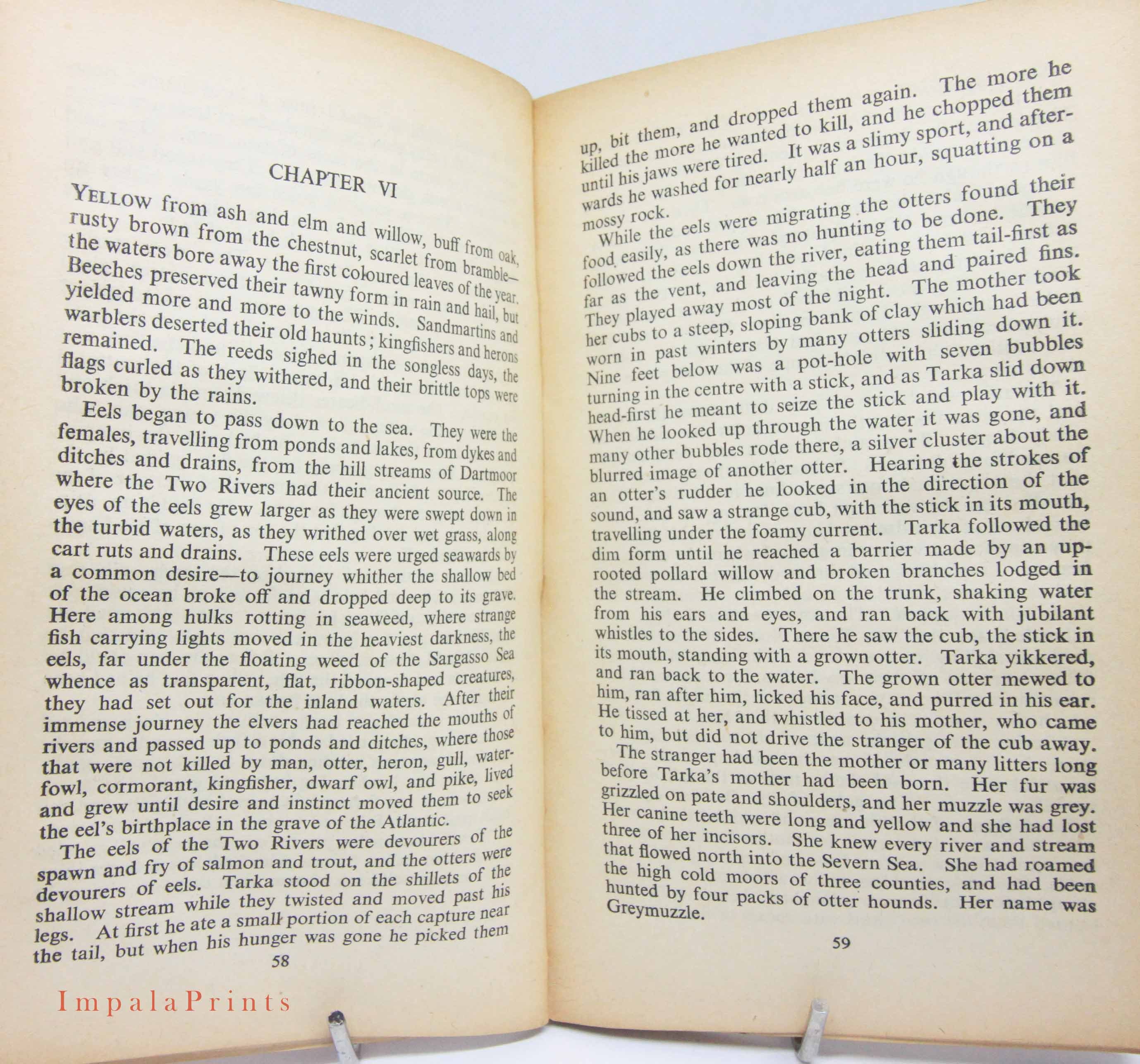
As of 2026, "The Tale of Elsie Otter in the River" has solidified its place among modern animal fables, following in the footsteps of classic naturalistic literature. Unlike the darker, more survival-focused themes of Henry Williamson’s Tarka the Otter, Elsie’s story is designed for a younger demographic, balancing the realities of nature with personified emotional intelligence.
The story was initially developed as part of a series of regional literacy initiatives aimed at connecting children with local riparian (river-bank) habitats. By 2026, it has been adapted into various formats, including illustrated hardcover editions and interactive digital storybooks used in elementary curricula across North America and the United Kingdom. The narrative focus remains steadfast: the river is not just a backdrop but a living character that Elsie must learn to respect and protect.
Detailed Plot Summary and Narrative Structure
The narrative is structured around the seasonal cycles of the river, providing a rhythmic progression that mirrors the actual biological life of a river otter (Lontra canadensis or Lutra lutra, depending on the regional edition).
The Holt and the Early Days
The story begins in the "holt"—the otter's den—hidden beneath the roots of an ancient willow tree. Elsie is introduced as a curious but cautious pup. The opening chapters detail her reliance on her mother and her initial fear of the fast-moving water. This section of the book is often praised by educators for its depiction of the "learning to swim" phase, which serves as a powerful metaphor for childhood milestones and overcoming anxiety.
The Great Exploration
As Elsie grows, the "river" expands from a scary noise outside the holt to a playground of endless possibilities. The middle of the book focuses on the "Great Exploration," where Elsie travels downstream. Along the way, she meets a variety of supporting characters, including:
- Old Man Heron: A patient, stoic bird who teaches Elsie the importance of stillness and observation.
- The Silver Trout: A fast-moving neighbor who represents the interconnectedness of the food chain.
- Pip the Water Vole: A smaller creature who highlights the need for community and mutual respect among different species.
The Conflict: The "Shadow in the Water"
Every great tale requires conflict, and in Elsie’s story, the conflict is two-fold. First is the natural challenge of the "Winter Freeze," which tests Elsie's survival skills. Second is the anthropogenic (human-caused) challenge represented by "The Shadow in the Water"—a metaphor for river pollution and plastic waste. Elsie’s struggle to find clean water and safe food during this period provides the emotional core of the narrative, prompting young readers to consider the impact of human actions on wildlife.
Core Themes and Environmental Stewardship
"The Tale of Elsie Otter in the River" is frequently cited in 2026 environmental education journals for its "soft-impact" approach to conservation. It avoids being overly didactic, instead allowing the reader to empathize with Elsie’s plight.
Biodiversity and Ecosystem Health
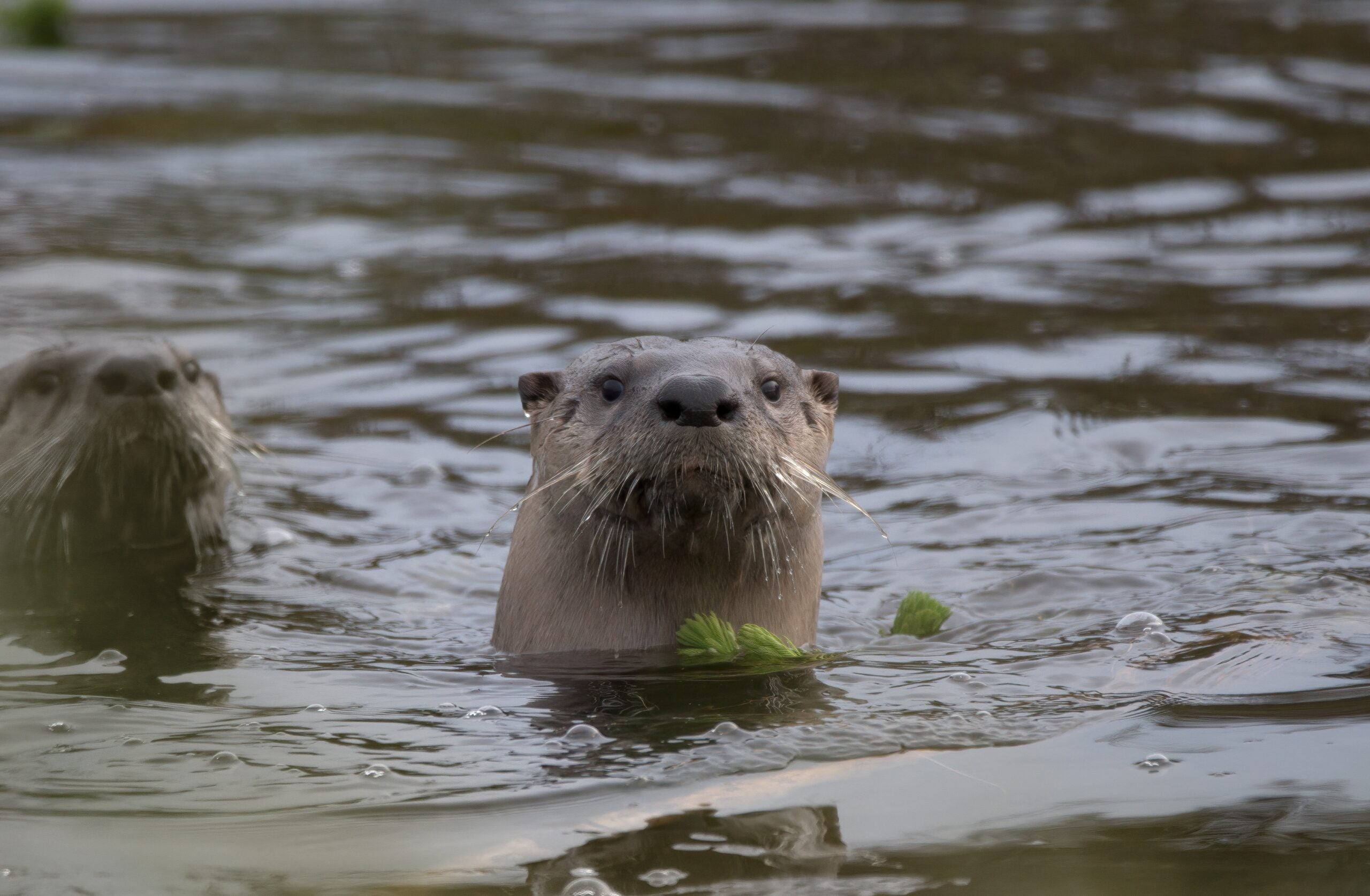
The story meticulously describes the flora and fauna of the riverbank. Readers learn about the importance of reed beds, the role of apex predators like otters in maintaining fish populations, and why clean, oxygenated water is vital for all river dwellers. By 2026, many editions include an appendix that helps children identify the real-world animals mentioned in the story.
Resilience and Adaptation
Elsie is not a superhero; she is a small animal in a large, often indifferent world. Her resilience—finding new ways to hunt when the usual spots are blocked or staying warm during a flood—serves as a lesson in adaptability. This theme resonates strongly with modern educational standards that emphasize "grit" and problem-solving skills in early childhood development.
The Human-Nature Connection
Unlike older fables where humans are either absent or purely antagonistic, Elsie’s tale often features "The Quiet Observers"—humans who help clean the river or monitor the otter populations. This fosters a sense of agency in children, suggesting that they too can be part of Elsie’s success story.
Comparative Analysis: Elsie Otter vs. Classic River Literature
To understand the specific niche of this story, it is helpful to compare it to other prominent works of river-based animal fiction.
| Feature | The Tale of Elsie Otter | Tarka the Otter | The Wind in the Willows |
|---|---|---|---|
| Primary Audience | Ages 4–8 | Young Adult / Adult | All Ages |
| Tone | Hopeful, Educational | Realistic, Gritty | Whimsical, Satirical |
| Scientific Accuracy | High (Simplified) | Very High | Low (Anthropomorphic) |
| Main Theme | Conservation & Growth | Survival & Tragedy | Social Class & Friendship |
| Human Presence | Supportive/Indirect | Antagonistic (Hunters) | Incidental |
Educational Application in 2026 Classrooms
In the current 2026 academic year, "The Tale of Elsie Otter in the River" is a staple in "Green Literacy" programs. Teachers utilize the book to meet multiple learning objectives simultaneously.
- Reading Comprehension: Using Elsie’s journey to teach sequencing (Beginning, Middle, End) and cause-and-effect.
- Science Integration: Lessons on the water cycle, aquatic food webs, and the physical characteristics of mammals.
- Art and Creativity: Children are often tasked with drawing "Elsie’s River," which encourages them to visualize a healthy ecosystem versus a polluted one.
- Ethics and Empathy: Discussion circles centered on how Elsie felt when her home was threatened by "The Shadow."
The International Otter Survival Fund and similar organizations have often pointed to stories like Elsie’s as essential for long-term conservation goals, as children who bond with a character are more likely to support wildlife protection as adults.
Practical Information for Parents and Educators
If you are looking to integrate this story into a home or school library in 2026, there are several versions available.
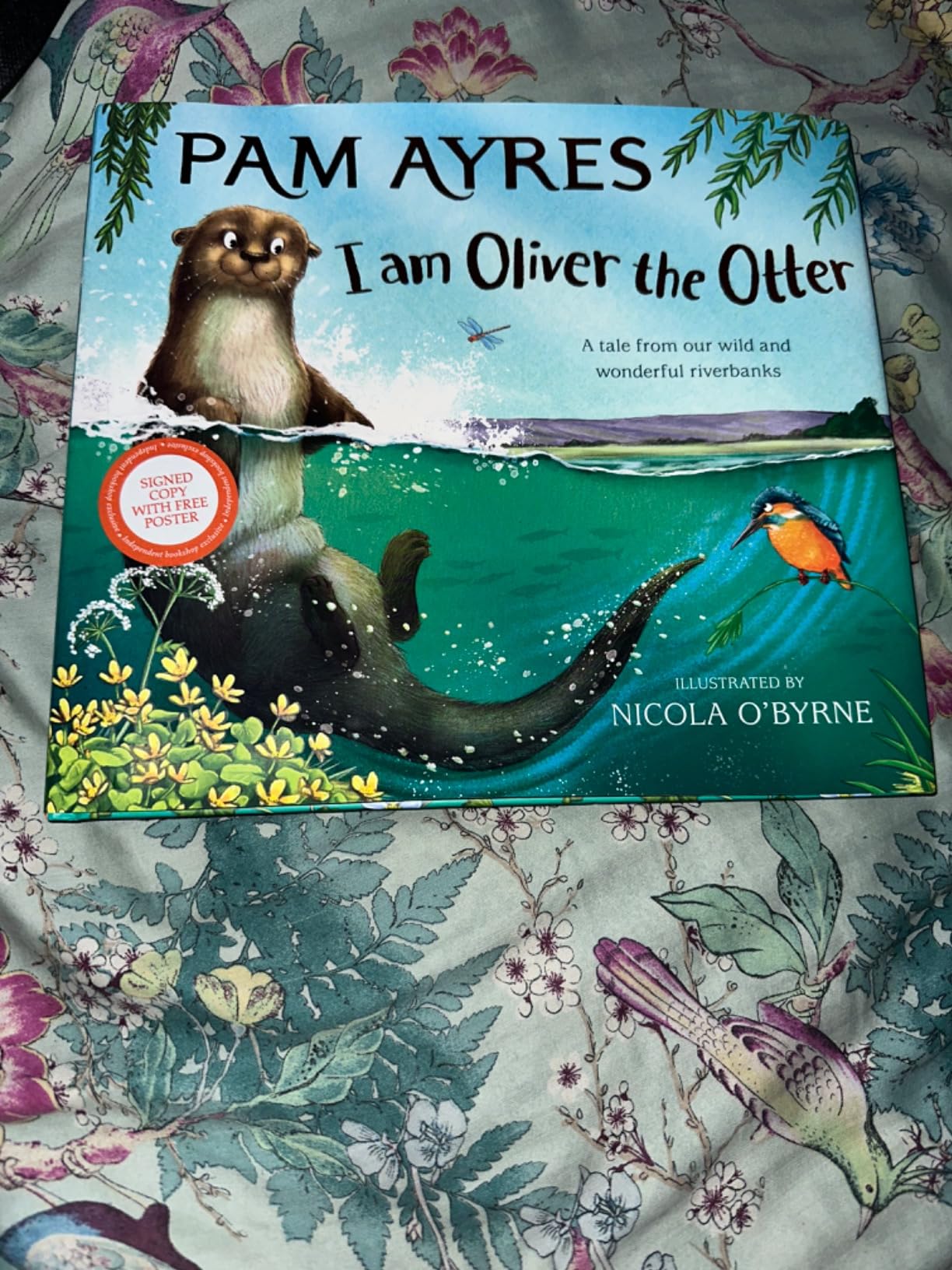
- The Picture Book Edition: Best for read-aloud sessions with toddlers and preschoolers. It focuses on the vibrant illustrations of the river.
- The Early Reader Chapter Book: Designed for children ages 6–8 who are starting to read independently. It includes more detailed descriptions of Elsie's hunting techniques.
- The Interactive App: A popular 2026 choice that includes real otter sounds and "click-to-reveal" facts about river ecology.
Common Mistakes to Avoid
When discussing the tale, it is important to distinguish between the fictional Elsie and real-world otters. While Elsie might have thoughts and feelings in the book, real otters are wild animals that require significant space and should never be approached in their natural habitat. Educators should emphasize that "helping Elsie" means protecting her environment, not trying to find and feed a wild otter.
Frequently Asked Questions
Is Elsie Otter based on a real otter?
While Elsie is a fictional character, her behaviors—such as sliding down mud banks, juggling stones, and her diet of crustaceans and fish—are based on actual behaviors observed by biologists. She is a composite character designed to represent the typical life cycle of a healthy river otter.
What age group is "The Tale of Elsie Otter in the River" best for?
The primary target audience is children aged 4 to 9. However, the environmental themes are often used as a starting point for older children (up to age 11) to begin more complex projects on local geography and ecology.
Why is the river considered a "character" in the story?
The river changes throughout the book—it can be a gentle provider of food, a roaring threat during a storm, or a stagnant victim of pollution. By treating the river as a character with its own "moods" and "health," the author helps children understand that the environment is a dynamic system that reacts to how it is treated.
Are there sequels to Elsie’s story?
As of 2026, several follow-up stories have been released, including "Elsie Otter’s Estuary Adventure," which follows her journey as she reaches the point where the river meets the sea, introducing readers to brackish water ecosystems and different species like seals and shorebirds.
How does the story address pollution?
The story uses a metaphor called "The Shadow," which is eventually revealed to be a mix of discarded plastics and runoff. Elsie and her friends don't "fix" the pollution themselves; instead, the story depicts the arrival of "The Keepers" (human volunteers) who clear the debris, showing children that humans have a responsibility to intervene and repair environmental damage.
Recommended Next Actions
For those looking to deepen their engagement with the themes of "The Tale of Elsie Otter in the River," consider the following steps:
- Visit a Local Watershed: Use the story as a guide for a real-world nature walk. Identify the plants mentioned in the book, such as willows, reeds, and water lilies.
- Support Riparian Conservation: Look for local organizations dedicated to river cleaning. The National Wildlife Federation provides resources on how to create "Certified Wildlife Habitats" that support creatures like Elsie.
- Creative Writing: Encourage children to write a "lost chapter" where Elsie meets a creature not mentioned in the book, such as a beaver or a kingfisher. This reinforces their understanding of biodiversity.
Image Gallery