Why Term Coverage Life Insurance Daytown Beats Other Options
Term coverage life insurance in Daytown offers a streamlined, cost-effective financial safety net by providing high-value death benefits for a fixed period without the high costs and complex investment structures of permanent policies....
Term coverage life insurance in Daytown offers a streamlined, cost-effective financial safety net by providing high-value death benefits for a fixed period without the high costs and complex investment structures of permanent policies. When evaluating financial protection for families, business owners, and estate planners, selecting the right policy structure is critical. Traditional whole life or universal life products often come with steep price tags, trapping capital in low-yield cash value accounts that may not align with an individual's actual financial lifecycle.
Contents
For residents and professionals navigating the local market, understanding why term coverage life insurance Daytown policies outperform competing alternatives requires a close look at cost efficiency, policy flexibility, and financial transparency. This analysis explores how term insurance stacks up against permanent options, highlighting why it consistently serves as the superior choice for pragmatic long-term planning.
Understanding the Landscape of Life Insurance in Daytown
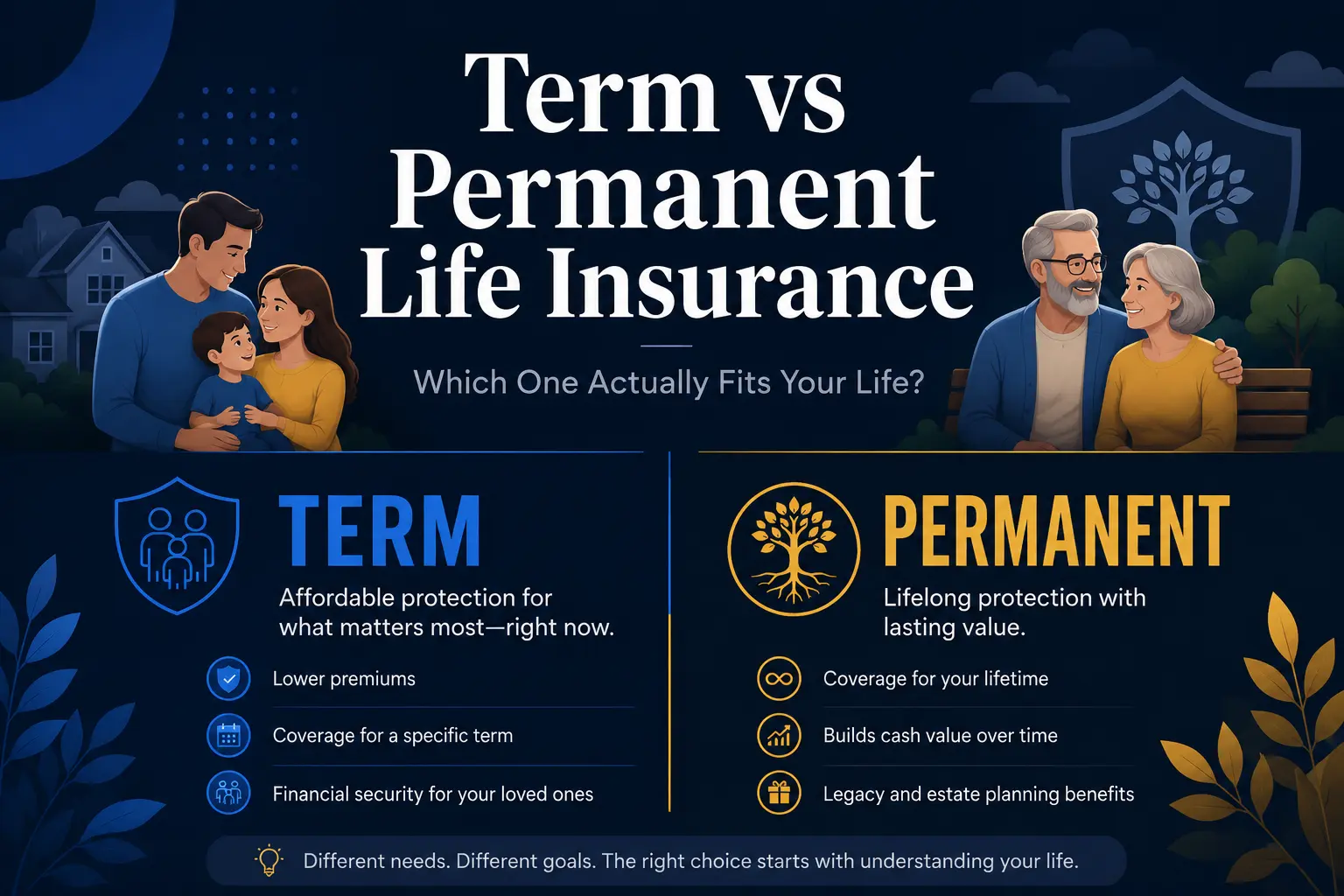
The insurance marketplace features a diverse array of products designed to transfer financial risk from an individual or family to an institutional carrier. Broadly speaking, these options fall into two distinct categories: temporary protection, commonly known as term life insurance, and permanent protection, which encompasses whole, universal, and variable life insurance.
In Daytown, consumers frequently encounter aggressive marketing campaigns promoting permanent life insurance as an investment vehicle. Proponents of these policies emphasize the accumulation of cash value, tax-deferred growth, and lifelong coverage. However, a deeper examination reveals that these features often come with hidden costs, administrative fees, and lower overall returns compared to alternative investment vehicles such as employer-sponsored retirement accounts, index funds, or real estate holdings.
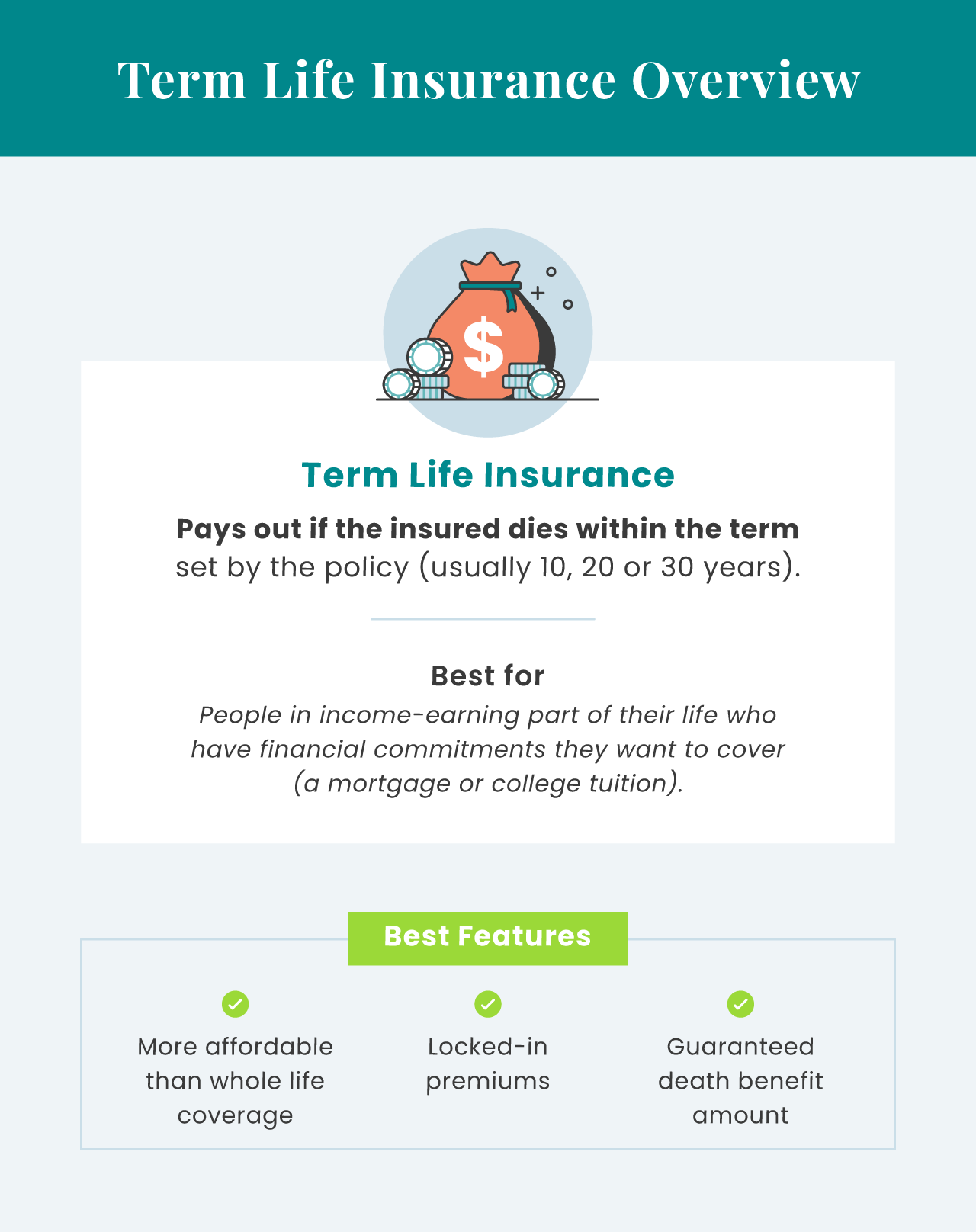
Term life insurance strips away these complex investment layers, offering a pure risk-protection model. Policyholders pay a fixed premium for a predetermined duration—typically 10, 15, 20, 25, or 30 years. If the insured passes away during this term, the beneficiaries receive a tax-free death benefit. If the term expires and the insured is still living, the contract concludes. This simplicity is precisely what makes term coverage uniquely advantageous for the vast majority of consumers.
Core Advantages of Term Coverage Over Permanent Alternatives
Evaluating why term policies outperform other options involves analyzing three primary pillars: affordability, flexibility, and financial transparency.
Exceptional Cost Efficiency
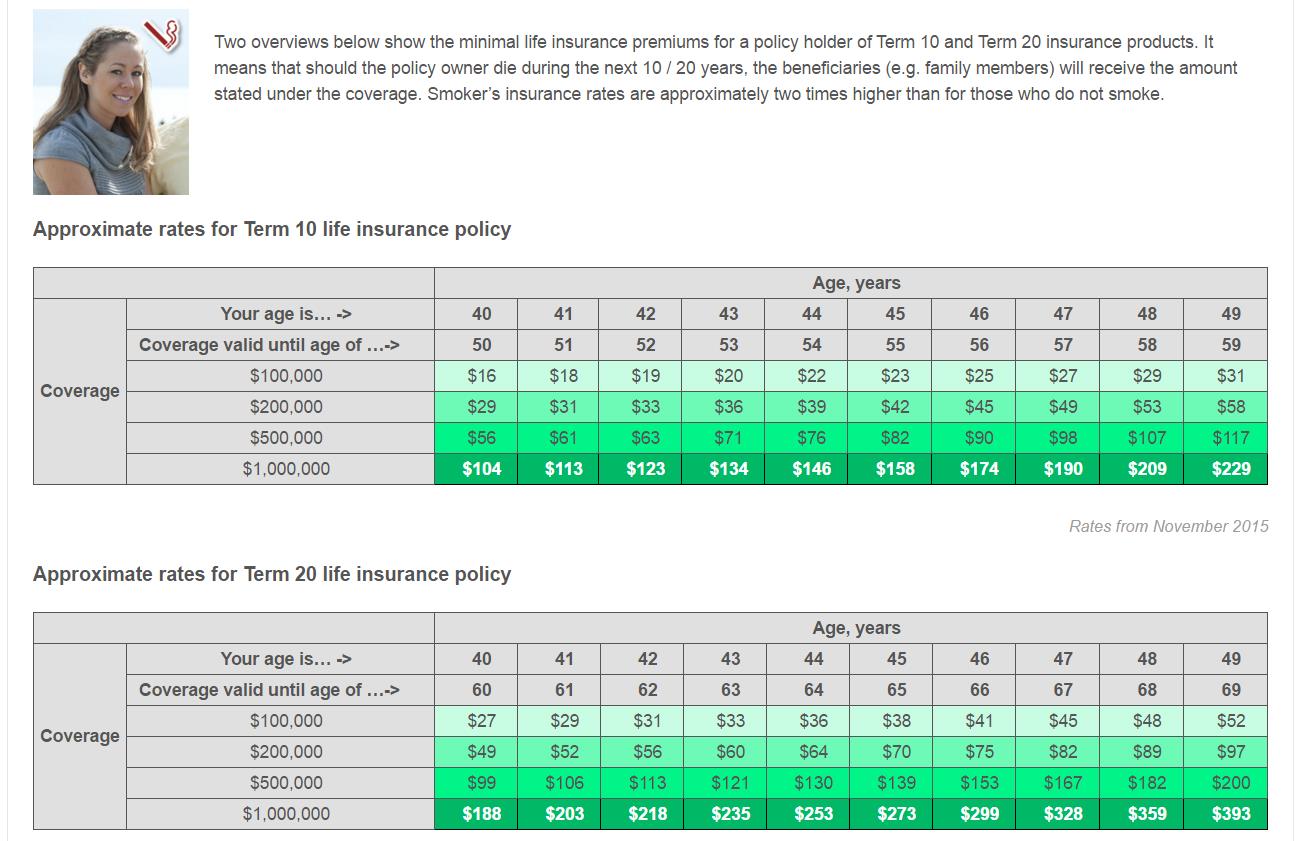
The most immediate and striking difference between term life insurance and permanent life insurance is the cost. Because permanent policies must account for lifelong coverage and the management of a cash-value component, their initial premiums are often five to fifteen times higher than a comparable term policy for the same face value.
For a young family or an emerging professional in Daytown, budget constraints dictate financial priorities. Purchasing a whole life policy often forces the consumer to buy a drastically lower death benefit than they actually need simply because they cannot afford the elevated premiums. Conversely, term insurance allows individuals to secure maximum coverage during their peak earning and liability years—such as when paying off a mortgage or raising children—at a fraction of the cost.
Financial Separation and "Buy Term and Invest the Difference"
A foundational principle of personal finance is the separation of insurance protection from investment activities. Permanent life insurance attempts to combine both, resulting in an expensive hybrid product that typically excels at neither.
With term insurance, the policyholder pays a low premium and retains disposable income. This freed-up capital can be directed toward high-yield, tax-advantaged accounts such as a 401(k), IRA, or diversified brokerage portfolios. Historically, the returns generated by keeping insurance costs low and investing the difference independently far outpace the internal rate of return found within standard permanent insurance cash-value accounts, which are often eroded by hefty management fees and surrender charges.
Unmatched Policy Flexibility and Customization
Life circumstances evolve. A 30-year-old living in Daytown has vastly different financial responsibilities than a 60-year-old nearing retirement. Term insurance accommodates these changing phases through targeted durations. A 20-year term policy can be tailored to cover the exact duration of a home mortgage or the timeframe until children graduate from college and enter the workforce.
Once these specific financial liabilities diminish, the need for high-coverage life insurance naturally drops. Permanent policies lock the policyholder into lifelong commitments that are difficult and financially punitive to exit. Furthermore, many quality term policies include conversion privileges, allowing the insured to transition their term policy into a permanent product later in life without undergoing a new medical exam if their needs unexpectedly change.
Comparative Analysis: Term vs. Permanent Insurance
To understand the practical differences between these financial products, a direct comparison of key metrics clarifies why term coverage remains the preferred mechanism for risk mitigation.
| Evaluation Metric | Term Life Insurance | Whole Life Insurance | Universal Life Insurance |
|---|---|---|---|
| Duration | Fixed period (10–30 years) | Lifelong (to age 121) | Lifelong, with adjustable terms |
| Initial Premium Cost | Low and budget-friendly | Extremely high | Moderate to high |
| Cash Value Growth | None | Guaranteed, fixed rate | Tied to market indices or interest rates |
| Complexity | Simple, pure risk protection | Complex with administrative fees | Highly complex with variable risk |
| Primary Use Case | Replacing income, covering debts | Estate planning, final expenses | Flexible lifelong protection |
| Cancellation Penalty | None (coverage simply ends) | High surrender charges early on | Surrender fees and potential lapse risk |
Navigating Common Pitfalls and Misconceptions
Despite the clear mathematical and structural benefits of term insurance, several persistent myths continue to influence consumer decisions in Daytown. Addressing these misconceptions is essential for making an informed choice.
The "Wasted Money" Fallacy
A frequent argument leveled against term insurance is that if you outlive your policy term, all the premiums paid are "wasted" because no death benefit is paid out. This perspective fundamentally misunderstands the nature of insurance.
No one considers homeowners or auto insurance premiums a waste if their house does not burn down or they do not get into a car accident. Insurance is purchased for risk transfer and peace of mind. Paying a low premium for twenty years to guarantee that your dependents are financially protected in the event of an untimely tragedy is a successful transfer of risk, not a wasted investment.
The Illusion of Lifetime Security
Permanent life insurance is often marketed as a secure anchor against the uncertainties of aging. However, many universal life policies contain moving parts—such as fluctuating interest rates and rising internal cost-of-insurance fees as the policyholder ages. If these internal costs outpace the cash-value growth, the policy can lapse unless the owner injects substantial additional funds later in life, sometimes decades after the initial purchase. Term insurance eliminates this uncertainty by locking in a guaranteed level premium for the entirety of the contracted term.
Step-by-Step Guidance for Securing the Right Term Policy
For individuals ready to establish robust financial protection in Daytown, following a structured evaluation process ensures optimal coverage selection.
- Calculate Your Coverage Needs: Determine your financial obligations, including outstanding mortgage balances, future education costs for dependents, income replacement needs over a specific working horizon, and immediate final expenses.
- Determine the Appropriate Term Length: Match the policy duration to your longest financial liability. If your youngest child is two years old, an 18- or 20-year term ensures coverage until they reach financial independence.
- Shop and Compare Quotes: Obtain independent quotes from multiple licensed carriers serving Daytown to compare pricing, financial strength ratings, and policy riders (such as accelerated death benefits or waiver of premium).
- Complete Underwriting Honestly: Disclose accurate medical history and lifestyle habits during the paramedical exam and application process to ensure full claim validity and avoid future contestability issues.
- Review Annually: Revisit your term policy periodically to ensure your coverage amounts still align with your evolving family and financial milestones.
Disclaimer: Insurance regulations, underwriting standards, and personal financial circumstances vary. Consumers should consult with a licensed financial advisor or insurance professional in Daytown before making significant policy commitments.
Frequently Asked Questions
What happens when a term life insurance policy expires?
When the term expires, the coverage ends, and premium payments stop. You no longer have the death benefit. However, many policies offer a renewal option at significantly higher rates based on your attained age, or a conversion option to transition into a permanent policy without new medical underwriting.
Can I convert my term policy to permanent insurance later?
Most reputable term life policies feature a conversion rider. This allows policyholders to convert all or part of their term coverage into a permanent whole or universal life policy offered by the same carrier, regardless of changes in health status, up to a specified age limit.
Is a medical exam always required for term coverage?
While traditional term policies require a brief paramedical exam involving blood and urine samples, many modern carriers offer accelerated underwriting or no-exam term policies for healthy applicants meeting specific age and coverage thresholds.
How is the term life insurance death benefit taxed?
Under current federal tax laws, life insurance death benefits paid out to designated beneficiaries are generally received completely income tax-free, providing immediate liquidity without the burden of federal or state tax extraction.
Why is term insurance generally recommended over whole life for young families?
Young families typically face high capital demands—such as mortgages, childcare, and debt reduction—coupled with limited initial budgets. Term insurance provides the highest possible death benefit for the lowest cost, leaving families with surplus funds to save and invest independently for retirement.
Conclusion
Selecting the right financial protection instrument requires balancing cost, necessity, and long-term utility. Term coverage life insurance in Daytown outshines competing options by delivering pure, high-value financial security without the inflated costs, administrative burdens, and underwhelming investment returns associated with permanent policies. By focusing on cost efficiency and aligning policy duration with actual financial liabilities, individuals and families can secure maximum protection while preserving capital for independent wealth-building strategies.
Image Gallery