Why Term Life Insurance Beats Whole Life for Most Families
Term life insurance is the superior choice for most families because it provides maximum death benefit protection at the lowest possible cost during the years of highest financial vulnerability. By decoupling insurance from investment,...
Term life insurance is the superior choice for most families because it provides maximum death benefit protection at the lowest possible cost during the years of highest financial vulnerability. By decoupling insurance from investment, families can secure high coverage amounts for a fraction of the cost of whole life, allowing them to invest the savings independently for better long-term returns.
Contents
Choosing life insurance is one of the most consequential financial decisions a household will make. In 2026, the marketplace remains flooded with complex permanent life insurance products, often marketed as "all-in-one" financial solutions. However, for the vast majority of people—specifically those looking to protect their spouse, children, and mortgage—the simplicity and efficiency of term life insurance remain unmatched. To understand why term life consistently outperforms whole life in a family's financial plan, one must look at the structural differences in cost, flexibility, and the actual purpose of insurance.
The Structural Divide: Protection vs. Investment
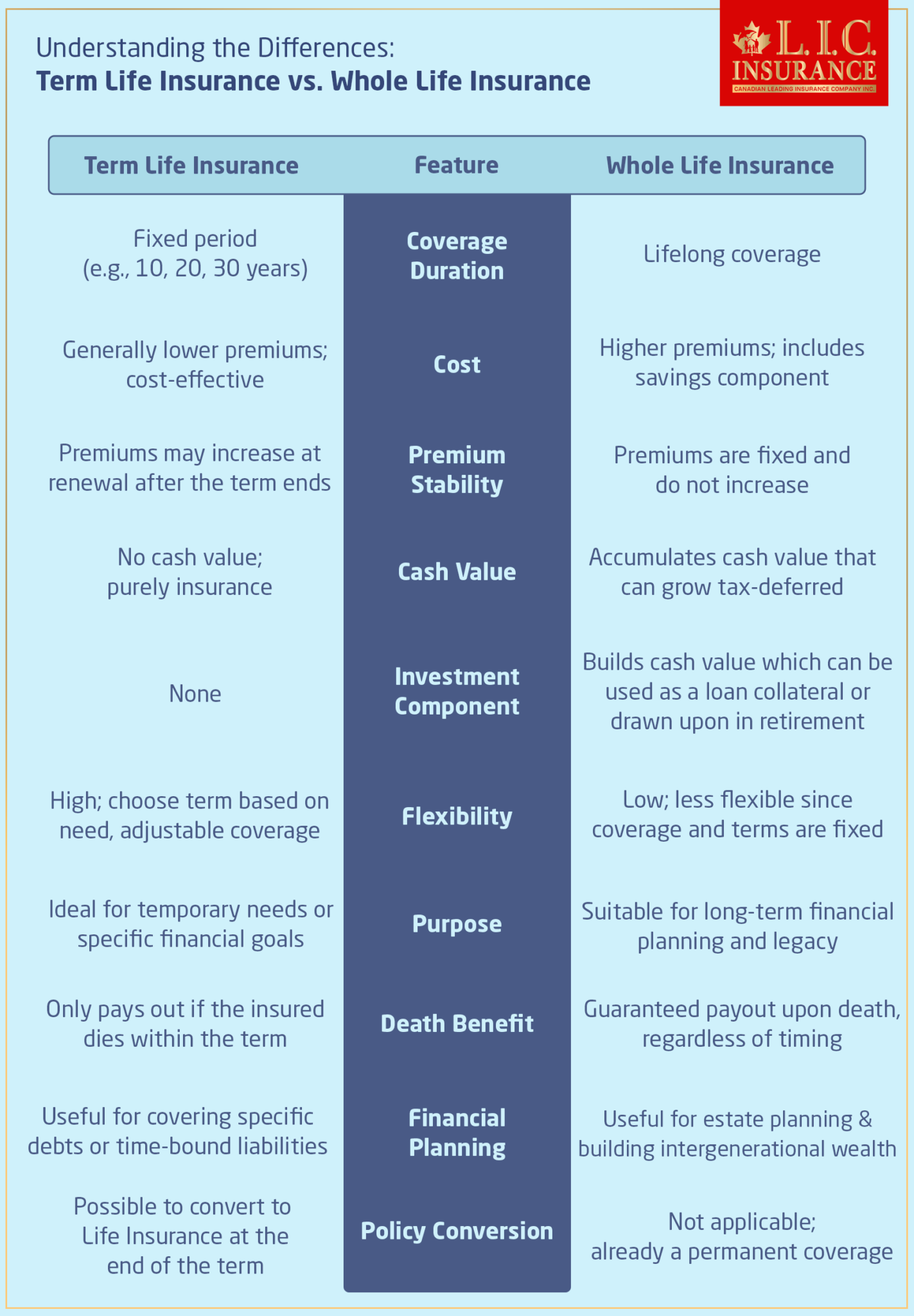
The fundamental disagreement between term and whole life insurance lies in their primary objective. Term life insurance is "pure" insurance. You pay a premium for a specific period—typically 10, 20, or 30 years—and if the insured individual passes away during that window, the beneficiaries receive the death benefit. If the term expires and the individual is still alive, the policy simply ends. It functions much like auto or homeowners insurance: you pay for protection you hope you never have to use.
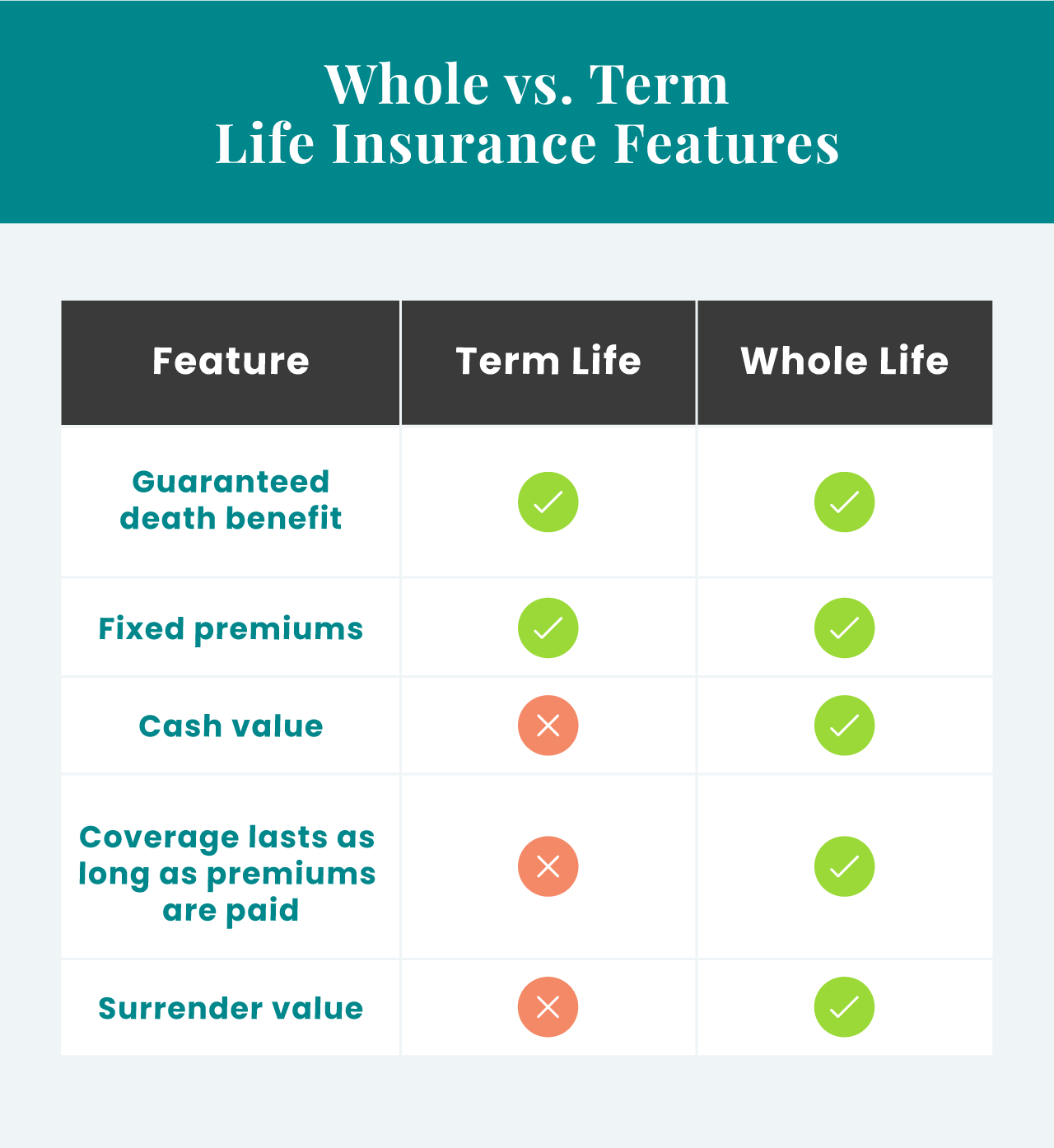
Whole life insurance, a form of permanent life insurance, is significantly more complex. It combines a death benefit with a "cash value" savings component. A portion of every premium payment goes toward the cost of insurance, another portion covers administrative fees and agent commissions, and the remainder is funneled into a tax-deferred savings account within the policy. Because the policy is designed to stay in force for the insured’s entire life, the premiums must be high enough to cover the certainty of an eventual payout.
For most families, the "bundling" of insurance and investment creates an inefficient financial vehicle. The internal fees associated with the cash value component of whole life insurance can be opaque and substantial, often resulting in very low rates of return during the first decade of the policy. By contrast, term life insurance allows a family to keep their insurance needs separate from their wealth-building strategies, which almost always results in higher net worth over time.
The Massive Premium Gap and the "Opportunity Cost"
The most immediate reason term life beats whole life is the sheer difference in monthly or annual premiums. For a healthy 35-year-old, a $1 million 20-year term policy might cost approximately $500 to $700 per year in 2026. A whole life policy for the same $1 million death benefit could easily cost $10,000 to $15,000 per year.
This price discrepancy creates a massive "opportunity cost." For a middle-class family, the $1,000+ monthly difference between a whole life premium and a term life premium is capital that could be used for other financial priorities. If that family "buys term and invests the difference" into a diversified portfolio, such as a low-cost S&P 500 index fund or a Roth IRA, they are statistically likely to have a much larger pool of assets 20 or 30 years down the line than they would have accumulated within the cash value of a whole life policy.
Furthermore, the high cost of whole life often leads families to "under-insure." Because $1 million of whole life is so expensive, a family might settle for only $250,000 of coverage to keep the premium affordable. This leaves the family dangerously exposed if the primary breadwinner passes away, as $250,000 is rarely enough to replace years of income, pay off a mortgage, and fund college educations. Term life’s affordability allows families to buy the $1 million or $2 million of coverage they actually need to ensure their loved ones' standard of living is maintained.
Matching the "Curve of Responsibility"
Financial needs are not static; they follow what economists often call the "Curve of Responsibility." When a family is young, their financial responsibilities are at their peak. They likely have a large mortgage, young children who depend on their income, and minimal retirement savings. This is when the need for a large life insurance death benefit is highest.
As time passes, this responsibility naturally decreases. The mortgage is paid down, the children graduate and become self-sufficient, and retirement accounts grow. By the time a person reaches 60 or 65, they often become "self-insured." If they have $1.5 million in a 401(k) and a paid-off home, the need for a massive life insurance payout evaporates.
Term life insurance aligns perfectly with this curve. A 20 or 30-year term covers the "danger zone" of high debt and young dependents. Once the term expires, the insurance is no longer needed because the family has built actual wealth. Whole life insurance forces the policyholder to pay for coverage into their 70s, 80s, and 90s—years when the financial "need" for insurance has largely disappeared, making the expensive premiums a drain on retirement cash flow.
The Complexity and Illiquidity of Cash Value
One of the most touted benefits of whole life insurance is the ability to borrow against the cash value. While this is technically true, it is rarely as advantageous as it sounds. When you take a loan against your whole life policy, you are essentially borrowing your own money and paying interest back to the insurance company. If you die with an outstanding loan, the balance is deducted from the death benefit paid to your family.
Additionally, whole life policies are notorious for "surrender charges." If a family encounters a financial crisis and needs to cancel the policy in the first 5 to 10 years, they may find that the cash value is nearly zero after the insurance company subtracts its administrative costs and commissions. This lack of liquidity makes whole life a risky place for a family's "emergency" savings.
Term life insurance, by staying simple, avoids these traps. It has no cash value to borrow against, which encourages families to keep their liquid savings in accessible high-yield savings accounts or brokerage accounts where they have full control without paying interest to a third party to access their own capital.
Comparison: Term vs. Whole Life Insurance (2026 Outlook)
The following table summarizes the primary differences that impact a typical family's financial health.
| Feature | Term Life Insurance | Whole Life Insurance |
|---|---|---|
| Duration | Fixed period (10, 20, 30 years) | Entire life (Permanent) |
| Premium Cost | Very Low (Pure protection) | Very High (Includes savings component) |
| Cash Value | None | Builds slowly over decades |
| Complexity | Simple; easy to understand | High; requires monitoring of dividends/loans |
| Flexibility | High; easy to cancel or change | Low; expensive to exit in early years |
| Primary Goal | Income replacement & debt coverage | Estate planning & tax sheltering |
| Suitability | 95% of average families | Ultra-high-net-worth individuals |
When Does Whole Life Actually Make Sense?
While term life is the winner for the average family, it is important to acknowledge the specific, narrow use cases where whole life or other permanent products are appropriate. These generally involve specialized financial situations that do not apply to the typical household:
- Estate Tax Mitigation: For individuals with estates valued significantly above the federal estate tax exemption (which remains a factor in 2026), whole life can provide the liquidity needed to pay estate taxes without selling off assets.
- Special Needs Planning: Families with a lifelong dependent (such as a child with a permanent disability) may need a guaranteed payout regardless of when the parents pass away to fund a special needs trust.
- High-Income Tax Sheltering: For individuals who have already maxed out their 401(k)s, IRAs, HSAs, and all other tax-advantaged vehicles, the tax-deferred growth of whole life can serve as an additional, albeit expensive, "overflow" bucket.
- Executive Compensation: Some corporations use permanent policies as part of "Golden Handshake" deals or key-person insurance strategies.
If your household does not fall into these categories, the "benefits" of whole life are likely not worth the exorbitant premiums and lower relative returns.
Common Pitfalls and Misconceptions
A frequent argument used by insurance agents is that term insurance is "throwing money away" because you might not die during the term. This is a psychological trap. You do not view your fire insurance as "thrown away" money if your house doesn't burn down; you view it as the price of peace of mind.
Another misconception is that whole life is a "guaranteed" investment. While the principal is generally protected, the opportunity cost is a guarantee of a different kind: the guarantee that your money will grow much slower than it would in the broader market. In the 2026 economic environment, where inflation-hedging and growth are paramount, locking money into a 2-4% internal rate of return (common for many whole life policies after fees) can actually result in a loss of purchasing power over 30 years.
Frequently Asked Questions
What happens if I still need insurance after my term expires? If your term expires and you still have financial dependents or significant debt, you can often "convert" a portion of your term policy to a permanent policy without a medical exam, or simply apply for a new, smaller term policy. However, the goal of a sound financial plan is to be "self-insured" by the time the term ends.
Is it possible to switch from whole life to term life? Yes. Many people realize several years into a whole life policy that it is too expensive. You can "surrender" the whole life policy, take whatever cash value is available, and use a fraction of that money to buy a high-limit term policy. It is crucial to have the new term policy in force before canceling the old one.
Does term life insurance have a "return of premium" option? Some companies offer "Return of Premium" (ROP) riders, where they refund your premiums if you outlive the term. However, these riders significantly increase the cost of the policy. Usually, you are better off taking the extra money the ROP rider would cost and investing it yourself.
Can I have more than one term life policy? Yes, this is often called "laddering." A family might have a $500,000 30-year policy to cover the mortgage and a $500,000 10-year policy to cover the years until the children are through college. This optimizes the cost by only paying for the coverage you need for the duration you need it.
Why do insurance agents push whole life so aggressively? Commissions are a major factor. The commission on a whole life policy is often 50% to 100% of the first year's premium. Since whole life premiums are much higher than term premiums, the agent earns significantly more for selling a permanent policy.
Final Recommendation
For the average family in 2026, the strategy remains clear: Calculate your actual need for income replacement (typically 10-15x your annual salary), purchase a 20- or 30-year term life insurance policy to cover that amount, and aggressively invest the money you saved by avoiding whole life. This approach ensures your family is protected during the most critical years while providing the flexibility and growth potential necessary to build true, lasting wealth. Before making a final decision, consult with a fee-only financial advisor who does not earn commissions on product sales to ensure your coverage aligns with your broader financial goals.
Image Gallery