Understanding the Meaning of Yellow and White Lines on the Road
Yellow and white lines on the road serve as a universal visual language that regulates traffic flow and ensures driver safety. Yellow lines separate traffic moving in opposite directions, while white lines separate traffic moving in th...
Yellow and white lines on the road serve as a universal visual language that regulates traffic flow and ensures driver safety. Yellow lines separate traffic moving in opposite directions, while white lines separate traffic moving in the same direction or mark the outer boundaries of the roadway.
Contents
Whether you are a new driver or a seasoned motorist, understanding the intricate details of road markings is essential for navigating modern infrastructure. In 2026, despite the integration of smart sensors and autonomous vehicle technologies, these physical painted markings remain the primary guidance system for both human drivers and Advanced Driver Assistance Systems (ADAS). Ignoring these lines can lead to more than just traffic citations; it can result in catastrophic head-on collisions or lane-departure accidents.
This guide provides an exhaustive breakdown of road marking standards, the legal implications of different line patterns, and the technical specifications that keep our transportation networks orderly.
The Fundamental Color Code: Yellow vs. White
The most critical distinction to make when looking at road paint is the color. Before observing whether a line is solid or broken, you must identify its color to understand the directional flow of the traffic around you.
Yellow Lines: Separating Opposing Traffic
Yellow lines are used to indicate the separation of traffic flows moving in opposite directions. They act as a psychological and legal barrier between you and oncoming vehicles.
- Two-Way Roadways: On a standard two-lane road, the yellow line is situated in the center. It warns you that any vehicle on the other side of that line is traveling toward you.
- Divided Highways: On multi-lane divided highways or one-way streets, a solid yellow line is typically found on the far-left edge of the pavement. This indicates the boundary between the leftmost lane and the median or shoulder, serving as a "warning" that you are at the edge of the travelable path.
White Lines: Organizing Same-Direction Traffic
White lines are used to organize vehicles that are traveling in the same direction or to define the outer edges of the drivable road.
- Lane Dividers: On multi-lane roads, white lines separate the individual lanes. They help drivers maintain a consistent path and provide the visual cues necessary for safe lane changes.
- Edge Lines (Fog Lines): The solid white line on the right side of the road is known as the "fog line." Its primary purpose is to help drivers stay on the road during poor visibility conditions, such as heavy rain or fog, by marking the boundary between the travel lane and the shoulder.
Decoding Line Patterns: Broken, Solid, and Double
The pattern of the line—whether it is a continuous stroke or a series of dashes—communicates the level of restriction regarding passing and lane changes.
Broken (Dashed) Lines: Permission to Move
A broken line indicates that the restriction is low.
- Broken Yellow: You may cross this line to pass another vehicle if it is safe to do so. This is common on rural two-lane roads where visibility allows for a clear view of oncoming traffic.
- Broken White: You are permitted to change lanes. These are found on highways and city streets with multiple lanes moving in the same direction.
Solid Lines: Caution and Restriction
A solid line indicates a higher level of restriction. While not always a total prohibition (depending on local jurisdiction), it generally signals that crossing the line is discouraged or hazardous.
- Solid Yellow: Usually paired with a broken line, a solid yellow line on your side means you are prohibited from passing. If the solid line is on the opposite side, the oncoming traffic is prohibited from passing, but you may do so if your side has the broken line.
- Solid White: These are used to discourage lane changes in areas where maneuvering might be dangerous, such as near intersections, tunnel entrances, or highway on-ramps. While crossing a single solid white line is not always illegal in every jurisdiction, it is strongly discouraged by safety experts.
Double Solid Lines: The "Painted Wall"
Double solid lines represent the highest level of restriction.
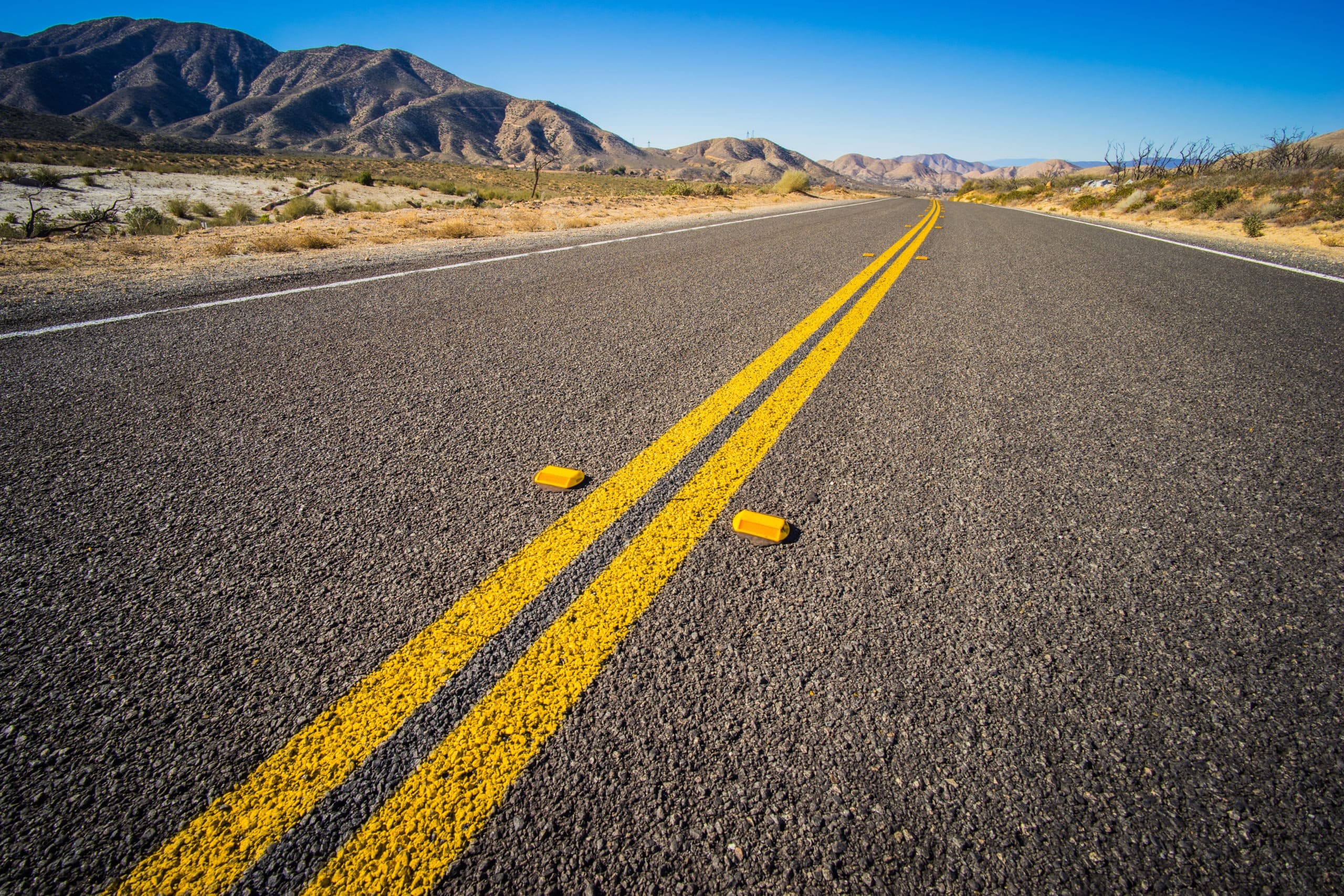
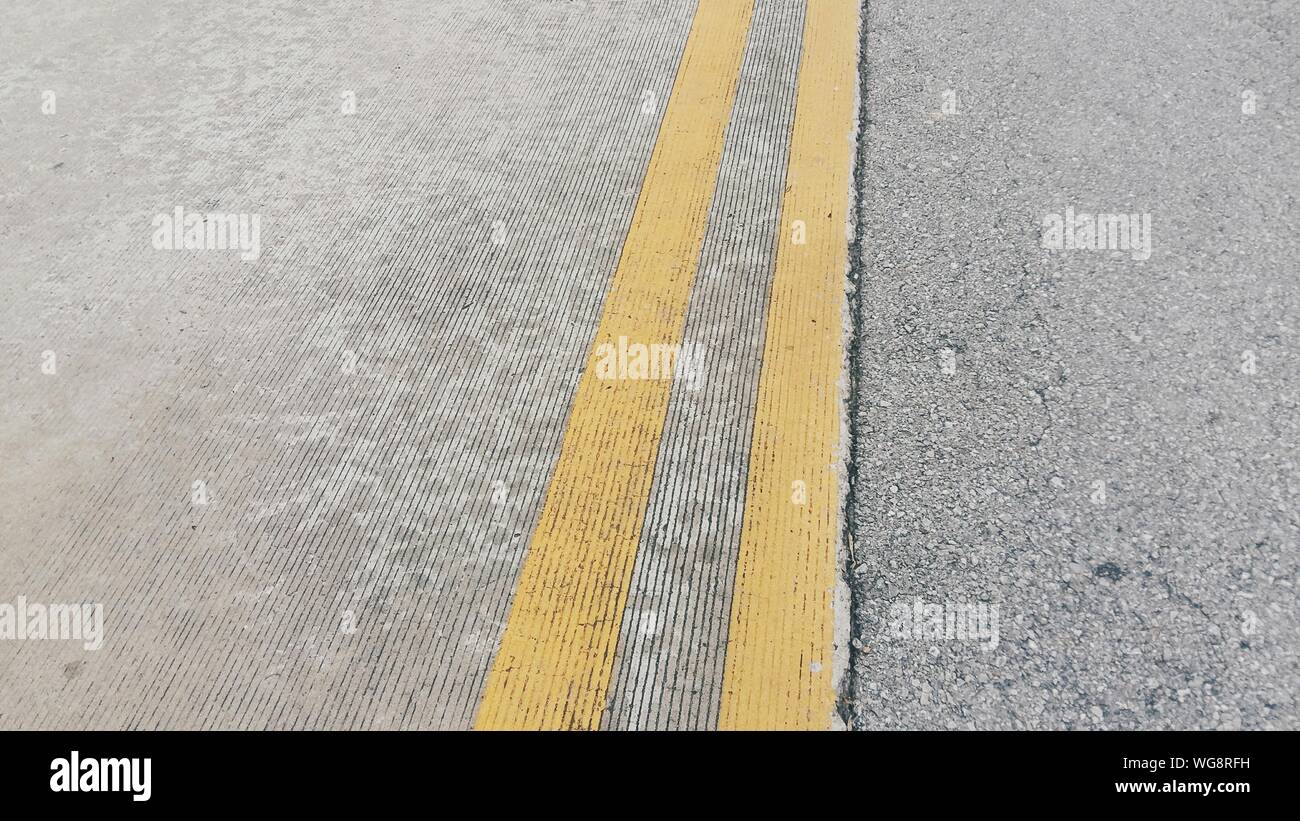
- Double Solid Yellow: This is a strict prohibition against passing from either direction. You must never drive to the left of these lines unless you are turning left into a driveway or private road, or if directed by a traffic officer.
- Double Solid White: This signifies that lane changes are strictly prohibited. These are frequently used to separate high-occupancy vehicle (HOV) lanes or express lanes from general-purpose traffic. Crossing these lines often carries significant financial penalties.
Specialized Road Markings and Their Functions
Beyond simple lane dividers, road infrastructure utilizes several specialized markings that provide specific instructions for intersections and specialized lanes.
Stop Lines and Yield Markings
Before entering an intersection, you will often see a thick, solid white line painted across the lane. This is the Stop Line (or Limit Line). It indicates the exact point where a vehicle must come to a complete stop at a stop sign or red light. Stopping beyond this line can obstruct pedestrian crosswalks or place your vehicle in the path of turning traffic.
Yield lines, often referred to as "shark’s teeth," consist of a row of white triangles pointing toward approaching vehicles. These indicate that you must be prepared to stop and yield the right-of-way to crossing traffic or pedestrians.
Crosswalks and Pedestrian Zones
White lines are also the primary method for defining pedestrian territory. Crosswalks can appear as two parallel solid white lines or as a series of thick "continental" blocks (often called zebra crossings). When these markings are present, pedestrians have the legal right-of-way in most jurisdictions once they have entered the crosswalk.
Turn Arrows and Channelizing Lines
White arrows painted in the center of a lane are mandatory directions. If a lane is marked with a "Left Turn Only" arrow, you must turn left; continuing straight from a turn-only lane is a common cause of side-swipe accidents. Channelizing lines (wide solid white lines) are used to direct traffic into specific paths, such as at complex highway interchanges, to prevent "last-minute" lane diving.
Summary of Road Line Meanings
The following table provides a quick reference for the most common road markings encountered in 2026.
| Line Type | Color | Directional Context | Meaning / Action Allowed |
|---|---|---|---|
| Broken | Yellow | Opposite Directions | Passing allowed when safe. |
| Solid | Yellow | Opposite Directions | Passing prohibited on the side of the solid line. |
| Double Solid | Yellow | Opposite Directions | Passing prohibited for both directions. |
| Broken | White | Same Direction | Lane changes permitted. |
| Solid | White | Same Direction | Lane changes discouraged; marks road edge. |
| Double Solid | White | Same Direction | Lane changes strictly prohibited (e.g., HOV lanes). |
| Thick Solid | White | Transverse (Across) | Stop line; must stop before this point. |
| Triangles | White | Transverse (Across) | Yield line; prepare to give right-of-way. |
Technical Specifications and Visibility Science
Road markings are not merely paint; they are engineered safety systems. In 2026, the materials used for these lines have evolved to meet the needs of high-speed travel and machine vision.
Retroreflectivity and Glass Beads
To make lines visible at night, highway departments use a process called retroreflectivity. While the paint is still wet, millions of tiny glass beads are sprayed onto the surface. When a car's headlights hit these beads, they act as retroreflectors, bouncing the light back toward the driver’s eyes rather than scattering it in all directions. This is why road lines appear much brighter under headlights than a standard painted surface would.
Thermoplastic vs. Water-Based Paint
In high-traffic areas, engineers often use thermoplastic marking material instead of traditional paint. Thermoplastic is a mixture of plastic resin and glass beads that is heated to roughly 400°F (204°C) and applied to the road. It is much thicker than paint and can last several years, even under heavy snowplow use and high traffic volume.
Impact on Autonomous Vehicles (AVs)
For the self-driving cars and ADAS systems prevalent in 2026, clear road markings are vital. Cameras and LiDAR systems "read" these lines to calculate lane centering. Faded or obscured lines can cause "lane drift," where the vehicle's computer struggles to determine its position. This has led to increased government investment in high-contrast markings and "all-weather" paints that remain visible even when the road is covered in a layer of water.
Common Misunderstandings and Safety Considerations
Despite the standardized nature of road markings, several common misconceptions persist among drivers.
- Crossing a Single Solid White Line: Many drivers believe it is strictly illegal to cross a single solid white line. In many U.S. states, it is legally permitted but discouraged. However, in other regions, it is a citable offense. The safest practice is to treat a solid white line as a "do not cross" unless an emergency requires it.
- The "Empty" Center Lane: On many urban streets, you will see a center lane marked by two sets of yellow lines—the inner lines are broken, and the outer lines are solid. This is a Two-Way Left Turn Lane (TWLTL). It is not a travel lane or a passing lane; it is strictly for vehicles turning left from either direction. Driving long distances in this lane is illegal and dangerous.
- Weather and Wear: Markings can become obscured by snow, mud, or simple wear and tear. When lines are not visible, drivers must rely on the "follow the leader" principle or use the road's physical edges (curbs or grass lines) to estimate lane position. In 2026, many smart cities are trialing "glow-in-the-dark" photo-luminescent paint to assist in these scenarios, though it is not yet a global standard.
Frequently Asked Questions
Can I ever cross a double solid yellow line?
Yes, but only under specific circumstances. You may cross a double solid yellow line when turning left into a driveway, alley, or private road, provided it is safe to do so and not prohibited by a "No Left Turn" sign. You may also cross them if directed by a traffic officer or construction flagger, or if an obstruction in the road (like a fallen tree) makes it impossible to stay in your lane.
What does it mean if there is a solid yellow line on the left side of my lane?
If you are on a divided highway, a solid yellow line on your left marks the edge of the roadway next to the median or guardrail. If you are on a two-lane road and the solid yellow line is in the center on your side, it means you are in a "No Passing Zone" due to limited visibility ahead, such as a hill or a curve.
What is the purpose of the white diamond symbol on the road?
The white diamond indicates a restricted lane. This most commonly refers to High-Occupancy Vehicle (HOV) lanes, which are reserved for carpools, buses, or sometimes motorcycles and low-emission vehicles. In some cities, diamonds also mark dedicated bicycle lanes or bus-only lanes. Always check the roadside signage for specific occupancy requirements and hours of operation.
Why are some road lines red or blue?
While yellow and white are the standard for lane markings, other colors serve niche purposes. Blue markings are used exclusively to identify parking spaces or curbs for persons with disabilities. Red markings (rarely used on the road surface itself but common on curbs) generally indicate "No Standing" or fire lanes where stopping is strictly prohibited at all times.
Are road markings the same in every country?
While many countries follow the Vienna Convention on Road Signs and Signals, there are variations. For example, in the United Kingdom and parts of Europe, white lines are often used to separate opposing traffic, with yellow lines reserved for curb markings to indicate parking restrictions. Always familiarize yourself with local traffic manuals when driving in a foreign country.
Practical Recommendation for Drivers
To ensure maximum safety and legal compliance, always prioritize the "most restrictive" marking visible. If you are unsure whether a lane change is permitted, wait for a clearly broken white line. When driving at night or in inclement weather, use the solid white "fog line" on the right as your primary guide to avoid drifting into oncoming traffic or off the shoulder. For those using semi-autonomous driving features, remember that these systems can be "tricked" by old, ground-off markings or tar strips; always keep your hands on the wheel and your eyes on the physical lines to verify the vehicle's path.
Image Gallery