How to Conduct Professional Market Research for Free
Conducting market research for free involves leveraging open-source intelligence, public data repositories, social listening, and direct customer feedback to validate business ideas or refine marketing strategies. By systematically uti...
Conducting market research for free involves leveraging open-source intelligence, public data repositories, social listening, and direct customer feedback to validate business ideas or refine marketing strategies. By systematically utilizing tools like government databases, industry reports, and digital analytics, you can gather high-quality data that informs product-market fit and competitive positioning without a dedicated budget.
Contents
Understanding the Pillars of Free Market Research
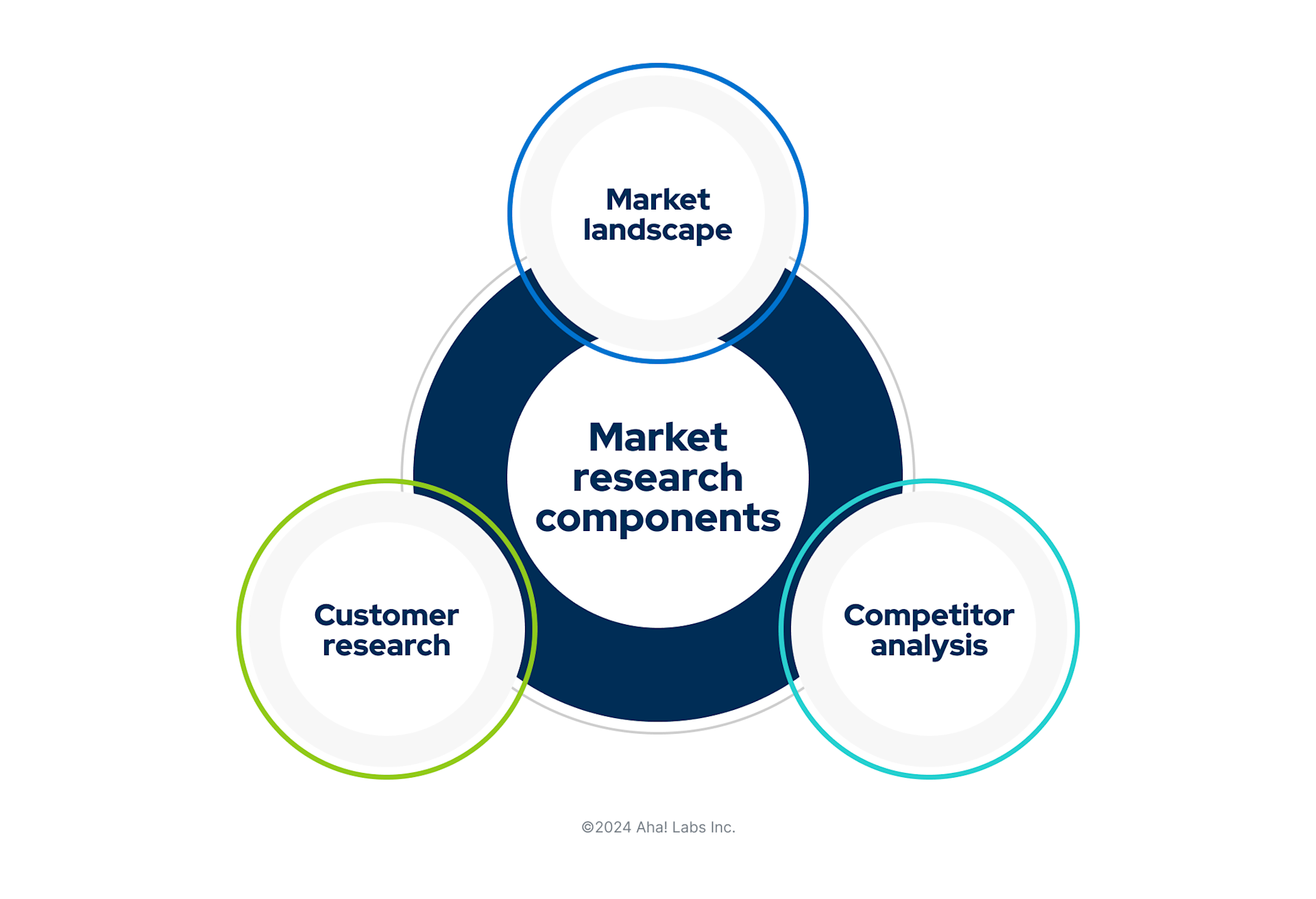
Market research is the process of gathering information about your target market, competitors, and the broader industry landscape. While many corporations spend thousands on subscription-based intelligence platforms, the core information—who your customers are, what they struggle with, and what your competitors offer—is often publicly available.
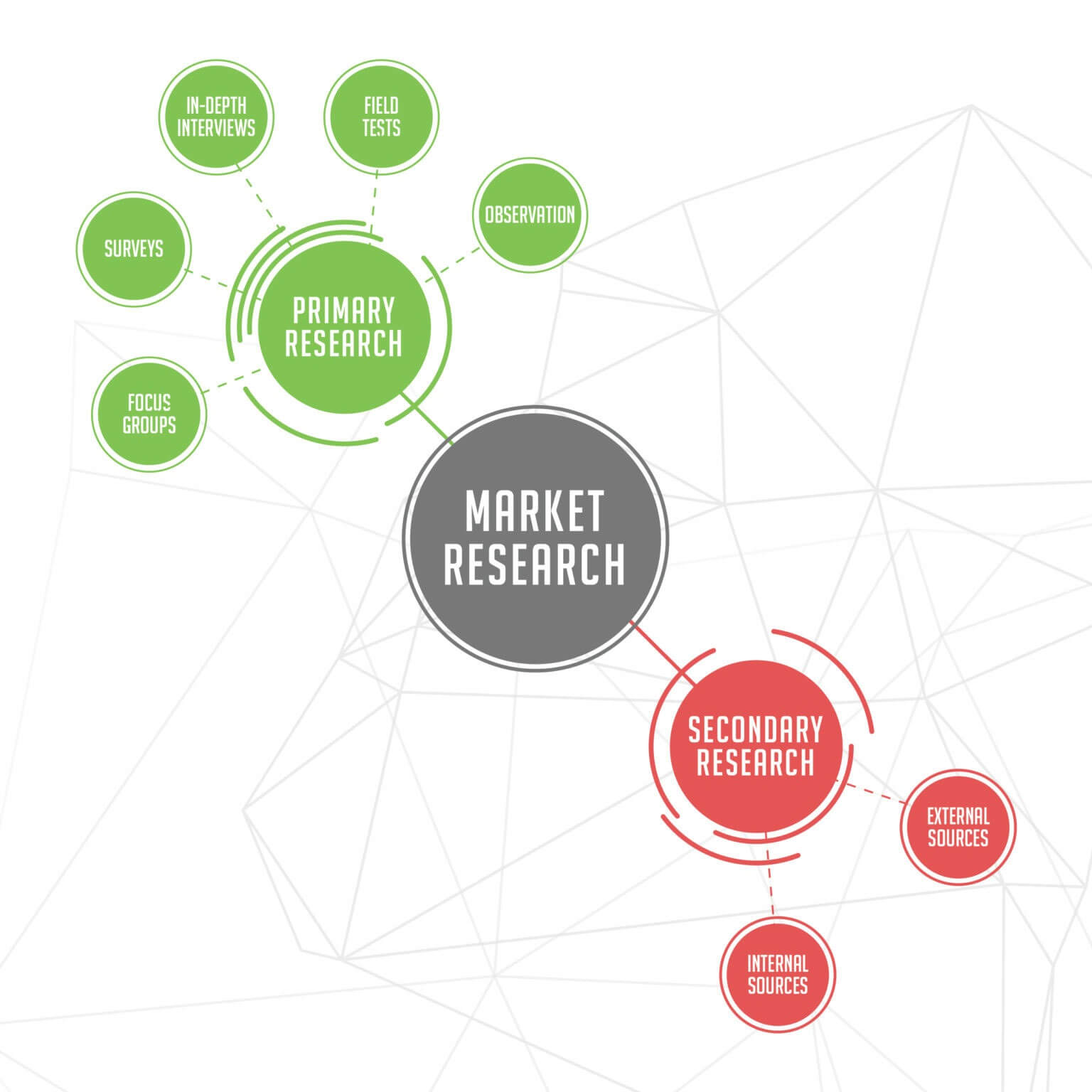
To conduct effective research without direct expenditure, you must treat your own time and analytical labor as the investment. The goal is to move from anecdotal assumptions to evidence-based decision-making. You will need to focus on two distinct categories: Primary Research, which involves collecting new data directly from your target audience, and Secondary Research, which involves synthesizing existing data published by others.
Leveraging Public Data and Government Resources
The most credible, unbiased data available often resides in government-funded portals. These resources are maintained by national statistics agencies and are typically free to use.
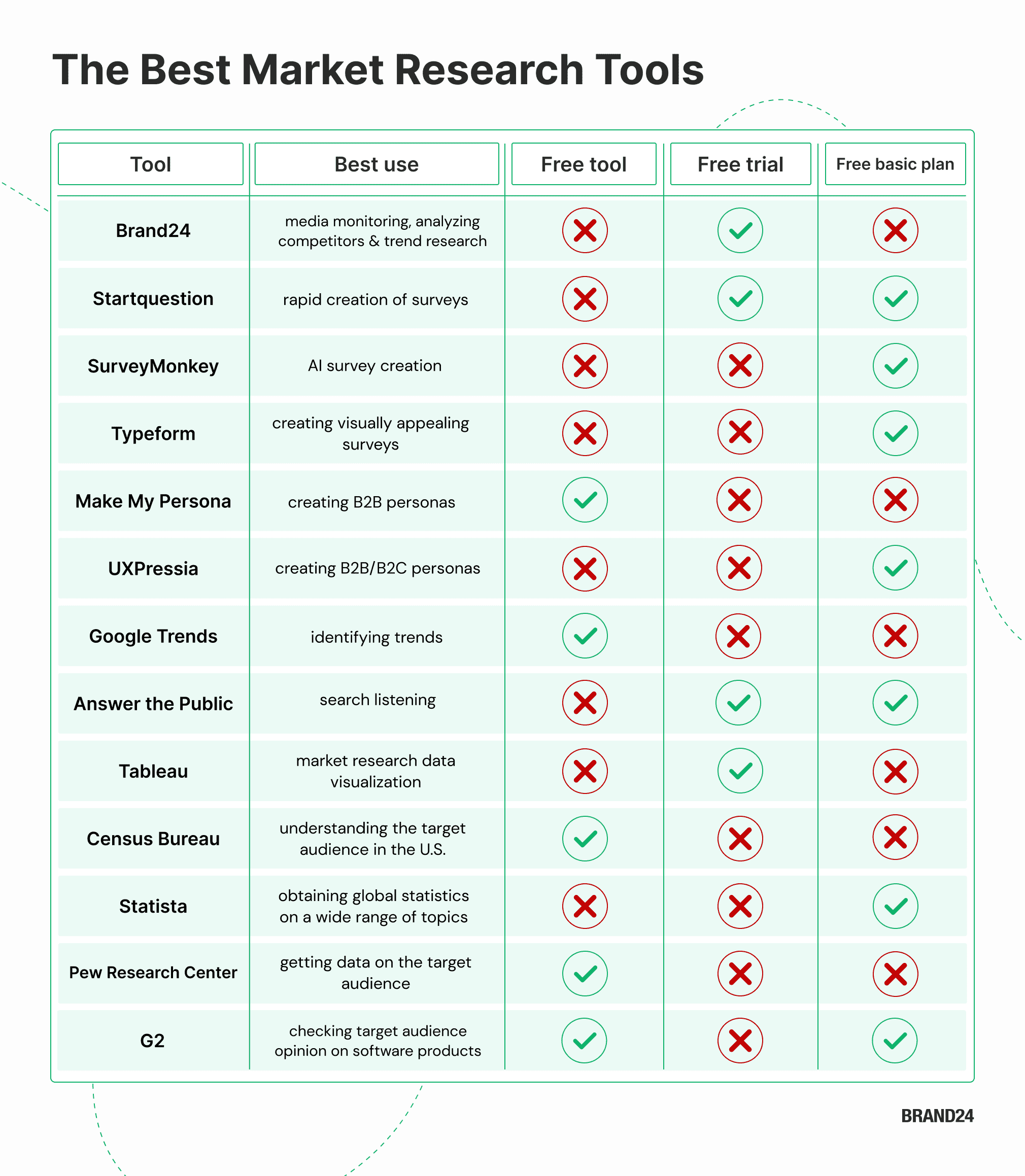
- National Statistical Agencies: Organizations like the U.S. Census Bureau or the UK’s Office for National Statistics provide granular data on demographics, household income, and employment trends. This helps define the "Total Addressable Market" (TAM).
- Industry Trade Associations: While some reports are behind paywalls, many trade associations publish "State of the Industry" white papers or executive summaries to maintain their authority. These documents contain vital statistics on market growth rates and common industry challenges.
- Academic Databases: Platforms such as Google Scholar or ResearchGate host peer-reviewed studies. Searching for specific industry keywords can reveal behavioral trends or consumer patterns that provide scientific backing for your business hypothesis.
Competitive Analysis via Digital Footprints
You do not need expensive software to understand your competition. Every digital business leaves a trail that you can analyze systematically.
Start by mapping your competitors. Create a spreadsheet and document their pricing, the features they highlight, and the language they use in their messaging. Use "Incognito" or "Private" browser windows to view their websites and advertisements without your own search history biasing the results.
- SEO and Content Benchmarking: Use free tiers of SEO tools like Ahrefs Webmaster Tools or Ubersuggest to identify the keywords your competitors are ranking for. This reveals their content strategy and what their audience is actively searching for.
- Social Listening: Monitor your competitors’ social media channels. Look at the comment sections of their high-engagement posts. The complaints, requests for features, and questions left by users are "gaps" in the market that your product or service might fill.
- Review Mining: Platforms like Trustpilot, G2, Capterra, or even Amazon reviews are gold mines of qualitative data. Do not just look at the star rating; focus on the negative reviews. These highlight the exact pain points that customers feel are currently unaddressed by industry leaders.
Conducting Primary Research Without a Budget
Primary research is often viewed as expensive because of the cost of panels and incentives. However, you can generate valid qualitative insights by engaging directly with potential users through accessible channels.
1. Structured Social Media Polls and Surveys Use native polling tools on LinkedIn, X (formerly Twitter), or Instagram. While these are not statistically significant samples, they are excellent for testing reaction to specific concepts or identifying major pain points among your target demographic.
2. The One-on-One Interview Nothing beats a 15-minute conversation with a potential customer. To do this for free:
- Identify individuals within your target niche on platforms like LinkedIn or professional forums.
- Reach out with a personalized message. Do not sell; simply ask for their perspective on an industry problem.
- "I am researching the challenges of [problem] and would appreciate 10 minutes of your experience" is significantly more effective than asking for a sales meeting.
3. Online Communities and Forums Participate in niche-specific subreddits, Discord servers, or Facebook groups. Observe the types of questions that recur. If you see the same question asked repeatedly by different people, you have discovered a validated market need.
Comparative Methods for Free Research
| Methodology | Best For | Pros | Cons |
|---|---|---|---|
| Review Mining | Identifying pain points | Deep, authentic user sentiment | Time-consuming; biased by extremes |
| Google Trends | Measuring interest over time | Shows seasonal or rising trends | Lacks demographic depth |
| Competitive SEO | Benchmarking content gaps | Reveals competitor strategy | Requires basic analytical skills |
| Direct Interviews | Validating product fit | Highly specific, qualitative data | Small sample size; non-representative |
Organizing Your Findings: The Research Matrix
When you perform free research, the data can quickly become disorganized. Create a "Market Research Repository"—a simple document or Notion page—where you aggregate your findings.
Organize this repository by:
- Customer Personas: Who is your primary user? What are their demographics, psychographics, and biggest pain points?
- Market Size/Trends: Is the market growing? What external factors (e.g., regulations, new technology) are impacting it?
- Competitive Differentiation: What do they do well, and what do they consistently fail at?
- Pricing Sensitivity: Based on your research, what is the perceived value of the solution?
By centralizing this, you ensure that your business decisions are grounded in a cumulative set of facts rather than fleeting observations.
Common Mistakes to Avoid
The most common trap in free research is Confirmation Bias. This occurs when you search for data that confirms what you already believe to be true, while ignoring evidence that contradicts your hypothesis. To mitigate this, actively search for "why this product might fail" or "reasons why customers leave [Brand X]."
Another mistake is neglecting the Sample Size and Quality. A poll of 10 of your friends is not market research; it is personal feedback. Ensure that the people you research are actually representative of your target buyer, not just people within your immediate social network.
Frequently Asked Questions
How can I determine the size of a market without paid reports? Use "bottom-up" estimation. If you know how many potential customers exist in a specific niche (from LinkedIn filters or industry registries) and you know the average price of a competitor's product, you can calculate the total potential revenue. Official government data on industry-wide employment and revenue also provides a solid foundation for estimation.
Is qualitative research enough to start a business? Qualitative research is excellent for identifying the problem, but it should be supplemented by quantitative data whenever possible. Use free analytical tools to see how many people are searching for your solution; volume is a strong indicator of demand.
How do I make sure my survey results are accurate? For free surveys, focus on open-ended questions. Avoid leading questions that force a "yes" or "no" answer. Instead of asking, "Would you buy this?" ask, "How do you currently solve [problem]?" This provides behavioral data rather than hypothetical opinions.
Are there legal issues with using publicly available data? Publicly available data on the internet is generally usable for internal research. However, always respect terms of service for specific websites and avoid scraping data in a way that violates privacy policies or intellectual property rights.
Next Actions for Your Research
Begin by identifying your three biggest competitors and performing a "Review Audit." Spend one hour reading their negative reviews and documenting the top three complaints in a spreadsheet. This singular action will immediately give you a clearer view of the market landscape than almost any other free research method. Following this, look for public industry reports from the last two years to validate that your chosen market segment is stable or growing.
Image Gallery