Navigating Resources and Recovery for Travis County Flood Victims
Individuals and families impacted by flooding in Travis County have access to a structured system of emergency support, financial assistance, and long-term recovery resources provided by local, state, and federal agencies. Securing aid...
Individuals and families impacted by flooding in Travis County have access to a structured system of emergency support, financial assistance, and long-term recovery resources provided by local, state, and federal agencies. Securing aid typically begins with documenting damage and registering through verified government portals, such as DisasterAssistance.gov, to establish eligibility for grants or low-interest recovery loans.
Contents
Understanding the Response Framework
When a flood event occurs in Travis County, the response is generally coordinated through the Travis County Office of Emergency Management in conjunction with the Texas Division of Emergency Management (TDEM). For residents, the most critical step following an immediate threat to safety is the formal assessment and reporting of property damage.
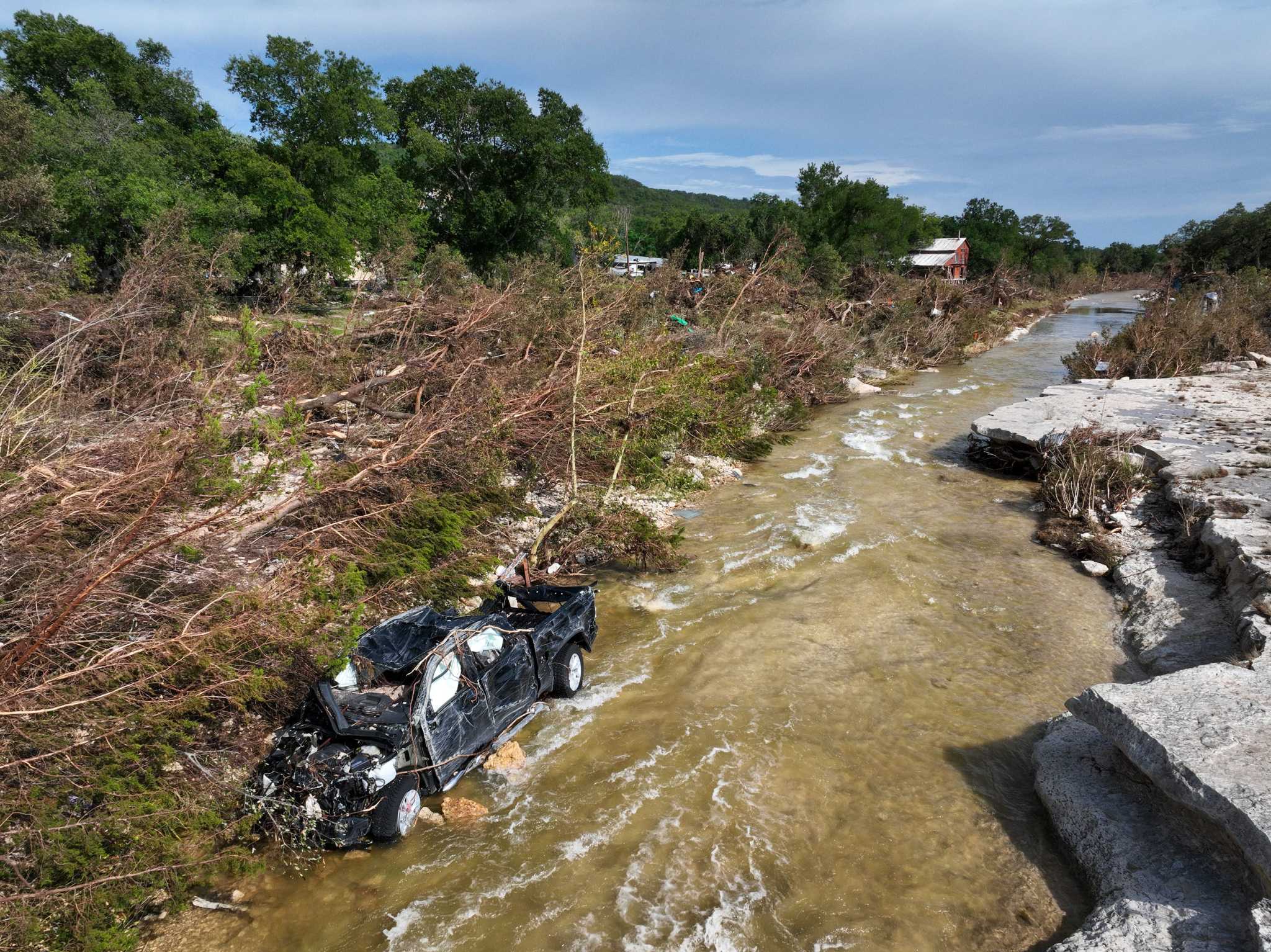
Recovery is not a single process but a tiered approach. Immediate needs—such as emergency shelter, medical care, and food—are addressed in the hours following an event. Once the area is declared a disaster zone, federal and state resources become available to address housing repairs, personal property loss, and other uninsured expenses. It is vital to understand that "flood victims" in this context refers to anyone experiencing property damage or displacement, regardless of whether their home is located within a FEMA-designated high-risk flood zone.
Assessing Damage and Documentation
Before filing any claims or applications for assistance, victims must conduct a thorough assessment of the damage. This documentation serves as the evidentiary basis for insurance claims and government assistance.
- Safety First: Never enter a structure that has standing water or structural damage until it has been cleared by local authorities.
- Visual Evidence: Before beginning any cleanup or removing debris, take high-resolution photos and videos of all damaged areas. This includes structural components like drywall and flooring, as well as personal belongings.
- Inventory Tracking: Create a room-by-room list of damaged items. Include approximate purchase dates, costs, and current condition.
- Professional Inspection: If possible, engage a licensed contractor or insurance adjuster to document the cause and extent of the damage. For those covered by the National Flood Insurance Program (NFIP), this step is often mandatory for processing a claim.
Navigating Financial and Recovery Programs
Financial assistance for Travis County flood victims generally falls into three categories: private insurance, federal grants, and Small Business Administration (SBA) loans.
Federal Assistance (FEMA)
If a major disaster declaration is issued for Travis County, FEMA’s Individual Assistance program may provide grants to help with temporary housing, home repairs, and other serious disaster-related needs. These funds are intended to cover costs that are not paid for by insurance or other sources.
SBA Disaster Loans
A common misconception is that the Small Business Administration only serves businesses. In reality, the SBA provides low-interest, long-term loans to homeowners and renters in declared disaster areas. These loans are often the primary source of federal funding for long-term recovery, covering the repair or replacement of real estate, personal property, machinery, and equipment.
Insurance Claims
For those holding private flood insurance, contact your agent immediately to initiate the "Proof of Loss" form. Under the NFIP, policyholders typically have a specific window of time to submit this documentation. Adherence to these deadlines is strictly enforced, and delays can jeopardize eligibility for settlement payments.
Comparative Overview of Assistance Sources
The following table outlines the general characteristics of primary recovery resources available to those affected by flooding in the region.
| Resource Type | Primary Purpose | Eligibility Requirement | Typical Funding Mechanism |
|---|---|---|---|
| Private Insurance | Primary property restoration | Active policy at time of loss | Direct claim payment |
| FEMA Grants | Immediate essential needs | Declared disaster; uninsured loss | Non-repayable grants |
| SBA Disaster Loans | Long-term repair/replacement | Creditworthiness and loss proof | Repayable low-interest loan |
| Local Non-Profits | Emergency food and shelter | Demonstrated hardship | Charitable assistance |
Localized Resources in Travis County
Beyond federal aid, Travis County residents often benefit from localized support networks. The Austin-Travis County Emergency Operations Center often establishes "Multi-Agency Resource Centers" (MARCs) in the wake of significant flooding. These centers provide a physical location where victims can meet with representatives from:
- Texas Health and Human Services: For assistance with food benefits and disaster-related medical support.
- The American Red Cross: For short-term housing, basic household supplies, and mental health support.
- Legal Aid of Central Texas: For guidance on insurance disputes, landlord-tenant issues, and contractor fraud.
Engaging with these local entities is crucial for navigating specific regional challenges, such as debris removal schedules, local building permit requirements for repairs, and municipal drainage infrastructure information.
Preventing and Resolving Common Challenges
Many flood victims encounter avoidable obstacles during the recovery phase. Being aware of these pitfalls can save significant time and resources.
1. The "Contractor Trap": In the wake of a flood, demand for repair services skyrockets. This environment often attracts unscrupulous contractors. Always verify that a contractor is licensed, bonded, and has a physical address in Texas. Avoid contractors who demand full payment upfront or suggest that you circumvent standard building permit processes.
2. Failure to Mitigate: Property owners have a legal obligation to mitigate further damage. This means taking reasonable steps to prevent further destruction, such as tarping roofs or boarding up broken windows. Failing to mitigate can lead to insurance companies denying subsequent damage claims.
3. Deadline Oversight: Whether it is a FEMA application or an insurance Proof of Loss statement, documentation deadlines are immovable. Maintain a "recovery log" that tracks every communication, claim number, and submission date.
4. Misunderstanding Flood Zones: Even if your property is not in a high-risk flood zone (Zone AE or V), it can still flood. Do not assume your lack of a flood insurance requirement implies your property is safe. If you have been flooded, your recovery status remains independent of your pre-flood insurance status.
Legal and Professional Considerations
If you find yourself in a dispute with your insurance carrier regarding a claim, or if you believe you have been a victim of disaster-related fraud, you should seek legal advice. The Texas Department of Insurance (TDI) provides a consumer protection division that handles complaints against adjusters and insurance companies.
Additionally, for those facing economic instability due to displacement, local community action agencies can assist with identifying temporary housing assistance programs that operate outside of standard federal aid, specifically aimed at low-to-moderate-income families.
Disclaimer: The information provided herein is for educational purposes only and does not constitute legal or financial advice. Flood recovery involves complex regulatory requirements. Individuals should consult with their insurance agent, a qualified attorney, or an official representative from FEMA or the Travis County Office of Emergency Management for guidance specific to their individual circumstances.
Frequently Asked Questions
1. How do I know if I qualify for FEMA assistance in Travis County? Qualification depends on whether the President has issued a major disaster declaration for the county. You can check the current status at DisasterAssistance.gov. If a declaration is in effect, eligibility is determined by your primary residence status, the extent of documented uninsured damage, and your citizenship or qualified alien status.
2. Can I receive federal aid if I have private flood insurance? Yes, but federal aid is designed to cover only those losses not covered by your insurance policy. FEMA is legally prohibited from "duplication of benefits," meaning they cannot pay for the same damage that your insurance company is already covering. You must submit your insurance settlement document to FEMA as part of the application process.
3. What is the deadline to apply for disaster assistance? The deadline varies by incident. Typically, the period for individual assistance applications is 60 days following the formal disaster declaration. It is advisable to register as early as possible to avoid processing backlogs.
4. How do I report price gouging during the recovery process? The Texas Attorney General’s Office monitors and prosecutes price gouging during declared disasters. If you notice a sudden, unjustified increase in the price of necessities like housing, fuel, or building supplies, you should document the incident and file a consumer complaint through the Texas Attorney General’s website.
5. What is the difference between an insurance adjuster and a public adjuster? An insurance adjuster is employed by your insurance company to evaluate the claim. A public adjuster is hired by you to represent your interests and negotiate the claim on your behalf. If you choose to hire a public adjuster, ensure they are properly licensed by the Texas Department of Insurance.
Next Steps for Recovery
If you are currently dealing with the aftermath of a flood, your immediate priority should be to complete your online registration with FEMA and notify your insurance carrier. Once those foundational steps are taken, begin organizing your physical records in a dedicated folder or digital drive. Contact the Travis County Office of Emergency Management to receive updates on local recovery centers, as these facilities provide the most efficient path to obtaining in-person guidance and accessing local community support networks.
Image Gallery