Navigating RV Auto Trader Marketplaces: The 2026 Buying, Selling, and Valuation Guide
RV Auto Trader platforms—referring to digital marketplaces such as RV Trader and specialized vehicle listing networks—connect buyers and sellers of motorhomes, travel trailers, and camper vans across North America. These platforms aggr...
RV Auto Trader platforms—referring to digital marketplaces such as RV Trader and specialized vehicle listing networks—connect buyers and sellers of motorhomes, travel trailers, and camper vans across North America. These platforms aggregate national inventory from dealers and private sellers, offering advanced filters, pricing benchmarks, and listing tools to streamline major recreational vehicle transactions.
Contents
The Online RV Marketplace Ecosystem
Navigating the digital market for recreational vehicles requires understanding how online trading platforms operate. The phrase "RV Auto Trader" generally describes the broad ecosystem of specialized vehicle listing sites—most notably RV Trader (operated by Trader Interactive) alongside automotive platform extensions like AutoTrader’s commercial and RV sections, RVT.com, and regional dealer aggregation portals.
In 2026, these digital platforms serve as the primary secondary market for recreational vehicles, processing hundreds of thousands of transactions annually ranging from sub-$15,000 pop-up campers to million-dollar luxury Class A diesel pushers.
Online marketplaces function through two distinct seller models:
- Licensed Dealership Networks: Dealership listings account for a significant portion of inventory on platforms like RV Trader. These listings often include dealer-backed warranties, certified pre-owned (CPO) inspections, trade-in processing, and direct on-site financing arrangements.
- Private Party Sellers: Private listings connect individual owners directly with prospective buyers. While private sales typically feature lower price points due to the absence of dealer markups, they require the buyer to independently manage vehicle history verification, pre-purchase inspections, title transfers, and payment security.
The modern RV resale market reflects several key structural updates. Modern listings emphasize power-system specifications—such as factory-integrated lithium iron phosphate (LiFePO4) battery banks, solar arrays, and high-efficiency inverter systems—alongside traditional metrics like chassis mileage and slide-out configurations. Furthermore, digital title transfers and secure third-party escrow services have become standardized components of remote, cross-state vehicle purchases.
Valuing an RV Accurately: Market Comps vs. Depreciation Models
Determining fair market value for a recreational vehicle differs significantly from standard passenger automobile pricing. RVs consist of two distinct structural entities: the motorized chassis (or towable frame) and the living quarters structure. Both degrade and depreciate at different rates.
Industry Standard Valuation Tools
When evaluating price quotes on trading platforms, industry professionals rely on baseline valuation data from J.D. Power Valuation Services (formerly NADA Guides). J.D. Power tracks wholesale auction records, retail transaction histories, and regional supply-demand metrics to establish base values across three categories:
- Suggested Retail Price: The original manufacturer's suggested retail price (MSRP) when the vehicle was new.
- Low Retail Value: Reflects an RV with high mileage or heavy interior use, requiring minor mechanical or cosmetic repair, but structurally sound without water damage.
- Average Retail Value: Represents a clean unit in good working condition, fully functional in all mechanical and living systems, with normal wear for its model year.
Valuation Warning: Never add the individual value of optional equipment line items directly to the base J.D. Power value. Modern automated pricing algorithms often over-inflate custom add-ons. Focus primarily on structural condition, water intrusion history, and mechanical maintenance records.
Primary Depreciation Patterns
Recreational vehicles suffer their steepest value drop early in their lifecycle:
- Class A & Class C Motorhomes: Depreciate approximately 20% to 30% within the first year of drive-off, stabilizing to an 8% to 10% annual depreciation rate through year five.
- Class B Camper Vans: Maintain higher value retention due to steady demand for agile, off-grid-capable platforms, depreciating roughly 15% to 20% over the first two years.
- Travel Trailers & Fifth Wheels: Experience immediate 15% to 25% first-year depreciation, with long-term valuation heavily tied to roof seal maintenance rather than mechanical component wear.
Physical Factors Impacting Value
- Generator Running Hours: For motorized units, generator usage should average 40 to 80 hours per year. Excessively low hours (e.g., under 10 hours per year on a 7-year-old coach) often indicate fuel system varnish or carburetor failure due to prolonged disuse, requiring costly repairs.
- Tire Manufacture Date Codes: RV tires deteriorate from UV exposure and structural fatigue regardless of remaining tread depth. Check the Department of Transportation (DOT) 4-digit date code stamped on the sidewall. Tires older than six years require immediate replacement, representing a mandatory $1,500 to $4,500 price adjustment depending on rim size.
- Roof Sealant Integrity: Evidence of recaulking with proper self-leveling lap sealants (e.g., Dicor) signals proactive ownership. Signs of silicone usage or cracked seals severely reduce asset value due to hidden structural rot risk.
The Strategic Buyer’s Guide to Online RV Listings
Purchasing an RV through an online trader platform requires systematic evaluation of technical specifications, historical records, and mechanical integrity before making commitments or financial transfers.
BUYER SELECTION FLOWCHART
- Filter by Weight/Class
- Review History
- Hire NRVIA Tech
- Escrow
Decoding RV Listing Classifications
Before searching online inventories, cross-reference your tow vehicle capacity or driving comfort limits against the standard categories listed on trading sites:
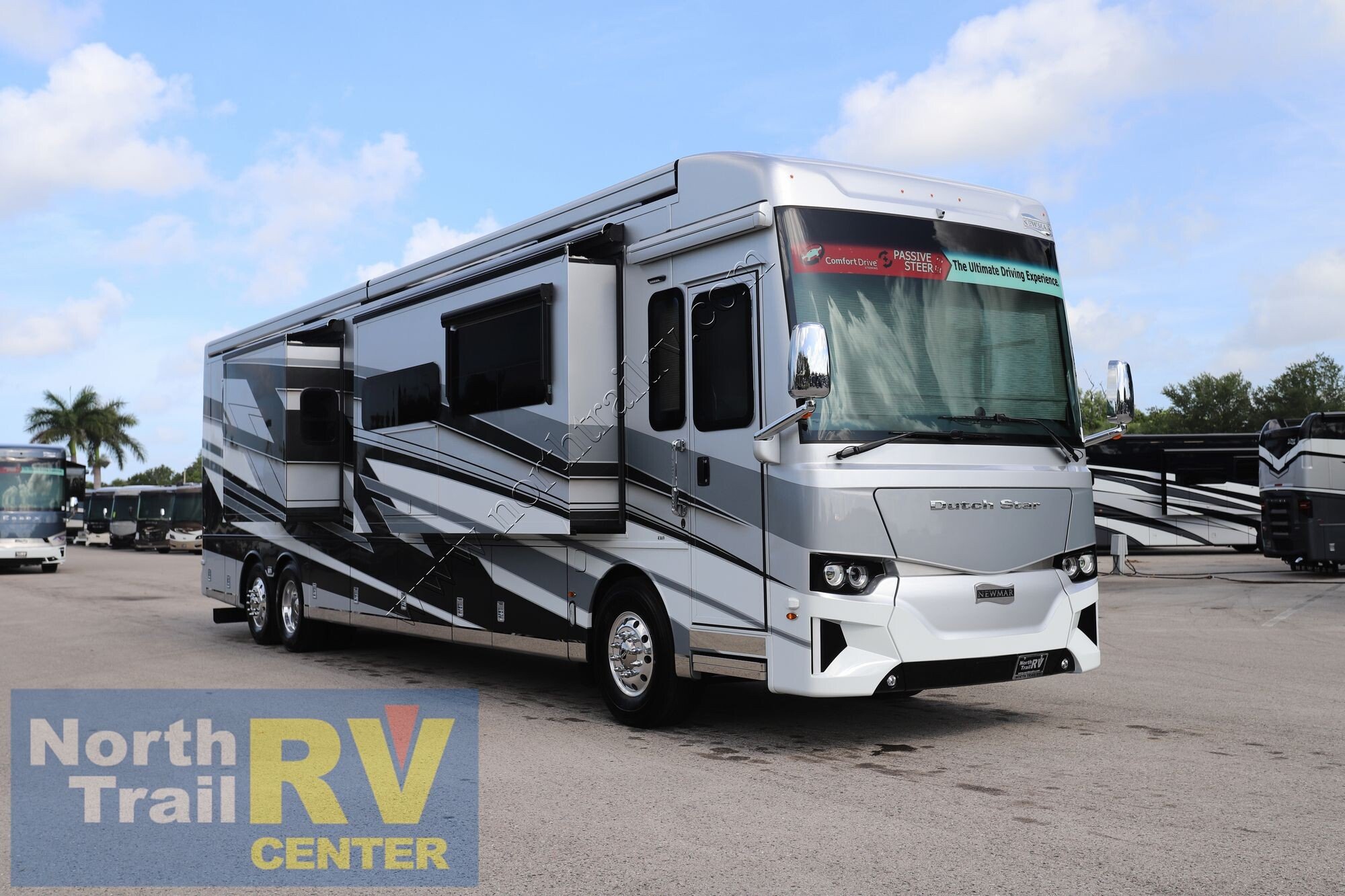
- Class A Motorhomes: Built on heavy-duty commercial truck or custom bus chassis (gasoline or rear-engine diesel pusher). Offer maximum living space and payload capacity but require specialized maintenance and high storage overhead.
- Class B Camper Vans: Constructed inside standard OEM van bodies (Mercedes-Benz Sprinter, Ford Transit, RAM ProMaster). Highest maneuverability and fuel efficiency, but limited passenger and cargo space.
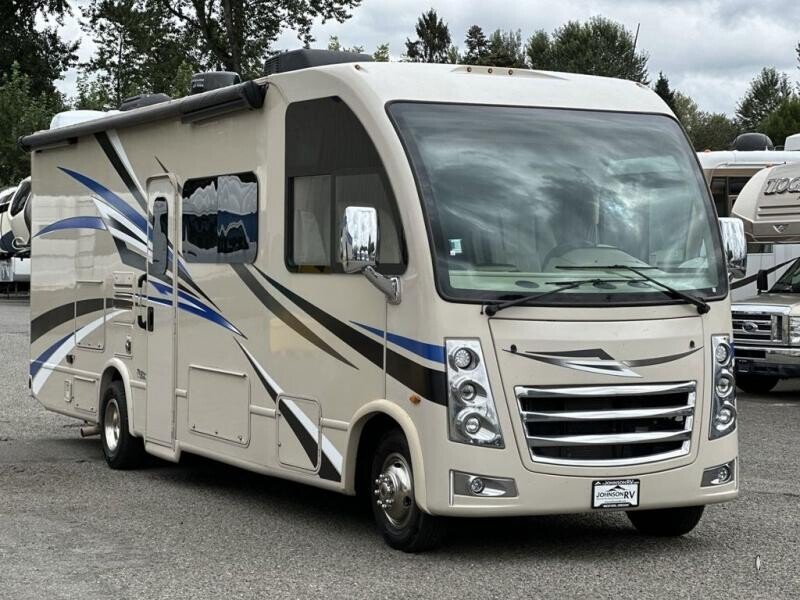
- Class C Motorhomes: Built on a cabin chassis cutaway with a distinctive over-cab alcove sleeping area. Offers a balance of spacious living quarters and standard automotive cab controls.
- Fifth-Wheel Trailers: Require a pickup truck equipped with a specialized bed-mounted jaw hitch. They provide stability and split-level living layouts.
- Travel Trailers: Conventional bumper-pull trailers compatible with standard SUV or truck receiver hitches, governed strictly by weight metrics.
Critical Weight Specifications
When reviewing travel trailer or fifth-wheel listings, never rely solely on the listed "Dry Weight" (Unloaded Vehicle Weight / UVW). Evaluate these three critical figures against your tow vehicle's capabilities:
| Weight Metric | Full Nomenclature | Definition & Operational Impact |
|---|---|---|
| GVWR | Gross Vehicle Weight Rating | The absolute maximum allowable total weight of the RV when fully loaded with fluids, cargo, and options. Your tow vehicle's towing capacity must exceed this number. |
| GAWR | Gross Axle Weight Rating | The maximum structural load each individual axle assembly can safely carry. Exceeding this rating leads to premature tire blowouts and axle spindle failure. |
| CCC | Cargo Carrying Capacity | Calculated as GVWR - UVW - Net Freshwater Weight. Indicates how many pounds of gear, food, and propane you can legally load into the unit. |
Pre-Purchase Inspection (PPI) Protocols
Never complete a private or out-of-state dealership transaction on an RV trading platform without conducting a physical inspection. Engage a certified technician through the National RV Inspectors Association (NRVIA) to complete a comprehensive structural and systems audit.
A professional pre-purchase inspection must verify:
- Moisture Meter Analysis: Non-destructive pinless moisture testing around all window frames, roof cutouts (AC units, vent fans), slide-out corner seals, and cargo bays to detect internal wall lamination rot.
- Fluid Diagnostics: Laboratory sampling of engine oil, transmission fluid, and engine coolant on motorized units to detect metal wear debris or head gasket leaks.
- Electrical Load Testing: Operating the air conditioning units under full thermal load while monitoring voltage drop across the 30-amp or 50-amp distribution panel.
- Propane System Pressure Decay: Performing a timed pressure drop test on the LP gas regulator to confirm zero leaks in cooktops, furnaces, or absorption refrigerators.
Selling an RV on Auto Trader Platforms for Maximum ROI
To achieve top market value when listing an RV on digital trader networks, sellers must present verified documentation, high-quality media assets, and detailed mechanical specs.
Listing Optimization and Media Strategy
Listings featuring comprehensive documentation sell faster and command higher final sales prices. Implement the following photo and description structure:
- Required Media Assets (Minimum 35 Photos):
- Four exterior corner angles with slide-outs fully extended.
- Four exterior corner angles with slide-outs fully retracted (proving body alignment).
- Full-roof overhead photo demonstrating sealant condition around all penetration seams.
- Engine bay (motorized) and generator hour meter display.
- Close-ups of tire DOT date codes and frame/suspension undercarriage.
- Panoramic interior shots from front-to-back and back-to-front.
- Individual photos of appliance operational panels (fridge cold plate, control monitor panel, inverter display).
- Technical Description Elements:
- Explicitly state chassis year versus coach year (they frequently differ by one model year on Class C and Class B units).
- List exact capacities: freshwater, gray water, black water tanks (in gallons), and LP tank size (in pounds or gallons).
- Detail battery bank specifications (chemistry, amp-hours, age) and solar charge controller ratings.
- Document maintenance history: engine oil change intervals, generator service dates, roof reseal dates, and wheel bearing pack services.
Safe Transaction Workflows for Private Sellers
Executing high-value private vehicle sales online introduces financial risk if proper safeguards are omitted.
SAFE TRANSACTION WORKFLOW
- Verify Escrow Funds
- Bank Wire Clearance
- Sign Bill of Sale
- Title
Lien Settlements
If an outstanding loan exists on the RV, contact your financial institution to obtain an official pay-off letter. The buyer's funds must clear through the lienholder, who will issue a lien release before the state Department of Motor Vehicles (DMV) can transfer clear title to the buyer.
Payment Verification
Do not accept standard cashier's checks or unverified digital transfers without confirmation. The safest payment method for cross-state online sales is a secure third-party service like Escrow.com or an direct bank-to-bank wire transfer verified directly with your bank's wire transfer department before releasing physical possession or signed titles.
Marketplace Platform Comparison
Choosing the appropriate platform depends on vehicle category, target buyer demographic, and desired selling timeline.
| Platform Name | Listing Cost / Fee Structure | Primary Audience & Inventory Focus | Key Technical Features | Inspection & Secure Payment Options |
|---|---|---|---|---|
| RV Trader | Tiered flat fee ($50 - $200+) per listing package | Mass-market national buyers; deep selection of Class A, B, C, and towables | Advanced keyword/spec filtering, integrated loan calculators, direct dealer lead portals | Integrated buyer inquiry routing; optional escrow integration via partners |
| AutoTrader (Commercial/RV) | Package fee model; pricing varies by listing duration | Cross-shoppers looking at commercial platforms, medium-duty chassis, and Class A/C rigs | Strong cross-promotional reach across automotive vehicle networks | Standard digital messaging; external payment arrangements required |
| RVT.com | Basic flat-fee to premium exposure packages | Specialized RV buyers and private sellers focusing on mid-to-high-end towables and motorhomes | Price-checker valuation tools, mapping features, photo galleries | Direct buyer-to-seller communication channel |
| Private Social / Auction Platforms | Free basic posts to percentage-based auction fees | Local buyers (Marketplace) or niche/vintage collectors (Bring a Trailer) | Rapid local engagement, direct buyer messaging | High risk profile; requires strict self-managed payment protocols |
Financing, Insurance, and Escrow Realities
Securing financing and coverage for an online RV purchase involves distinct underwriting requirements that differ from standard automotive loans.
RV Loan Terms and LTV Limits
Lenders treat recreational vehicles as luxury assets or secondary homes rather than essential transport. Consequently:
- Loan Durations: Amortization schedules typically span 10 to 20 years for loan amounts exceeding $50,000, helping lower monthly payments on high-value motorhomes.
- Loan-to-Value (LTV) Constraints: Most marine and RV lenders approve financing up to 90% of the J.D. Power Wholesale or Low Retail value—not 90% of the seller's asking price. If a seller lists a coach for $85,000 but the J.D. Power Low Retail sits at $70,000, the buyer must pay the difference out-of-pocket as an expanded down payment.
- Full-Time RV Financing: If you plan to live in the RV for more than 5 months per year, you must disclose this to the lender. Operating as a "Full-Timer" requires specialized underwriting; failing to disclose full-time use can trigger loan default clauses or claim denials.
Essential Insurance Coverage Packages
Before taking delivery of a vehicle sourced through an online trader platform, secure a specialized RV insurance policy that includes:
- Total Loss Replacement: Available on new or recent model-year units, paying the full original purchase price to replace the vehicle if totaled, rather than depreciated actual cash value.
- Personal Effects Coverage: Protects interior belongings, tools, camping equipment, and mobile office tech up to specified limits—items generally excluded under standard auto policies.
- Vacation Liability: Provides liability protection if a third party is injured inside or around your parked RV at a campsite.
Common Buying & Selling Pitfalls
Avoiding critical mistakes safeguards your financial investment and ensures long-term operational reliability.
- Buying Without Inspecting Roof Seams: Roof leaks are the leading cause of structural failure in RVs. A small, unnoticed sealant tear can leak water into the ceiling framework, causing hidden rot and structural delamination that costs thousands to repair. Always inspect every foot of roof lap sealant before purchasing.
- Ignoring Slide-Out Mechanism Health: Slide-outs rely on hydraulic pumps, cable systems, or rack-and-pinions (like Schwintek). Check for uneven extension, metal shavings under the tracks, torn weather seals, or dragged carpet, which indicate misaligned gearboxes or structural sagging.
- Overlooking Chassis Weight Ratings (Towables): Purchasing a travel trailer based strictly on the tow vehicle's maximum tow rating without accounting for tongue weight (typically 10% to 15% of total trailer weight) leads to rear suspension sag, unstable sway, and unsafe braking conditions.
- Falling for Buyer/Seller Direct Wire Fraud: Never send funds via untraceable methods (like peer-to-peer payment apps) or hand over title paperwork based on unverified cashier's checks. Always process financial clearing through established, insured banking institutions or trusted third-party escrow services.
Frequently Asked Questions
What is the primary difference between RV Trader and standard AutoTrader platforms?
RV Trader (operated by Trader Interactive) specializes strictly in recreational vehicles, offering specialized filters for chassis types, generator hours, slide-outs, holding tank sizes, and towable hitch classifications. AutoTrader focuses primarily on passenger vehicles, directing RV and commercial heavy-truck traffic through its specialized commercial asset channels.
How do generator hours affect an RV's fair market value?
Generator hours reflect operational engine wear, with normal usage ranging between 40 and 80 hours per year. A unit with excessively low hours relative to its age often signals gummed carburetors or lack of routine exercise under load, while extremely high hours (over 1,500+ hours on smaller gas units) may indicate an upcoming generator overhaul.
Should I purchase an RV from a private seller or a licensed dealership on trading sites?
Dealerships offer financing convenience, trade-in capabilities, and short-term dealer warranties, but their prices include retail overhead. Private sellers often offer lower purchase prices and detailed service records, but transactions require the buyer to manage their own financing, title transfers, and NRVIA inspections.
How do I safely handle an out-of-state title transfer when buying privately online?
Utilize a licensed escrow service or conduct the final transaction directly inside a branch office of the seller's bank (if a lien exists) or at the local county DMV office. Ensure the title is clear of unreleased liens, the VIN matches the chassis stamping, and a notarized Bill of Sale is executed according to both states' regulations.
Is an NRVIA inspection necessary if an online listing includes recent dealer maintenance receipts?
Yes. Maintenance receipts verify routine fluid changes or specific component repairs, but they do not confirm current structural integrity, roof membrane conditions, hidden water intrusion, or propane system safety. A dedicated NRVIA inspection offers an objective, multi-point evaluation of the entire vehicle.
Final Strategic Checklist
Whether buying your first camper van or selling a Class A motorhome on an RV trading platform, approach the transaction with precise data and verified documentation:
- Establish True Asset Value: Base all negotiations on independent J.D. Power valuation metrics adjusted for actual tire age, generator hours, and roof sealant health.
- Verify Structural Integrity: Require a full physical inspection by an NRVIA-certified technician to rule out frame damage and hidden water lamination failure.
- Confirm Weight Limits: Ensure the unit’s GVWR and Cargo Carrying Capacity align with your towing vehicle's real-world ratings.
- Execute Secure Transactions: Protect purchase funds by utilizing official bank wire transfers or third-party escrow services to complete title transfers cleanly.
Image Gallery