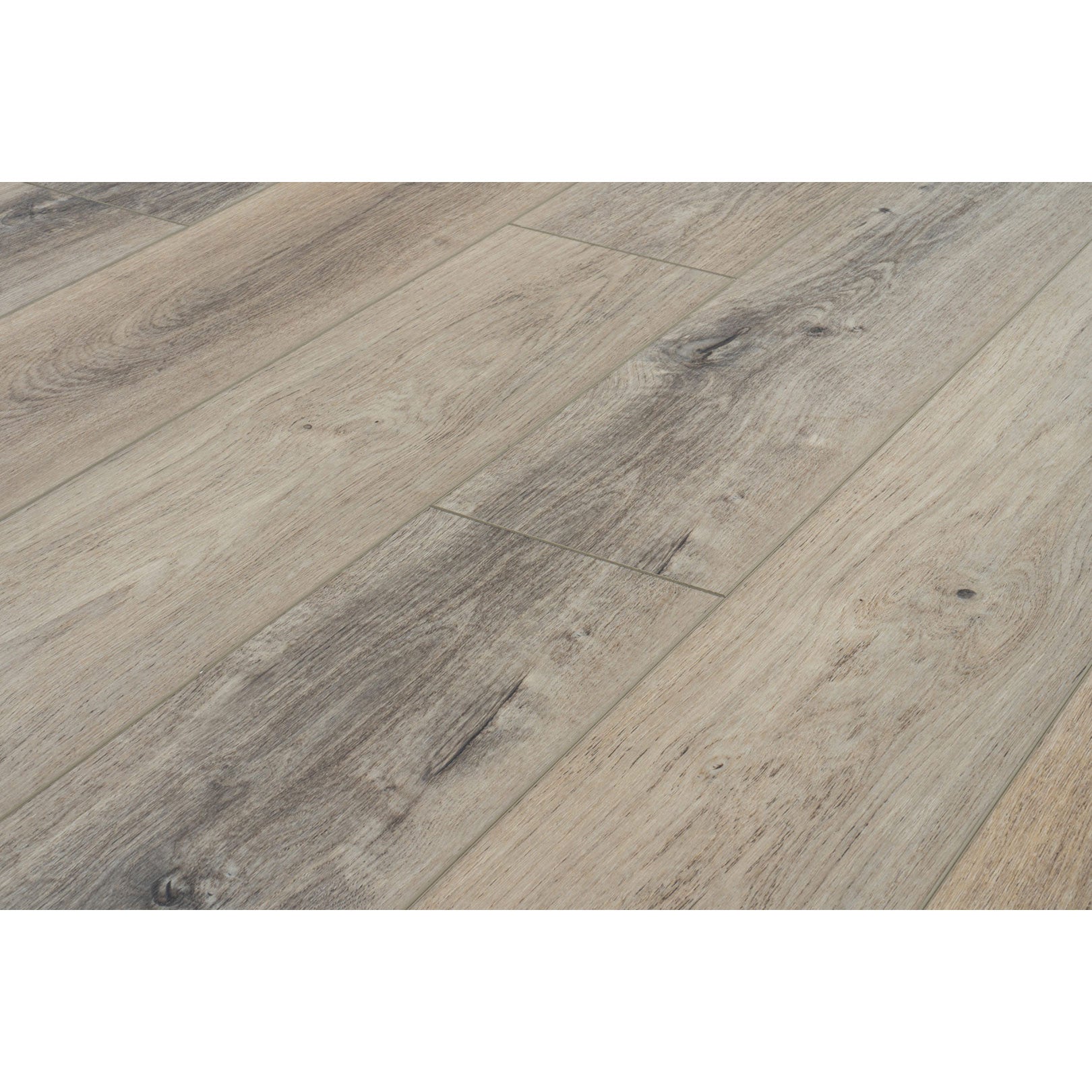
Linoleum Flooring at Menards: 2026 Technical Selection and Installation Guide
In 2026, Menards offers a diverse range of linoleum and resilient sheet flooring, primarily focusing on high-durability sheet vinyl and eco-friendly linoleum compositions from brands like Tarkett and Mohawk. Most products currently ran...
In 2026, Menards offers a diverse range of linoleum and resilient sheet flooring, primarily focusing on high-durability sheet vinyl and eco-friendly linoleum compositions from brands like Tarkett and Mohawk. Most products currently range from $0.95 to $4.50 per square foot, featuring advanced antimicrobial coatings and carbon-neutral manufacturing processes. Note: While "linoleum" is the common search term, the majority of the current Menards inventory consists of high-performance resilient sheet vinyl; this guide provides technical specifications for both traditional linoleum and modern synthetic alternatives found in-store.
Contents
Understanding the 2026 Resilient Flooring Market at Menards
As we move through 2026, the distinction between traditional linoleum and modern resilient sheet flooring has become a focal point for informed consumers. Menards remains a primary destination for these materials because of their regional logistics network and exclusive partnerships with manufacturers like Tarkett.
Traditional linoleum is composed of natural materials, including linseed oil, cork dust, wood flour, and rosin. It is inherently biodegradable and possesses natural antimicrobial properties. However, what most homeowners identify as "linoleum" at Menards is often high-grade Resilient Sheet Vinyl. This modern iteration uses multi-layer technology—including a backing layer, a high-definition print layer, and a clear wear layer—to provide superior moisture resistance and ease of maintenance compared to organic linoleum.
For 2026, Menards has expanded its "Green-Tier" selection, which includes linoleum-alternative products that utilize recycled content and low-VOC (Volatile Organic Compound) adhesives to meet stringent indoor air quality standards. When browsing the aisles or the online portal, technical depth is required to distinguish between felt-backed, fiberglass-backed, and heterogeneous vinyl options, each suited for specific subfloor conditions.
Technical Specifications and Material Composition
Choosing the right flooring requires an understanding of the wear layer and the backing system. The 2026 product lines at Menards have shifted toward fiberglass backing as the standard for DIY-friendly installations because it resists shrinking, cracking, and curling.
Wear Layer Thickness and Durability
The wear layer is the most critical component for longevity. In 2026, Menards categorizes its resilient flooring into three primary performance tiers:
- Residential Grade (10–15 Mils): Suitable for bedrooms and low-traffic areas. These are the most cost-effective options but are susceptible to punctures from heavy furniture.
- Performance Grade (20–25 Mils): The current 2026 "sweet spot" for kitchens and mudrooms. These products typically feature a urethane coating with ceramic bead technology for scratch resistance.
- Commercial/Professional Grade (30+ Mils): Often found in the Tarkett Pro lines at Menards, these are designed for high-traffic environments and are often used in light commercial applications or rental properties where durability is the priority.
Backing Systems: Fiberglass vs. Felt
The backing determines how the floor interacts with the subfloor and the adhesive.
- Fiberglass Backing: This is the dominant choice in 2026. It allows for "loose-lay" or "perimeter-bond" installation, meaning you don't necessarily have to glue the entire floor down. It is dimensionally stable and won't expand or contract with humidity.
- Felt Backing: While becoming less common, felt-backed linoleum is still available for traditionalists. It requires a full-spread adhesive application and is more permanent. It provides a slightly softer feel underfoot but is more prone to moisture damage from the subfloor.
2026 Pricing and Availability Comparison Table
The following table outlines the current 2026 market rates and specifications for flooring categories available at Menards. Prices are subject to local fluctuations but represent the national average for the current fiscal year.
| Flooring Category | Material Type | Price per Sq. Ft. (2026) | Typical Wear Layer | Installation Method |
|---|---|---|---|---|
| Basic Sheet Vinyl | Heterogeneous Vinyl | $0.95 - $1.60 | 10 - 12 Mils | Full Spread Adhesive |
| Premium Resilient | Fiberglass Sheet | $1.75 - $2.90 | 20 - 25 Mils | Perimeter or Loose Lay |
| Eco-Linoleum | Bio-based / Linseed | $3.50 - $4.50 | N/A (Homogeneous) | Full Spread Adhesive |
| Commercial Sheet | Tarkett Pro Series | $3.00 - $5.25 | 30+ Mils | Full Spread / Heat Weld |
| Mastercraft Value | Budget Sheet Vinyl | $0.85 - $1.20 | 8 - 10 Mils | Full Spread Adhesive |
Detailed Installation Guide for Menards Linoleum Products
Installing linoleum or resilient sheet flooring in 2026 has been simplified by the advent of pressure-sensitive adhesives and high-stability fiberglass cores. Follow this professional-grade workflow to ensure a valid warranty and a 20-year lifespan.
Phase 1: Subfloor Preparation
The most common cause of flooring failure is improper subfloor preparation. Linoleum is a "telegraphing" material, meaning any imperfection in the subfloor will eventually show through the surface.
- Moisture Testing: For concrete subfloors, use a calcium chloride test or an electronic moisture meter. In 2026, most manufacturers require a moisture vapor emission rate (MVER) of less than 5 lbs per 1,000 sq. ft. per 24 hours.
- Leveling: Use a high-quality floor leveler (available in the Menards flooring department under the Mastercraft or TEC brands) to fill cracks and dips.
- Underlayment: For wooden subfloors, a 1/4-inch Lauan or birch plywood underlayment is highly recommended. Ensure all staples or screws are countersunk and the seams are filled with a specialized patch compound.
Phase 2: Acclimation and Cutting
Materials must acclimate to the environment for at least 48 hours. The room temperature should be maintained between 65°F and 85°F.
- The Template Method: For complex bathrooms, use heavy craft paper to create a 1:1 template of the floor. Lay the paper down, cut around the vanity and toilet flange, then transfer this template to the linoleum sheet in a larger staging area (like a garage or basement).
- The Over-Cut: When cutting without a template, always leave 2-3 inches of "extra" material around the perimeter to allow for final trimming.
Phase 3: Adhesive Application
In 2026, "Releasable" pressure-sensitive adhesives are the industry standard for residential fiberglass-backed sheet flooring.
- Full Spread: Apply the adhesive using a 1/16" x 1/16" x 1/16" U-notch trowel. Wait for the adhesive to become "tacky" (it should not transfer to your finger when touched) before laying the flooring.
- Rolling: After laying the sheet, use a 75-lb or 100-lb floor roller, starting from the center and moving toward the edges. This removes trapped air and ensures a 100% bond.
Maintenance and Care in the Modern Home
The 2026 generation of linoleum and vinyl at Menards features "No-Wax" finishes. However, maintaining the integrity of the wear layer is vital for long-term aesthetics.
Professional Cleaning Protocol for 2026
Daily Maintenance and Dust Control Use a microfiber dust mop daily to remove grit and sand. Small particles act like sandpaper underfoot and will eventually dull the urethane wear layer. Avoid using vacuum cleaners with beater bars, as these can scratch the surface.
Chemical Compatibility Only use pH-neutral cleaners. In 2026, most Menards locations stock specialized cleaners that do not leave a film. Avoid "mop and shine" products, which create a wax buildup that attracts dirt and eventually requires chemical stripping.
Spill Management While linoleum is moisture-resistant, it is not "flood-proof." Spills near seams should be dried immediately. If water gets under the material, it can lead to adhesive failure and mold growth within the subfloor underlayment.
Pros and Cons of Menards Linoleum Options
Advantages
- Cost-Efficiency: It remains the most affordable way to cover large square footages compared to tile or hardwood.
- Comfort: Resilient flooring provides a "give" that is easier on the joints during long periods of standing, such as in a kitchen.
- Thermal Properties: Linoleum is naturally warmer to the touch than ceramic tile and is compatible with certain radiant heating systems (check manufacturer specs for 2026 compatibility).
- Water Resistance: Modern fiberglass-backed sheets are nearly impervious to surface water, making them ideal for laundry rooms.
Disadvantages
- Puncture Risk: High heels and heavy appliances can dent or tear the material if not protected by floor protectors.
- Subfloor Sensitivity: Requires a much smoother subfloor than Luxury Vinyl Plank (LVP) or laminate.
- Permanent Installation: Unlike floating floors, most Menards sheet products are glued down, making them more difficult to remove in future renovations.
FAQs: Expert Advice for Menards Shoppers
Is linoleum the same thing as vinyl?
Technically, no, though the terms are used interchangeably at many retail outlets. Linoleum is a natural product made from linseed oil and cork, while vinyl is a synthetic plastic (PVC) product. In 2026, most "linoleum" sold at Menards is actually high-performance sheet vinyl, which offers better moisture protection than traditional linoleum.
Can I install new linoleum over my old linoleum?
Yes, provided the existing floor is a single layer, non-cushioned, and fully adhered to the subfloor. You must use an embossing leveler to fill the texture of the old floor; otherwise, the pattern of the old floor will "telegraph" through to the new surface within a few months.
How do I fix a tear in my Menards sheet flooring?
For 2026 products, a "double-cut" repair is the professional standard. Take a scrap piece of the original flooring, align the pattern over the torn area, and cut through both layers with a sharp utility knife. Remove the damaged piece, apply adhesive to the subfloor, and insert the new patch. Use a seam sealer (available at the Menards checkout) to fuse the edges.
What is the lifespan of Menards' Tarkett lines in 2026?
When installed correctly with a 20-mil wear layer or higher, you can expect a 20-to-25-year lifespan. Budget-tier products (10-mil) typically last 7 to 10 years in medium-traffic households before showing signs of pattern wear.
Does Menards offer installation services for flooring?
Menards generally operates as a supplier and does not provide in-house installation crews. However, most stores maintain a "Contractor Referral" board or kiosk where you can find local, vetted installers who specialize in resilient sheet goods and are familiar with Menards' 2026 product catalog.
Strategic Recommendation for 2026
For the best balance of value and durability in 2026, we recommend the Fiberglass-Backed Sheet Vinyl with a 20+ Mil Wear Layer. This category provides the easiest DIY installation due to its dimensional stability and offers a lifespan that rivals much more expensive materials. If sustainability is your primary driver, look specifically for the Homogeneous Bio-based lines, which utilize natural resins and offer a through-body color that hides scratches more effectively than printed vinyl.
Always verify your square footage and add a 10% waste factor for rooms with complex angles. Before leaving the store, ensure that multiple rolls of sheet goods share the same "Batch Number" or "Run Number" to guarantee an exact color match across your entire floor.
Image Gallery