The FBI’s Transition to Greenbelt: Status and Impact of the New Headquarters in 2026
The Federal Bureau of Investigation (FBI) is officially relocating its headquarters from the aging J. Edgar Hoover Building in Washington, D.C., to a modern, consolidated campus in Greenbelt, Maryland. As of 2026, the project is transi...
The Federal Bureau of Investigation (FBI) is officially relocating its headquarters from the aging J. Edgar Hoover Building in Washington, D.C., to a modern, consolidated campus in Greenbelt, Maryland. As of 2026, the project is transitioning from preliminary site preparation into advanced infrastructure development, representing one of the largest federal construction projects in United States history.
Contents
The Road to Greenbelt: Finalizing the Site Selection
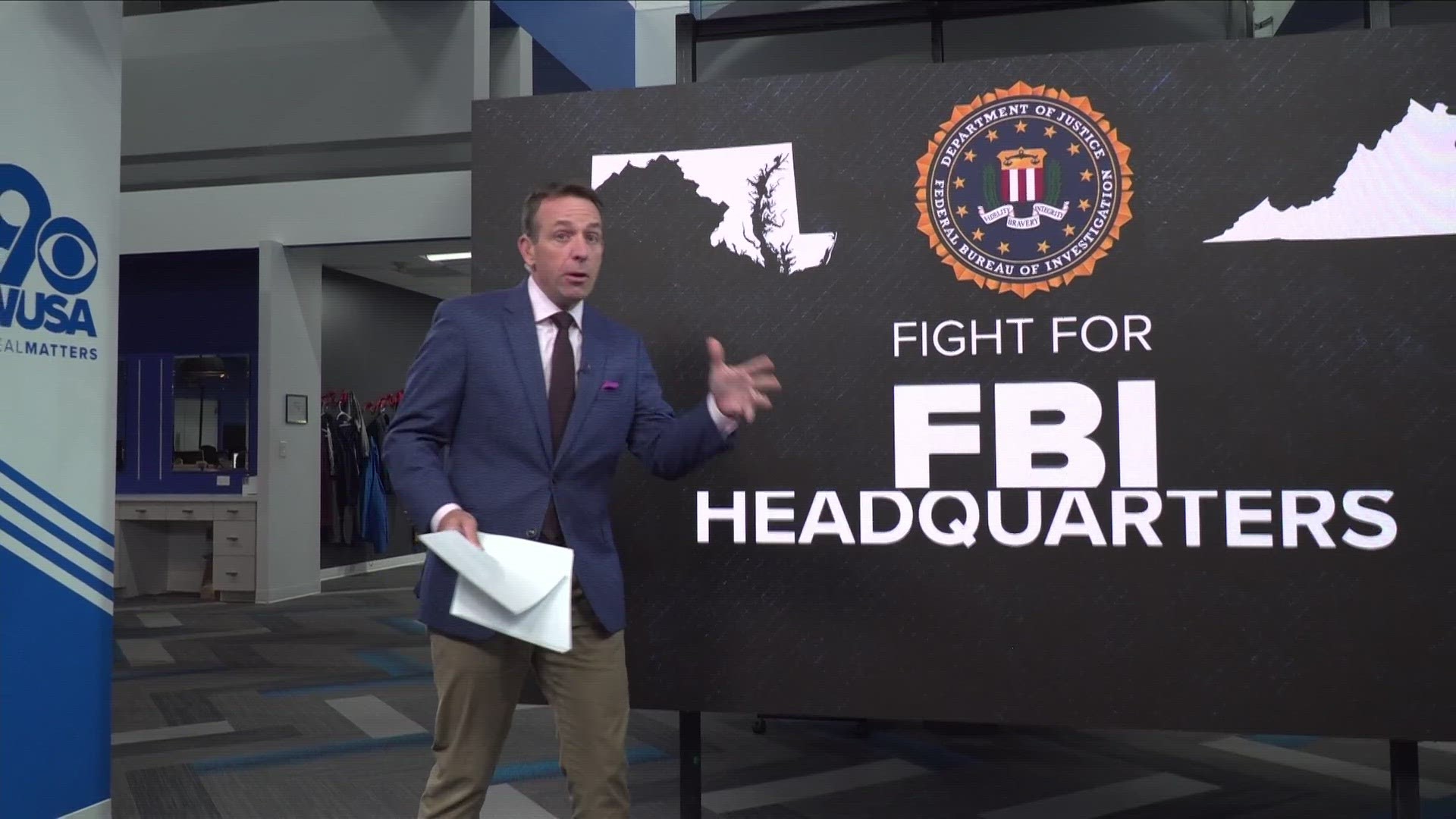
The decision to move the FBI headquarters has been a subject of intense debate for over a decade. The General Services Administration (GSA) officially selected Greenbelt, Maryland, as the site for the new multi-billion-dollar campus after an exhaustive evaluation process that compared sites in Springfield, Virginia, and Landover, Maryland. By 2026, the selection has been codified through rigorous environmental impact statements and federal appropriations, signaling a permanent shift in the federal footprint within the National Capital Region.
The selection process was governed by several key criteria established by the GSA and the FBI. These included proximity to the FBI Academy in Quantico, Virginia, accessibility via public transportation, the cost of land acquisition, and the potential for regional economic equity. Greenbelt emerged as the winner primarily due to its shovel-ready status, its immediate proximity to the Greenbelt Metro and MARC station, and the federal government's commitment to investing in underserved communities.
Prince George’s County, where Greenbelt is located, has long advocated for the move, arguing that the county has historically been overlooked for major federal headquarters compared to Northern Virginia or Montgomery County, Maryland. In 2026, this move is viewed not just as a logistical necessity for the FBI, but as a cornerstone of regional economic policy designed to balance federal investment across the Potomac River.
Why the FBI is Leaving the J. Edgar Hoover Building
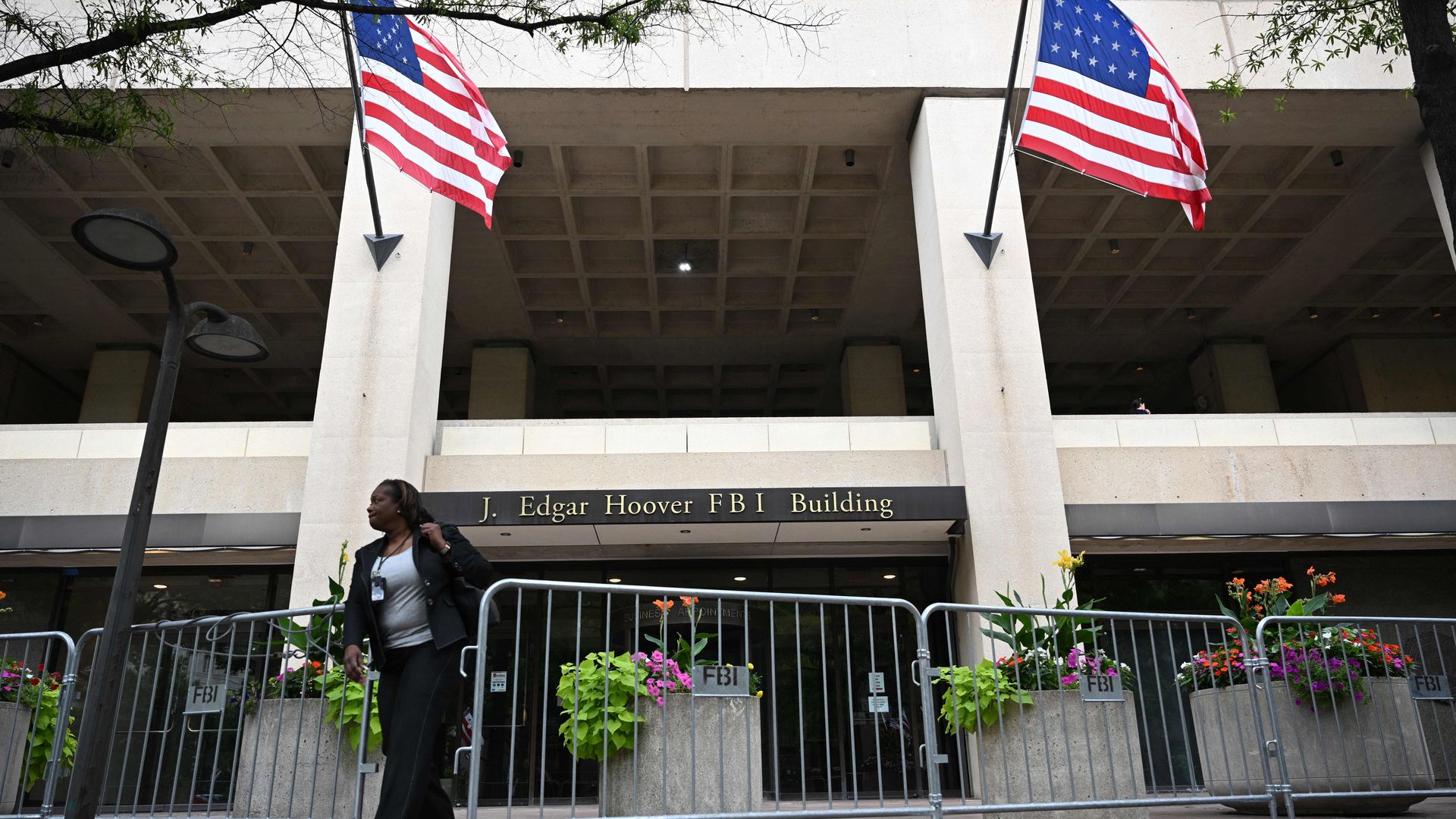
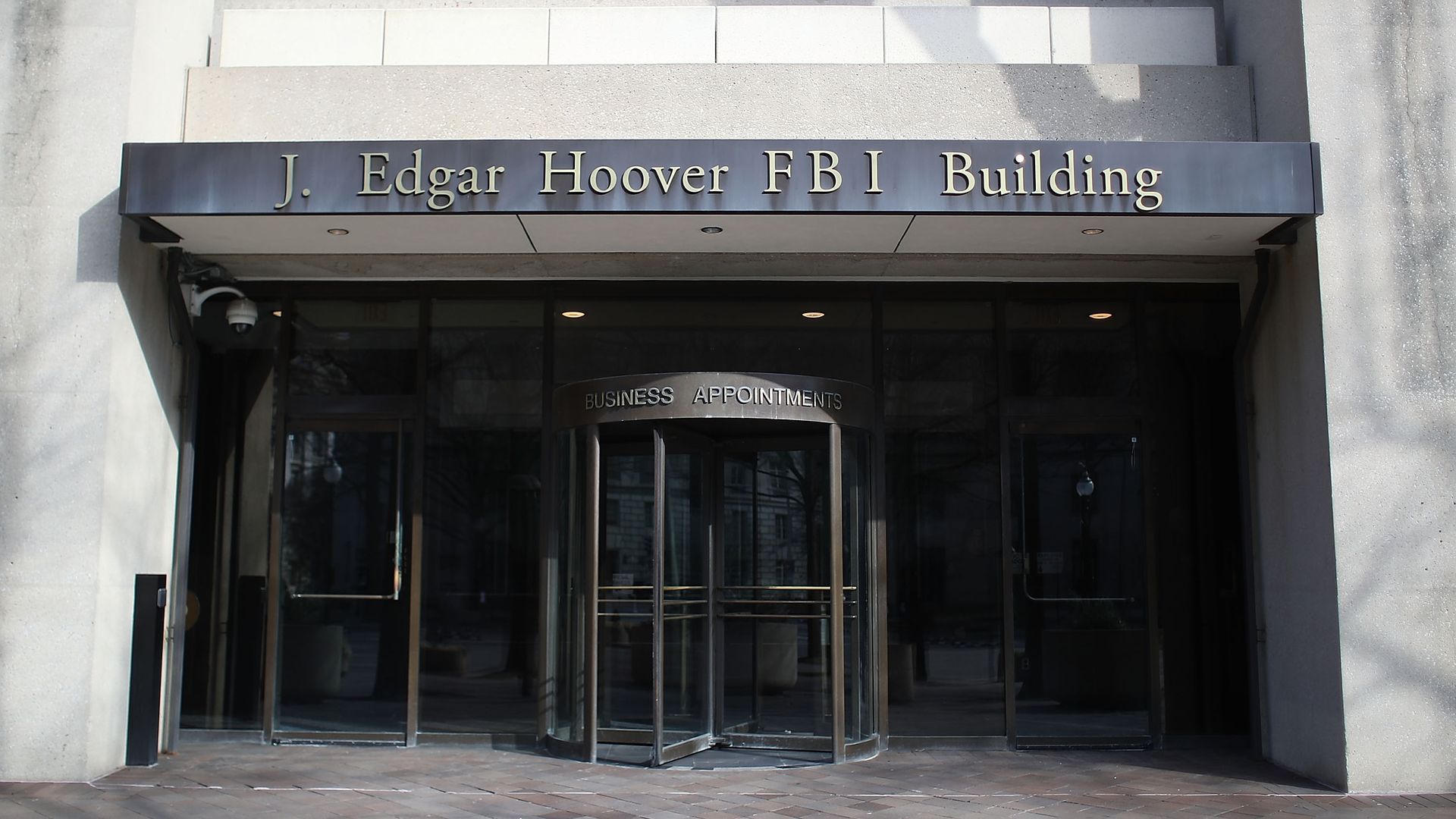
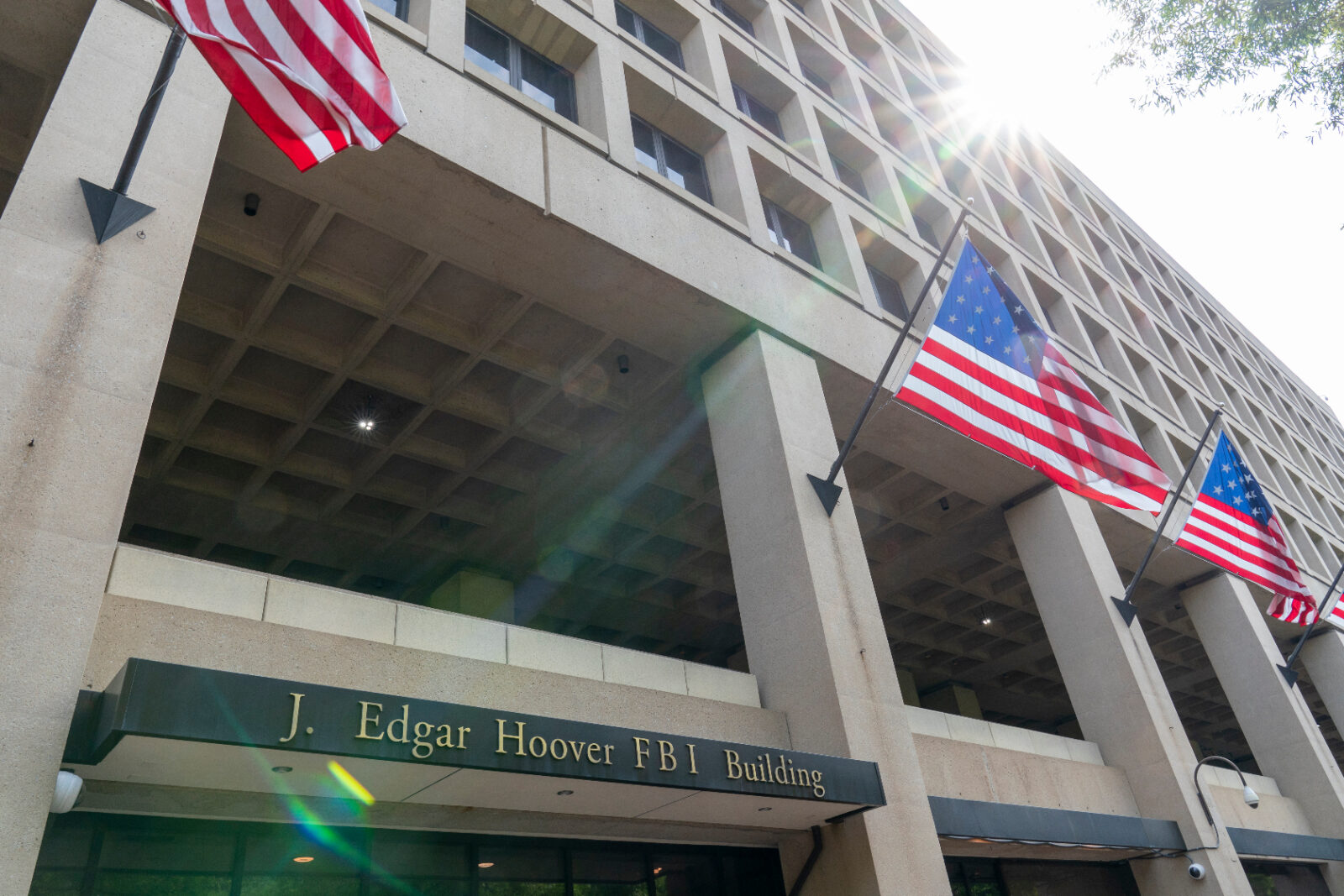
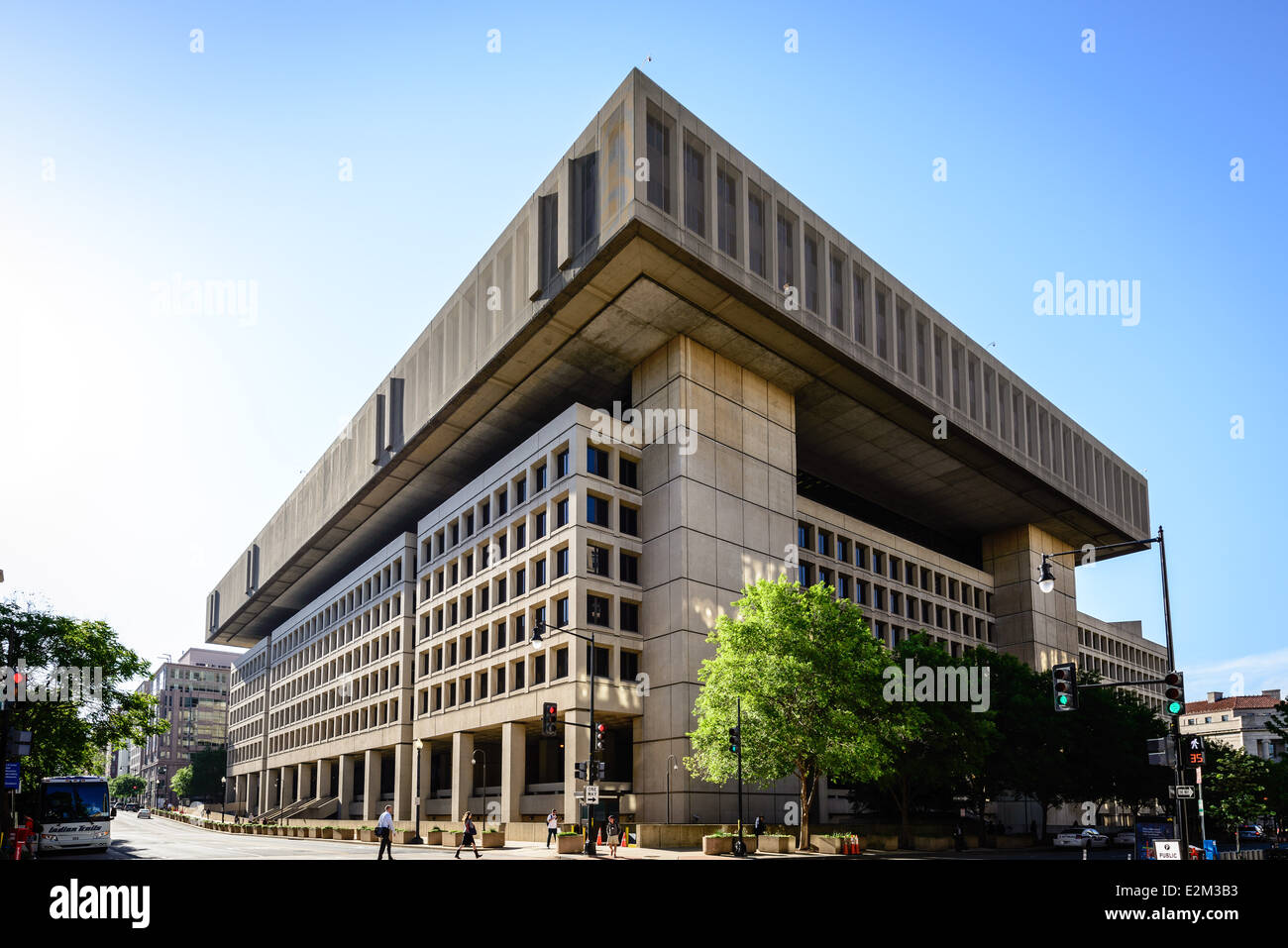
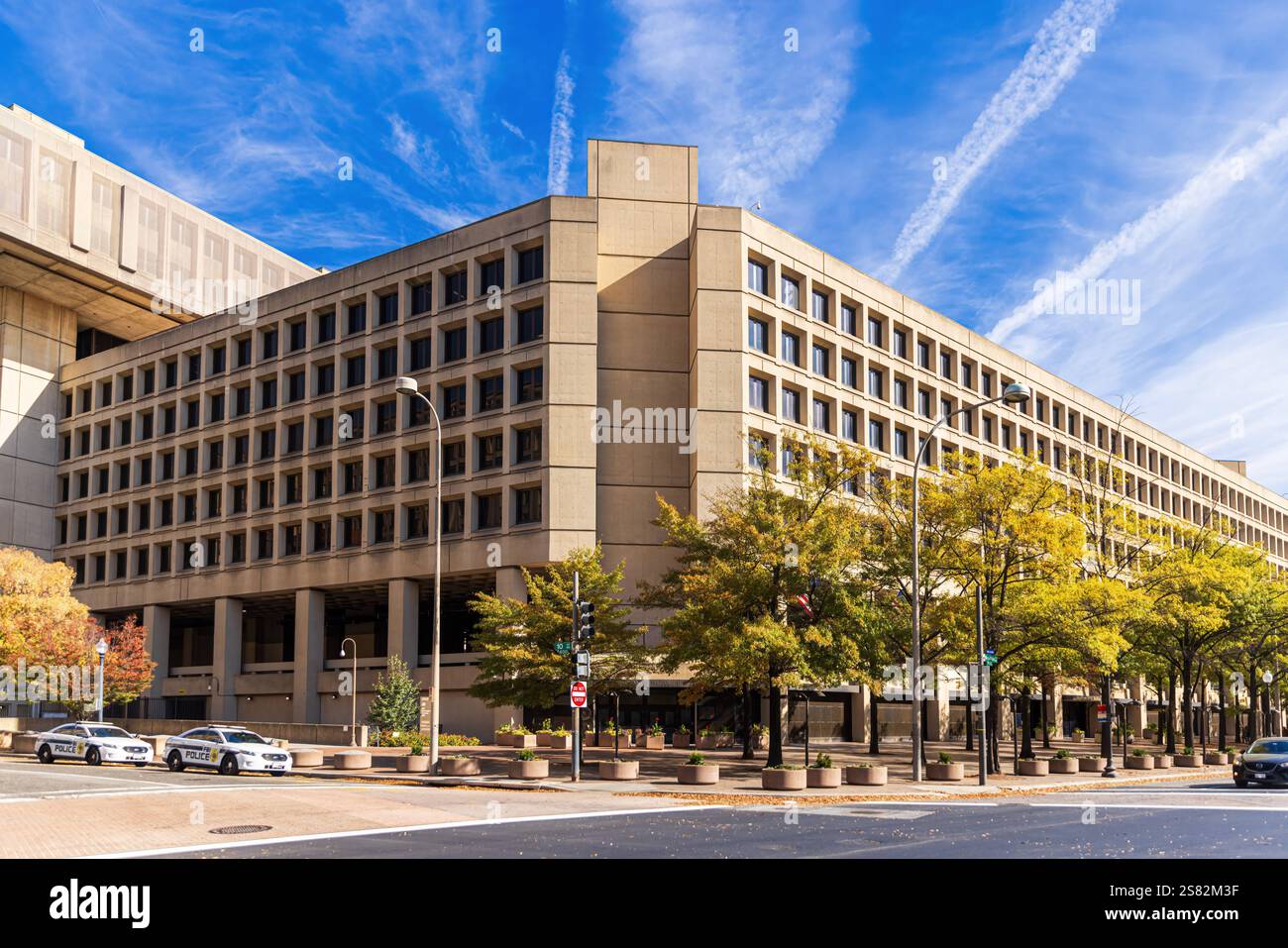
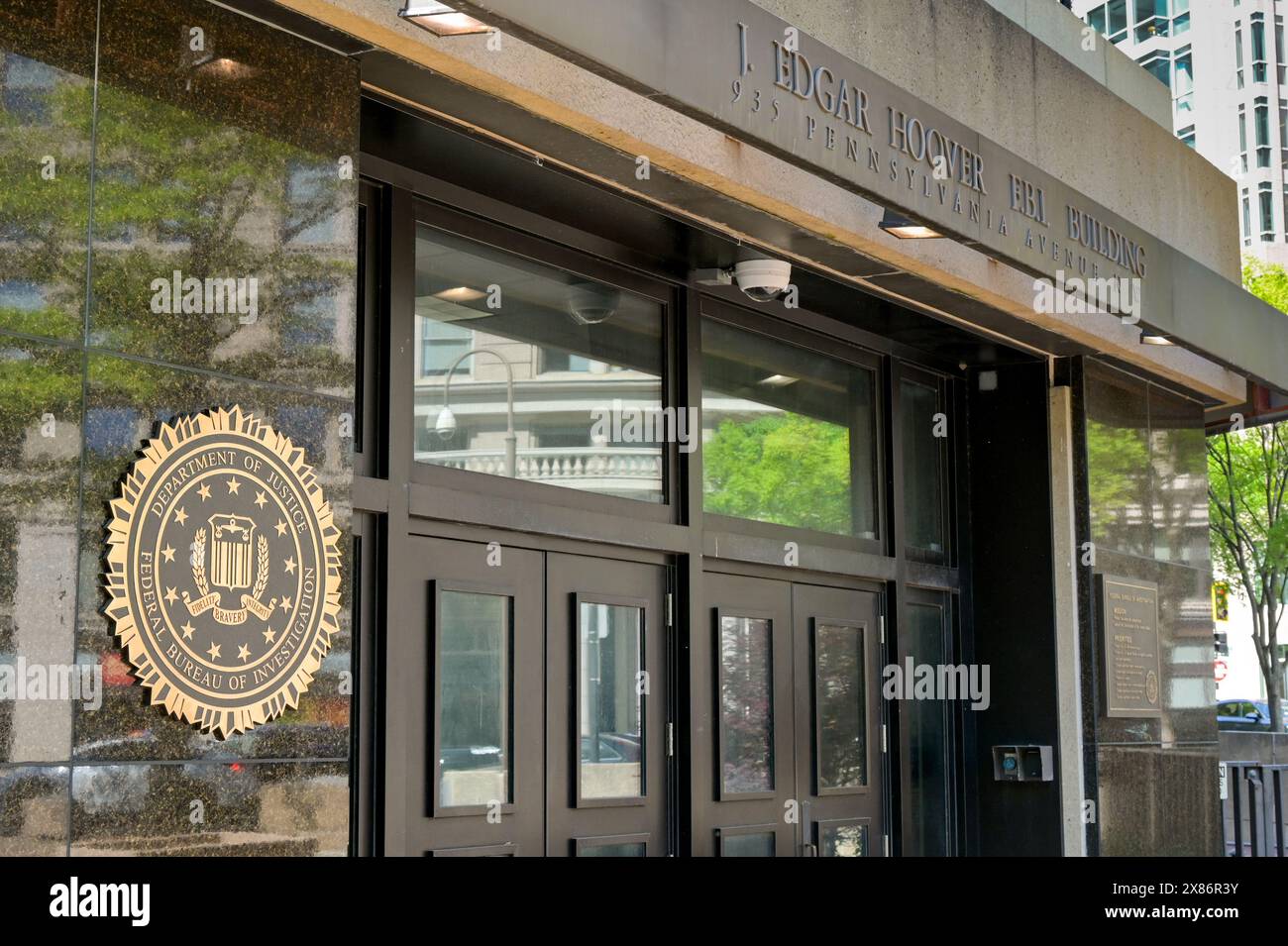
The necessity for the move stems from the catastrophic state of the current headquarters. The J. Edgar Hoover Building, located at 935 Pennsylvania Avenue NW, has been the home of the FBI since 1974. However, by the early 2020s, the Brutalist-style structure had reached a state of advanced deterioration.
Structural Failures and Safety Concerns The Hoover Building has suffered from crumbling concrete, outdated electrical systems, and plumbing failures. Netting had to be installed around the exterior of the building in previous years to prevent pieces of the facade from falling onto the sidewalk below. Internally, the building lacks the ceiling height and floor-plan flexibility required to house modern server farms and high-tech forensic laboratories.
Space Fragmentation Currently, the FBI's workforce is fragmented across multiple "plug-out" spaces throughout the Washington metropolitan area because the Hoover Building cannot accommodate the Bureau’s expanded post-9/11 mission. This fragmentation creates significant operational inefficiencies and security vulnerabilities. The move to a consolidated campus in Greenbelt allows the Bureau to bring its core divisions—including cyber-security, counterterrorism, and criminal investigation—under a single, secure roof.
Specifications of the New Greenbelt Campus
The new headquarters in Greenbelt is designed to be a "Class A" high-security facility that meets the rigorous demands of 21st-century intelligence and law enforcement. As construction planning reaches its zenith in 2026, the technical specifications of the site highlight a drastic upgrade in both capability and sustainability.
Security and Technological Infrastructure
Unlike the Hoover Building, which sits directly on a busy city street with minimal setback, the Greenbelt campus offers a 61-acre secure perimeter. This allows for significant "blast stand-off" distances, advanced checkpoints, and sophisticated surveillance integration. The facility is being built to withstand modern physical and cyber threats, featuring specialized Secure Compartmented Information Facilities (SCIFs) that far exceed the capacity of the current headquarters.
The technological backbone of the new HQ is designed for high-performance computing. With the FBI’s increasing reliance on big data analytics and artificial intelligence, the Greenbelt site includes dedicated data centers with redundant power grids and advanced cooling systems, ensuring that the Bureau’s digital infrastructure remains operational under any circumstances.
Environmental Impact and Sustainability
The federal government has mandated that the new headquarters serve as a model for green building practices. The project targets LEED Gold or Platinum certification. Key features include:
- Stormwater Management: Innovative bioswales and permeable surfaces to protect the local Maryland watershed.
- Energy Efficiency: Solar arrays and geothermal heating/cooling systems to reduce the building’s carbon footprint.
- Transit-Oriented Development: By placing the HQ adjacent to the Greenbelt Metro station, the GSA aims to maximize the use of public transit, reducing the number of daily vehicle trips on the already congested I-495 Capital Beltway.
Regional Economic and Infrastructure Impact
The relocation of approximately 7,500 federal employees to Prince George’s County is a transformative event for the local economy. In 2026, the ripple effects are already being felt in the real estate and commercial sectors.
Job Creation and Diversification Beyond the FBI personnel themselves, the move is expected to attract thousands of secondary jobs in government contracting, legal services, and cybersecurity. Local businesses in Greenbelt, College Park, and New Carrollton are seeing increased demand for services. The presence of the FBI is also fostering a "security corridor" in Maryland, bridging the gap between the National Security Agency (NSA) at Fort Meade and the various federal agencies in D.C.
Real Estate and Housing The demand for housing in northern Prince George’s County has surged. Property values in neighborhoods surrounding the Greenbelt Metro have seen steady appreciation as employees look for housing with short commutes. To manage this growth, local planners have implemented new zoning laws to encourage mixed-use developments, combining residential units with retail and dining options to create a vibrant "live-work-play" environment.
| Feature | J. Edgar Hoover Building (D.C.) | New Greenbelt HQ (Maryland) |
|---|---|---|
| Total Site Area | 6.7 Acres | ~61 Acres |
| Security Setback | Minimal (Sidewalk proximity) | High-Security Campus Perimeter |
| Transit Access | Metro Center/Gallery Place | Greenbelt Metro / MARC / I-495 |
| Employee Capacity | Fragmented across the region | Consolidated (7,500+ employees) |
| Building Status | Deteriorating / Obsolete | Modern / LEED Certified |
| Primary Style | Brutalist Architecture | Modern Sustainable Campus |
Timeline and Funding Status in 2026
As of 2026, the project has moved past the contentious site-selection phase and is currently in the heavy engineering and site-preparation stage. However, a project of this magnitude remains sensitive to the federal budget cycle and Congressional oversight.
The GSA has established a multi-phase timeline:
- Phase 1 (Completed): Site selection and initial Environmental Impact Statement (EIS).
- Phase 2 (2025–2026): Master planning, final design specifications, and initial site grading. This phase includes the relocation of existing utilities and the improvement of road access from the Beltway.
- Phase 3 (2027–2029): Vertical construction of the main office towers and specialized laboratory facilities.
- Phase 4 (2030+): Full Bureau migration and decommissioning of the Hoover Building.
Congressional funding remains the most critical variable. While the initial billions have been authorized, annual appropriations are required to keep the construction on schedule. In 2026, budget committees are closely monitoring the project to ensure it stays within its projected cost margins, particularly given the inflationary pressures on raw construction materials like steel and specialized glass.
Logistics and Transportation Adjustments
One of the primary concerns for FBI employees currently living in Virginia or the District of Columbia is the change in their daily commute. To mitigate this, the GSA and the Washington Metropolitan Area Transit Authority (WMATA) are coordinating service enhancements for the Green Line.
Plans are underway to increase the frequency of trains during peak hours and to improve the "last mile" connectivity between the Metro station and the secure campus entrance. Additionally, the Maryland Department of Transportation (MDOT) is fast-tracking improvements to the I-495/I-95 interchange at Greenbelt to handle the anticipated increase in vehicular traffic. For employees traveling from the FBI Academy, specialized shuttle services and MARC train coordination are being prioritized to ensure that the Maryland-Virginia connection remains seamless.
Frequently Asked Questions
Where exactly will the new FBI headquarters be located?
The new headquarters will be built on a 61-acre site at the Greenbelt Metro Station in Prince George's County, Maryland. This site was formerly used for surface parking and is situated near the intersection of the Capital Beltway (I-495) and the Baltimore-Washington Parkway.
What will happen to the J. Edgar Hoover Building in D.C.?
As of 2026, the future of the Hoover Building remains under discussion. Proposals range from total demolition to make way for a mixed-use commercial and residential "Pennsylvania Avenue" revitalization project, to a complete gut-renovation for other federal agencies. However, the prevailing sentiment favors demolition due to the building's inefficient design and high maintenance costs.
Why was Greenbelt chosen over the Springfield, Virginia site?
The GSA selected Greenbelt based on a scoring system that prioritized cost-effectiveness and land availability. Additionally, the Greenbelt site offered better access to public transit (the Metro) and aligned with federal goals to promote economic equity by investing in Prince George’s County, which has a lower density of federal headquarters than Northern Virginia.
When will the FBI fully move out of Washington, D.C.?
While site preparation is well underway in 2026, the full transition of the FBI workforce is not expected until the early 2030s. Large-scale federal moves of this complexity are typically executed in phases to ensure that national security operations are never interrupted.
How much will the new FBI headquarters cost?
Current estimates for the total project cost range between $3 billion and $4 billion, covering land acquisition, environmental remediation, high-security construction, and specialized technological infrastructure. These figures are subject to adjustment based on Congressional appropriations and construction market conditions.
Next Actions and Recommendations
For those impacted by the FBI’s move, several practical steps should be taken as the project progresses through 2026:
- For Federal Employees: Monitor internal Bureau communications regarding the "Workplace Transformation" initiatives. Employees should evaluate their commuting options early, as the transition to the Green Line and MARC systems will be central to the new campus logistics.
- For Local Residents and Investors: Review the Prince George’s County Planning Department updates regarding the Greenbelt Metro Area and the "Sector Plan." This document outlines future zoning changes and infrastructure projects related to the FBI move.
- For Contractors: Stay updated with GSA’s SAM.gov portal for upcoming procurement opportunities related to site security, facility management, and IT infrastructure for the new campus.
- For the Public: Follow official updates from the General Services Administration (GSA) for the most accurate information on construction milestones and environmental mitigation efforts.
The move to Greenbelt represents a generational shift in federal law enforcement operations. By moving from a decaying monument of the past to a high-tech campus of the future, the FBI aims to enhance its operational capabilities while providing a more sustainable and secure environment for its workforce.
Image Gallery