Understanding the Conversion of Term Life Insurance to Whole Life
Turning a term life insurance policy into a whole life policy means exercising a conversion privilege to transition from temporary coverage to permanent protection. This process allows you to secure a whole life policy without undergoi...
Turning a term life insurance policy into a whole life policy means exercising a conversion privilege to transition from temporary coverage to permanent protection. This process allows you to secure a whole life policy without undergoing a new medical examination or providing "evidence of insurability," effectively locking in permanent coverage regardless of your current health status.
Contents
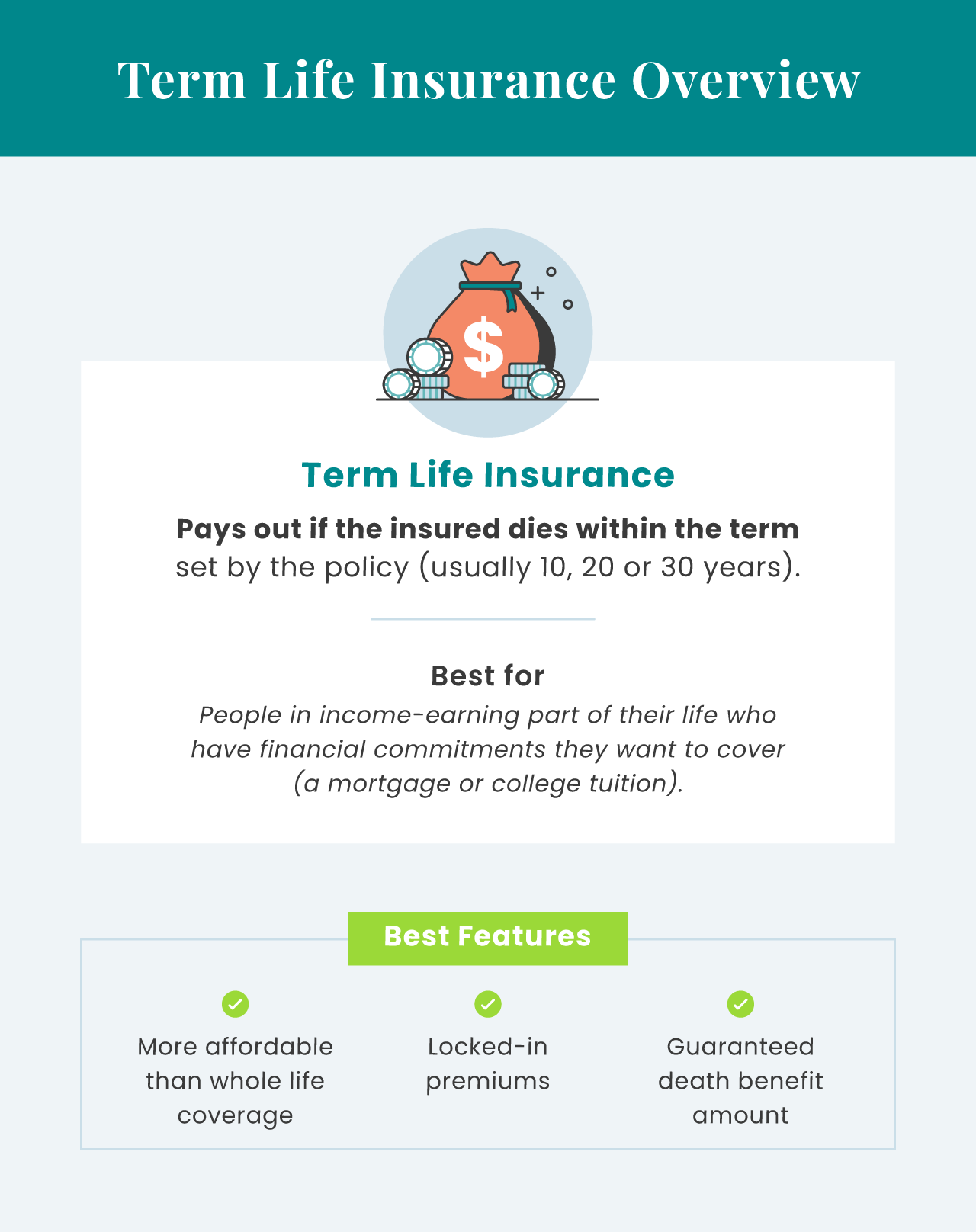
Life insurance is a foundational component of financial planning, but the type of coverage you need often shifts as you move through different stages of life. While term life insurance is designed to provide high levels of protection for a specific period—typically 10, 20, or 30 years—whole life insurance is a permanent solution that lasts your entire lifetime and includes a savings component known as cash value.
In 2026, many policyholders are looking at conversion as a strategic tool to manage long-term estate planning or to ensure they remain insured even if their health has declined. Understanding the mechanics, costs, and strategic advantages of this transition is essential for making an informed financial decision.
The Mechanics of a Term-to-Whole Conversion
The ability to "turn" or convert a policy is not a universal feature of all life insurance, but it is a standard rider or provision in many term life contracts. This provision is officially known as a Conversion Rider.
The Guaranteed Insurability Advantage
The primary technical benefit of a conversion is the waiver of a medical exam. Normally, if you were to apply for a new whole life policy, the insurance company would evaluate your health, lifestyle, and family history to determine your premium. If you have developed a chronic illness, gained weight, or started taking certain medications since you first bought your term policy, a new application could result in much higher premiums or even a denial of coverage.
When you convert, the insurer must issue the new whole life policy at the same underwriting class (risk category) you were assigned when you originally purchased the term policy. For example, if you were "Preferred Best" at age 30, you can convert to a whole life policy at age 55 and still be treated as "Preferred Best," even if your health has changed.
The Conversion Window
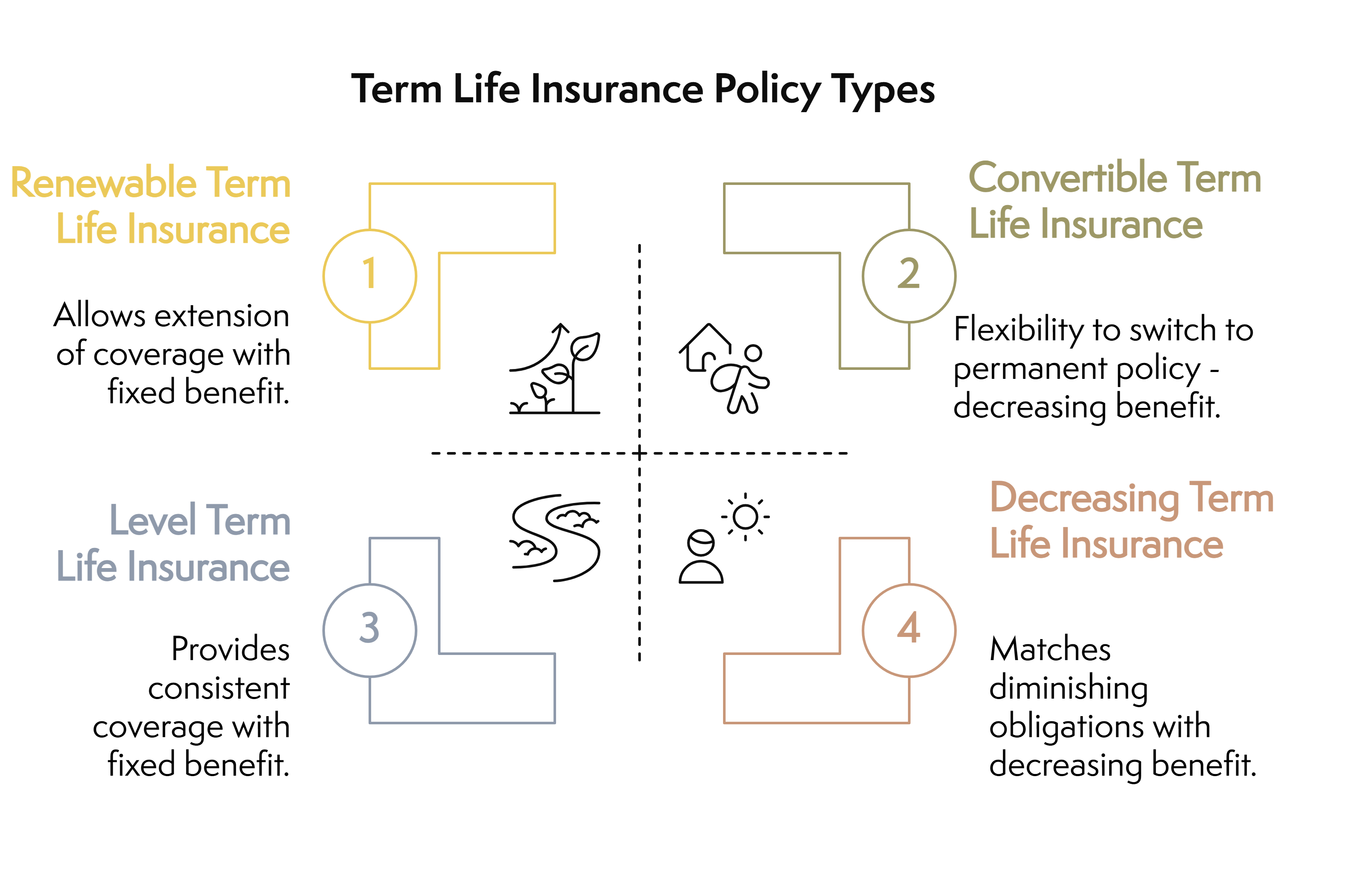
Conversions are subject to specific timeframes. You cannot wait until the very last day of your term policy to make the switch. Most carriers impose a conversion deadline, which is usually the earlier of two dates:
- The end of the initial term period (e.g., the end of year 20 on a 20-year term).
- A specific age reached by the policyholder, commonly age 65 or 70.
It is vital to review your policy documents to identify your specific "conversion expiry date." Missing this window means you lose the right to convert without a medical exam.
Why Policyholders Choose to Convert
The transition from term to whole life is a significant financial shift. While term insurance is often called "pure protection" because it only pays a death benefit, whole life is a complex financial instrument.
Permanent Estate Planning Needs
As of 2026, estate taxes and legacy planning remain a primary driver for conversions. If you have a large estate or a business you wish to pass on to heirs, a term policy might expire before the transition occurs. Whole life insurance provides the liquidity needed to pay estate taxes or equalize an inheritance among siblings, ensuring the death benefit is there whenever the passing occurs.
Cash Value Accumulation
Whole life insurance includes a cash value component that grows over time on a tax-deferred basis. A portion of every premium payment is directed into this account. Once enough cash value has built up, you can:
- Take a policy loan: Borrow against the cash value for emergencies or opportunities.
- Withdraw funds: Access cash for retirement or major purchases.
- Surrender the policy: End the coverage and receive the accumulated cash value minus fees.
Providing for Dependents with Special Needs
For families with children or adults who have special needs, life insurance is often required for the entirety of the dependent’s life, not just for a 20-year window. Converting to a permanent policy ensures that funding for a special needs trust will be available regardless of when the primary provider passes away.
The Cost Implications of Conversion
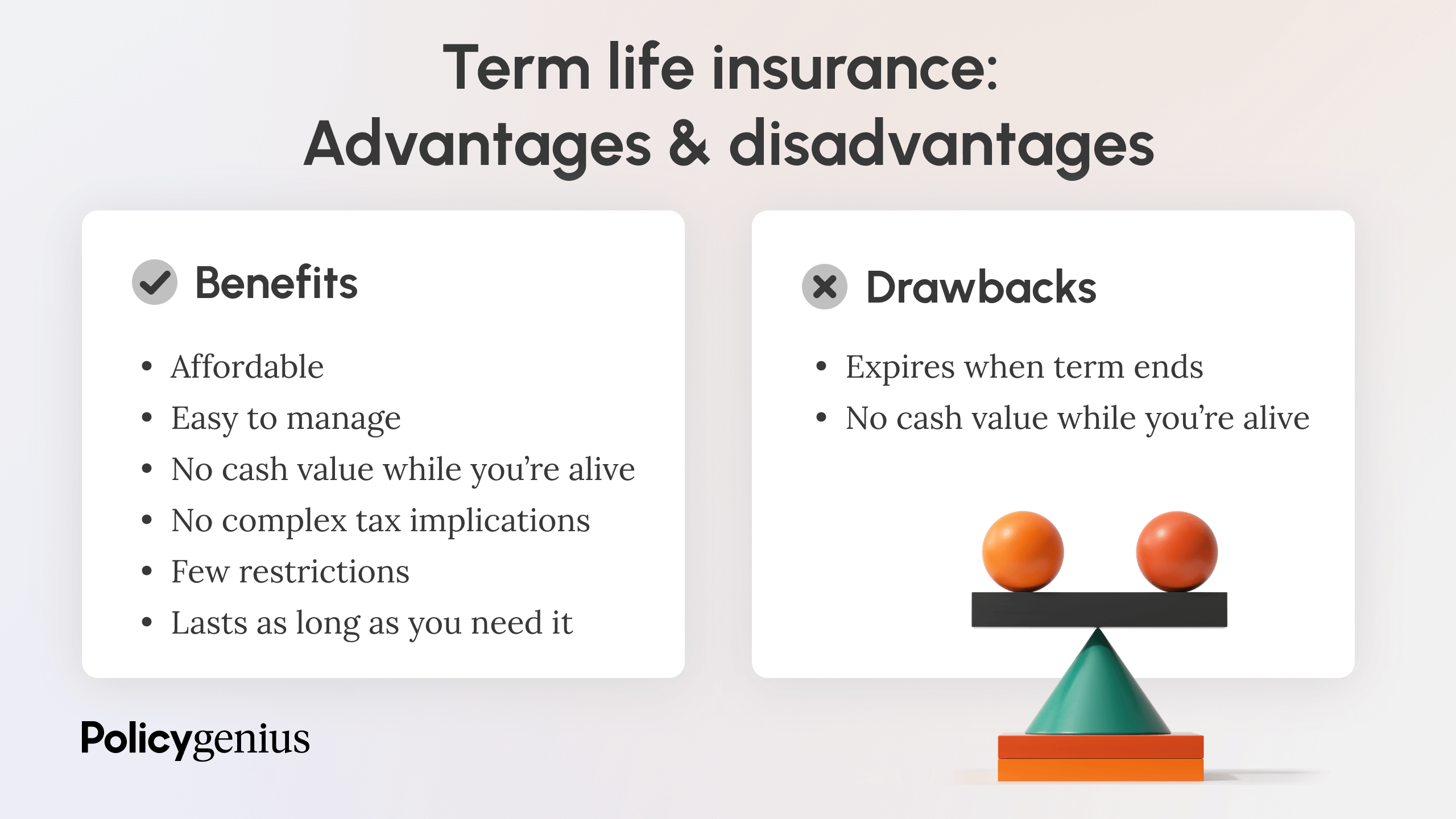
While the underwriting class remains the same, the premium amount will change significantly. Whole life insurance is substantially more expensive than term life for two reasons: the coverage is guaranteed for life, and a portion of the premium funds the cash value.
Calculating the New Premium
The premium for the new whole life policy will be based on your attained age at the time of conversion. If you convert a policy at age 50 that you originally bought at age 30, the insurance company will calculate the whole life rates for a 50-year-old. Because you are older and the policy is permanent, expect the premium to be anywhere from five to ten times higher than your original term premium.
Conversion Credits
To encourage policyholders to stay with the same company, some insurers offer conversion credits. This is essentially a discount or a refund of a portion of the term premiums you paid during the previous year (or a specific period), which is then applied toward the first year's premium of the new whole life policy.
Partial Conversions
You do not have to convert the entire face amount of your term policy. If you have a $1,000,000 term policy, you might choose to convert $250,000 into whole life to cover final expenses and leave the remaining $750,000 as term coverage (provided the term period hasn't ended). This is an effective way to manage the higher costs of permanent insurance while still maintaining a high death benefit.
Comparison: Term Life vs. Converted Whole Life
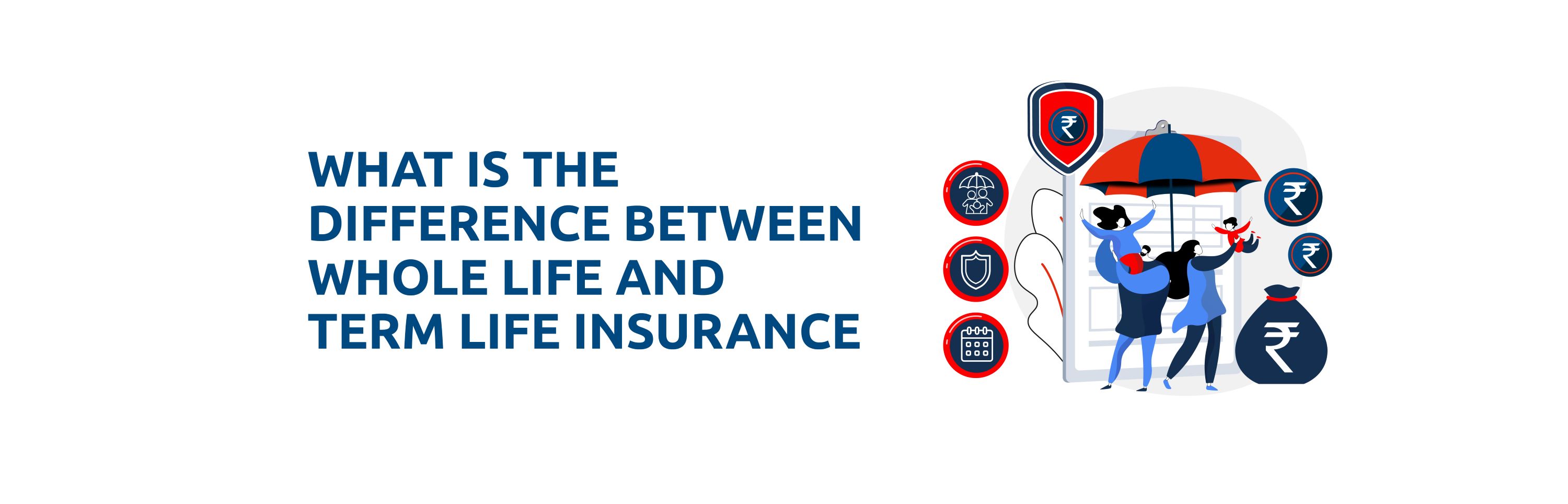
The following table outlines the fundamental differences you will experience once the conversion is complete.
| Feature | Term Life Insurance (Pre-Conversion) | Whole Life Insurance (Post-Conversion) |
|---|---|---|
| Duration | Temporary (10–30 years) | Permanent (Life of the insured) |
| Premiums | Low and level | High and level |
| Cash Value | None | Guaranteed growth over time |
| Medical Exam | Required at initial application | Not required for conversion |
| Dividends | Generally not applicable | May earn dividends (if mutual company) |
| Policy Loans | Not available | Available once cash value accumulates |
| Death Benefit | Fixed for the term | Guaranteed; may increase with dividends |
Step-by-Step Process to Convert Your Policy
If you are considering "turning" your policy, follow these steps to ensure a smooth transition:
- Request a Conversion Illustration: Contact your insurance agent or the carrier's customer service department. Ask for an "in-force illustration" that shows exactly how much the whole life premiums will be and how the cash value will grow over the next 20 to 30 years.
- Verify the Product Options: You generally cannot choose any whole life policy on the market. You are restricted to the permanent products the carrier currently offers for conversion. Ensure the available products meet your financial goals (e.g., look for "participating" policies if you want to earn dividends).
- Analyze the Deadline: Confirm that you are still within the conversion window. In 2026, most digital portals for insurers like Prudential or New York Life allow you to view your "Conversion Privilege" details online.
- Decide on the Face Amount: Determine if you need to convert the full amount or just a portion. This decision should be based on your current budget and your long-term debt (e.g., if your mortgage is paid off, you may need less coverage).
- Submit the Conversion Form: Unlike a new application, this is usually a one- or two-page document. Since there is no medical underwriting, the processing time is significantly faster—often completed within a few weeks.
Common Pitfalls and Considerations
While conversion is a powerful feature, it is not always the right move for every policyholder.
- Opportunity Cost: Because whole life premiums are high, you should consider if investing the difference in a brokerage account or a 401(k) would yield better results. This is often referred to as "Buy Term and Invest the Difference" (BTID).
- Limited Product Selection: Some carriers only allow conversion to their most expensive or basic whole life products. If you are in excellent health, you might actually find a better deal by applying for a brand-new policy with a different carrier, even with a new medical exam.
- Loss of Riders: Certain riders on your term policy (like a disability waiver of premium) may not automatically carry over to the new whole life policy. You must check if the conversion rider allows for the "continuity of benefits."
Frequently Asked Questions
Can I convert my term policy if I have been diagnosed with a terminal illness?
Yes. This is one of the most valuable aspects of the conversion privilege. As long as the policy is in force and you are within the conversion window, the insurance company cannot deny the conversion based on your health status. This ensures that a death benefit will eventually be paid out, regardless of how long the illness lasts.
Will my whole life premiums increase as I get older?
No. Once you convert to a whole life policy, the premiums are typically "level," meaning they are locked in for the life of the policy. While they are higher than term premiums, they will not increase further as you age or if your health declines in the future.
What is the difference between conversion and renewal?
Renewal allows you to extend your term policy for another year (or more) after the initial period ends, but the premiums usually skyrocket and increase every single year. Conversion moves you into a permanent whole life policy with stable premiums and cash value accumulation. Renewal is almost always a short-term, expensive stopgap, whereas conversion is a long-term strategy.
Is whole life the only permanent option for conversion?
Not necessarily. Depending on your original contract, you may be able to convert to Universal Life (UL) or Variable Universal Life (VUL) instead of Whole Life. These products offer more flexibility in premium payments and investment options but come with different risk profiles. Check your policy’s "Conversion Provision" for the list of eligible permanent products.
Do I lose the money I paid into my term policy when I convert?
In most cases, yes. Term insurance premiums are "sunk costs" used to pay for the death benefit protection you received during those years. However, as mentioned earlier, some companies offer a "conversion credit" where they apply a portion of your recent term premiums toward your first whole life payment.
Strategic Recommendation
Converting a term life insurance policy is a specialized financial move that is most effective when your need for protection has outlived your original term. If you find yourself in 2026 with a term policy nearing its expiration and you have health concerns that would make a new policy expensive, exercising your conversion right is a high-priority action.
However, before signing the paperwork, always compare the "attained age" premiums of the conversion to the cost of a new policy from the open market. If you are still in good health, a new policy might offer more modern features or lower costs. For those with health changes or specific estate goals, the conversion privilege remains one of the strongest safety nets in the insurance industry.
Image Gallery