Defining Conventional Warfare: Principles, Evolution, and Modern Frameworks
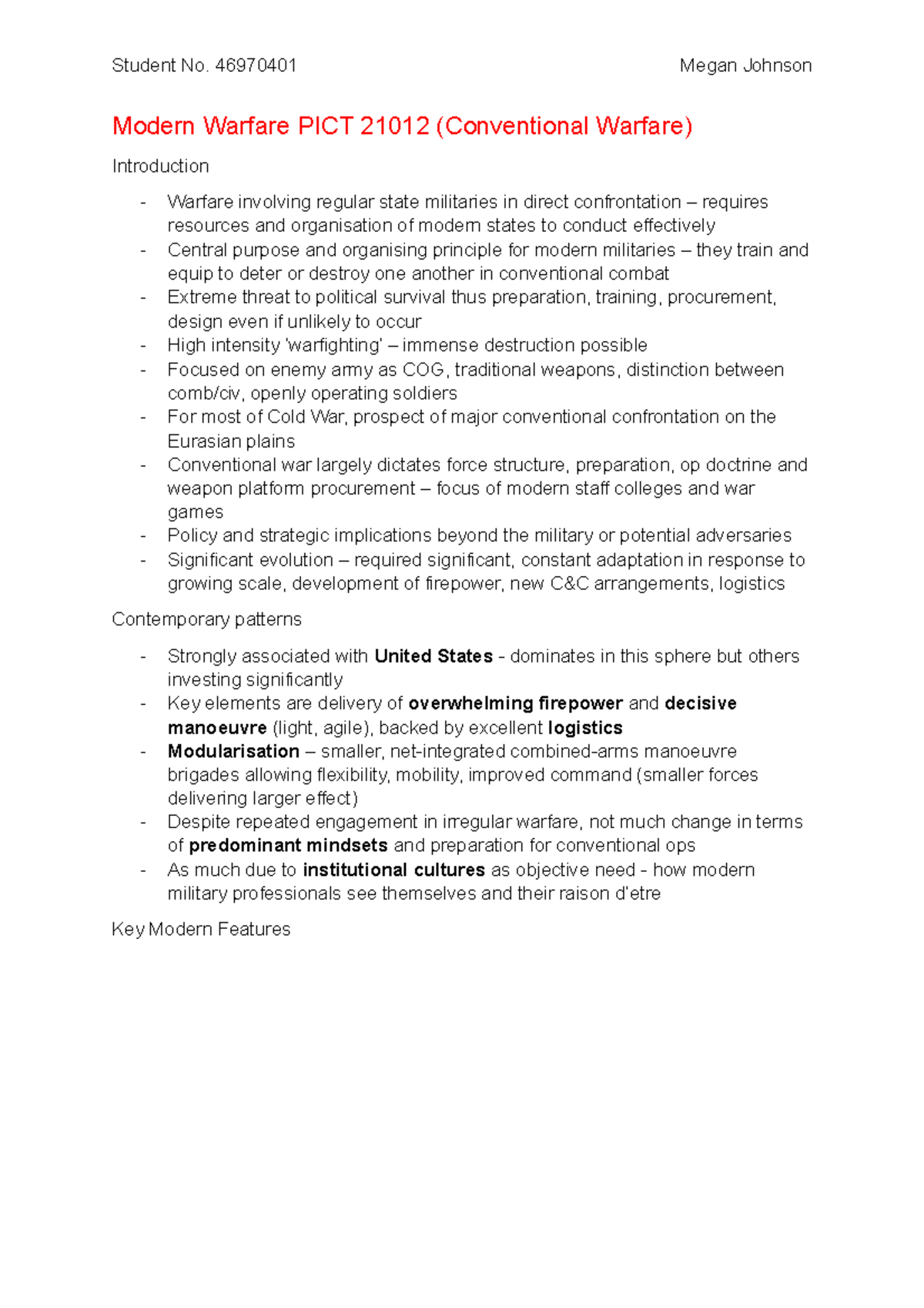
Conventional warfare is a form of military conflict conducted between sovereign states using standardized military forces and established tactics. Unlike unconventional or nuclear conflict, it focuses on the destruction of an adversary...
Conventional warfare is a form of military conflict conducted between sovereign states using standardized military forces and established tactics. Unlike unconventional or nuclear conflict, it focuses on the destruction of an adversary’s military capability through direct, kinetic engagement while adhering to recognized international laws, such as the Geneva Conventions, to achieve specific political and territorial objectives.
Contents
The Core Concept of Conventional Warfare
The foundational definition of conventional warfare centers on the "conventional" nature of the weapons and the participants. In this context, "conventional" refers to non-nuclear, non-biological, and non-chemical weaponry. The primary actors are typically the uniformed armed forces of nation-states. This distinguishes it from unconventional warfare, which often involves insurgencies, subversion, and guerrilla tactics employed by non-state actors or clandestine units.
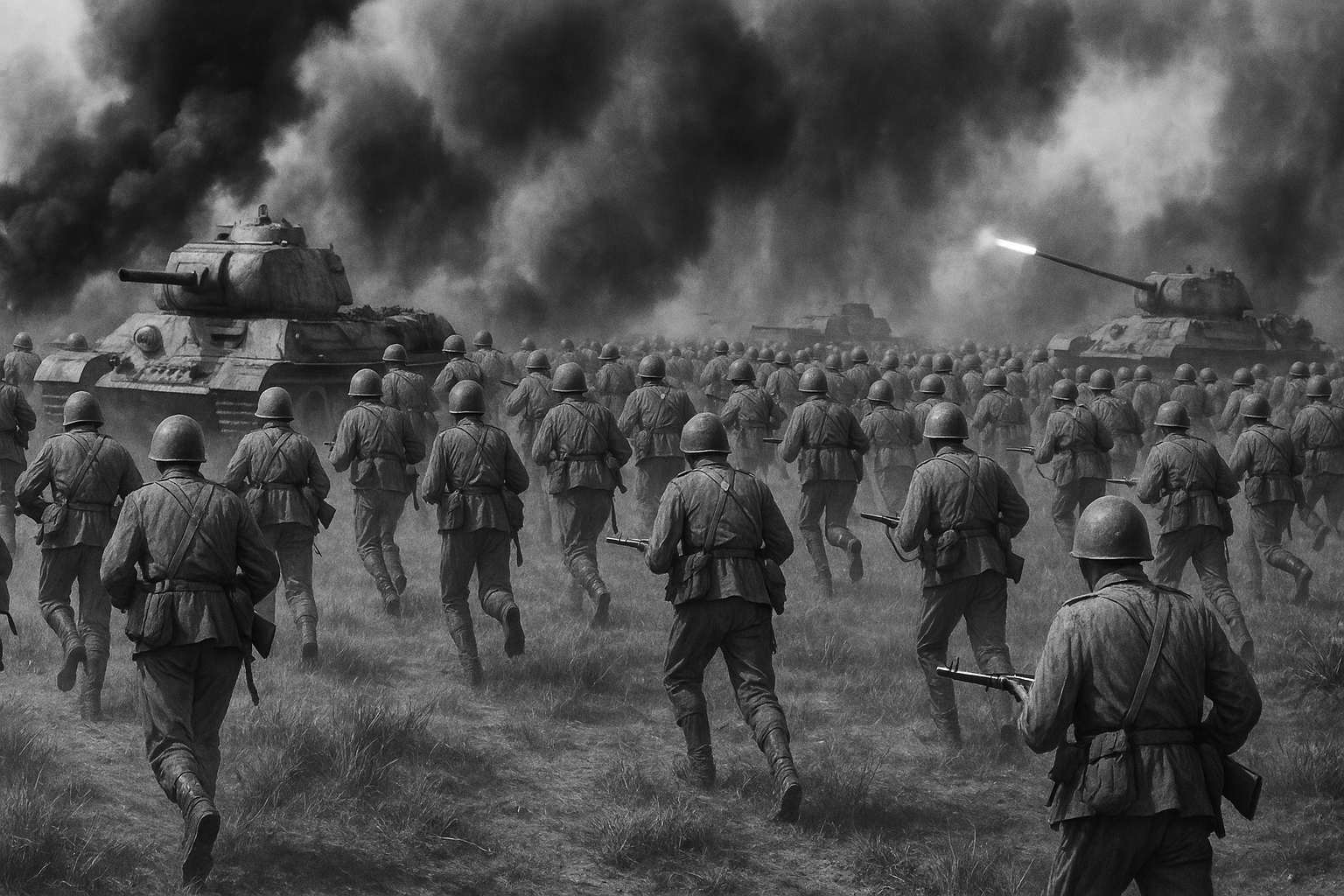
At its heart, conventional warfare is about the application of mass, maneuver, and firepower. It is often characterized by clearly defined battlefields, front lines, and the objective of seizing or defending territory. Historically, this has involved large-scale clashes of infantry, cavalry (and later armor), and artillery. In the modern era, as of 2026, this definition has expanded to include "Multi-Domain Operations" (MDO), where conventional forces coordinate actions across land, sea, air, space, and cyberspace.
Despite technological advancements, the goal remains the same: to use kinetic force to compel an opponent to submit to a political will. The legitimacy of conventional warfare is rooted in the Westphalian system, where states hold a monopoly on the use of organized violence. When states engage in conventional warfare, they do so under the assumption that they are legal combatants, a status that grants them certain protections and responsibilities under international law.
Key Characteristics of Conventional Operations
To understand the definition of conventional warfare, one must examine the specific characteristics that separate it from other forms of strife. These elements create a framework that military planners and international legal bodies use to categorize conflict.
State-to-State Engagement
Conventional warfare is primarily a dialogue of force between established governments. Because the participants are states, the conflict usually follows a formal declaration or a recognized state of hostilities. This structural clarity allows for diplomatic channels to remain theoretically open, even if they are strained, and provides a clear "exit strategy" through treaties and surrenders.
Uniformed Combatants and Centralized Command
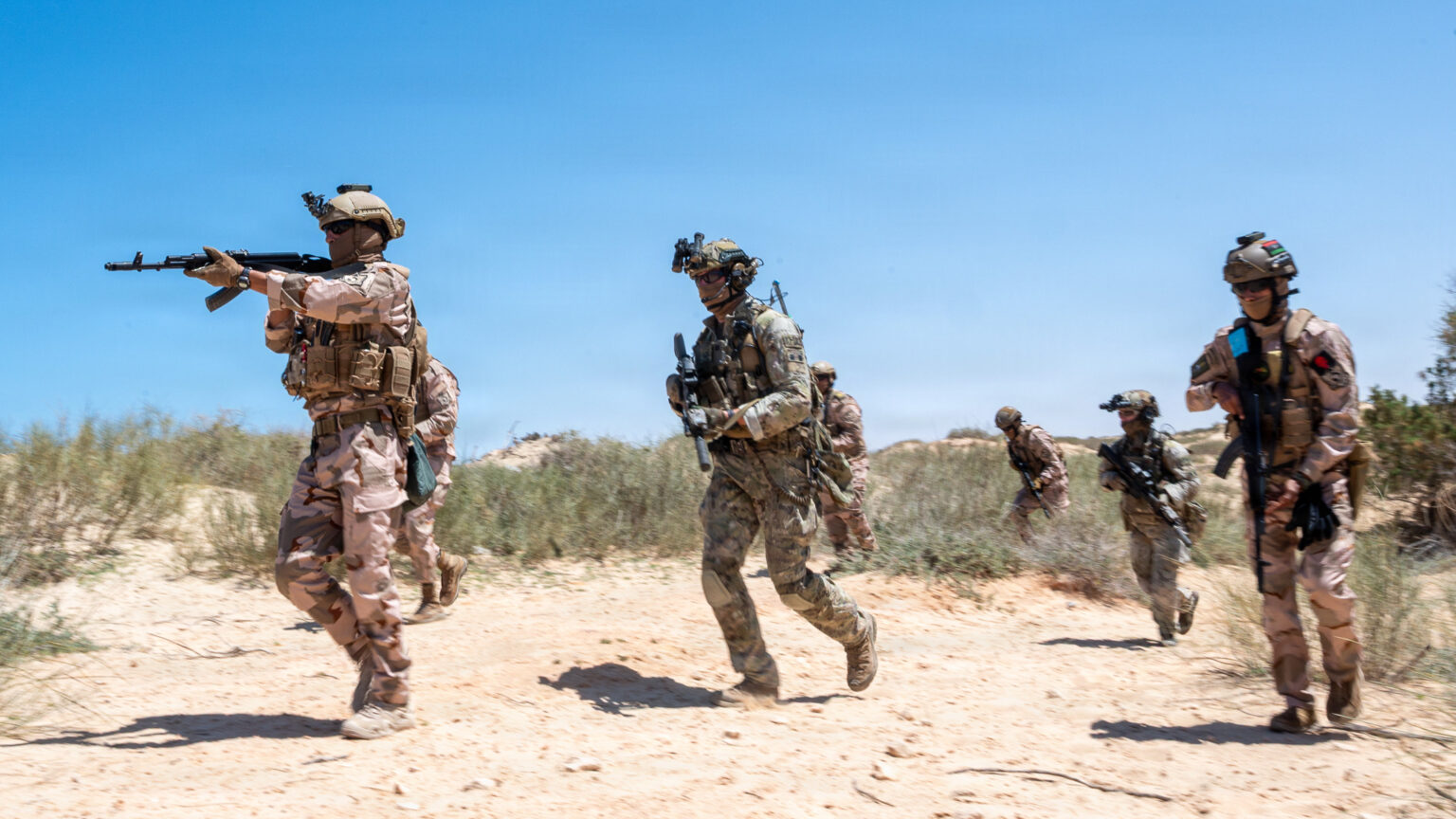
One of the most visible markers of conventional warfare is the use of uniformed soldiers. These individuals belong to a hierarchical command structure that is accountable to a central government. This hierarchy ensures that force is applied in a disciplined manner, adhering to the "Principles of War" such as objective, offensive, and unity of command. The presence of uniforms is not merely a matter of tradition; it is a legal requirement under the International Committee of the Red Cross (ICRC) guidelines to distinguish combatants from civilians.
Kinetic Force and Combined Arms
Conventional warfare relies heavily on the "Combined Arms" doctrine. This is the integration of different branches of a military—such as infantry, armor, and aviation—to achieve a synergistic effect. For example, tanks provide the breakthrough power, infantry secures the ground, and air support provides reconnaissance and precision strikes. By 2026, this has evolved to include integrated drone swarms and electronic warfare units that operate as standard components of a conventional brigade.
Conventional vs. Unconventional Warfare: The Critical Distinctions
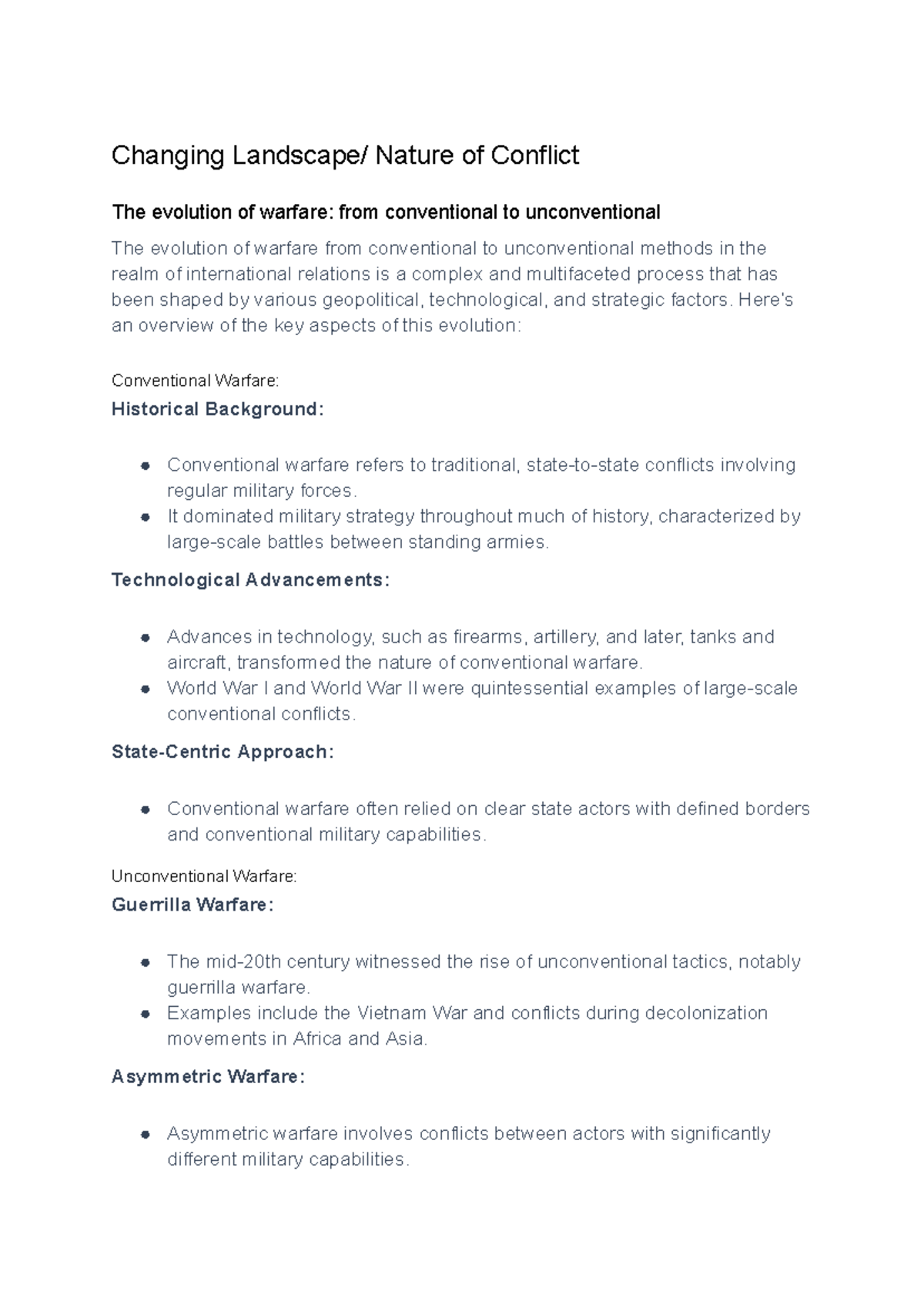
The definition of conventional warfare is often best understood by what it is not. The military landscape is frequently blurred by "Hybrid Warfare," but the distinctions between conventional and unconventional methods remain vital for legal and strategic purposes.
In unconventional warfare, the goal is often to avoid direct confrontation with a superior military force. Instead, the focus is on psychological operations, subversion, and eroding the political will of the enemy through attrition. Conventional warfare, by contrast, seeks a "decisive battle" or a series of operations that destroy the enemy's ability to resist.
| Feature | Conventional Warfare | Unconventional Warfare |
|---|---|---|
| Primary Actors | Sovereign nation-states and their militaries. | Non-state actors, insurgents, or special units. |
| Tactics | Maneuver, massed firepower, territory seizure. | Guerrilla tactics, subversion, sabotage, hit-and-run. |
| Weapons | Tanks, aircraft, ships, standard munitions. | IEDs, small arms, propaganda, cyber-attacks. |
| Battlefield | Defined fronts and geographical boundaries. | Fluid, often embedded within civilian populations. |
| Legal Status | Regulated by the Geneva and Hague Conventions. | Often operates in a legal "gray zone." |
| Objective | Destruction of enemy military and seizure of land. | Erosion of political will and social stability. |
The Evolution of Conventional Tactics in the 21st Century
As we look at the state of conflict in 2026, the definition of conventional warfare has naturally adapted to include high-tech capabilities that were once considered experimental. While the core "boots on the ground" remain essential, the "conventional" toolkit now includes a heavy reliance on digital and autonomous systems.
Precision-Guided Munitions (PGM)
Conventional warfare is no longer defined by the indiscriminate carpet-bombing seen in the early 20th century. Modern conventional forces prioritize precision. The ability to strike a specific target with minimal collateral damage is a hallmark of current conventional doctrine. This precision is supported by a robust network of satellites and reconnaissance drones, making the "kill chain" faster and more efficient.
The Role of Electronic and Cyber Support
While "Cyber Warfare" can be a standalone unconventional tool, in a conventional context, it serves as a force multiplier. During a conventional invasion, a state might use electronic warfare to jam enemy communications or cyber-attacks to disable a regional power grid supporting military infrastructure. Because these actions are performed by state militaries in support of kinetic objectives, they fall under the modern umbrella of conventional operations.
Multi-Domain Integration
In 2026, a conventional offensive is rarely limited to just land or sea. The integration of space-based assets for GPS and communication is now a "conventional" requirement. If a state loses its access to space assets, its conventional capacity is severely degraded. Therefore, defending and attacking space infrastructure has become a recognized facet of conventional state-on-state rivalry.
International Law and the Rules of Engagement
A defining pillar of conventional warfare is its relationship with international law. Because the participants are states, they are bound by treaties that dictate how war can be conducted. These laws are designed to mitigate the human suffering associated with large-scale conflict.
- Distinction: Combatants must distinguish between the civilian population and military targets. Any intentional attack on civilians is a violation of the laws of war.
- Proportionality: The military advantage gained from an attack must not be outweighed by the anticipated harm to civilians or civilian objects.
- Military Necessity: Force must be directed only at targets that offer a definite military advantage.
- Avoidance of Unnecessary Suffering: The use of certain weapons that cause superfluous injury (such as blinding lasers or specific types of incendiary devices) is prohibited.
Adherence to these rules is what allows the international community to treat conventional warfare as a "regulated" conflict rather than total chaos. Organizations like the United Nations use these frameworks to monitor conflicts and hold state leaders accountable through bodies like the International Criminal Court.
The Persistence of Conventional Warfare
Despite the rise of cyber threats and global terrorism, conventional warfare remains the ultimate tool of state power. The ability to hold territory and physically defeat an army is a capability that unconventional methods cannot easily replicate. While hybrid tactics—mixing disinformation with small-scale skirmishes—are common, they often serve as a prelude to or a distraction from conventional military action.
The strategic deterrent provided by a strong conventional military is a cornerstone of global stability. States maintain large standing armies, navies, and air forces specifically to signal their ability to engage in conventional conflict, thereby discouraging adversaries from attempting to seize territory or influence through force.
Frequently Asked Questions
What is the main difference between conventional and nuclear warfare?
The primary difference lies in the weapons used and the scale of destruction. Conventional warfare uses "conventional" explosives and kinetic energy, which are limited in their radius and do not leave behind long-term radiological effects. Nuclear warfare involves the use of fission or fusion weapons, which cause mass casualties and environmental damage on a scale that typically ends the possibility of "regulated" combat.
Can a non-state actor engage in conventional warfare?
Generally, no. By definition, conventional warfare is a state-level activity. While some insurgent groups may acquire heavy weaponry like tanks or artillery, their lack of international legal recognition and state-level infrastructure usually categorizes their actions as unconventional or "insurgent" warfare. However, if a group controls a defined territory and operates as a de facto state, the lines may begin to blur.
Is cyber-warfare considered conventional?
It depends on the context. If cyber-attacks are used by a state military to support a physical invasion (e.g., shutting down air defense radars), they are part of a conventional campaign. If a state uses cyber-attacks in isolation to steal data or influence elections without kinetic force, it is usually categorized as "gray zone" or unconventional activity.
Does conventional warfare still happen today?
Yes. Large-scale state-on-state conflicts continue to occur. These conflicts utilize modern armor, infantry, and air power to contest borders and sovereignty. Even in 2026, the potential for conventional conflict remains a primary concern for defense departments worldwide, as seen in ongoing regional tensions that require traditional military deterrence.
What are "Rules of Engagement" (ROE)?
Rules of Engagement are the specific directives issued by a military authority that define the circumstances and limitations under which forces will initiate or continue combat engagement. In conventional warfare, ROE are designed to ensure that military actions align with both political objectives and international legal obligations.
Practical Recommendation for Further Research
To gain a deeper understanding of how conventional warfare is defined and applied in a modern context, it is recommended to study the Joint Publication 3-0, Joint Operations, issued by the U.S. Department of Defense. This document provides the technical framework for how modern militaries organize, plan, and execute conventional operations. Additionally, reviewing the updated 2026 strategic reports from the International Institute for Strategic Studies (IISS) can provide insight into how global powers are currently balancing conventional readiness with emerging technologies.
Image Gallery