Comprehensive Guide to the 2026 TCS New York City Marathon Route
The TCS New York City Marathon route spans 26.2 miles across all five boroughs of New York City, starting in Staten Island at Fort Wadsworth, traversing Brooklyn and Queens, crossing into Manhattan via the Queensboro Bridge, moving nor...
The TCS New York City Marathon route spans 26.2 miles across all five boroughs of New York City, starting in Staten Island at Fort Wadsworth, traversing Brooklyn and Queens, crossing into Manhattan via the Queensboro Bridge, moving north through the Bronx, and finishing in Manhattan's Central Park.
Contents
Understanding the Five Borough Blueprint
Navigating the geography of the TCS New York City Marathon requires understanding how the course connects five distinct municipal zones. The course is internationally recognized for its challenging topography, iconic bridge crossings, and immense crowd support. Each borough presents unique structural hurdles, transition points, and physiological demands for participants.
The structural blueprint of the course is divided into distinct operational sectors:
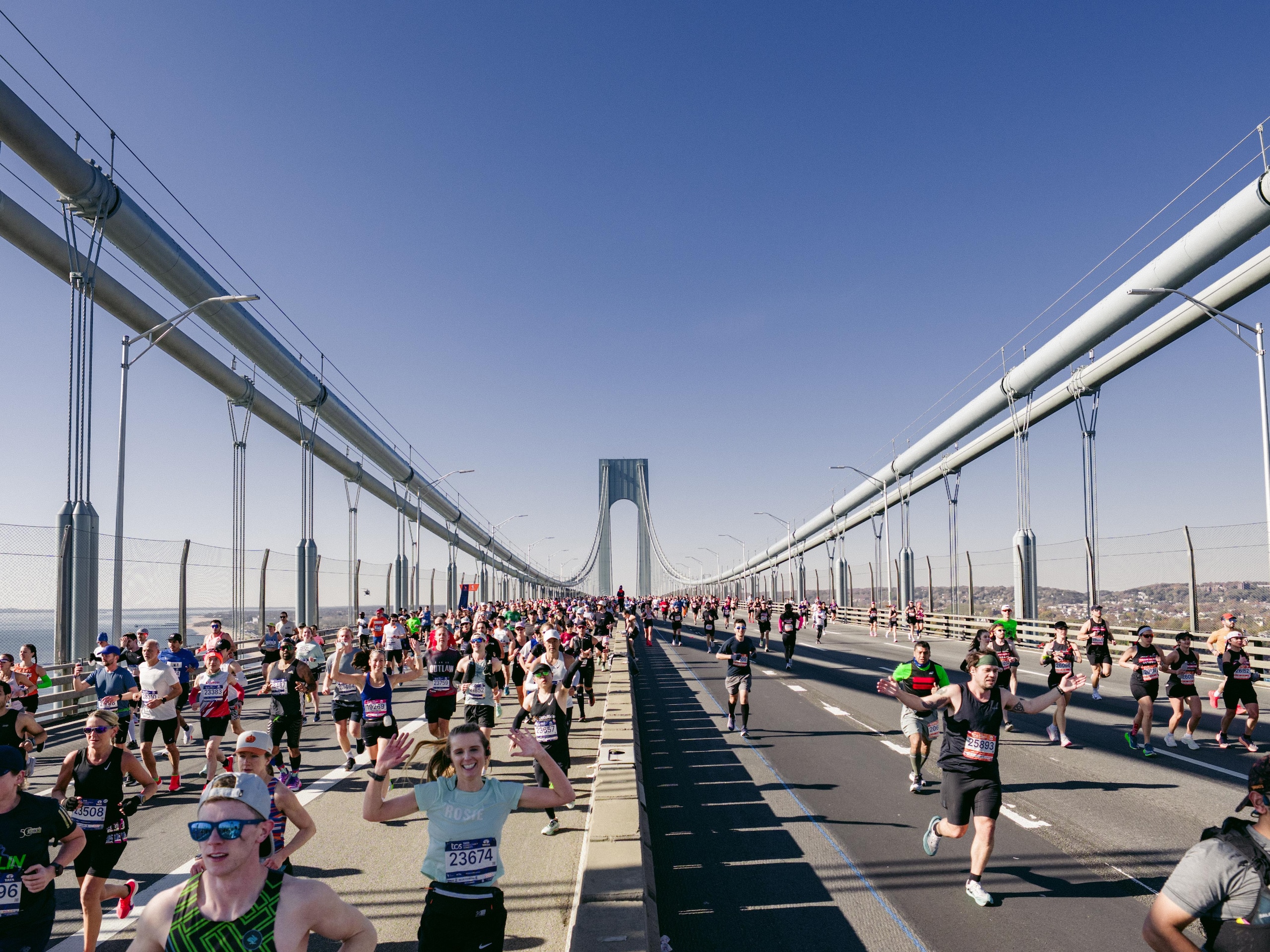
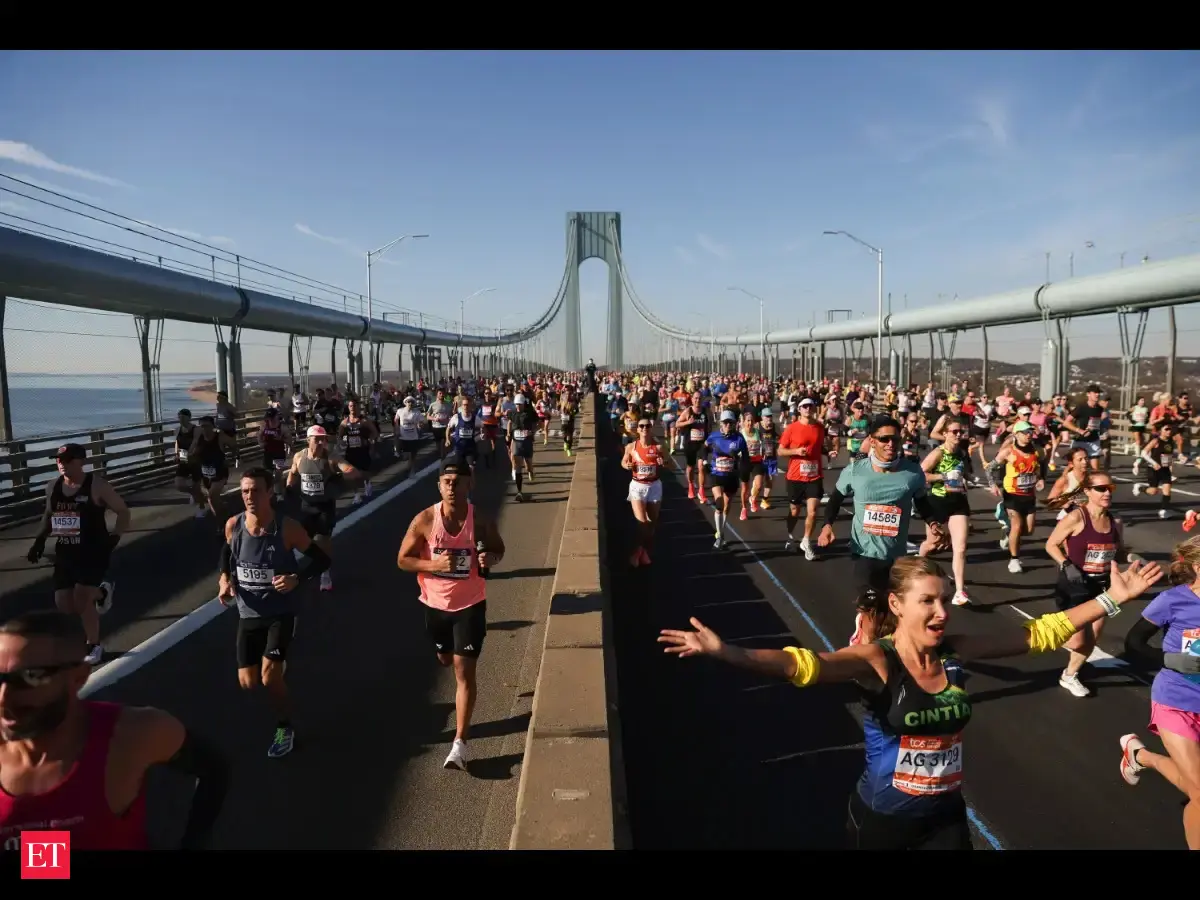
- Staten Island: The staging ground, security screening, and the Verrazzano-Narrows Bridge ascent.
- Brooklyn: The longest leg of the race, featuring miles 2 through 12 running along iconic commercial and residential corridors.
- Queens: The quiet transition zone crossing the Pulaski Bridge leading into the demanding footbridge climb.
- Manhattan (First Pass): The long, straight northward push up First Avenue toward the Bronx.
- The Bronx: The mental pivot point across the Madison Avenue Bridge entering miles 20 through 21.
- Manhattan (Finish): Fifth Avenue, Museum Mile, and the rolling hills of Central Park.
Mile-by-Mile Breakdown of the Course Topography
Staten Island and the Verrazzano-Narrows Bridge (Miles 1 to 2)
The race begins at Fort Wadsworth in Staten Island. Runners assemble in color-coded villages before being funneled onto the lower and upper decks of the Verrazzano-Narrows Bridge. This opening mile is notoriously congested and features a steep upward incline as runners climb the suspension bridge, followed by a sweeping descent into Brooklyn. Runners must manage their adrenaline here to avoid starting too fast on the bridge's metal grating and incline.
Brooklyn's Diverse Neighborhood Corridor (Miles 2 to 12)
Exiting the bridge, runners enter Brooklyn along Fourth Avenue, a wide and straight thoroughfare. The route transitions through Bay Ridge, Sunset Park, and Park Slope before shifting onto Bedford Avenue and Manhattan Avenue through Williamsburg and Greenpoint.
- Crowd Dynamics: Brooklyn offers some of the loudest, most continuous crowd support of the entire course.
- Topography: Generally flat with subtle, rolling road crowns that require runners to monitor their stride stability.
- Key Landmarks: Barclays Center near mile 8 acts as a major visual and acoustic milestone.
Queens and the Pulaski Bridge Crossing (Miles 13 to 15)
Runners cross the Pulaski Bridge, which marks the exact halfway point (13.1 miles) of the race. This bridge separates Brooklyn from Long Island City, Queens. Queens is historically known as a quieter section where focus and internal pacing become critical. After navigating a short loop through Long Island City, runners prepare for the most notorious physical barrier on the course: the Queensboro Bridge.
The Queensboro Bridge Challenge (Mile 15 to 16)
The ascent onto the Ed Koch Queensboro Bridge is notoriously silent—spectators are not permitted on the bridge deck, leaving only the sound of heavy footsteps and breathing. The climb is steady and prolonged, taxing the quads and respiratory system just as fatigue sets in. Exiting the bridge reveals a wall of sound as runners descend directly onto First Avenue in Manhattan.
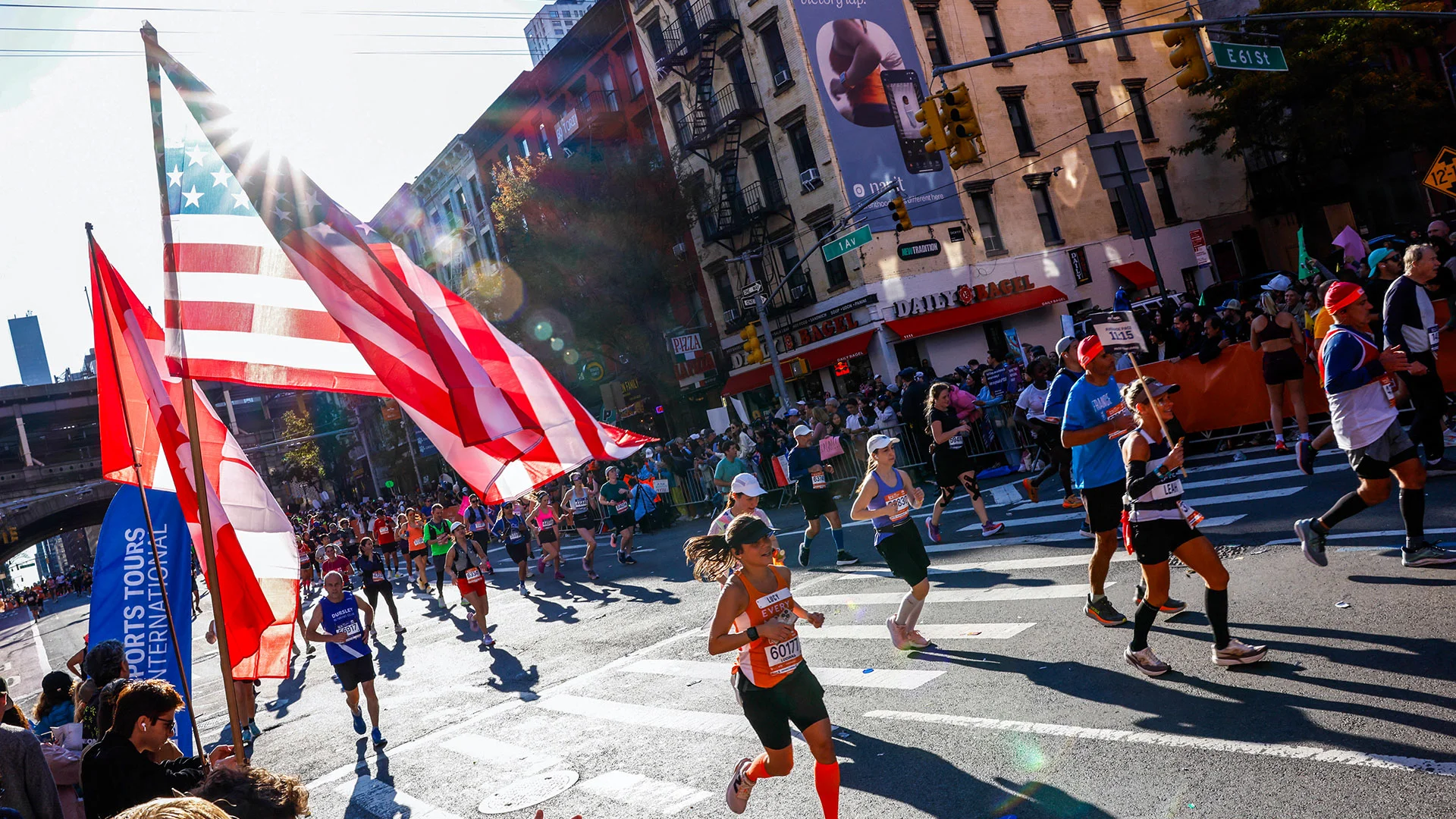
Manhattan's First Avenue and the Upper East Side (Miles 16 to 19)
First Avenue in Manhattan is a wide, sunlit canyon lined with hundreds of thousands of cheering spectators.
- Pacing Strategy: The sheer length of First Avenue (stretching from 59th Street up to 125th Street) can play psychological tricks on tired runners. Maintaining a consistent cadence here is vital.
- Hydration and Support: Major medical and fluid stations are densely packed along this stretch to assist runners managing heat or early cramping.
The Bronx Transition (Miles 20)
Crossing the Willis Avenue Bridge takes runners into the Bronx for just over a mile. Often referred to as the gateway to "The Wall" (mile 20 represents the traditional onset of severe physiological fatigue), the Bronx welcomes runners with live local DJs, intense street-level percussion bands, and fierce community encouragement. The sharp turn off the bridge onto 135th Street requires careful cornering to avoid colliding with other fatigued athletes.
Fifth Avenue and Harlem (Miles 21 to 23)
Re-entering Manhattan via the Madison Avenue Bridge, runners face a relentless, gradual uphill climb scaling Fifth Avenue through Harlem. This section tests remaining physical reserves. The incline is deceptive—not steep like a bridge, but long enough to drain energy if runners attempt to surge too early.
Central Park Finish (Miles 24 to 26.2)
The final phase enters Central Park at East 90th Street.
- Park Profile: The park route is entirely rolling hills, featuring Cat Hill and undulating terrain that mimics cross-country courses.
- The Home Stretch: Runners exit the park briefly onto Central Park South before re-entering at Columbus Circle, sweeping past the grandstands, and crossing the official finish line near Tavern on the Green.
Comprehensive Comparison of Course Sectors
| Sector | Mile Markers | Primary Topography | Crowd Intensity | Key Physiological Challenge |
|---|---|---|---|---|
| Staten Island | Start to Mile 2 | Steep suspension bridge incline | Low (Restricted access) | Managing early adrenaline and pacing |
| Brooklyn | Mile 2 to 12 | Flat, urban asphalt, rolling crowns | Extremely High | Resisting the urge to run too fast early |
| Queens | Mile 13 to 15 | Flat industrial and residential roads | Moderate | Maintaining focus during the quiet halfway transition |
| Queensboro Bridge | Mile 15 to 16 | Enclosed, steady structural climb | None (Spectator-free zone) | Managing leg fatigue and oxygen debt silently |
| Manhattan (First Ave) | Mile 16 to 19 | Long, straight, wide boulevard | Maximum | Pacing the endless visual horizon |
| The Bronx | Mile 20 | Flat turns, local street asphalt | High (Local percussion/DJs) | Pushing through the psychological "Wall" |
| Harlem/Fifth Ave | Mile 21 to 23 | Gradual, persistent uphill drag | High | Preserving quads on the long incline |
| Central Park | Mile 24 to 26.2 | Rolling park hills, sharp turns | Maximum | Maintaining form through late-stage fatigue |
Essential Logistics and Race Day Preparation Steps
- Secure Transportation to the Start: Utilize official New York Road Runners (NYRR) race-day transportation, such as the designated ferries from South Ferry in Manhattan or buses from the Meadowlands or Midtown, to ensure arrival at Fort Wadsworth before your assigned wave start.
- Verify Wave and Corral Assignments: Check your official runner profile for your specific gear check, security check-in time, and corral letter. Security protocols prohibit large unapproved bags outside of official clear gear bags supplied at the expo.
- Plan Spectator Intercept Points: Because security checkpoints heavily restrict movement across the course, advise spectators to view the race in open-access zones like First Avenue in Manhattan or Fourth Avenue in Brooklyn, avoiding the bridge exits entirely.
- Study Course Fueling Stations: Review the placement of fluid stations (offering water and Gatorade Endurance Formula) positioned approximately every mile starting at mile 3, alongside medical tents and public restroom facilities.
- Post-Finish Protocol: After crossing the finish line in Central Park, follow marshals' directions to collect your finisher medal, thermal poncho, and pre-packed recovery bag, continuing walking north toward the family reunion zones to maintain blood circulation.
Frequently Asked Questions
What is the elevation profile of the TCS New York City Marathon?
The course features five major bridge climbs with a total elevation gain of roughly 850 feet. The steepest climbs occur on the Verrazzano-Narrows Bridge at the start and the Ed Koch Queensboro Bridge at mile 15.
Are spectators allowed on the bridge crossings?
No, spectators are strictly prohibited from entering the Verrazzano-Narrows Bridge and the Ed Koch Queensboro Bridge for security and structural safety reasons. Spectator viewing begins immediately as runners exit each bridge into the boroughs.
Where is the best place for spectators to watch the race?
First Avenue in Manhattan and Fourth Avenue in Brooklyn offer expansive viewing areas, high energy, and easy access to public transit options like the MTA subway system.
How do runners get to the start village in Staten Island?
Participants must take official, pre-registered NYRR transportation options—either a Staten Island Ferry from Manhattan or designated motorcoaches—scheduled according to their specific wave departure time.
What happens if a runner requires medical assistance on the course?
Medical tents, ambulances, and mobile medical cycling teams are stationed at every mile marker along the entire 26.2-mile route, coordinated directly with local New York City hospital networks.
Expert Strategic Recommendation
To conquer the TCS New York City Marathon successfully, treat the first six miles in Brooklyn as a strict patience exercise. Resist the temptation to bank time on the downslopes of the Verrazzano-Narrows Bridge. Conserve your energy for the silent climb over the Queensboro Bridge at mile 15, and keep your stride short and efficient when navigating the rolling hills of Central Park during the final two miles.
Image Gallery