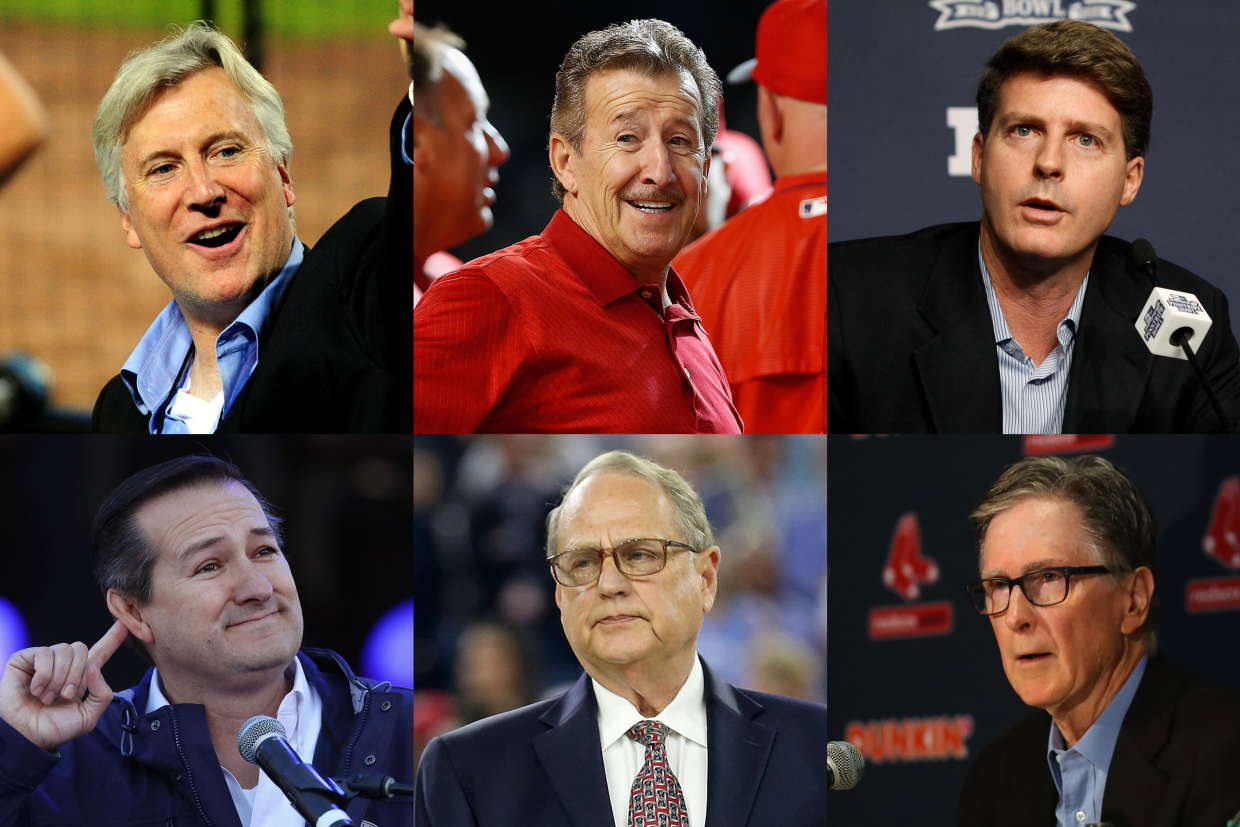
The Comprehensive MLB Owners By Wealth List: Examining Baseball's Richest Billionaires
Major League Baseball features some of the wealthiest individuals and ownership groups in global sports, with collective enterprise valuations stretching well into the tens of billions of dollars. Understanding the financial standings...
Major League Baseball features some of the wealthiest individuals and ownership groups in global sports, with collective enterprise valuations stretching well into the tens of billions of dollars. Understanding the financial standings of these figures requires examining diversified corporate holdings, technology fortunes, real estate empires, and inherited wealth that power modern franchise payrolls.
Contents
The Financial Landscape of Major League Baseball Ownership
Major League Baseball ownership has transformed over the past few decades. The era of the single, eccentric local magnate who derived their fortune strictly from a regional manufacturing plant or local dealership has largely given way to institutional ownership groups, private equity participants, and multi-industry tech and finance titans. Evaluating an mlb owners by wealth list requires looking past franchise valuation alone to assess the personal and family net worth of controlling stakeholders and primary general partners.
While franchise valuations across all 30 Major League Baseball clubs continue to rise—driven by lucrative national media rights agreements, streaming integrations, real estate developments around stadiums, and steady gate receipts—the underlying liquidity of individual owners varies drastically. Some owners derive their primary capital from hedge funds and private equity firms, while others manage vast global industrial conglomerates or inherit generational wealth tied to legacy retail and energy sectors.
This financial stratification directly influences operational approaches. Clubs managed by ultra-wealthy owners with diversified liquid assets frequently absorb luxury tax thresholds more flexibly, whereas franchises backed by ownership groups with tighter capital constraints must rely heavily on precise analytics, player development pipelines, and payroll cyclicality.
Methodology Behind Estimating Sports Owner Net Worth
Calculating the precise net worth of professional sports owners presents unique challenges for financial analysts, business journalists, and sports economists. Unlike publicly traded corporations, private investment vehicles, family trusts, and private equity stakes do not disclose daily valuations. Consequently, tracking lists compiled by financial publications rely on a combination of SEC filings, real estate holdings, public stock disclosures, industry estimates, and verified corporate transactions.
Key Variables in Wealth Calculations
- Liquid Assets vs. Illiquid Holdings: A significant portion of an owner's wealth is often tied up in privately held companies, real estate portfolios, or the sports franchise itself, which cannot be immediately liquidated without tax implications or market disruption.
- Debt and Leverage: Many modern sports acquisitions involve significant debt financing. A high gross asset value does not automatically equate to unencumbered personal wealth.
- Family and Group Holdings: In many MLB franchises, the named managing partner is merely the face of a larger ownership syndicate. True financial backing may rest with a collective family office or a private equity consortium.
- Market Fluctuations: Publicly traded stock portfolios shift daily, meaning wealth rankings within baseball can fluctuate rapidly based on broader economic conditions, technology sector corrections, or commodity price movements.
Leading Figures on the MLB Owners By Wealth List
While individual net worth figures shift regularly based on market conditions, certain individuals consistently rank at the top of the financial hierarchy in Major League Baseball. Examining these top-tier owners reveals the sheer scale of capital required to compete at the highest levels of modern professional sports.
Steve Cohen (New York Mets)
Widely recognized as the wealthiest controlling owner in Major League Baseball, Steve Cohen built his fortune through the hedge fund industry, notably founding Point72 Asset Management and SAC Capital Advisors. Since purchasing the New York Mets, Cohen has utilized his substantial personal capital to elevate the franchise's payroll and overhaul its operational infrastructure, signaling a aggressive approach to modern roster construction and fan experience enhancement.
Liberty Media (Atlanta Braves)
Unlike traditional individual owners, the Atlanta Braves are owned by Liberty Media, a publicly traded mass media company controlled by billionaire John Malone and managed by executive leadership. Because Liberty Media operates as a tracking stock, the financial backing of the franchise is tied directly to a massive conglomerate holding interests in telecommunications, media, and real estate, including the highly lucrative Battery Atlanta mixed-use development surrounding Truist Park.
Mark Walter and Ownership Group (Los Angeles Dodgers)
Mark Walter, CEO of Guggenheim Partners, leads an ownership group that acquired the Los Angeles Dodgers. Guggenheim Partners manages hundreds of billions of dollars in global assets. The Dodgers' ownership structure also notably includes legendary figures like tennis icon Billie Jean King and entrepreneur Magic Johnson, combining institutional financial heft with sports industry expertise.
Hal Steinbrenner and the Steinbrenner Family (New York Yankees)
The Steinbrenner family represents multi-generational wealth tied directly to the legacy of the New York Yankees and shipping enterprise fortunes established by George Steinbrenner. While the family's primary asset is the historic franchise itself—consistently valued among the highest in global sports—their operational strategy balances historical revenue generation with sustained high-level player payroll investments.
Comparative Overview of Major MLB Ownership Financial Profiles
| Franchise | Managing Owner / Controlling Entity | Primary Industry Source | Financial Profile Characteristics |
|---|---|---|---|
| New York Mets | Steve Cohen | Hedge Funds / Finance | High liquidity, aggressive payroll strategy, heavy investment in analytics and infrastructure. |
| Atlanta Braves | Liberty Media | Media / Telecommunications / Real Estate | Publicly traded tracking stock, integrated mixed-use stadium real estate model. |
| Los Angeles Dodgers | Mark Walter / Guggenheim Partners | Financial Services / Asset Management | Institutional backing, massive global brand valuation, diversified investment portfolio. |
| New York Yankees | Steinbrenner Family | Sports Management / Legacy Shipping | High revenue generation, iconic global brand equity, generational asset continuity. |
| San Diego Padres | Estate of Peter Seidler / Family Group | Private Equity / Real Estate | Historically market-defying payroll investments driven by passionate competitive focus. |
The Impact of Wealth on Competitive Balance and Payrolls
The direct correlation between owner net worth and on-field success remains a frequent subject of debate among baseball executives, economists, and fans. While substantial wealth allows owners to absorb multi-million-dollar payroll commitments and luxury tax penalties without threatening organizational solvency, financial capital alone does not guarantee championships.
Front offices backed by ultra-wealthy owners must still navigate the complexities of baseball operations, international scouting, player development systems, and injury management. Conversely, small-market clubs with less affluent ownership groups frequently excel by maximizing efficiency, prioritizing draft capital, and executing precise trades. However, wealthy owners hold a distinct advantage in retaining homegrown superstars through long-term contract extensions, insulating their rosters against the financial volatility of free agency.
Frequently Asked Questions
Who is the richest owner in Major League Baseball?
Steve Cohen, owner of the New York Mets, is widely documented as the wealthiest controlling owner in Major League Baseball, with a net worth estimated in the billions, largely derived from his career in hedge fund management and asset operations.
Does team ownership net worth dictate player payroll limits?
Not directly. While ultra-wealthy owners possess the capital required to sustain high luxury tax penalties and large payrolls, each franchise operates under its own economic model influenced by local media rights, ticket sales, merchandise revenue, and revenue-sharing agreements dictated by the Major League Baseball collective bargaining agreement.
Are all MLB owners individual billionaires?
No. While many franchises are controlled by individual billionaires or wealthy families, some teams are owned by corporate entities, public tracking stocks (such as Liberty Media with the Atlanta Braves), or large investment consortiums where financial risk and reward are distributed among multiple partners.
How do stadium real estate developments impact owner wealth?
Modern MLB owners increasingly invest in mixed-use real estate developments adjacent to ballparks—such as retail spaces, hotels, residential units, and entertainment districts. These developments create year-round revenue streams that enhance the overall asset value of the ownership group independent of baseball game days.
Where can official financial data on sports team valuations be verified?
Reputable financial data regarding sports team valuations and estimated owner net worth are periodically published by financial journalism institutions such as Forbes, Bloomberg, and specialized sports business analysts who evaluate public filings and transactional data.
Strategic Next Steps for Following Sports Business and Ownership Trends
For those tracking the financial evolution of professional baseball, monitoring quarterly earnings reports of publicly traded parent companies, tracking stadium real estate developments, and reviewing annual franchise valuation reports provide the most accurate picture of industry health. As television broadcast models transition toward digital streaming and localized direct-to-consumer platforms, the financial models underpinning MLB ownership will continue to evolve, making financial literacy in sports business more critical than ever.
Image Gallery