Georgia Hunting Land for Lease: 2026 Guide to Securing Prime Acreage
Finding the ideal hunting land for lease in Georgia for the 2026 season requires navigating a competitive market shaped by regional habitat variations and high demand for Whitetail deer and Eastern turkey. Prospective lessees should pr...
Finding the ideal hunting land for lease in Georgia for the 2026 season requires navigating a competitive market shaped by regional habitat variations and high demand for Whitetail deer and Eastern turkey. Prospective lessees should prioritize early scouting and secure liability insurance to meet the strict requirements of private landowners and large timber management companies across the state.
Contents
Georgia remains a premier destination for hunters due to its diverse topography, spanning from the rugged Blue Ridge Mountains to the fertile soils of the Upper Coastal Plain. As we enter the 2026 hunting season, the landscape of leasing has shifted toward longer-term stewardship and more sophisticated land management practices. Whether you are an individual hunter looking for a small private tract or a hunt club seeking thousands of acres, understanding the nuances of Georgia’s ecoregions, legal requirements, and current market rates is essential for a successful season.
Regional Analysis: Where to Lease Hunting Land in Georgia
Georgia is geographically divided into several distinct regions, each offering unique advantages for different game species. Selecting the right county depends heavily on whether your primary goal is trophy Whitetail deer, high-density turkey populations, or even feral hog management.
The Upper Coastal Plain (The "Big Buck" Belt)
South-central Georgia, specifically the Upper Coastal Plain, is legendary for producing record-book Whitetails. Counties like Worth, Lee, Dougherty, and Colquitt benefit from a combination of agriculture (peanuts, corn, and soybeans) and thick bedding cover. In 2026, leases in these areas remain the most sought after and expensive. The soil quality here supports superior antler growth and high recruitment rates.
The Piedmont Region
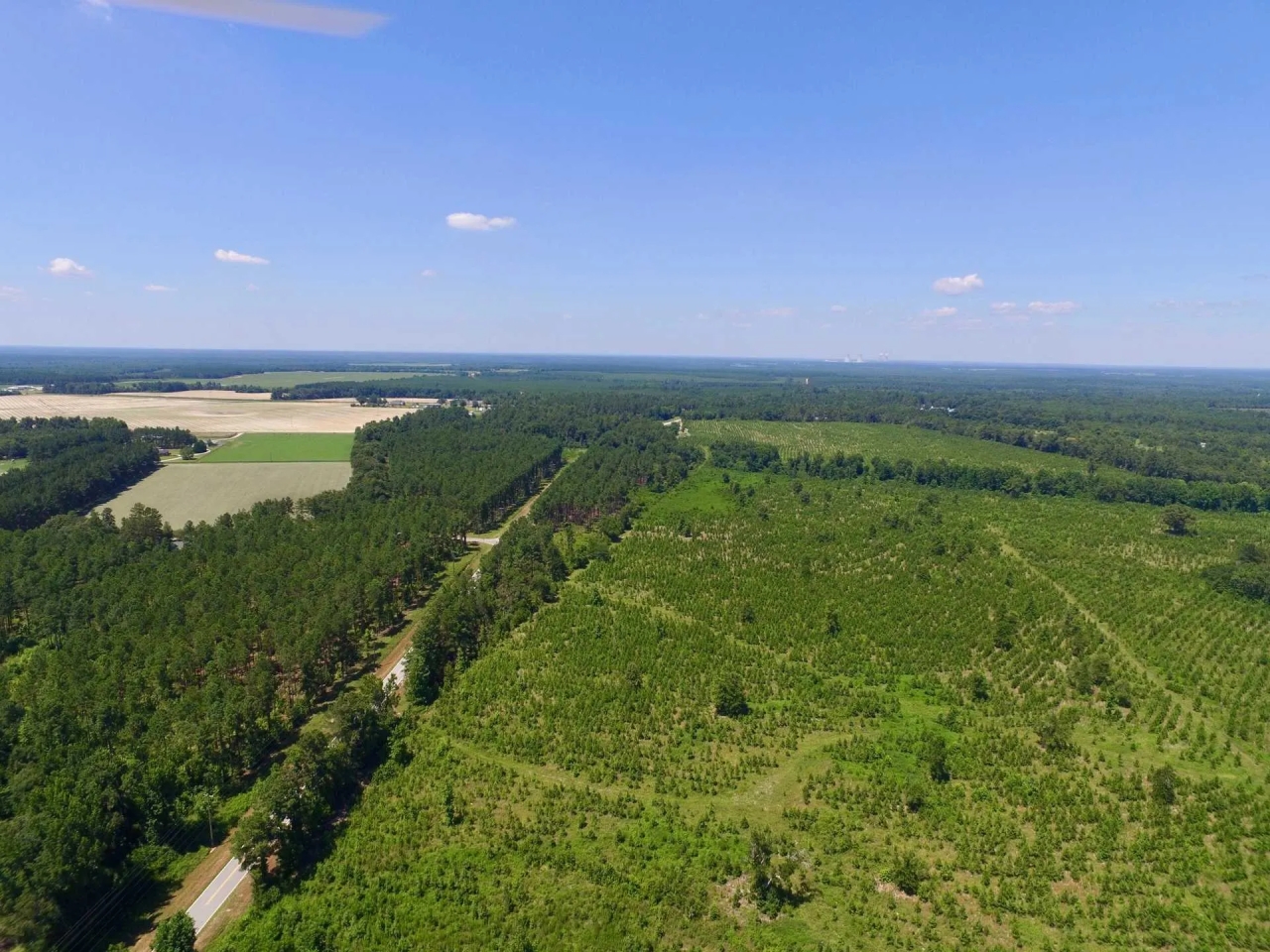
Central Georgia’s Piedmont region offers rolling hills and a mix of hardwood bottoms and pine plantations. This area provides excellent diversity and is highly accessible for hunters living in the Atlanta or Macon metropolitan areas. The hunting pressure is moderate to high, but the carrying capacity for deer remains robust.
The Blue Ridge Mountains and Ridge and Valley
Northern Georgia provides a different experience altogether. Leasing land here often involves steeper terrain and lower deer densities but offers a true wilderness experience. This region is excellent for those targeting Eastern turkeys or black bears, which have seen stable population growth according to 2026 Georgia Department of Natural Resources (DNR) biological surveys.
2026 Market Rates and Pricing Breakdown
Lease prices in Georgia are influenced by several factors: proximity to major cities, habitat quality, existing infrastructure (stands, power, water), and the presence of "trophy" genetics. For the 2026 season, expect the following price ranges per acre based on regional demand and land quality.
| Region | Primary Game | 2026 Average Price/Acre | Demand Level |
|---|---|---|---|
| Upper Coastal Plain | Whitetail Deer, Turkey | $25 - $50+ | Very High |
| Piedmont | Deer, Turkey, Hogs | $18 - $32 | High |
| Lower Coastal Plain | Deer, Hogs, Waterfowl | $12 - $22 | Moderate |
| Blue Ridge Mountains | Bear, Turkey, Deer | $10 - $18 | Moderate |
| Ridge & Valley | Deer, Turkey | $15 - $25 | Moderate |
Strategic Note on Pricing
While the price per acre is a standard metric, hunters should also factor in the "effective hunting acreage." A 100-acre lease that is 90% mature pines may offer less value than an 80-acre lease with 40 acres of hardwood creek bottoms and established food plot sites. Always calculate the cost based on the usable habitat rather than just the property boundaries.
Sources for Hunting Leases: Timber Companies vs. Private Landowners
In 2026, the two primary avenues for securing land are through large timber investment management organizations (TIMOs) or private family-owned tracts. Each has a different administrative process and expectation.
Timber Management Companies
Companies like Rayonier, Westervelt, and Weyerhaeuser manage hundreds of thousands of acres in Georgia. These entities typically utilize online bidding portals.
- Pros: Clear legal contracts, reliable boundaries, and streamlined renewal processes.
- Cons: Often strictly commercial; timber harvests can disrupt hunting patterns mid-season; usually requires an annual bidding process if not renewed.
Private Landowners and Small Farms
Leasing directly from a farmer or a multi-generational landowner often yields the best long-term results.
- Pros: More control over land management (e.g., planting food plots, building permanent stands), lower hunting pressure, and more personal relationships.
- Cons: Harder to find; requires boots-on-the-ground networking; may lack formal legal protections without a professionally drafted contract.
Essential Components of a 2026 Georgia Hunting Lease Agreement
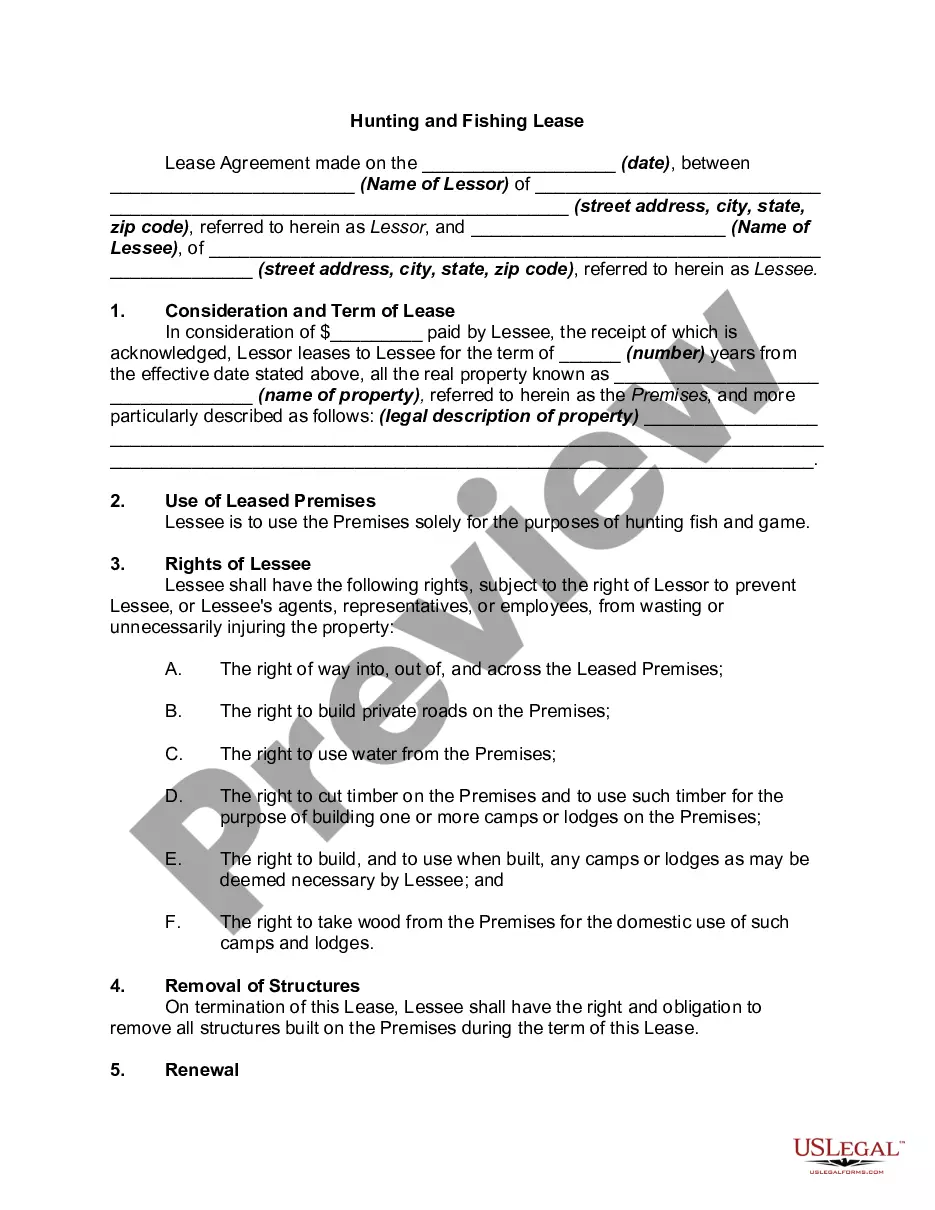
A handshake deal is no longer sufficient in the modern Georgia hunting landscape. A comprehensive, written lease agreement protects both the landowner and the hunter. In 2026, standard industry practices require the following elements:
- Liability Insurance: Almost all corporate and many private landowners require hunters to carry hunting lease liability insurance. This usually provides $1 million to $2 million in coverage for bodily injury or property damage.
- Specific Dates and Access: Clearly define the start and end dates (e.g., July 1st to June 30th) and which gates or access points are to be used.
- Guest Policy: Define exactly how many guests are allowed and whether they must be accompanied by the primary lessee.
- Harvest Rules: Specify if the club follows Quality Deer Management (QDM) standards, such as minimum antler spreads or age requirements, to ensure the long-term health of the herd.
- Prohibited Activities: Clearly state rules regarding target practice, permanent structure construction, timber cutting, and ATV use.
Technical Land Evaluation: What to Look for During a Site Visit
When evaluating a potential lease for the 2026 season, go beyond a simple walk-through. Use a technical approach to determine the property's potential.
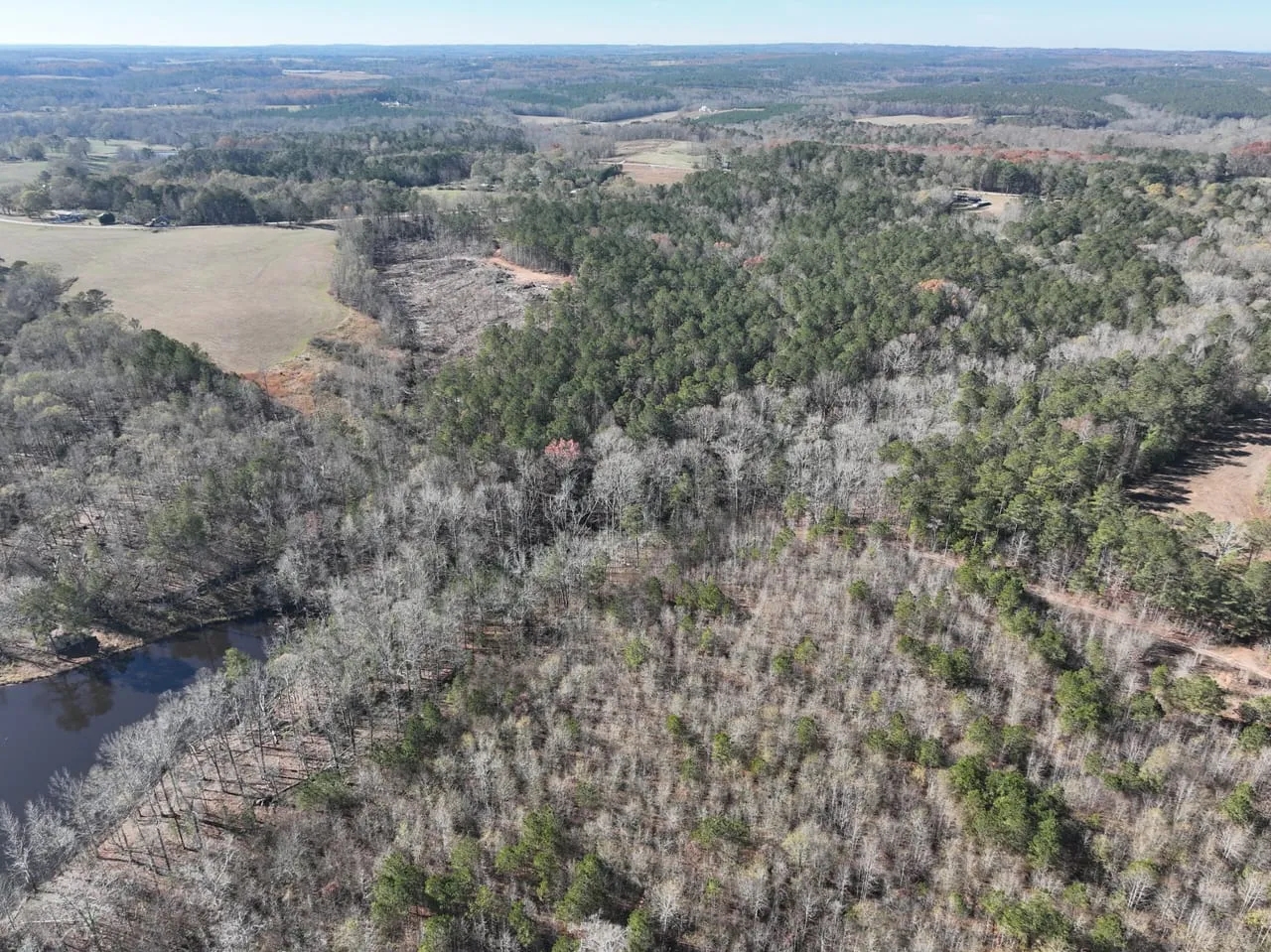
- Aerial Mapping: Use high-resolution satellite imagery to identify "pinch points," "funnels," and "thermal cover." Look for the intersection of three or more habitat types (e.g., where a pine thicket meets a hardwood bottom and a crop field).
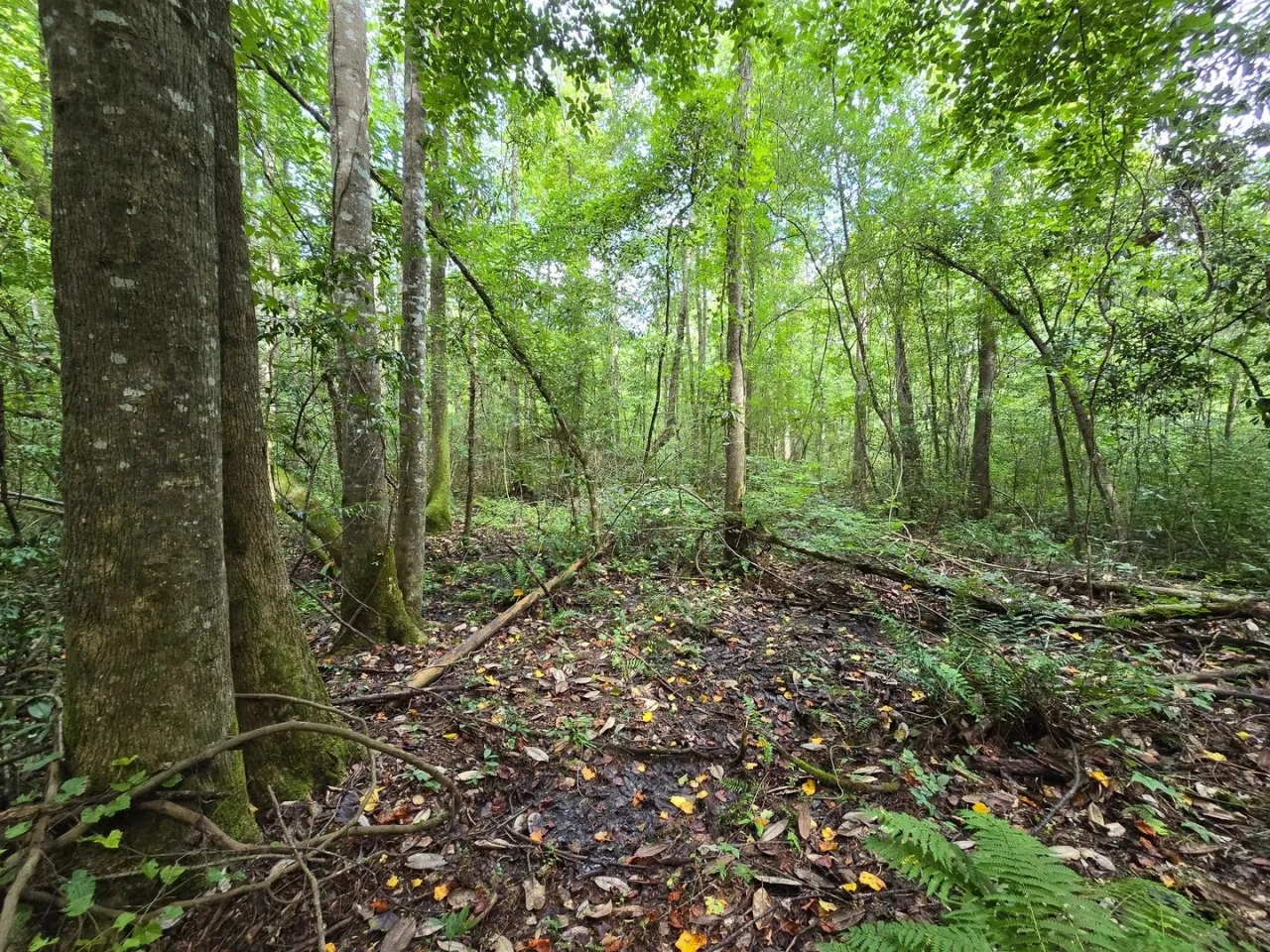
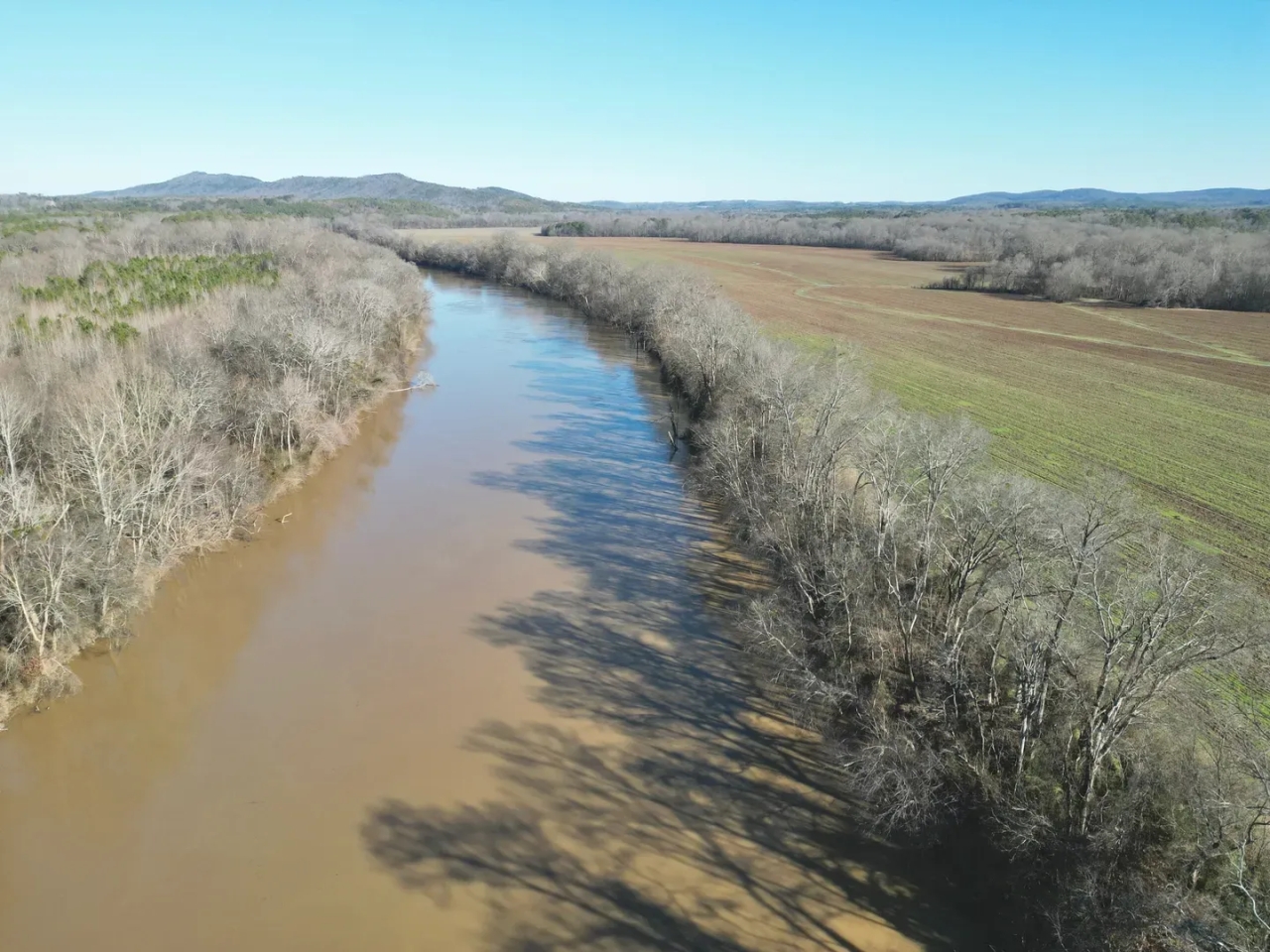
- Water Sources: Georgia can experience significant droughts. A property with a year-round creek or a spring-fed pond is significantly more valuable than one dependent on seasonal rainfall.
- Soil Quality: Access USDA Soil Survey data to determine if the land can support high-protein food plots. In the Piedmont, acidic soils may require heavy liming to be productive.
- Neighboring Pressure: A 50-acre lease surrounded by 5,000 acres of non-hunted state forest is vastly different from 50 acres surrounded by five other small, high-pressure leases.
Step-by-Step Guide to Securing Your First Lease
Step 1: Define Your Budget and Goals Determine if you are looking for a solo lease or if you want to form a club. Establish your maximum travel distance; most hunters find that a property within a two-hour drive is visited more frequently and managed better.
Step 2: Start the Search in February The "renewal window" for most Georgia leases happens in late winter and early spring. By the time summer arrives, the best properties for the 2026 season will already be under contract.
Step 3: Conduct a Virtual and Physical Scout Filter properties online using topo maps. Once on-site, look for "old sign"—rub lines and scrapes from the previous year—which indicates established buck patterns.
Step 4: Review the Legalities and Insurance Obtain a copy of the lease agreement before paying any deposit. Ensure you can secure the required insurance through providers like the Quality Deer Management Association (now part of the National Deer Association) or specialist outdoor insurance agencies.
Step 5: Finalize and Secure the Perimeter Once the lease is signed, post "No Trespassing" signs and establish a presence. In 2026, the use of cellular trail cameras has become a standard for both scouting and security monitoring.
Common Challenges and Troubleshooting in Georgia Leases
Leasing land is an investment of both time and money, and several common issues can arise.
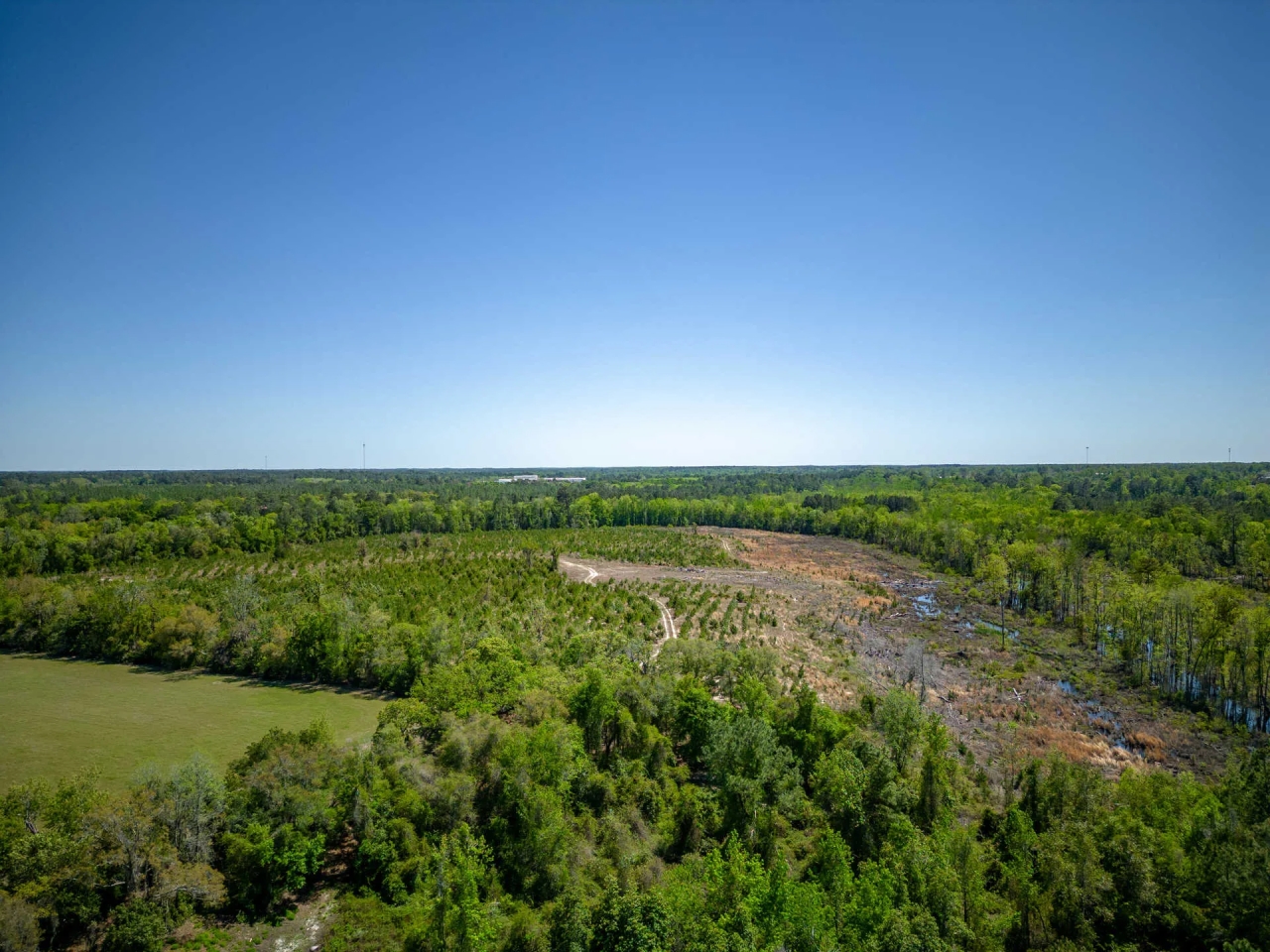
- Timber Thinning and Clear-Cutting: Timber companies are in the business of growing wood, not deer. If your lease is slated for a "clear-cut," it will drastically change the hunting for 2–3 years. Always ask for the 5-year timber management plan before signing.
- Poaching and Trespassing: High-demand areas are prone to unauthorized access. Building a relationship with the local Game Warden and neighboring landowners is the most effective way to mitigate this.
- Evolving Regulations: The Georgia DNR may update bag limits or season dates annually. Always verify the current 2026-2027 Georgia Hunting Regulations before the season opener to ensure compliance with Chronic Wasting Disease (CWD) monitoring zones or baiting laws.
Frequently Asked Questions
What is the average cost of a hunting lease in Georgia for 2026?
The average cost ranges from $15 to $35 per acre, though prime land in the "Big Buck" counties of Southwest Georgia can exceed $50 per acre. Factors such as road access, established food plots, and lodging facilities can significantly increase these figures.
Do I need special insurance to lease hunting land in Georgia?
Yes, most professional lease agreements require Hunting Lease Liability Insurance. This protects both the hunter and the landowner from lawsuits arising from accidents or injuries on the property and is usually a prerequisite for finalizing the lease.
Where can I find Georgia hunting land for lease?
Primary sources include timber company leasing portals (Rayonier, Westervelt), specialized outdoor real estate brokers, and online classifieds. Networking through local feed stores or social media groups dedicated to Georgia hunting can also reveal private tracts not listed elsewhere.
Can I hunt hogs year-round on a leased property?
On private leased land in Georgia, feral hogs can generally be hunted year-round with no bag limit. However, you must always adhere to the specific terms of your lease agreement, as some landowners may restrict off-season access to prevent disturbing other wildlife or agriculture.
How many hunters should be on a 100-acre lease?
For safety and to maintain low hunting pressure, the industry standard in Georgia is approximately one hunter per 50 to 75 acres. Overcrowding a small lease (e.g., four hunters on 100 acres) often leads to diminished deer sightings and poor hunter satisfaction.
What are the "Big Buck" counties in Georgia for 2026?
Worth, Lee, Dougherty, and Colquitt counties consistently rank highest for trophy Whitetail production. Other strong contenders for the 2026 season include Macon, Dooly, and Fulton (though Fulton is primarily archery-only).
As you prepare for the 2026 hunting season, remember that a lease is more than just a right to hunt; it is a management responsibility. By selecting the right region, understanding the legal landscape, and performing due diligence on habitat quality, you can secure a productive and safe hunting environment for years to come.
Image Gallery