Gwen Stefani’s "Doubt": A Comprehensive Reference on the Song’s Context and Reception
Gwen Stefani’s "Doubt" is a standout synth-pop ballad from her third solo studio album, This Is What the Truth Feels Like (2016). The track serves as a raw exploration of insecurity and relationship anxiety, capturing the transitional...
Gwen Stefani’s "Doubt" is a standout synth-pop ballad from her third solo studio album, This Is What the Truth Feels Like (2016). The track serves as a raw exploration of insecurity and relationship anxiety, capturing the transitional period between Stefani’s high-profile divorce and her subsequent romantic revival. It is widely recognized for its vulnerability and polished production.
Contents
Historical Context: The Genesis of This Is What the Truth Feels Like
To understand the context of "Doubt," one must look at the turbulent period in Gwen Stefani's life leading up to 2016. Following a lengthy hiatus from her solo career—her previous solo effort, The Sweet Escape, was released in 2006—Stefani initially attempted to record a new album in 2014. During this time, she released singles like "Baby Don't Lie" and "Spark the Fire," produced largely by Pharrell Williams. However, Stefani later admitted that these tracks felt forced and did not resonate with her emotional state.
The catalyst for "Doubt" and the rest of the album was the dissolution of her 13-year marriage to Gavin Rossdale in mid-2015. This personal crisis led her to scrap the previous recordings and start fresh with a new collaborative team. As we look back from 2026, this era is viewed as Stefani’s most significant "confessional" period, where she moved away from the quirky, persona-driven pop of the "Harajuku Girls" era toward a more grounded, singer-songwriter approach within a pop framework.
The recording sessions for "Doubt" took place at a time when Stefani was also beginning a new relationship with country singer Blake Shelton. This duality—the "ghosts" of a past betrayal and the fear of a new beginning—is the central pillar upon which "Doubt" is built. The song was written at Interscope Studios and reflected a renewed creative spark that Stefani described as life-saving.
Composition and Lyrical Analysis of "Doubt"
"Doubt" is a mid-tempo synth-pop track that utilizes a steady, driving beat contrasted with Stefani’s airy, sometimes fractured vocal delivery. The song is set in a minor key, which reinforces the lyrical themes of uncertainty and internal conflict.
The Collaborative Process
The song was co-written by Stefani alongside Justin Tranter and Julia Michaels, with production handled by Greg Kurstin. In 2016, Tranter and Michaels were the "golden duo" of pop songwriting, responsible for hits like Justin Bieber’s "Sorry" and Selena Gomez’s "Hands to Myself." Their involvement brought a contemporary, streamlined edge to Stefani's signature sound.
Greg Kurstin, known for his work with Adele and Sia, provided the song’s atmospheric production. He balanced retro 80s synthesizers with modern digital percussion, creating a soundscape that felt both nostalgic and current. The arrangement is purposefully uncluttered, allowing Stefani’s lyrics to remain the focal point.
Thematic Elements: Insecurity and Rebirth
Lyrically, "Doubt" addresses the psychological baggage that follows a traumatic breakup. While other tracks on the album like "Used to Love You" focus on the anger of betrayal, and "Make Me Like You" focuses on the joy of new love, "Doubt" occupies the uncomfortable space in between.
The chorus features the poignant lines: "I'm still waiting for the day that you're gonna leave / Why do I feel like I don't deserve these wings?" This reflects the "imposter syndrome" often felt in new relationships after a period of low self-esteem. It highlights the difficulty of accepting happiness when one is conditioned to expect disappointment. The "wings" metaphor suggests a sense of elevation or freedom that the narrator is afraid to fully embrace.
Critical Reception and Media Impact
Upon its release, "Doubt" was frequently cited by music critics as one of the emotional anchors of This Is What the Truth Feels Like. Unlike the more commercial-leaning singles, "Doubt" was praised for its sincerity.
Reviews from Music Critics
Critics noted that "Doubt" allowed Stefani to showcase a level of vocal vulnerability that was sometimes masked by the heavy production of her earlier work. Writing for AllMusic, Stephen Thomas Erlewine noted that the album succeeded most when Stefani stopped trying to chase trends and focused on her own narrative, with "Doubt" being a prime example of this authenticity.
Rolling Stone highlighted the track's "shimmering anxiety," noting that the collaboration with Tranter and Michaels helped Stefani tap into a "new-school pop" sensibility without losing her identity as the frontwoman of No Doubt. The consensus was that while the album had several high-energy peaks, the quieter, more introspective moments like "Doubt" provided the necessary depth to make the project a cohesive body of work.
Audience Response and Charting
While "Doubt" was not released as a primary commercial single (those honors went to "Used to Love You," "Make Me Like You," and "Misery"), it became a fan favorite. In the decade since its release, the song has maintained a steady presence on streaming platforms, often appearing on "Deep Cut" playlists and "Best of Gwen Stefani" retrospectives. As of 2026, the track remains a significant part of her catalog for listeners who prefer her more emotive, less "bubblegum" material.
Performance and Production Specifications
The following table outlines the technical and creative specifications of "Doubt," providing a snapshot of its production environment.
| Feature | Specification |
|---|---|
| Artist | Gwen Stefani |
| Album | This Is What the Truth Feels Like |
| Release Date | March 18, 2016 |
| Genre | Synth-pop, Ballad |
| Length | 3:15 |
| Label | Interscope Records |
| Producers | Greg Kurstin |
| Songwriters | Gwen Stefani, Justin Tranter, Julia Michaels, Greg Kurstin |
| Tempo | 100 BPM |
| Key | B Minor |
| Primary Instruments | Synthesizers, Drum Machine, Bass Guitar |
Live Performances and Visual Representation
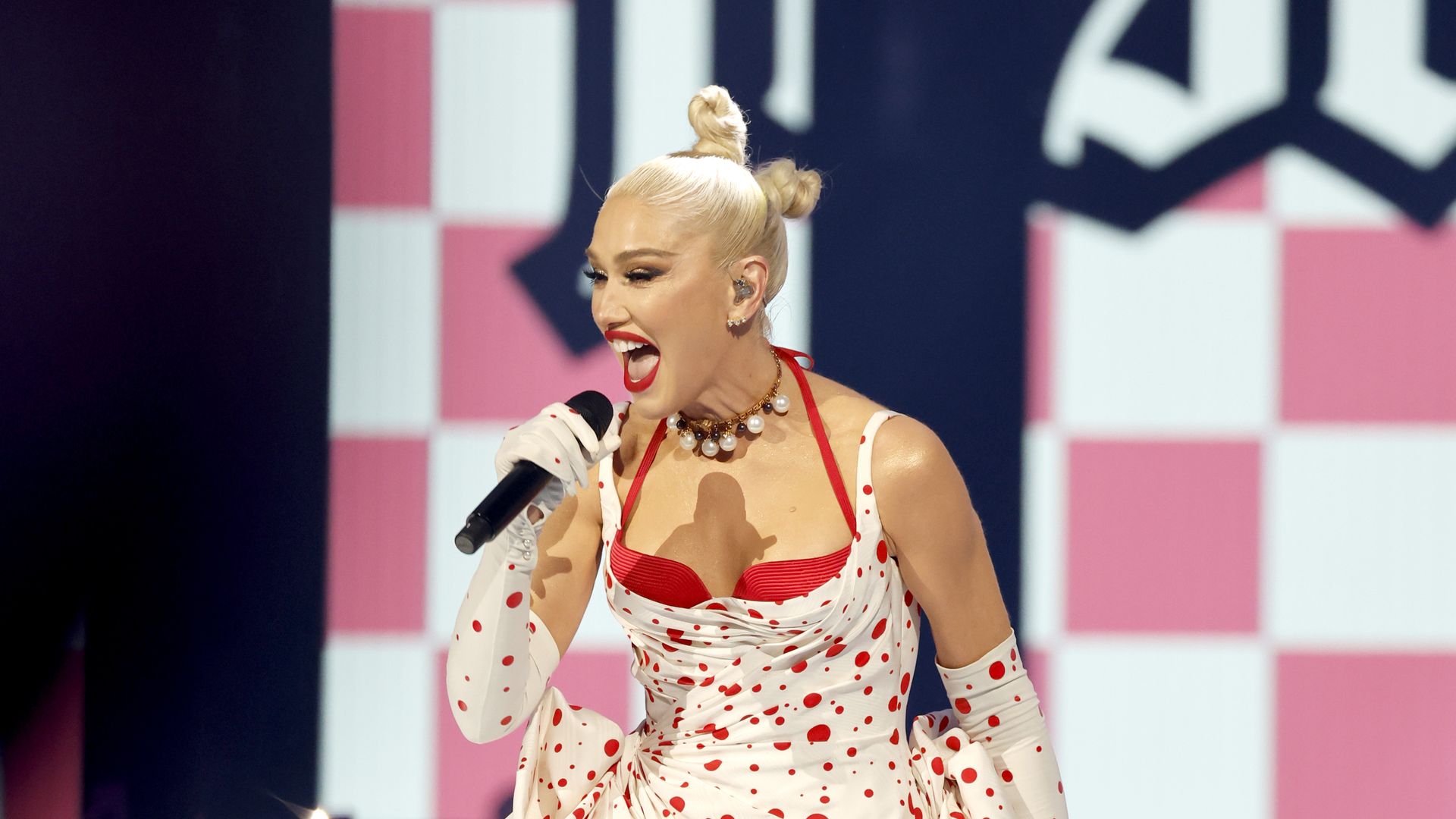
Gwen Stefani included "Doubt" in the setlist for her This Is What the Truth Feels Like Tour in 2016. The live arrangement often featured a more prominent bassline and more dramatic lighting, emphasizing the song's moody atmosphere.
During her Las Vegas residency, Just a Girl, which ran at the Zappos Theater (now Bakkt Theater), "Doubt" was sometimes featured in acoustic or shortened segments. Stefani’s performance of the song was characterized by minimal choreography, standing in contrast to the high-energy, costume-change-heavy segments of "Hollaback Girl" or "Rich Girl." This stripped-back approach underscored the personal nature of the lyrics.
The visual aesthetic associated with "Doubt"—as seen in the album's artwork and promotional photography—relied heavily on black-and-white imagery and "messy" hand-drawn sketches. This was intended to represent the raw, "unfiltered" truth Stefani wanted to convey. The art direction was overseen by Stefani herself, who has always maintained a high level of control over her visual brand.
The Legacy of "Doubt" in Gwen Stefani's Discography
Looking back from 2026, "Doubt" is viewed as a bridge between Stefani’s past as a ska-punk icon and her future as a mature pop stateswoman. It proved that she could successfully navigate the landscape of modern pop—working with the era's top hitmakers—while still maintaining the "orange county girl" relatability that first made her a star in the 1990s.
The song also serves as a historical marker for the "divorce album" subgenre. Along with albums by artists like Adele and Kacey Musgraves, This Is What the Truth Feels Like (and specifically "Doubt") contributed to a mid-2010s trend of high-profile pop stars using their music as a direct, almost diaristic form of public processing.
In terms of influence, "Doubt" can be heard in the works of younger alt-pop artists who blend electronic textures with deeply personal, almost conversational lyrics. The track’s legacy is defined by its honesty; it didn't seek to provide a "happy ending" to the listener, but rather acknowledged the ongoing struggle of healing.
Frequently Asked Questions
Is "Doubt" a reference to Gwen Stefani's band No Doubt?
While the title "Doubt" might seem like a nod to her band No Doubt, the song's lyrics are entirely focused on internal emotional states and personal relationships. There is no evidence that the song was intended as a commentary on her bandmates or the band's history. Instead, it refers to the literal feeling of self-doubt and romantic insecurity.
Who produced the song "Doubt"?
"Doubt" was produced by Greg Kurstin. Kurstin is a multi-Grammy-winning producer known for his ability to blend indie-pop sensibilities with mainstream appeal. His work on this track is characterized by clean synth layers and a sophisticated rhythmic structure that supports Stefani’s vocal performance without overpowering it.
Was "Doubt" released as a single?
"Doubt" was not released as a formal radio single. However, it was available as part of the standard edition of the album This Is What the Truth Feels Like. Despite not having a dedicated music video or radio push, it remains one of the most-discussed tracks on the album due to its lyrical depth.
What is the lyrical meaning of "Doubt"?
The song describes the fear of being "not enough" for a new partner and the lingering anxiety that a good situation will eventually fall apart. It captures the psychological "echoes" of a past traumatic breakup, where the narrator finds it difficult to trust their current happiness.
Which album features the song "Doubt"?
"Doubt" is the tenth track on Gwen Stefani's third solo studio album, This Is What the Truth Feels Like, released in March 2016. The album was her first solo release to reach number one on the Billboard 200 chart.
Practical Recommendation for Listeners
For those wishing to explore the deeper context of "Doubt," it is recommended to listen to the track in the sequence of the full This Is What the Truth Feels Like album. This provides the necessary narrative arc, moving from the devastation of "Used to Love You" through the tentative hope of "Doubt," and finally to the celebratory "Make Me Like You." Understanding this progression is key to appreciating the song's specific role as a "confessional" reference point in Gwen Stefani's career.
Image Gallery