Dallas TX Crime Rate 2026: Statistics, Safety Analysis, and Trends
Evaluating the crime rate for Dallas, TX requires analyzing recent municipal safety data, violent versus property crime differentials, and localized neighborhood risk factors. While Dallas experiences property crime rates higher than t...
Evaluating the crime rate for Dallas, TX requires analyzing recent municipal safety data, violent versus property crime differentials, and localized neighborhood risk factors. While Dallas experiences property crime rates higher than the national average, safety varies dramatically across its diverse urban and suburban districts, making informed evaluation essential for residents and prospective movers.
Contents
Understanding the Dallas Crime Rate Landscape
Analyzing crime statistics for a major metropolitan area like Dallas demands a close look at standardized reporting frameworks. Law enforcement agencies across the United States typically submit local incident data to the FBI's Uniform Crime Reporting (UCR) program or the newer National Incident-Based Reporting System (NIBRS). These systems categorize offenses into distinct tiers, most notably Part I offenses, which comprise violent crimes (murder, rape, robbery, aggravated assault) and property crimes (burglary, larceny-theft, motor vehicle theft, arson).
In 2026, Dallas remains one of the largest economic engines in the United States, drawing hundreds of thousands of new residents and businesses to North Texas. Rapid population growth often correlates with logistical and public safety challenges. However, raw crime volume alone fails to paint an accurate picture. Per capita metrics—calculating crimes per 100,000 residents—provide a standardized baseline for comparing Dallas against other major cities like Houston, Austin, or national urban averages.
Violent Crime Trends and Composition in Dallas
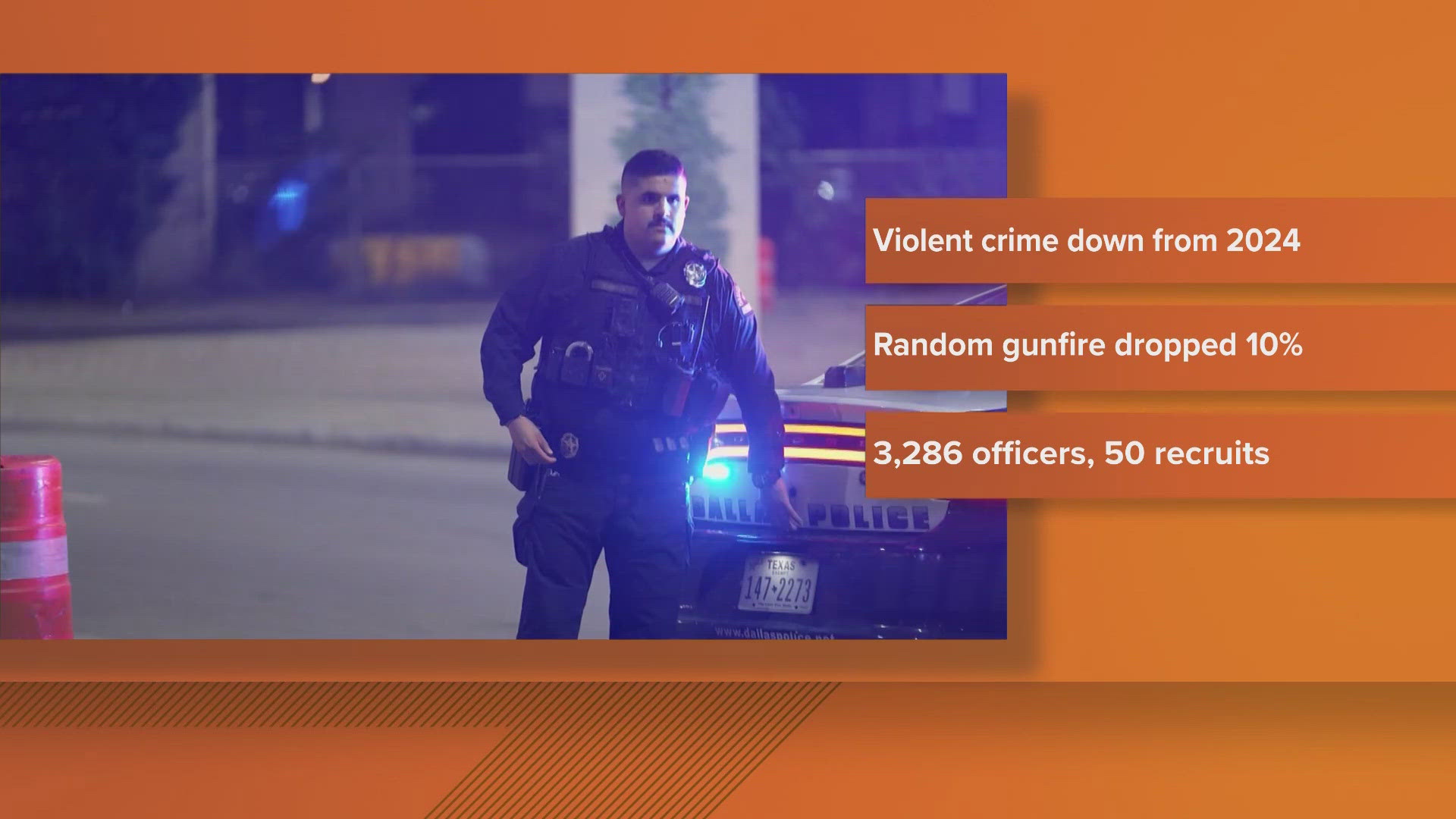
Violent crime in Dallas receives significant scrutiny from municipal leaders, community organizers, and law enforcement agencies such as the Dallas Police Department (DPD). The violent crime rate combines four specific felony offenses: criminal homicide, forcible rape, robbery, and aggravated assault. Aggravated assault historically accounts for the vast majority of violent crime incidents recorded in the city.
Targeted interventions, such as the Dallas Viable Response Plan and localized community policing initiatives, focus heavily on micro-hotspots where violent incidents concentrate. Understanding the composition of violent crime involves looking at several structural factors:
- Domestic and Interpersonal Disputes: A high percentage of violent crime incidents in Dallas stem from domestic disputes or altercations between acquaintances rather than random acts of stranger violence.
- Robbery Patterns: Commercial robberies and individual street robberies frequently align with economic activity centers, late-night entertainment districts, and transit hubs.
- Gang and Narcotics Activity: Law enforcement efforts continue to target organized gang networks responsible for a localized share of gun violence in specific southern and southeastern sectors of the city.
- Firearm Involvement: The proliferation of illegal firearms significantly impacts the severity of assaults and robberies recorded by the DPD.
Property Crime Realities: Theft and Motor Vehicle Trends
Property crime represents the most statistically significant challenge for Dallas safety metrics. While violent crime rates often dominate headlines, property offenses—including residential and commercial burglary, theft from motor vehicles, and grand theft auto—directly impact a broader segment of the population.
Motor vehicle theft remains a persistent concern across North Texas. Vehicle security vulnerabilities, unsecured keys left inside cars, and organized theft rings targeting specific truck models contribute to elevated auto theft statistics. Similarly, larceny-theft (encompassing everything from catalytic converter thefts to retail shoplifting) requires proactive security measures from residents and business owners alike.
| Crime Category | Dallas Rate vs. National Average | Primary Contributing Factors | Preventive Strategy |
|---|---|---|---|
| Violent Crime | Moderately Above Average | Interpersonal disputes, localized gang activity, firearm availability | Avoid high-risk areas late at night, maintain situational awareness |
| Property Crime | Significantly Above Average | Opportunity crimes, catalytic converter theft, vehicle break-ins | Secure vehicles, utilize motion-activated lighting, install home security |
| Motor Vehicle Theft | High | Vehicle targeting, unsecured valuables, transit proximity | Steering wheel locks, immobilizers, parking in well-lit areas |
| Commercial Burglary | Moderate | Retail hubs, unoccupied commercial properties after hours | Commercial-grade alarm systems, 24/7 video monitoring |
Neighborhood Safety Comparisons Across Dallas
A common mistake when reviewing the crime rate for Dallas, TX is assuming uniform risk across the entire municipality. Dallas spans over 300 square miles, encompassing distinct neighborhoods with vastly different socio-economic profiles, commercial densities, and policing strategies.
Generally, northern sectors of Dallas—including areas near Preston Hollow, Lake Highlands, and North Park—report lower violent and property crime rates. These neighborhoods often feature active neighborhood associations, private security patrols, and higher median household incomes. Conversely, certain neighborhoods in southern and southeastern Dallas, such as parts of South Dallas and Pleasant Grove, historically record higher per capita crime rates, driven by systemic economic challenges and historical underinvestment.
Downtown Dallas and entertainment districts like Deep Ellum experience fluctuating safety metrics. While daytime business activity is heavily monitored, nightlife districts require increased law enforcement presence during weekend evening hours to manage crowd control, alcohol-related altercations, and opportunistic theft.
Economic and Demographic Drivers of Urban Crime
Criminologists and urban planners consistently link crime rates to broader socioeconomic variables. Dallas is a city characterized by stark wealth disparities, rapid gentrification, and shifting commercial corridors. Factors influencing local crime statistics include:
- Income Inequality: Pockets of extreme poverty adjacent to booming commercial developments create friction and increase the temptation for property crimes.
- Substance Abuse: The opioid crisis and widespread availability of illicit narcotics drive low-level property theft and contribute to violent altercations.
- Housing Instability: Rapidly rising rental and housing costs in North Texas place financial strain on lower-income households, occasionally correlating with elevated stress and community instability.
- Educational Attainment and Employment: Access to quality education and stable employment opportunities serves as a long-term buffer against criminal recruitment and juvenile delinquency.
Strategic Measures by the Dallas Police Department
The Dallas Police Department employs data-driven policing models to allocate resources effectively. Rather than relying solely on reactive responses, modern DPD strategies emphasize predictive analytics and community partnerships.
- National Crime Reduction Project: Collaborations with federal agencies help dismantle violent criminal enterprises and illegal gun trafficking rings operating within city limits.
- Real-Time Crime Center (RTCC): The DPD utilizes advanced camera networks, license plate readers (LPRs), and gunshot detection technology to monitor high-crime zones and dispatch units rapidly.
- Community Outreach Programs: Youth engagement initiatives, athletic leagues, and mental health crisis response teams ( such as the RIGHT care program pairing officers with mental health professionals) aim to de-escalate crises before they result in violent crime.
Practical Safety Tips for Residents and Visitors
Navigating Dallas safely requires a combination of situational awareness and proactive target hardening. Whether you are relocating to the area or visiting for business, standard safety practices significantly mitigate personal risk.
- Secure Your Vehicle: Never leave firearms, wallets, or electronics visible inside an unattended vehicle. Always lock doors and park in well-lit, high-traffic areas.
- Utilize Home Security Systems: Invest in smart doorbell cameras, exterior motion-sensor lighting, and monitored alarm systems for residential properties.
- Exercise Caution in Nightlife Districts: When visiting entertainment hubs like Deep Ellum, Uptown, or West End, stay in well-lit areas, travel in groups, and remain aware of your surroundings.
- Monitor Local Crime Mappings: Utilize public crime-mapping tools provided by the Dallas Police Department to stay informed regarding incident trends in your specific zip code or commute route.
Frequently Asked Questions
Is Dallas, TX considered a safe city overall?
Dallas experiences property crime rates higher than the national median, while its violent crime rate varies significantly by neighborhood. While certain areas require heightened vigilance, many residential districts and suburbs within the metroplex maintain low crime rates and high quality of life standards.
Which areas of Dallas have the lowest crime rates?
Northern Dallas neighborhoods, including Preston Hollow, Far North Dallas, Lakewood, and Lake Highlands, consistently report lower rates of both violent and property crime compared to the citywide average.
How does Dallas compare to other major Texas cities in crime?
Dallas typically reports higher per capita property and violent crime rates than suburban municipalities like Plano or Frisco, but shows comparable metrics to major urban centers like Houston and San Antonio.
What is the most common type of crime in Dallas?
Property crime—specifically larceny-theft and motor vehicle theft—represents the vast majority of all criminal offenses recorded by law enforcement within Dallas city limits.
Where can I find real-time crime data for my Dallas neighborhood?
Residents can access up-to-date crime mapping tools and incident reports directly through the official Dallas Police Department website or public safety portals like CrimeMapping.com.
Conclusion and Next Steps
Evaluating the crime rate for Dallas, TX reveals a complex urban environment where statistical averages do not tell the whole story. While property crime and targeted violent incidents present clear challenges, strategic municipal policing and neighborhood-level precautions offer robust pathways to safety. If you are planning a move or looking to secure a commercial property in the area, research specific neighborhood crime logs, invest in comprehensive property security, and leverage local law enforcement resources to make informed, safety-conscious decisions.
Image Gallery