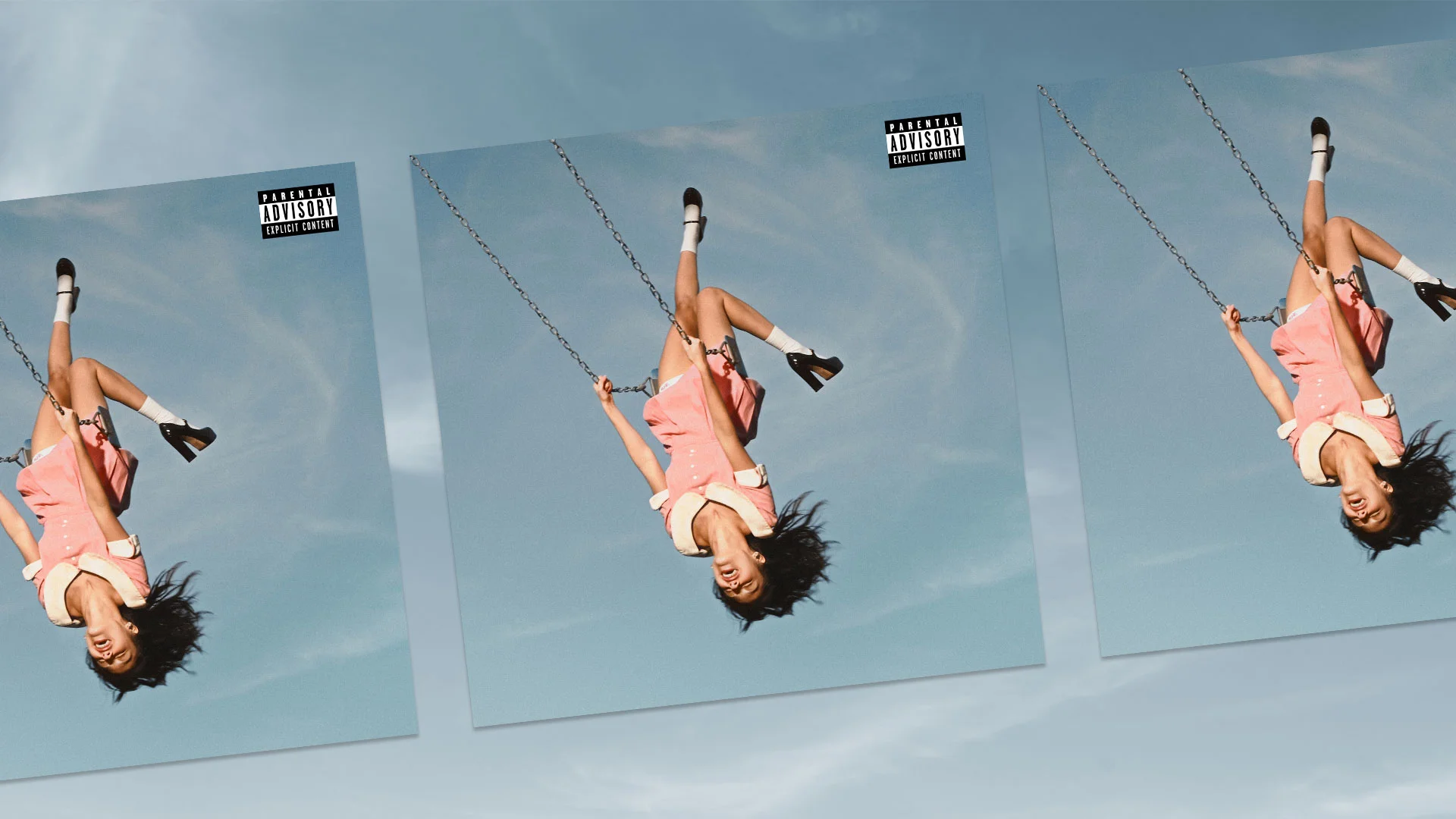
The Facts Behind Olivia Rodrigo’s Academic Journey and Master Recordings
As of 2026, there is no public record of Olivia Rodrigo pursuing or securing a Master’s degree in an academic sense, nor has she publicly announced such a pursuit. The phrase "Olivia Rodrigo secured her masters" is frequently used by m...
As of 2026, there is no public record of Olivia Rodrigo pursuing or securing a Master’s degree in an academic sense, nor has she publicly announced such a pursuit. The phrase "Olivia Rodrigo secured her masters" is frequently used by music industry observers and fans to refer to the master recordings of her studio albums, a distinct legal and business accomplishment in the modern music industry.
Contents
Understanding Master Recordings in the Music Industry
In the context of the music business, a "master" (or master recording) is the original, definitive recording of a song from which all subsequent copies and reproductions are made. Owning the master recordings grants an artist or label the rights to control how the music is used, licensed, and distributed.
When an artist "secures their masters," they have successfully negotiated a deal—often by renegotiating an existing contract or reaching the end of a recording agreement—that allows them to own or reclaim the rights to their own work. For a global artist like Olivia Rodrigo, who rose to prominence under the standard label structures of the early 2020s, the path to ownership is a critical milestone in career autonomy.
The Standard Industry Model for Recording Artists
Traditionally, record labels funded the recording process, production, and marketing of an artist's music. In exchange for this capital investment, labels typically retained ownership of the master recordings for the life of the copyright. This created a dynamic where the artist performed the work but did not hold the underlying asset that generated the long-term revenue.
As streaming became the primary mode of music consumption, the conversation shifted toward artists seeking equity. Artists began to prioritize "master ownership" clauses in their contracts, which allow them to reclaim their masters after a certain number of years or, in more favorable deals, to own them from the moment of recording.
Olivia Rodrigo’s Deal Structure and Context
Olivia Rodrigo’s trajectory began with a high-profile signing with Geffen Records, a division of Universal Music Group (UMG). When an artist of her stature signs a deal, the contract is highly complex, involving multi-album commitments, advances, and royalties. While specific details of her private contracts are not public record, industry reporting consistently highlights her transition toward greater creative and legal control.
Securing masters usually involves one of the following legal pathways:
- Re-negotiation: An artist renegotiates their initial contract after achieving significant commercial success, trading a portion of their future revenue for ownership of their previous masters.
- Contract Completion: An artist fulfills their contractual obligation to deliver a specific number of albums, allowing them to re-sign with terms that include ownership of future work.
- Buyouts: An artist uses their own capital or a new financing deal to purchase the masters from their previous label.
The Significance of Master Ownership for Modern Artists
The drive to own master recordings is not merely about prestige; it is a financial and operational imperative. Owners of master recordings receive the lion’s share of revenue from streaming services like Spotify, Apple Music, and Tidal. Furthermore, ownership allows an artist to control the synchronization (sync) rights of their music.
Sync licensing is the process of allowing music to be used in films, television commercials, video games, and advertisements. If a brand wants to use a song, they need permission from both the publisher (who owns the composition) and the label (who owns the master). By securing their masters, artists remove the "middleman" barrier, allowing them to authorize these lucrative deals independently or at least gain a higher percentage of the fee.
Comparison of Rights: Master Ownership vs. Publishing
It is vital to distinguish between the two types of rights inherent in every song, as confusion often arises when fans discuss "securing masters."
| Right Type | Definition | Benefit of Ownership |
|---|---|---|
| Master Rights | Ownership of the specific audio recording. | Control over physical/digital reproduction and sync licensing. |
| Publishing Rights | Ownership of the underlying melody and lyrics. | Royalties from performances, radio play, and songwriting credit. |
An artist can own their publishing (songwriting) rights but not their masters. Most pop stars, including Rodrigo, retain a portion of their publishing from the start, as they are credited songwriters. However, the master rights are historically the most difficult to secure.
The Role of Advocacy and Precedent
The conversation surrounding master ownership in the 2020s has been heavily influenced by public advocacy from other major artists who famously fought to regain or protect their masters. This public discourse has changed the standard for "new" artists. Many young stars now enter the industry with more aggressive legal teams who prioritize ownership as a non-negotiable term in early deals.
For an artist like Olivia Rodrigo, who achieved massive, immediate commercial success with her debut album SOUR (2021), the bargaining power shifts significantly in her favor with every subsequent project. The ability to secure master rights is often a reflection of this leverage; the more successful the artist, the more the label is willing to concede on ownership to keep the artist under the label’s umbrella.
Common Questions Regarding Artist Rights
Do artists automatically lose their masters when they sign a label deal?
Not necessarily, but it is standard. In a traditional "work-for-hire" contract, the label pays for the recording, so they keep the master. However, many modern deals are structured as "licensing" agreements, where the artist retains ownership and only grants the label a license to distribute the music for a set period.
Is "re-recording" a valid way to secure masters?
Yes. If an artist cannot purchase or negotiate the rights to their original masters, they may choose to re-record their catalog. By creating new versions of their songs, they create new master recordings that they own outright. This effectively devalues the original masters owned by the label.
How does an artist verify their master ownership?
Ownership is recorded in the metadata of the music files submitted to streaming platforms and in the legal archives of the copyright office. Artists and their legal counsel review "chain of title" documents to ensure there are no lingering liens or rights encumbrances held by third parties.
Why is this topic so prominent in fan discussions?
Fans have become increasingly aware of the "business" side of music, largely due to social media and public disputes involving high-profile artists. When fans use the phrase "secured her masters," they are expressing support for the artist's independence and financial stability.
Strategic Considerations for Future Projects
As Olivia Rodrigo continues her career, the focus will likely remain on maintaining the balance between creative autonomy and label partnership. Securing masters is not a one-time event; it is an ongoing process of contract management. Every new album release presents an opportunity to refine ownership terms and expand her intellectual property portfolio.
For upcoming artists, the "Rodrigo model"—leveraging initial massive success into stronger legal standing—serves as a case study in modern career management. The transition from a "label-owned" artist to an "owner-operator" is the defining shift in the contemporary music business.
Recommended Next Steps for Understanding Industry Contracts
If you are interested in the legalities of the music industry:
- Review the Copyright Act: Familiarize yourself with the basic principles of copyright as it applies to sound recordings.
- Analyze Public Filings: Look at industry trade publications that report on contract renewals and major label dealings.
- Consult Professional Counsel: If you are an artist, never rely on fan-based interpretations of contracts; professional entertainment law counsel is the only way to protect your rights in a recording agreement.
Image Gallery